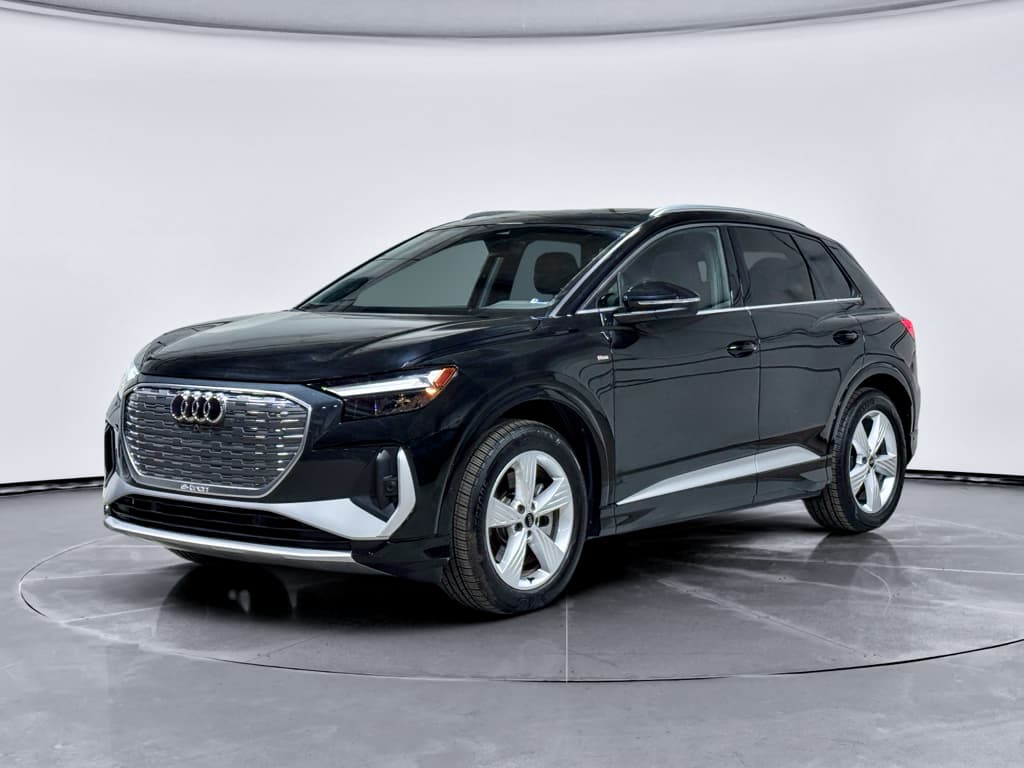
If you own or are shopping for an Audi e-tron GT, you’ve probably punched your VIN or ZIP code into Kelley Blue Book already. The “Audi e-tron GT KBB value” is a useful starting point, but with EVs, it’s only one part of the pricing story. Let’s unpack how those numbers are calculated, how they compare to real‑world market prices, and how to use them to your advantage when you’re buying or selling.
Quick takeaway

Why KBB value matters for the Audi e-tron GT
The Audi e-tron GT launched as a six‑figure, halo luxury EV. Today, only a few model years in, many examples are trading in the $40,000–$60,000 range on the used market, while KBB already shows deep depreciation from original MSRP. That gap between sticker and current value makes tools like Kelley Blue Book essential if you want to avoid overpaying, or leaving money on the table when you sell.
Who actually uses Audi e-tron GT KBB values?
Different players look at the same data from different angles
Retail buyers & sellers
If you’re shopping a used e-tron GT, KBB gives you a baseline for what a fair purchase price looks like in your area.
Dealers & wholesalers
Franchise dealers watch KBB trade‑in and auction data when they price incoming Audi e-tron GTs and set retail list prices.
Lenders & insurers
Banks and insurance companies lean on guides like KBB when they decide how much of the car’s value they’ll finance or cover.
Use more than one guide
How Kelley Blue Book calculates Audi e-tron GT values
Kelley Blue Book doesn’t just pull numbers out of thin air. For an Audi e-tron GT KBB value, their systems blend recent sales data, auction results, asking prices, regional demand, seasonality and standard adjustments for condition, mileage, trim and equipment. For EVs, they also fold in the broader market’s view on incentives and depreciation, even though they still don’t directly scan battery‑health data on individual cars.
Core inputs KBB uses
- Year, trim, and options – e-tron GT vs RS e-tron GT, Plus or Prestige packages, wheels, performance options.
- Mileage & condition – driven miles, accident history, cosmetic and interior wear.
- Regional data – different appetite for EVs in California or New York vs the Midwest or Southeast.
- Recent transaction prices – wholesale auctions and verified retail sales.
EV‑specific market factors
- Federal and state incentives that lowered the effective new‑car price.
- Rapid tech changes – newer EVs with more range or faster charging push earlier models down.
- Fuel and electricity prices that change the appeal of switching to an EV.
- Brand perception vs key rivals like Tesla Model S and Porsche Taycan.
These broad forces are baked into KBB’s data, even if they don’t show up on the surface of the pricing page.
What KBB can’t see on an EV
Current Audi e-tron GT KBB value vs real market prices
As of early 2026, Kelley Blue Book pricing for recent Audi e-tron GTs shows the steep fall you’d expect from a six‑figure luxury EV, with mid‑$40,000s to low‑$60,000s common depending on model year and trim. Asking prices on the open market, especially from dealers, often sit a bit above those guide numbers, particularly for low‑mile, well‑optioned cars.
Illustrative Audi e-tron GT value snapshots*
Numbers are directional, not promises
Depreciation: how fast does an Audi e-tron GT lose value?
The Audi e-tron GT depreciates quickly, faster than a comparable gas A7 or S7, and in line with many other six‑figure EVs. Guides like KBB and Edmunds suggest that an e-tron GT can lose more than half of its original MSRP within the first two to three years. That sounds brutal, but it’s also why a used e-tron GT can be such a compelling buy if you’re coming in second owner.
Illustrative e-tron GT depreciation curve*
Approximate trajectory based on recent guide data for a well‑equipped e-tron GT, assuming typical mileage and condition.
| Age | What the original buyer paid | Typical guide value | Approx. depreciation |
|---|---|---|---|
| New (Year 0) | $105,000–$115,000 | $105,000–$115,000 | 0% |
| Year 2 | $105,000–$115,000 | $65,000–$75,000 | ~35–40% |
| Year 3–4 | $105,000–$115,000 | $45,000–$60,000 | ~45–60% |
| Year 5+ | $105,000–$115,000 | $35,000–$45,000 | ~60–70% |
*For education only. Always check current Audi e-tron GT KBB and lender values for your specific car.
Why this is good news if you’re buying used
7 factors that move your Audi e-tron GT KBB value up or down
- Trim & performance package – RS e-tron GT and higher‑spec Prestige cars sit at the top of the value curve.
- Mileage – Under 20,000 miles is a big plus; over 50,000 miles pushes KBB and real offers down quickly on a luxury EV.
- Accident & service history – Structural repairs, airbag deployments or messy Carfax reports can knock thousands off.
- Battery health & range – A pack that still delivers near‑factory range is worth significantly more than one that’s lost 10–20%.
- Wheels and tires – Curb‑rashed 21‑inch wheels or worn performance tires can quietly strip value out of a negotiation.
- Options & tech – Driver‑assistance packages, premium audio and cold‑weather packages help an e-tron GT stand out in listings.
- Market timing – Gas prices, interest rates, and new EV incentives all ripple into used Audi e-tron GT KBB values.
The silent value killer: poor charging history
KBB value vs what you’ll actually pay or get
Think of Audi e-tron GT KBB value as the midpoint in a negotiating range. Real transactions can land several thousand dollars above or below that depending on whether you’re buying from a dealer, selling privately, or trading in.
When prices run above KBB
- Low‑mile, one‑owner RS e-tron GTs with perfect service history.
- Cars in EV‑friendly regions with strong demand (e.g., coastal metros).
- Certified pre‑owned (CPO) cars with extended factory coverage.
- Dealers building in higher margins on rare colors or option combos.
When prices fall below KBB
- High‑mileage cars or those with visible cosmetic issues.
- Accident history or incomplete maintenance records.
- Private‑party sales where the seller wants a quick transaction.
- Cars with weak battery health or out‑of‑step options (e.g., summer tires in a snowbelt market).
Use KBB as your script, not your ceiling
How battery health changes a used e-tron GT’s value
On an electric Audi like the e-tron GT, the battery pack is the single most expensive component. Traditional book values still lean heavily on mileage and cosmetic condition, but experienced buyers are increasingly pricing around verified battery health and real‑world range.
Two identical e-tron GTs, two very different values
Same year, trim, and mileage, battery health tells the real story
Car A: Strong battery
- Real‑world range close to original EPA estimate.
- Documented charging habits and service history.
- Independent battery test shows minimal degradation.
- Buyer is comfortable near the top of the KBB range.
Car B: Tired battery
- Noticeable range loss and inconsistent estimates.
- Unknown fast‑charge history.
- No evidence of pack diagnostics or software updates.
- Buyer demands a price below KBB to budget for future repairs or reduced usability.
How Recharged handles battery value
Using KBB value when buying a used Audi e-tron GT
If you’re shopping a used e-tron GT, especially online or from out of state, you need a repeatable way to separate fair deals from wishful thinking. KBB gives you the baseline. From there, you adjust up or down for battery health, options and the overall market.
Buyer checklist: turn KBB numbers into a smart offer
1. Run the exact car through KBB
Use the correct model year, trim (e-tron GT or RS), options, mileage, and your ZIP code. Grab the <strong>Fair Purchase Price</strong> range, not just trade‑in.
2. Compare to live listings
Search multiple marketplaces for similar e-tron GTs. If every comparable car is listed well below KBB, the guide may be lagging the market.
3. Get battery‑health information
Ask for a recent battery report, real‑world range data, or buy from a source, like Recharged, that provides independent pack diagnostics upfront.
4. Inspect history & condition
Pull a vehicle‑history report, confirm maintenance records, and factor in wheels, tires and cosmetic issues that you’ll have to address.
5. Decide your walk‑away number
Start near the low–mid point of KBB’s range if the battery looks strong. If there are question marks, discount accordingly and be ready to walk.
6. Consider total cost, not just price
Include sales tax, registration, potential home‑charging upgrades, and insurance in your math. A slightly higher purchase price on a healthier car can cost less over time.
Let the financing math work for you
Using KBB value when selling or trading your e-tron GT
If you’re on the other side of the table, KBB is still your friend. It sets expectations before you walk into a dealership or start fielding messages from private buyers. With a premium car like the e-tron GT, the difference between trade‑in and private‑party value can be many thousands of dollars.
Before you list or trade
- Run your car through KBB using accurate equipment and condition.
- Gather records: charging history if you have it, service visits, tire and brake receipts.
- Fix inexpensive cosmetic issues that make the car look tired in photos.
- Decide whether you’re targeting trade‑in, instant offer, or private‑party sale.
Where Recharged fits in
- Get an instant offer or consignment option for your EV through Recharged.
- Our specialists factor in real battery health, not just generic book values.
- Nationwide exposure and EV‑savvy buyers can justify stronger pricing on clean cars.
- We handle the EV‑specific questions that make many private‑party deals drag on.
Turn your KBB value into a stronger real‑world offer
Ready to find your next EV?
Browse VehiclesFAQ: Audi e-tron GT KBB value
Frequently asked questions about Audi e-tron GT KBB value
Bottom line on Audi e-tron GT KBB value
Kelley Blue Book gives you a clear, approachable window into the complex world of Audi e-tron GT values. It’s a great place to start, but with any modern EV, especially a six‑figure luxury model, it can’t be the end of your homework. The real winners in today’s market are buyers and sellers who pair guide values with hard data on battery health, transparent history and up‑to‑date market research.
If you’re thinking about stepping into, or out of, an Audi e-tron GT, consider letting an EV‑specialist marketplace like Recharged do some of that heavy lifting. From financing and instant offers or consignment to verified battery diagnostics in every Recharged Score Report, we’re built to turn numbers on a screen into confidence at the negotiating table.