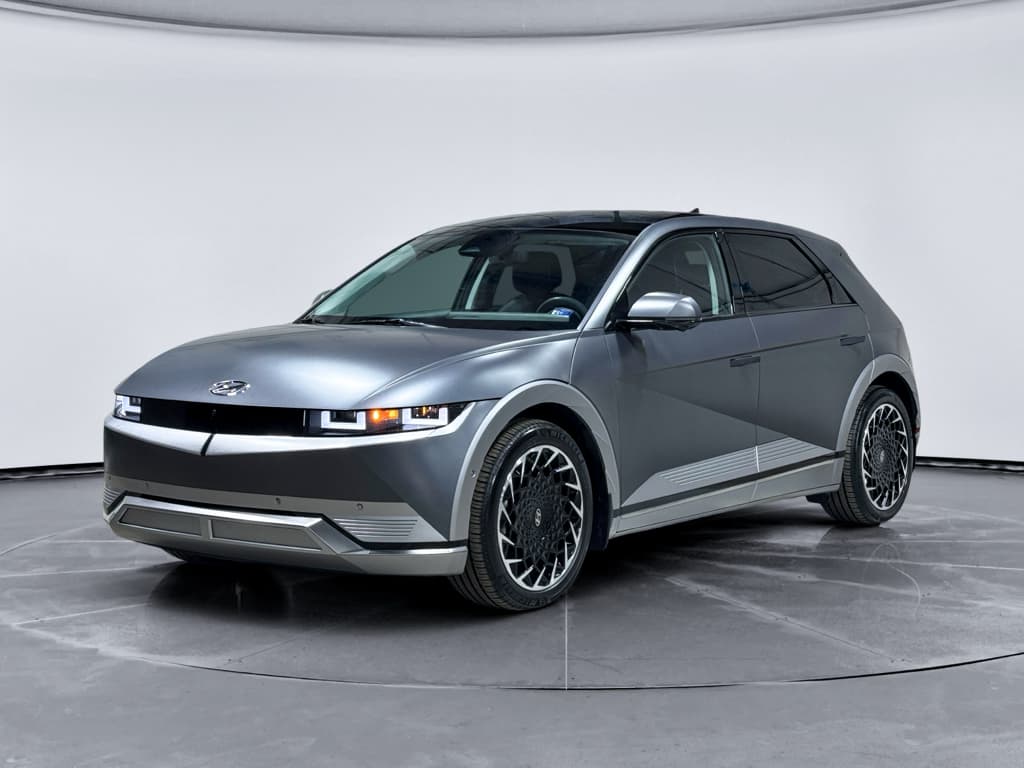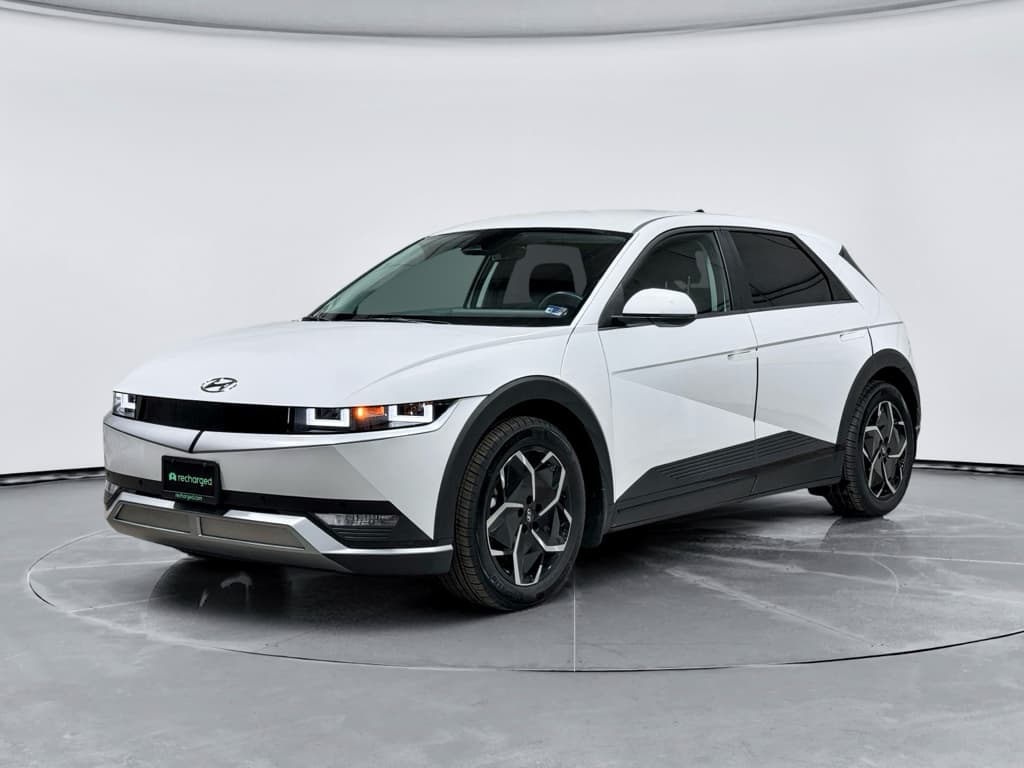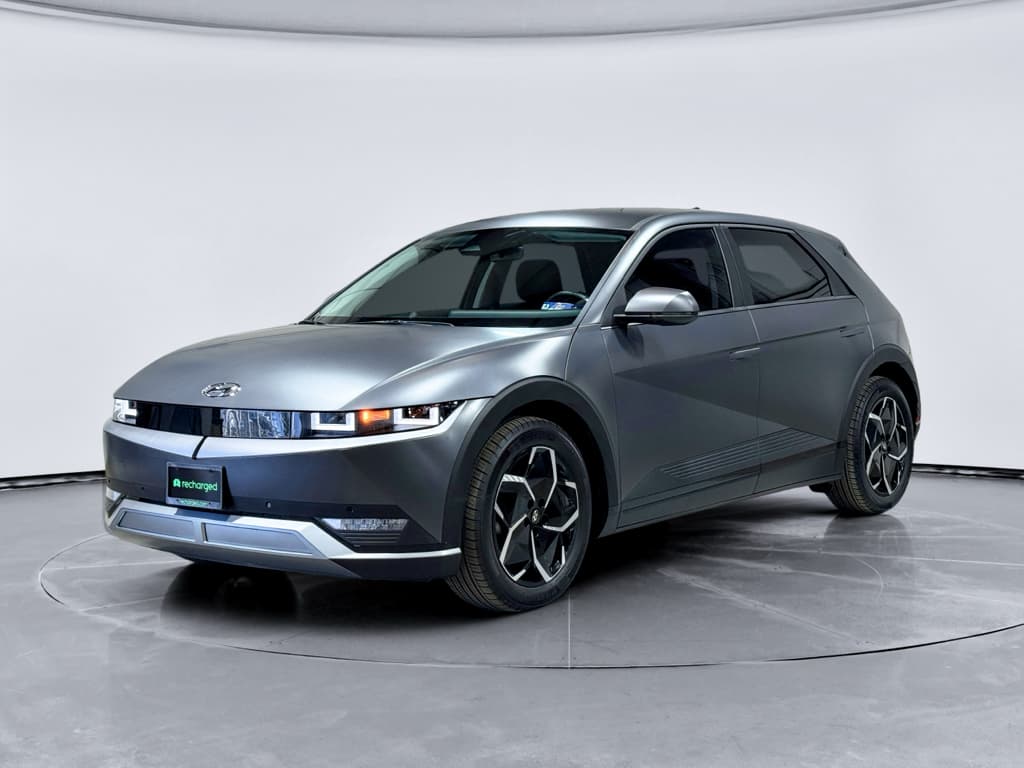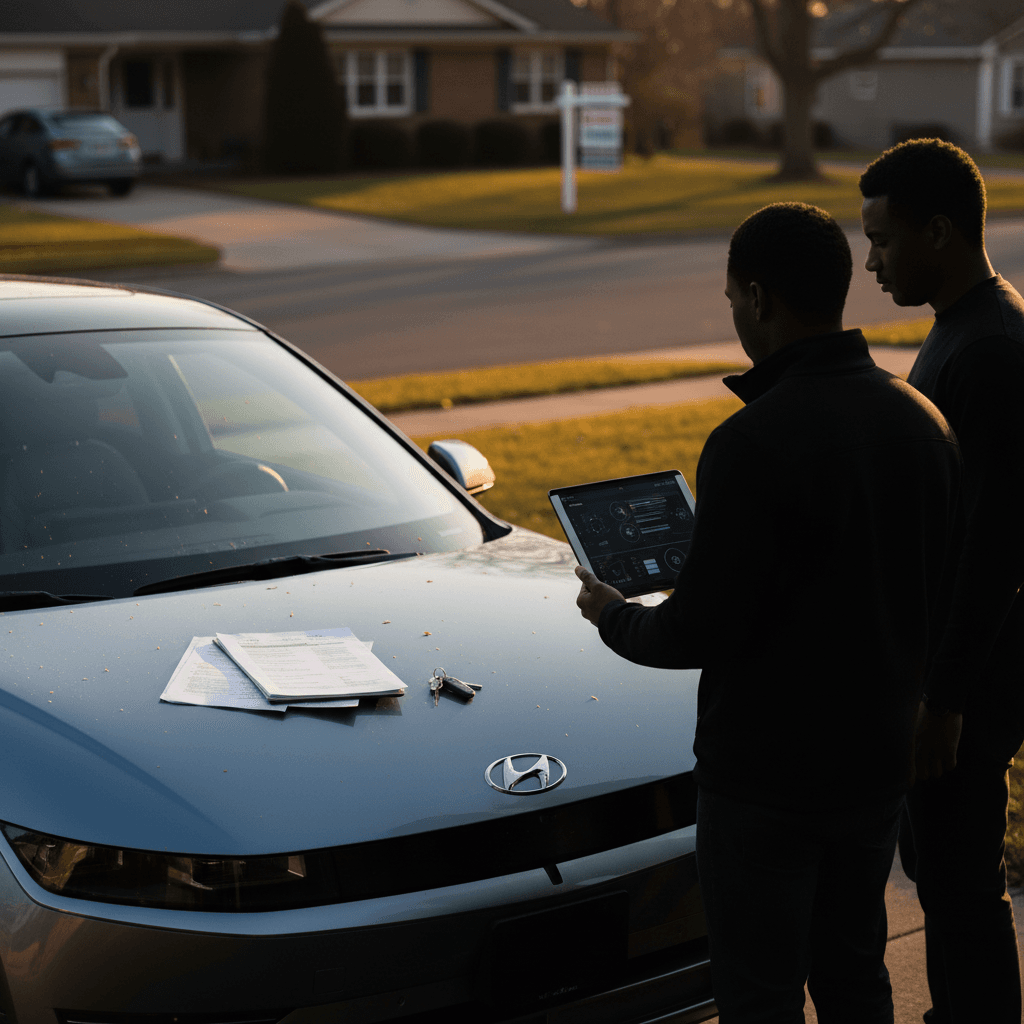
If you own a Hyundai IONIQ 5 and you’re thinking about upgrading or cashing out, a private sale can put more money in your pocket than a quick dealer trade‑in. But selling an electric crossover is different from selling a gas SUV. Buyers will ask about battery health, warranty coverage, charging equipment, and fast‑charging speed, on top of the usual questions about condition and accidents. This guide walks you through exactly how to sell a Hyundai IONIQ 5 in a private sale, step by step.
Who this guide is for
Why sell your Hyundai IONIQ 5 in a private sale?
Private sale vs. trade‑in for an IONIQ 5
What you gain, and what you give up, when you sell it yourself
Higher sale price
Private buyers usually pay closer to retail than trade‑in value. For recent IONIQ 5s, the gap between trade‑in and retail often runs several thousand dollars, depending on mileage and condition.
More control
You decide how you present the car, where you list it, who you sell to, and when you accept an offer. You’re not limited to a dealer’s quick appraisal number.
More time & effort
The trade‑off is effort: you’ll need to clean the car, take photos, field messages, manage test drives, and handle paperwork. This guide helps you do that efficiently.
When private sale might NOT be best
Understand Hyundai IONIQ 5 resale value before you list
Before you write a single word of your ad, you need to know roughly what your Hyundai IONIQ 5 is worth. Late‑model EVs have seen faster price adjustments than many gas cars, especially as new‑car pricing and incentives move around. That means last year’s blog post or a neighbor’s experience might be badly out of date. Start with fresh data.
Hyundai IONIQ 5 value snapshot (recent U.S. used‑market data)
Use at least two or three valuation sources, like large listing sites or appraisal tools, to triangulate a realistic private‑party range for your exact year, trim (SE, SEL, Limited, XRT, N, etc.), drivetrain (RWD vs. AWD), and mileage. Then check live listings for similar IONIQ 5s in your region to see what you’re actually competing against.
Account for EV‑specific factors
Prepare your Hyundai IONIQ 5 for a private buyer
Well‑prepared cars don’t just sell faster; they sell for more. With an IONIQ 5, presentation goes beyond a quick wash. You’re selling a high‑tech EV, so buyers expect it to look and feel like a well‑cared‑for device as much as a family vehicle.
Pre‑sale prep checklist for your IONIQ 5
1. Deep clean inside and out
Wash, clay, and wax the exterior if you can. Clean the wheels, wipe door jambs, and remove stickers. Inside, vacuum thoroughly, wipe down the dash and screens with safe cleaners, clean cupholders and storage bins, and remove personal items.
2. Fix easy cosmetic issues
Touch up obvious paint chips, replace missing wheel center caps or worn wiper blades, and address inexpensive trim damage. A couple of small fixes can make the whole car feel newer.
3. Resolve warning lights and recalls
If any warning lights are on, or if you know of open recalls, address them before listing. Many buyers will walk away from an EV showing an unresolved warning message, even if it’s minor.
4. Gather service and charging receipts
Collect records of software updates, tire rotations, brake work, alignment, and any high‑voltage system service. Include receipts for home charger installation or upgraded portable chargers if you plan to sell them with the car.
5. Update software and reset settings
Make sure the IONIQ 5 is on current software, but remove your personal data. Log out of apps, clear saved navigation destinations, and reset user profiles while leaving helpful settings like one‑pedal or regen mode explained for the buyer.
6. Set tires and charge level
Set tire pressures to spec to avoid ride‑quality complaints on test drives. Aim to have the battery at roughly 60–80% state of charge when buyers arrive so they can see realistic range estimates.

Show battery health and charging gear buyers care about
Battery condition is the single biggest unknown for most used‑EV shoppers. Fortunately, modern EVs like the Hyundai IONIQ 5 offer strong battery warranties and software tools that help you reassure a skeptical buyer.
What IONIQ 5 buyers look for beyond paint and miles
Highlight these items in your listing and in person
Battery warranty & SOH
Explain that U.S. IONIQ 5 models include a long hybrid/EV battery warranty (often 8–10 years and around 100,000 miles from first in‑service date). Show the in‑car battery screen so buyers can see current range and any degradation only appears minor in real‑world use.
Charging equipment included
List everything you’re including: factory portable charger, upgraded Level 2 home charger, NACS/CCS adapters, and storage bags. Buyers love “turn‑key” charging, many will pay more if they don’t have to shop for hardware separately.
Fast‑charging capability
Explain how quickly your IONIQ 5 can DC fast‑charge and whether it has access to networks that matter in your region. If your model year supports Tesla’s NACS connector or adapters, call that out clearly.
Leverage third‑party battery reports
Set the right private sale price for your IONIQ 5
Once you understand your IONIQ 5’s condition, equipment, and local market, it’s time to translate that into an asking price. Your goal is not to guess a magic number, it’s to define a rational price band where serious buyers feel comfortable negotiating.
Key factors that move IONIQ 5 private‑sale pricing
Use this as a checklist when you compare your car to live listings.
| Factor | Pushes Price Up | Pushes Price Down |
|---|---|---|
| Model year & trim | Newer years; Limited, XRT, N trims; dual‑motor AWD | Older years; base SE Standard Range |
| Mileage | Under ~25,000 miles for a 2–3‑year‑old IONIQ 5 | High annual mileage (rideshare, heavy commuting) |
| Battery & range | Minimal apparent degradation; strong real‑world range; recent software updates | Notable range loss compared with original EPA rating |
| Options & packages | Premium wheels, HUD, panoramic roof, tech/safety packages | Base equipment, missing options common in your market |
| Condition | No accidents; clean Carfax/AutoCheck; no curb rash, smoke, or pet odors | Accident history; visible bodywork; damaged wheels; interior stains |
| Charging gear | Includes Level 2 charger, adapters, and tidy cable storage | Only basic Level 1 cord or missing charger entirely |
Start with valuation tools, then adjust for these real‑world details.
Where to land on price
Create a listing that makes your IONIQ 5 stand out
Most buyers see your IONIQ 5 for the first time on a screen that’s only a few inches wide. Your photos and first two sentences have to do almost all the work. Think like an editor: lead with what’s unique and reassuring, not with clichés or abbreviations.
Essential photo shots
- Front three‑quarter view in daylight with the wheels straight and the car clean.
- Side profile and rear three‑quarter views to show the IONIQ 5’s distinctive shape.
- Close‑ups of wheels and tires so buyers can judge tread and curb rash.
- Interior overview from both front doors, plus rear seats folded and up.
- Digital dashboard and range screen showing state of charge and estimated range.
- Charging port and included charging gear laid out neatly.
Listing description structure
- Lead with the big story: year, trim, mileage, and why you’re selling. Example: “2023 IONIQ 5 SEL AWD, 18k miles, original owner, moving to city and no longer need a car.”
- Highlight EV‑specific positives: remaining battery warranty, strong range, fast‑charging, NACS/CCS access.
- List major features: safety tech, driver‑assist, premium audio, glass roof, etc.
- Disclose flaws honestly: a couple of small dings, surface scratches, or wheel rash. Transparency builds trust.
- Set expectations: firm or negotiable price, preferred communication method, and whether you’re open to pre‑purchase inspections.
Sample headline you can adapt
Screen buyers and handle test drives safely
Respond quickly to serious inquiries, but don’t feel pressured to hand the keys to the first person who messages you. A little structure can protect both your safety and the car.
- Screen by message first. Ask prospective buyers to confirm which car they’re asking about, whether they’ve driven EVs before, and when they’re available to see it.
- Move to a quick phone call. A short call helps you gauge seriousness and talk through basics like price range, financing, and timing.
- Meet in a safe, public location. Choose a busy parking lot or, better yet, outside a bank where you might finalize payment later.
- Verify a valid driver’s license and insurance before any test drive. Politely take a photo of their license with your phone, and ask them to text you proof of insurance.
- Ride along on the test drive. You can explain EV features and answer questions while keeping control of the route and duration.
- Keep state of charge in mind. Plan a route that shows highway and city driving without depleting the battery to an uncomfortable level.
Protect your digital keys
Paperwork, title transfer, and tax basics
Each state has its own rules, but the basic paperwork for selling a Hyundai IONIQ 5 privately is similar across the U.S. The main goal is simple: create a clean record that the car changed hands on a specific date for an agreed‑upon price, and that the buyer is now responsible for registration, insurance, and taxes.
Private‑sale paperwork checklist (U.S. oriented)
1. Vehicle title
If you own the car outright, locate the paper title. If there’s a loan, contact your lender to understand their payoff and title‑release process before you list the car.
2. Bill of sale
Draft a simple bill of sale with both parties’ names and addresses, VIN, year/make/model, exact odometer reading, sale price, date, and signatures. Many states offer a downloadable template.
3. Odometer disclosure
Some states require a separate odometer disclosure form for late‑model vehicles. Check your DMV’s site and complete it at the same time as the bill of sale.
4. Release of liability
After the sale, file a release of liability or notice of transfer with your state so you’re not responsible for tickets or incidents after the hand‑off.
5. Plates and registration
In many states, license plates stay with you, not the vehicle. Confirm whether you should remove plates and how to handle your registration and insurance cancellation timing.
6. Tax discussion
In most U.S. states, the buyer, not the seller, owes sales tax when they register the car. Encourage the buyer to check their state’s rules so there are no surprises.
Check DMV instructions for EV incentives
Avoid scams and get paid safely
The last stage of a private sale is where the stakes are highest. With a desirable EV like the IONIQ 5, you may attract out‑of‑area shoppers and, unfortunately, scammers. A few ground rules dramatically reduce risk.
- Favor in‑person buyers who can view the car and pay at a physical bank branch.
- For large sums, a cashier’s check verified in person at the issuing bank or a same‑day wire transfer into your account is safer than cash or app‑based transfers.
- Never hand over the keys or signed title until you’ve confirmed funds are in your account and irreversible.
- Be wary of buyers who want to overpay and have you “refund” the difference, or who insist on using unfamiliar escrow services.
- Avoid sending photos of the title or documents with barcodes/QR codes that could be misused.
- Trust your instincts, if communication feels off, you don’t owe anyone a meeting or a test drive.
Don’t skip bank verification
Alternatives to private sale: trade‑in, instant offer, consignment
Selling your Hyundai IONIQ 5 privately isn’t the only way to unlock its value. Depending on your timeline, comfort level, and the car’s condition, other options can make more sense, especially if you’d rather not juggle listings, strangers, and paperwork yourself.
Compare your selling options for a Hyundai IONIQ 5
Private sale vs. trade‑in vs. EV‑focused marketplace
Dealer trade‑in
Pros: Fastest and simplest; you can roll equity into your next vehicle; paperwork is handled for you.
Cons: Typically the lowest dollar amount; dealers price in their risk and profit margin, especially with fast‑moving EV prices.
Instant offer or online buyer
Pros: Quick appraisal and pickup; less hassle than private sale; often better than a walk‑in trade‑in.
Cons: Still usually below top private‑party value; may require condition verification and price adjustments.
EV specialist marketplace (like Recharged)
Pros: EV‑savvy buyers, transparent pricing, and tools like the Recharged Score battery‑health report. Options can include instant offer, trade‑in, or consignment with nationwide visibility.
Cons: You’ll share a portion of the upside in exchange for marketing, expertise, and transaction handling.
How Recharged can help
Ready to find your next EV?
Browse VehiclesFAQ: Selling a Hyundai IONIQ 5 in a private sale
Common questions about selling an IONIQ 5 yourself
The bottom line on selling your Hyundai IONIQ 5 privately
Selling your Hyundai IONIQ 5 in a private sale can absolutely be worth the extra effort. The keys are preparation, clean car, clear documentation, and honest photos, plus a realistic price based on current market data, and a safe, organized process for showings, test drives, and payment. When you treat your IONIQ 5 like the high‑tech EV it is, emphasizing battery health, charging convenience, and remaining warranty, you attract the right kind of buyers and minimize haggling.
If you decide that managing listings and strangers isn’t for you, an EV‑specialist platform like Recharged can bridge the gap. With tools like the Recharged Score battery‑health report, fair market pricing, financing, trade‑ins, instant offers, consignment, and nationwide delivery, plus an Experience Center in Richmond, VA, you can still unlock strong value for your IONIQ 5 while handing the heavy lifting to experts who live and breathe used EVs every day.