If you’re trying to figure out how to save money buying an EV in Virginia, you’ve probably noticed two things: federal tax credits have gotten more complicated, and Virginia doesn’t hand out big state EV rebates the way some neighbors do. The good news is you can still knock thousands off your real cost of ownership, if you buy the right car, in the right way, from the right place.
Quick reality check for Virginia buyers
Why Virginia EV buyers need a different playbook
In states like Colorado or New Jersey, the question is often, “Which rebate should I stack on top of the federal credit?” In Virginia, it’s more like, “How do I make the numbers work without that help?” That means focusing on the levers you can actually pull: buying used instead of new, picking models with strong battery health, and using local utility programs to squeeze your running costs down.
Virginia EV savings at a glance
Think like an owner, not a shopper
Start with total cost, not just sticker price
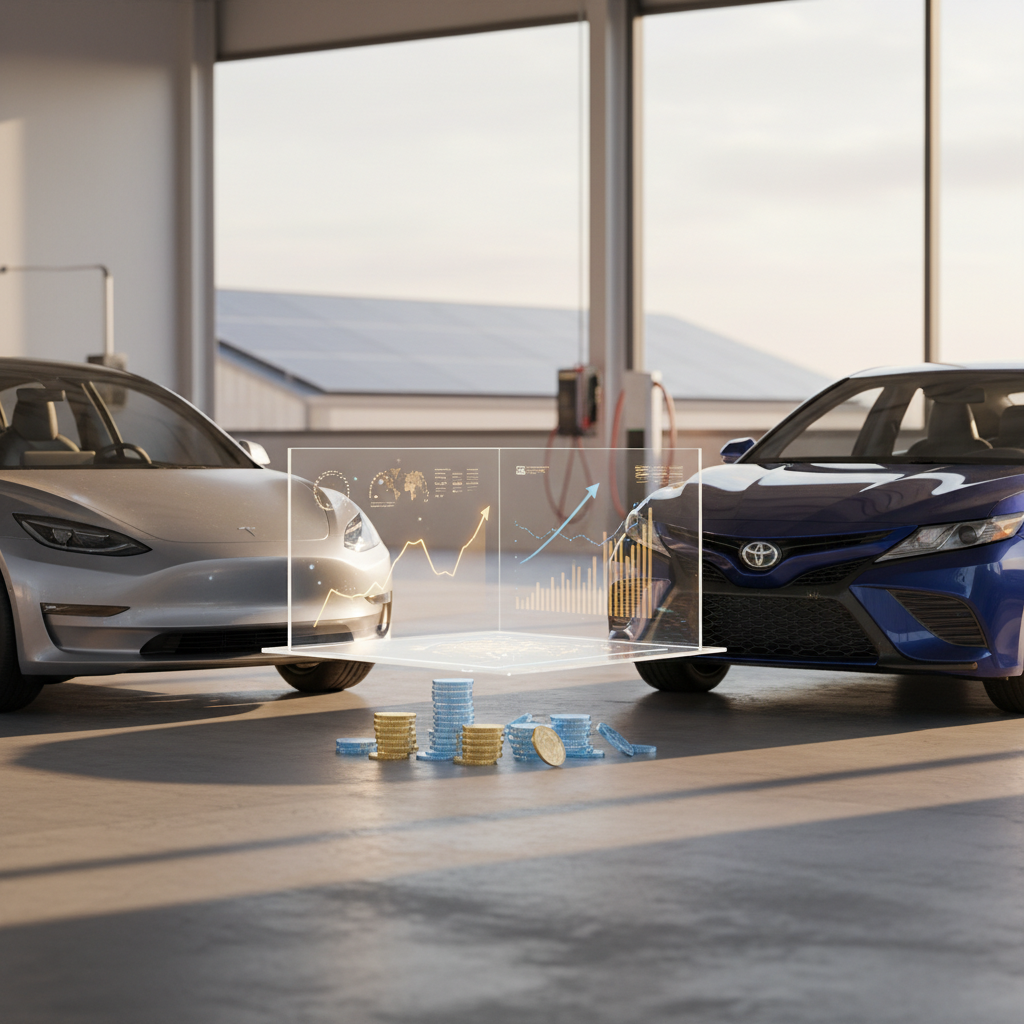
A $22,000 used EV that’s cheap to run can beat a $17,000 gas car over just a few Virginia summers. The trick is to compare total cost of ownership, not just the price on the windshield. That means adding up monthly payment, insurance, energy, maintenance, and expected resale value.
Used EV in Virginia
- Fuel: Most home charging with Dominion or Appalachian Power rates means the equivalent of paying ~$1–$1.50 per gallon.
- Maintenance: No oil changes, fewer moving parts, less brake wear.
- Perks: Some utility rebates for chargers, potential employer charging, access to cheaper overnight power.
Comparable gas car
- Fuel: Subject to gas price swings every time there’s a refinery hiccup or holiday weekend.
- Maintenance: Oil, transmission fluid, belts, exhaust, and more to service or replace.
- Perks: Occasionally cheaper to buy, but often more expensive to run year after year.
Don’t ignore insurance
Why used EVs are the sweet spot in Virginia
Because Virginia doesn’t currently offer a big state EV purchase rebate, brand‑new electric cars can feel steep, especially as some federal tax credits phase down after 2025. Used EVs, on the other hand, have already taken their biggest depreciation hit, and many are coming off lease with relatively low miles and good batteries.
How used EVs stretch your dollars in Virginia
Three reasons budget‑minded Virginians should start on the used side of the lot
Lower upfront price
EVs often depreciate faster than gas cars in the first few years. That works in your favor when you let the first owner eat the biggest drop.
Plenty of range for daily life
In Richmond, Hampton Roads, or NOVA, a used EV with 180–230 miles of real‑world range easily covers commuting, errands, and kids’ activities.
Room in the budget for charging
Saving on purchase price makes it easier to afford a Level 2 charger at home, where the cheapest fuel is.
This is exactly the gap Recharged is built to fill. The platform focuses on used electric vehicles with transparent battery data and fair pricing, so you can compare options across Virginia (and beyond) without spending every weekend bouncing between dealers.
Battery health: how to avoid a money pit
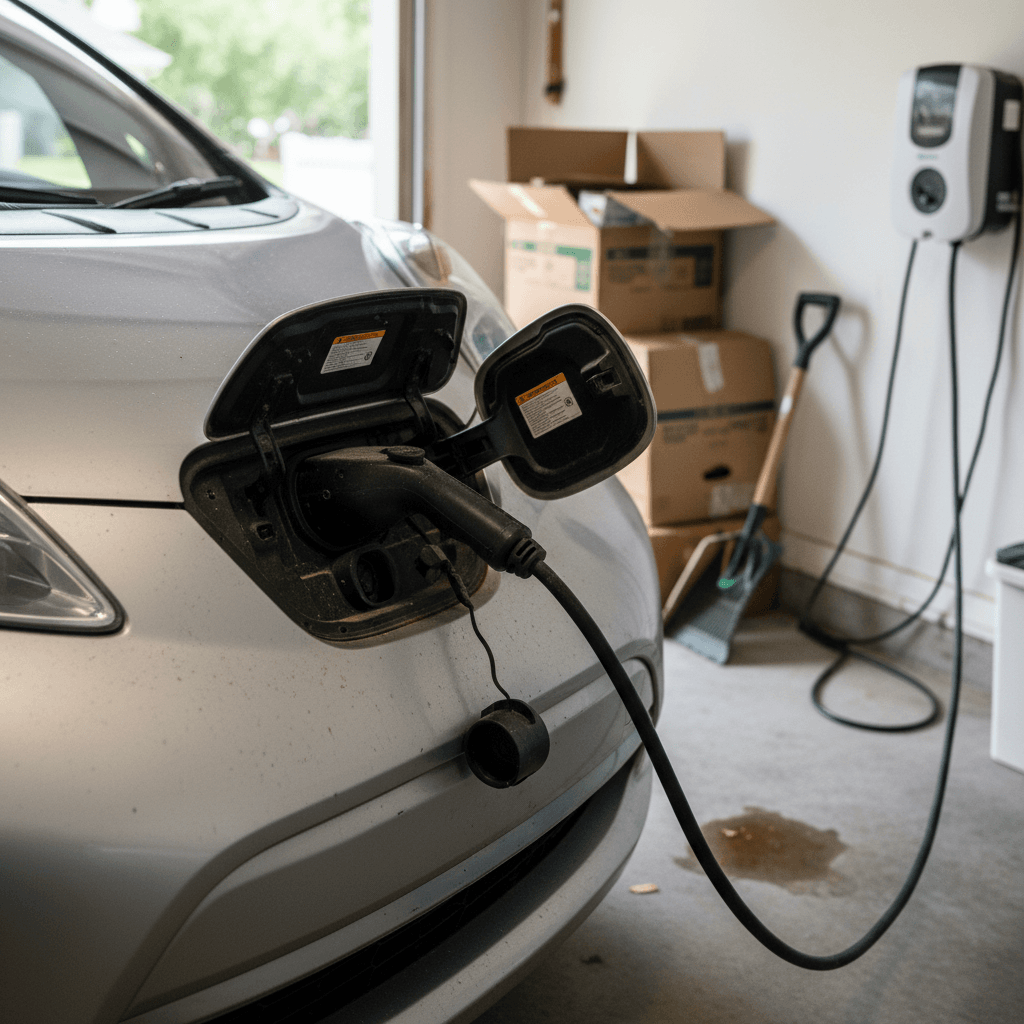
Battery anxiety replaces range anxiety the minute you start looking at used EVs. You don’t want to save $3,000 on the purchase and hand it all back in a premature battery replacement. The key is buying a car with verified battery health, not just a hopeful seller and a full charge.
Battery checks that save you real money
1. Look for objective battery health data
On Recharged, every vehicle includes a <strong>Recharged Score</strong> with independent battery diagnostics and degradation estimates, so you’re not guessing based on a dashboard bar graph.
2. Avoid cars that lived on fast charging
Frequent DC fast charging can age a pack faster. Ask for charging history if possible, and favor cars that mostly charged at home Level 2.
3. Compare health to model averages
A 10% drop in usable capacity on a 5‑year‑old EV might be normal. A 25% drop probably isn’t. Use buyer’s guides for your specific model to see what “healthy” looks like.
4. Check remaining battery warranty
Many EVs carry 8‑year battery warranties. A 6‑year‑old car with 2 years of battery coverage left is a very different bet than one that’s already aged out.
5. Test drive a full-to-low run
If you can, start the test drive near full and drive long enough to see how quickly the percentage drops. Wild swings or sudden drops can be a red flag.
Let someone else sweat the diagnostics
Local Virginia incentives and utility programs
Here’s the hard truth: as of early 2026, Virginia doesn’t have a big, statewide EV purchase rebate for individual drivers. The old proposal for a state EV grant program never really got off the ground. But that doesn’t mean there’s nothing on the table. The real money, for most drivers, sits with your electric utility and how you charge.
Common Virginia utility programs that affect EV costs
Programs change, but this gives you a sense of where to look for savings before and after you buy.
| Utility / Area | Program type | Typical benefit | How it saves you money |
|---|---|---|---|
| Dominion Energy Virginia | Home charger rebate / EV Charger Rewards | Examples have included ~$125 one‑time rebate plus ~$40/year bill credits for qualifying Level 2 chargers | Helps offset charger cost and rewards shifting charging to off‑peak hours. |
| Dominion Energy Virginia | Off‑Peak or time‑of‑use plans | Lower per‑kWh rates overnight, higher rates during peak hours | If you can push most charging to overnight, your “fuel” bill can drop substantially. |
| Appalachian Power (VA) | EV‑specific rebates and time‑of‑use rates | Past offerings have included $200+ charger rebates and cheaper overnight power tiers | Similar story: lower overnight charging costs cut your monthly fuel budget. |
| Municipal/co‑op utilities | Local pilots or grants | Occasional local rebates for chargers or public‑access charging | May cut installation costs for home or workplace chargers. |
Always confirm current details with your utility; offerings can change year to year.
Programs are moving targets
Recharged keeps up with these local twists in its regional content, like the Hampton Roads and Charlottesville EV rebate guides, so you don’t have to spend your Saturday digging through PDFs. Use those guides as a starting point, then double‑check the fine print with your utility.
Timing your purchase to save thousands
Buying an EV is like buying airline tickets: timing can quietly move the price up or down by thousands. In Virginia, the biggest timing levers are model‑year transitions, federal policy changes, and seasonal demand.
Smart timing plays for Virginia EV shoppers
You can’t control Congress, but you can control when you buy
Shop late in the model year
Look for price drops when new model years land. Dealers and marketplaces start discounting outgoing models and off‑lease returns show up in bigger numbers.
Buy in the “off season”
In Virginia, EV demand tends to spike in spring and early fall. Shopping in the heat of summer or dead of winter can give you more room to negotiate.
Watch federal rule changes
Some federal EV incentives are scheduled to phase down after 2025. If you’re counting on a specific credit, know the actual deadline, and have a backup plan.
Don’t wait forever
Financing strategies to cut your monthly payment
With rates bouncing around and incentives shifting, your financing is just as important as the sale price. A small change in interest rate or term can swing your monthly payment more than another $500 off the sticker.
Smart financing moves
- Get pre‑qualified first: Knowing your budget going in keeps you from stretching for the shiny new thing on the lot.
- Compare credit unions vs. dealer financing: Virginia credit unions often beat big‑box dealer rates, especially on used EVs.
- Shorter term, better car: It’s often smarter to buy a slightly cheaper EV and finance it for 60 months than to stretch a pricier model over 84.
How Recharged fits in
- Pre‑qualification with no hit to your score: Recharged lets you check your estimated rate and payment before you fall in love with a specific car.
- Payment‑first browsing: You can filter used EVs by target monthly payment, not just price, which is a lot closer to how most budgets really work.
- Transparent pricing: Every listing shows a fair‑market price benchmark so you can see if it’s a deal or just dealer talk.
Aim for “comfortable, not maxed out”
Where to buy in Virginia and what to watch for
Virginia buyers have three main paths: traditional franchised dealers, private‑party sales on classifieds and marketplaces, and specialist platforms like Recharged that focus on used EVs. Each comes with its own way to win, or lose, on cost.
Buying channels for Virginia EV shoppers
Pros and cons if you’re chasing value, not just convenience
Franchised dealerships
Pros: Test drives, trade‑in options, on‑site financing. Sometimes certified pre‑owned warranties.
Cons: Pricing can be opaque; not all sales teams understand EVs or Virginia‑specific incentives.
Private‑party sales
Pros: Potentially the lowest sticker price.
Cons: No financing help, no battery diagnostics, more risk if you guess wrong. You’ll need to line up your own inspection.
EV‑first marketplaces like Recharged
Pros: EV‑savvy support, battery health reports, transparent pricing, and digital paperwork. Trade‑in and nationwide delivery available from your couch.
Cons: You can’t kick the tires in person until delivery or a visit to the Richmond Experience Center.
Red flags that can cost you big
Checklist: how to save money buying an EV in Virginia
Your Virginia EV money‑saving game plan
1. Decide on your real range needs
Map your weekly drives around Virginia, commute, kids, errands, weekend trips. Many households realize they only need 150–200 miles of range, which opens the door to cheaper used EVs.
2. Start with used, then justify new
Make yourself prove why a new EV makes more financial sense than a well‑vetted used one. If you can’t, the used car probably wins.
3. Lock in your home‑charging plan
Before you buy, confirm you can install at least a 240‑volt outlet or wallbox at home, check for <strong>Dominion or Appalachian rebates</strong>, and price out the installation.
4. Get pre‑qualified for financing
Use Recharged or a Virginia credit union to see what you actually qualify for. Shop cars that fit that payment, not the other way around.
5. Insist on battery transparency
Only consider cars with clear battery health information. On Recharged, that’s built into the <strong>Recharged Score</strong>; elsewhere, ask for diagnostics or third‑party testing.
6. Run the full monthly budget
Add the loan payment, insurance quote, estimated electricity, and a little maintenance reserve. Compare that total to what you’re spending now on your gas car.
7. Time your buy if you can
If your current car isn’t on its last legs, aim for late‑model‑year discounts, off‑season pricing, or before a known federal rule change.
8. Factor in future resale
Stick to models with strong reputations and active charging support. That makes your eventual resale easier and protects the equity you’re building.
FAQ: Virginia EV buying on a budget
Frequently asked questions about saving money on an EV in Virginia
Bottom line: Saving money on an EV in Virginia
If you live in Virginia, saving money on an EV isn’t about chasing the biggest rebate, it’s about stacking a lot of smaller advantages. Buying a well‑vetted used EV, insisting on clear battery data, leveraging utility programs, and choosing smart financing can easily add up to thousands in savings over the life of the car.
You don’t have to decode every policy memo to make a good decision. Start with your real‑world driving, run the total monthly budget instead of fixating on sticker price, and use EV‑focused tools like Recharged’s Score Report, financing pre‑qualification, and expert support to keep you out of the weeds. Do that, and buying an EV in Virginia stops being a gamble, and starts looking like one of the savvier money moves you can make on four wheels.