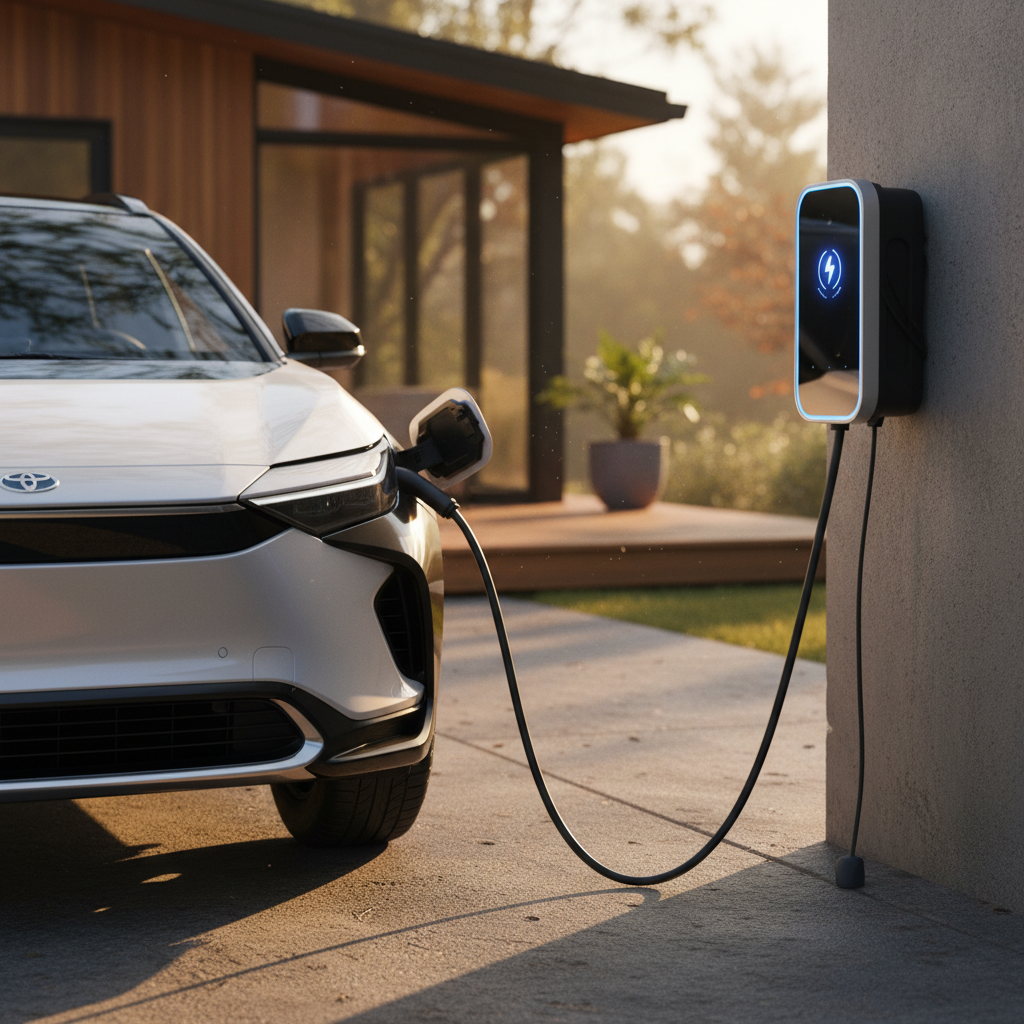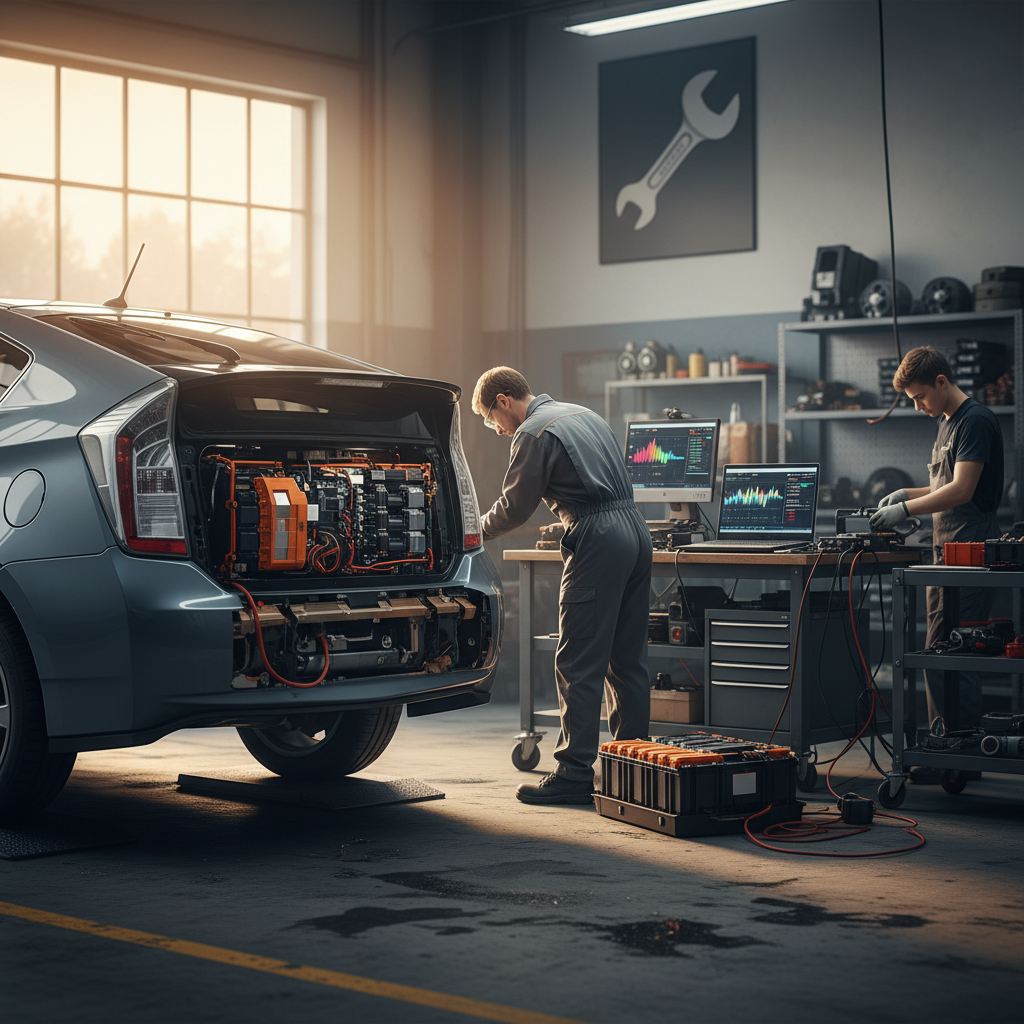
If you walk into used‑car negotiations like it’s 2015, you’re going to leave money on the table. Learning how to negotiate price on a used EV is different from haggling on a gas car, because battery health, fast‑charging history, software, and incentives all move the numbers. The good news: in 2026, buyers are in a strong position, and with a little prep you can negotiate confidently instead of guessing.
Why this matters now
Why negotiating a used EV is different in 2026
The used EV market you’re negotiating in
With gas cars, you’re mostly arguing about mileage, options, and condition. With used EVs, battery health, software, and charging capability can easily swing value by thousands of dollars. On top of that, federal and state incentives, dealer rebates, and changing interest rates have all pushed used EV pricing up and down over the last few years. Sellers often price to the market headline, “used EV prices are down”, but not to the specifics of their car. That’s where you step in.
Think like an appraiser
Step 1: Do your homework on used EV prices
Negotiation starts before you send a single text about a car. You need a clear picture of what similar used EVs are selling for in your area, and how this one compares. That way, every dollar you ask for is anchored in data, not vibes.
Where to research fair pricing for a used EV
Stack multiple data sources so you’re not negotiating blind
Online price guides
Use tools like Kelley Blue Book, Edmunds, and EV‑specific guides to get:
- Trade‑in, private party, and dealer retail values
- Adjustments for mileage, trim, and options
- A sanity check against wildly high asking prices
Local listings
Search multiple marketplaces for EVs similar in year, trim, mileage, and region:
- Save 5–10 comparable listings
- Note asking prices and time on market
- Track which sit unsold, that’s hidden leverage
EV‑specific insights
Look for EV‑focused guides like used EV price reports from Recharged. They can show:
- Which models are depreciating fastest
- Known problem years or trims
- How battery health changes value
Watch out for stale comps
When you’ve gathered your comps, come up with a realistic target range, for example, $19,000–$21,000 for a given car. Your first offer should be at the low end of that range, leaving room to move while still sounding reasonable when you show your research.
Step 2: Use battery health as your strongest leverage
With a gas car, a compression test is something only hardcore buyers ask about. With EVs, battery health is front and center. A car that’s lost 15–20% of its original capacity doesn’t deserve the same price as one that’s down just 5%, even if the odometers match.

- Ask for a recent battery health report, not just a dashboard guess at range.
- Look for documentation of fast‑charging habits and hot‑climate use, both affect degradation.
- Verify what portion of the original battery warranty is left and whether it transfers to you.
- Compare real‑world range (from the report or a test drive) to the original EPA rating.
How to use battery data in negotiation
Recharged includes a Recharged Score Report with every vehicle on our platform, including verified battery diagnostics. That gives both sides an objective baseline before you ever discuss numbers, which tends to shorten negotiations and reduce the awkward back‑and‑forth over what’s “normal.”
Step 3: Calculate the real out‑the‑door cost
You’re not just negotiating the headline price, you’re negotiating the entire cost to drive the car home. Dealers, especially, know that if they can keep you focused on the monthly payment, they can sneak profit back into fees, add‑ons, or finance terms.
What makes up your used EV "out‑the‑door" price?
Use this table as a worksheet when you’re talking numbers with a dealer or private seller.
| Item | Typical For | Can You Negotiate? | What to Watch For |
|---|---|---|---|
| Vehicle price | Dealer & private | Yes | Compare to comps and battery health |
| Doc & dealer fees | Mostly dealer | Partly | High “processing” or “market adjustment” fees |
| Registration & title | Both | No | Verify against your state’s DMV calculator |
| Sales tax | Both | No | Make sure the rate and taxable amount are correct |
| Add‑ons (warranty, protection) | Mostly dealer | Yes | Extended warranties, paint protection, accessory bundles |
| Financing costs | Mostly dealer | Yes | Interest rate, loan length, required add‑ons |
Don’t commit until you know every line item you’re actually paying.
Never negotiate from the monthly payment
Before you agree to anything, ask for a written buyer’s order or purchase agreement with every fee listed. That document is what you negotiate, not the number the salesperson scribbles on the corner of a brochure.
Step 4: Leverage EV incentives and tax credits in negotiation
For used EVs in the U.S., incentives can change the real cost dramatically. Through September 30, 2025, qualifying buyers could still get up to a $4,000 federal tax credit on certain used EV purchases. After that date, federal credits phase out, but some state and utility programs continue into 2026. The key is understanding whether an advertised “deal” already bakes in those incentives, or leaves money on the table for you.
When incentives help you negotiate
- If a dealer is not registered for point‑of‑sale rebates, you may be the one filing for credits later. That’s extra hassle and risk for you, use it to argue for a lower price.
- If an incentive is set to expire soon, unsold EVs that still qualify become time‑sensitive for the seller. That deadline is leverage.
- Utility rebates for home chargers can ease your total budget, letting you push harder on the vehicle price.
When incentives mainly help the seller
- If the dealer gets an instant rebate at sale, they may advertise a low "after incentive" price while keeping the pre‑incentive number high.
- Some ads combine manufacturer discounts with tax credits in tiny print. Separate those numbers when you compare offers.
- If a seller insists “you’re getting a $X credit anyway,” remind them that incentives don’t change what the car is actually worth.
One sentence that keeps incentives in their place
Recharged’s listings clearly separate vehicle price from any potential incentives, and our team can help you understand what you’re eligible for today, especially as federal credits phase down after 2025 and state rules keep shifting.
Step 5: Negotiate differently with dealers vs. private sellers
You can negotiate hard with both dealers and private sellers, but they care about different things. Understanding their motivations helps you decide where to push, where to compromise, and when to walk away.
Dealer vs. private party: different games, different plays
Same EV, very different negotiation dynamics
Franchise or independent dealer
- More room to discount price but more fees to watch.
- May inflate value of your trade‑in and overcharge on the EV.
- Has access to financing and extended warranties.
- Negotiation levers: price, fees, trade‑in, rate, add‑ons.
At a dealer, your power comes from knowing the real numbers and being willing to leave if the out‑the‑door price doesn’t match.
Private seller
- Usually fewer fees and a lower starting price.
- Often more emotional attachment to the car.
- Limited knowledge of battery health and incentives.
- Negotiation levers: price, timing, included extras (cables, tires).
With private sellers, your power comes from education, help them see why your offer is fair based on battery reports and market data.
Where Recharged fits
Ready to find your next EV?
Browse VehiclesStep 6: Use your trade‑in and financing as tools, not distractions
Dealers love to mix your trade‑in, financing, and price into one big stew. That’s profitable for them and confusing for you. To stay in control, you want to separate each piece and negotiate them one at a time.
Smart sequence for negotiating at a dealer
1. Lock in the EV’s out‑the‑door price first
Make it clear you’re talking about this EV’s total price, including fees, but not your trade or financing yet. Get that on paper before moving on.
2. Get a real offer for your trade‑in
Ask for the dealer’s written offer. Then compare it to instant‑offer tools and local listings. If the gap is big, you can negotiate the trade‑in value or plan to sell your old car separately.
3. Compare financing options
Walk in with a pre‑approval from a bank or credit union so you know what a good rate looks like. If the dealer can beat it without strings attached, great; if not, you already have a backup.
4. Watch for "bundled" deals
If the dealer only gives you the best price when you use their financing or buy extras, run the math. Sometimes a lower price plus a high interest rate costs more than a higher price with a cheap loan.
Don’t trade price for payment
Recharged can help you pre‑qualify for financing with no impact to your credit. Knowing your budget and rate range before you negotiate keeps the conversation grounded in reality instead of wishful thinking.
Step 7: Scripts and counteroffers you can actually use
You don’t need to be a born haggler to negotiate a used EV well. You just need a few simple phrases that keep the tone calm, the focus on facts, and the leverage on your side.
Opening offer script
You: “Thanks for sharing the details. Based on the battery report, mileage, and what similar cars are listing for around here, I’d be comfortable at $X out‑the‑door. If we can get close to that, I’m ready to move quickly.”
This shows you’ve done your homework, you’re serious, and you’re talking about the total price, not just the sticker.
Using battery health as a lever
You: “This model typically loses about 8–10% of its capacity by this mileage. This one’s already at 15%, which means less range today and a lower resale later. I’m willing to buy it, but that’s why my offer is $Y below what clean‑battery cars are going for.”
You’re not accusing the seller of hiding anything, you’re translating battery data into dollars.
When the seller says, "We can’t go that low"
You: “I understand you have to make the numbers work. Here are three similar cars I’m looking at, all priced around my offer. If we can get within a few hundred dollars of that, I’d rather buy this one today than keep shopping.”
You’re reminding them that you have options and you’re willing to walk, but you prefer not to.
When they focus on monthly payment
You: “The payment matters, but what I really need to know is the full out‑the‑door price and the interest rate. Once we’re aligned on that, we can talk about structuring the payment.”
This steers the conversation back to the number you can actually compare across offers.
Aim for firm, not combative
Step 8: Red flags, and when to walk away
The only thing worse than overpaying is overpaying for a problem. If the seller won’t give you the information you need, or keeps moving the goalposts, your best negotiating move is often to say “no thanks” and mean it.
- Seller refuses to provide battery health documentation or dodges questions about fast‑charging history.
- Listed range seems far lower than what that model should get at its age and mileage.
- Dealer won’t show you a complete buyer’s order with every fee before you talk about financing.
- Pressure tactics: “This price is only good today,” “We have three other buyers coming,” or “You’ll never find another deal like this.”
- Add‑ons you didn’t ask for, extended warranties, protection packages, accessories, sneak back onto the paperwork after you declined them.
- You feel rushed, confused, or unable to pause and think through the numbers.
Your walk‑away line
Used EV negotiation checklist
Quick checklist: how to negotiate price on a used EV
Research real‑world prices
Pull values from at least two pricing guides plus 5–10 local listings for similar EVs. Decide on a realistic target range before you contact any seller.
Secure or estimate your financing
Get pre‑approved or at least estimate your payment at different price points so you know what “affordable” actually means for your budget.
Demand battery health documentation
Get a recent battery health report, not just a guess at range. Use tools like a Recharged Score Report whenever possible.
Price in incentives, but don’t rely on them
Know which federal, state, or utility incentives might apply, and keep them separate from your idea of fair market price.
Negotiate the out‑the‑door price
Insist on seeing every fee and tax. Negotiate total cost before you discuss trade‑in or monthly payment.
Use simple, calm scripts
Prepare two or three phrases you’re comfortable saying when you make your offer, respond to pushback, or decide to walk away.
Trust your gut, and your homework
If a deal doesn’t feel right or the numbers don’t add up, move on. Your research will make the next negotiation easier.
FAQ: Negotiating the price of a used EV
Frequently asked questions about negotiating used EV prices
Negotiating the price on a used EV in 2026 isn’t about being the loudest voice in the room. It’s about walking in with better information than the average buyer and calmly insisting that the deal reflect it. When you understand how battery health, incentives, and out‑the‑door costs really work, you don’t have to “win” a fight, you just have to stick to your homework. And if you’d rather spend your energy choosing the right car than decoding the fine print, browsing used EVs on Recharged, with verified battery reports, transparent pricing, and EV‑savvy support, can make the whole process feel a lot less like combat and a lot more like smart shopping.