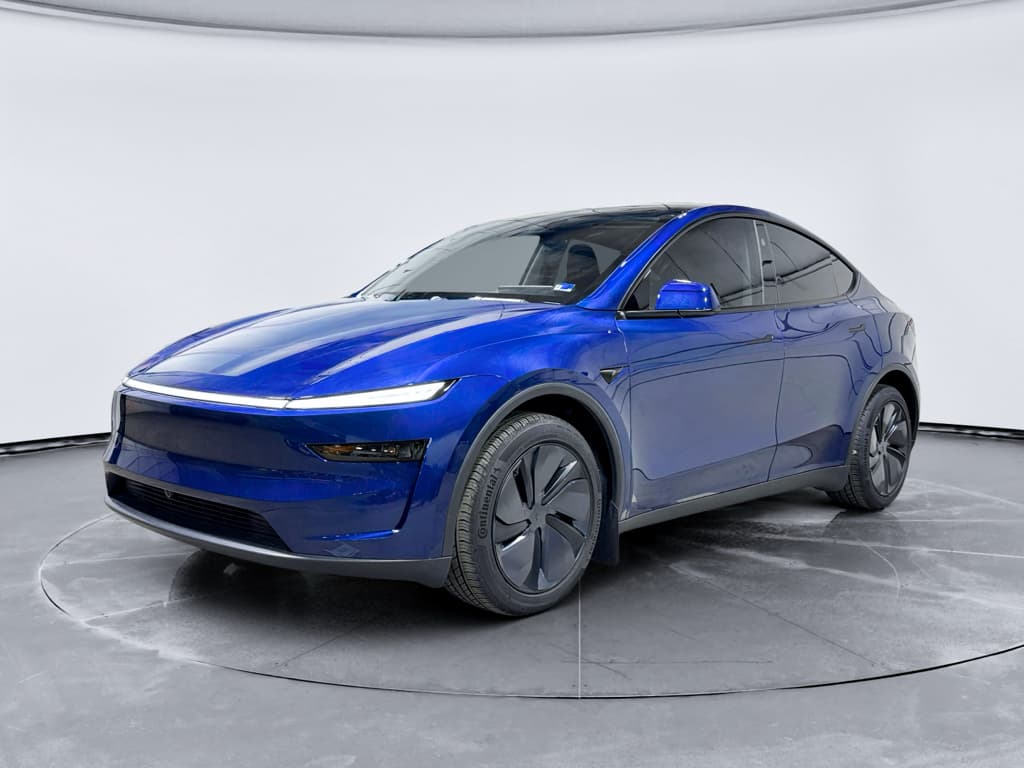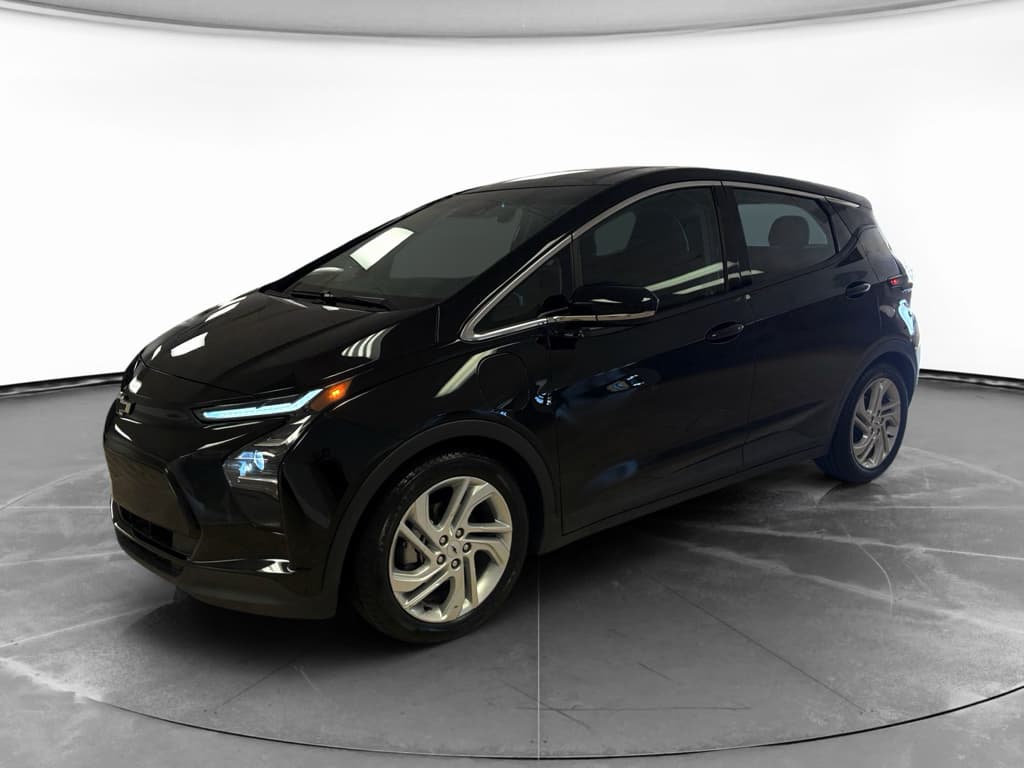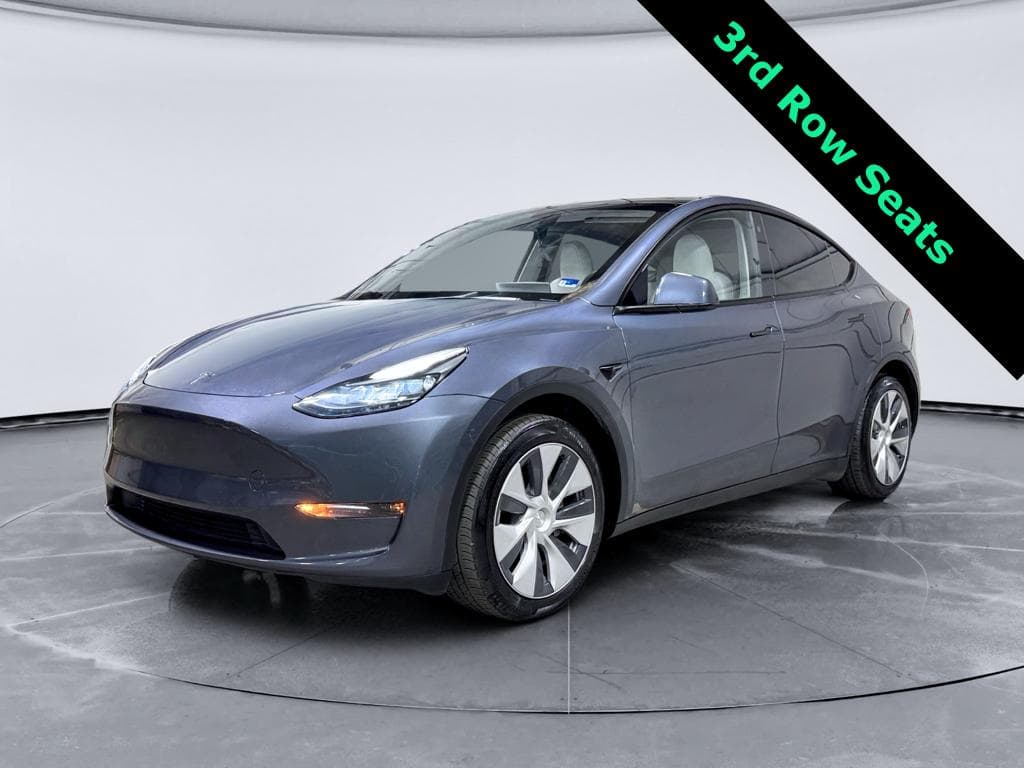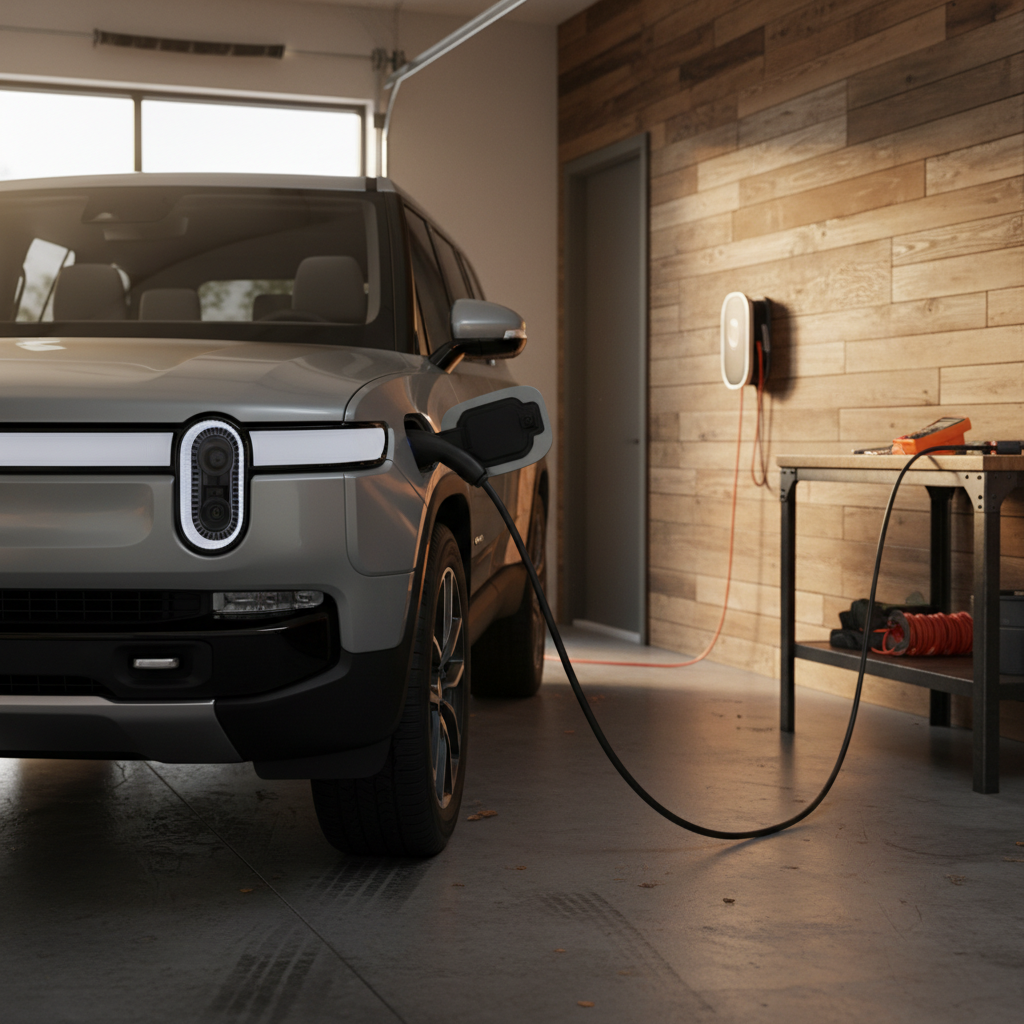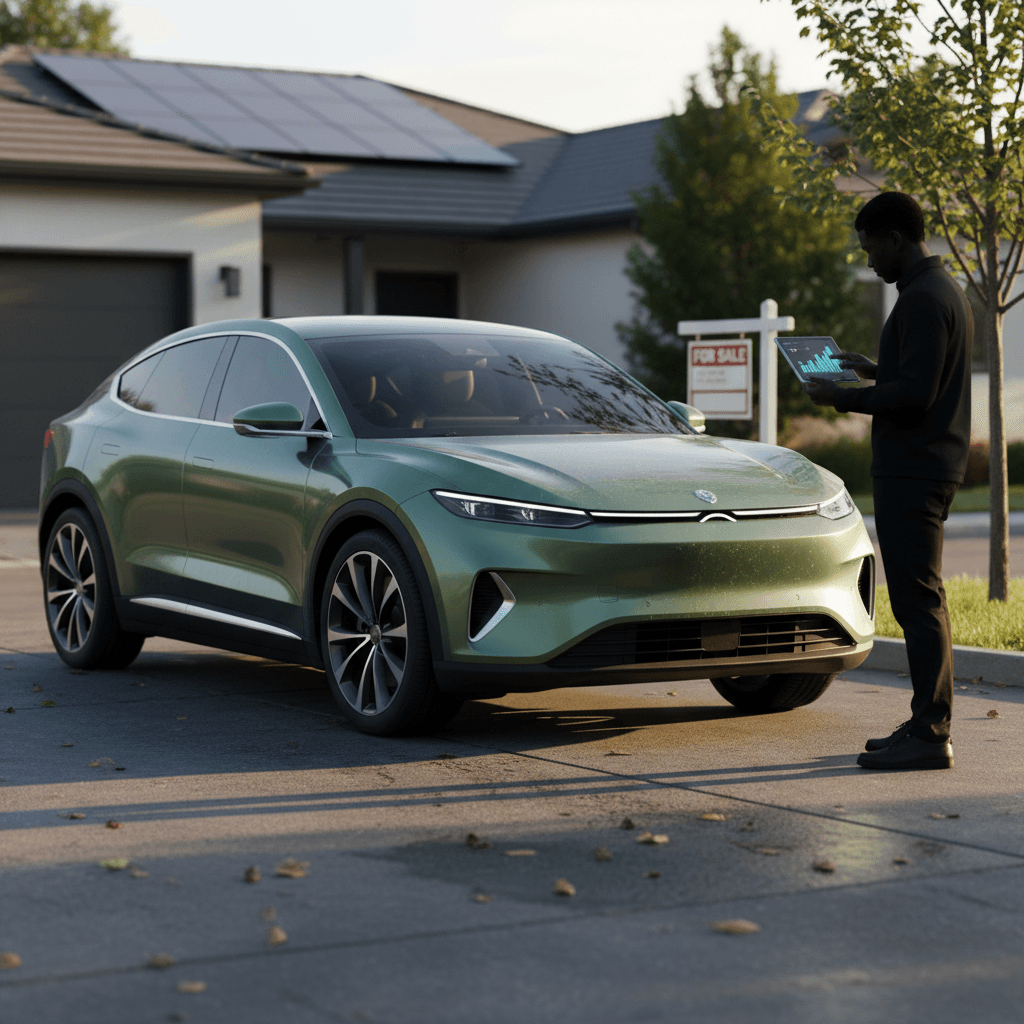
If you feel like your electric car has lost value faster than you expected, you’re not imagining it. In 2024 and 2025, many used EVs dropped more than 15–30% year-over-year, and some Teslas saw price cuts north of 30%. That’s the bad news. The good news is that in 2026, demand for used EVs is finally catching up, and with the right strategy, you can still get the best possible price when selling your electric car.
The used EV moment
Why getting the best price for an EV feels different
Selling an electric car is not quite like selling a gas car. Depreciation has been steeper for many EVs over the last few years because of falling new-vehicle prices, faster tech changes, and fear about battery life. At the same time, EVs are cheaper to run and maintain than gas cars, so smart buyers are willing to pay more if you can prove your car’s battery health and give them confidence about ownership costs.
EV resale realities to keep in mind
Your job as a seller is to counter the scary headlines with proof: proof your battery is healthy, proof your car was cared for, and proof your price is fair. Do that well, and you’ll stand out in a crowded used-EV market.
Step 1: Know what your electric car is actually worth
Before you clean a thing or snap a single photo, you need a realistic view of your EV’s market value. Electric cars don’t all depreciate the same way, some Teslas and long-range crossovers hold up well, while early, short-range models fall faster.
Three ways to research your EV’s value
Use more than one source so you’re not leaving money, or time, on the table.
1. Online valuation tools
Start with mainstream pricing tools that now factor in EV depreciation trends:
- Enter exact trim, mileage, and options.
- Compare trade-in, private-party, and instant cash values.
- Note that many tools still lag fast-moving EV prices by a few months.
2. Real listings, not just estimates
Search used-car marketplaces and EV-specific sites for:
- Same model year and trim, similar miles.
- How long cars have been listed.
- Price cuts over time (watch cars you bookmark).
Actual asking prices, and how quickly cars disappear, tell you where the real market is.
3. Instant offers & trade-in quotes
Get real offers from multiple buyers:
- Online car-buying sites and dealer trade-in tools.
- EV-focused platforms like Recharged that understand battery value.
These give you a firm floor price so you know when a private offer is truly better.
Anchor your expectations to EVs, not gas cars
How different selling channels typically pay
These are general patterns for well-kept used EVs; your numbers will vary by model, mileage, and market.
| Selling channel | Typical price vs. private sale | Time & effort | Best for |
|---|---|---|---|
| Dealer trade-in | -10% to -20% | Fast, minimal effort | Buying another car and want sales tax savings |
| Instant cash offer site | -5% to -15% | Fast, some photo/upload effort | Need cash quickly with less hassle |
| Consignment marketplace | -0% to -10% | Moderate, shared with partner | Maximizing price without handling everything yourself |
| Private sale | Baseline (100%) | Highest effort | You’re willing to handle marketing, screening, and paperwork |
Understanding the trade-off between convenience and top-dollar can help you decide where to sell.
Step 2: Make your EV look and drive like money
You can’t change yesterday’s depreciation chart, but you can absolutely change how a buyer feels the moment they see and drive your car. That emotional response, "this feels new" vs. "this feels tired", is often worth thousands of dollars and a much quicker sale.
Pre-sale prep checklist for top dollar
1. Fix the cheap stuff first
Touch up curb-rash on wheels, replace cracked wiper blades, fix broken trim clips, and clear dashboard warning lights that are simple maintenance items. On an EV, make sure tire pressures are correct and there are no odd suspension noises.
2. Make range numbers look impressive
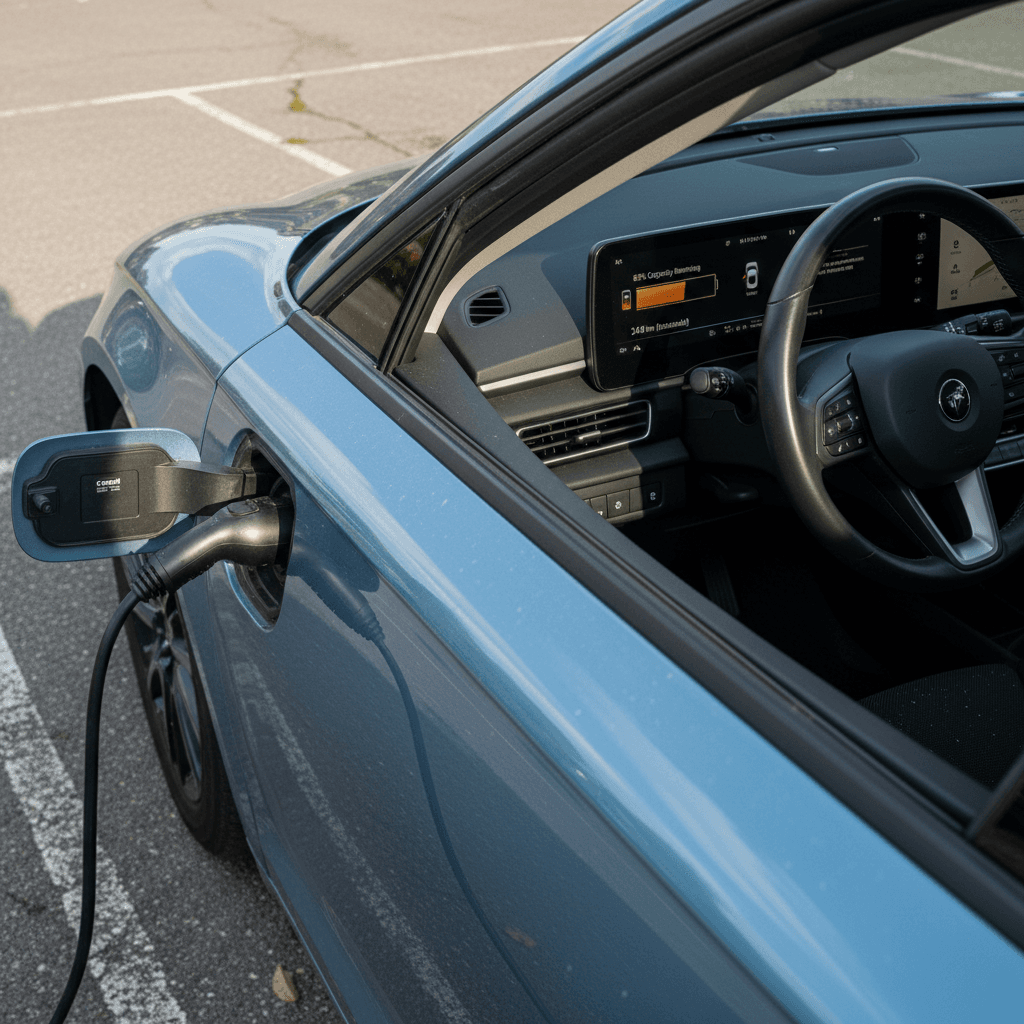
Fully charge the car before photos and test drives. A healthy displayed range close to original EPA numbers reassures buyers; a nearly empty battery or low range number does the opposite.
3. Detail inside and out
Buyers forgive mileage faster than they forgive grime. Deep-clean seats and carpets, wipe down all touch screens and glossy surfaces, de-smudge the steering wheel, and wash and wax the exterior. Clean charge port doors and handles, EV shoppers notice.
4. Put all charging gear in one neat kit
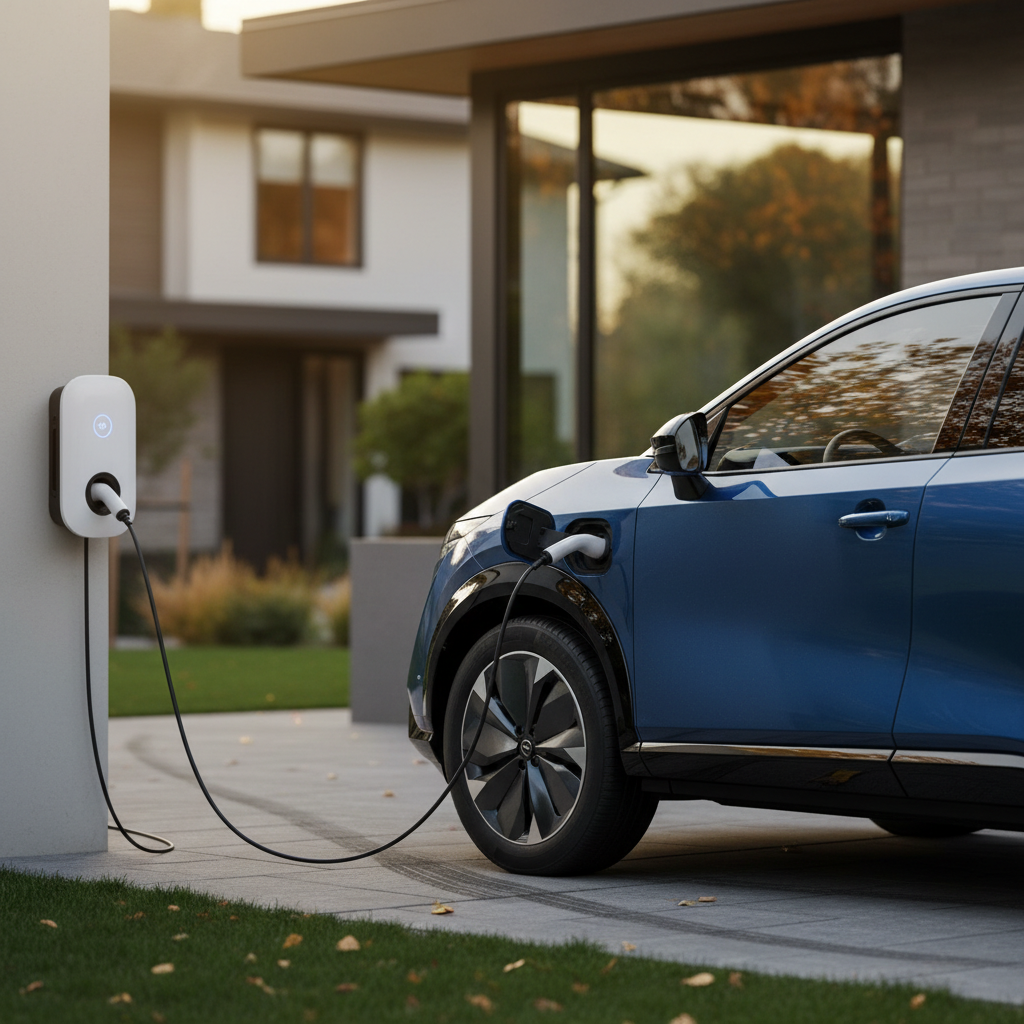
Include the mobile charger, adapters, and any wall-box documentation. Coil cables neatly. A complete, organized charging kit telegraphs that the car was owned by someone who cared.
5. Organize digital records
Download service history from the app or dealer portal, gather tire receipts, recall documentation, and any battery or high-voltage work. Put it all in a single PDF or folder you can share instantly.
6. Resolve obvious software issues
If your car allows over-the-air updates, install them before listing. Clear error messages that can be solved with simple resets, and verify that key features like driver-assist systems and the rear camera are working.
Think twice before big repairs right before sale
Step 3: Prove your battery health to justify top dollar
For a used EV, the battery is the story. Buyers don’t want vague assurances; they want data. In 2026, as EV depreciation headlines keep coming, the sellers who can show clear, independent battery reports consistently win better offers.
What buyers are afraid of
- Shortened range: A 300-mile car that now struggles to do 200.
- Out-of-warranty packs: Fear of a five-figure repair bill.
- Hidden fast-charging abuse: Constant DC fast charging that may have aged the pack faster.
If you can’t answer battery questions clearly, serious buyers either walk away or hammer you on price.
How to show real battery data
- Use onboard menus or apps that display State of Health (SoH) or full-charge range.
- Have a third party run diagnostics with tools designed for your model.
- Sell through platforms like Recharged that include a Recharged Score battery health report with every vehicle.
Independent data makes your asking price feel rational, not hopeful.
How Recharged helps your EV stand out
Ready to find your next EV?
Browse VehiclesStep 4: Choose the best way to sell your electric car
You’ve cleaned the car and gathered your data. Now you have to decide how you want to turn it into money. With EVs, your choice of selling lane matters even more, because some buyers and dealers still haven’t caught up to how to value them.
Four main ways to sell your EV
Each path trades some combination of price, risk, and effort.
1. Dealer trade-in
Pros: Fastest, easiest, often saves sales tax when you’re buying another vehicle.
Cons: Many dealers still undervalue EVs, especially short-range or first-generation models.
Best for: You want one-stop convenience and are okay leaving some money on the table.
2. EV-specialist marketplace (like Recharged)
Pros: Buyers who actually want EVs, listings that highlight battery health, and support from EV experts. Options like trade-in, instant offer, or consignment.
Cons: You’ll share a small fee or margin for the help.
Best for: You want near-private-sale pricing without handling every message and showing.
3. Private sale
Pros: Highest potential price if you market the car well and are patient.
Cons: You handle everything: photos, listings, tire-kickers, test drives, and paperwork.
Best for: You’re comfortable screening buyers and explaining EVs to people new to them.
4. Instant cash or bulk-buying sites
Pros: Very fast offers, often within minutes, with pickup included.
Cons: Lowest typical prices, especially for niche or older EVs those buyers don’t understand well.
Best for: You need cash now or are offloading a rough or high-mileage car.
Consider consignment if you hate selling but love money
Pricing strategies that work in 2026’s used-EV market
Once you’ve picked your selling lane, you still have to pick your number. In a market where some EVs are still drifting downward in price, underpricing by thousands is painful, but overpricing can strand your listing for weeks until buyers assume "something’s wrong."
- Start slightly above the middle of comparable listings that have actually sold or disappeared, not the stale ones still sitting there.
- If you have a strong battery-health story and full charging kit, price at the top of that range, you’ve earned it.
- Watch views and messages closely in the first 7–10 days; if there’s only crickets, plan a small step-down, not a big panic drop.
- Use round numbers that make sense (for example, $27,900, not $27,137). Buyers read oddly precise prices as "dealer math."
- Always keep one fallback: a trade-in or instant-offer quote you’re willing to accept if private interest is weaker than expected.
Sample pricing moves for a realistic used EV
How a calm, step-down pricing plan looks in practice for a well-kept, mid-market EV.
| Scenario | Initial ask | If little interest after 10–14 days | Last-resort floor |
|---|---|---|---|
| Popular long-range crossover | $31,500 | $29,900 | $28,000 (instant-offer floor) |
| Shorter-range city EV | $17,900 | $16,500 | $15,000 (trade-in or wholesaler) |
| Older Tesla sedan with high miles | $24,500 | $22,900 | $21,000 (cash buyer or dealer) |
These examples assume strong prep, good photos, and a documented battery-health story.
Don’t chase yesterday’s prices
Timing, taxes, and incentives that affect your sale
Timing an EV sale used to be all about new-model launches and winter range anxiety. In 2026, you also have to think about tax changes and the flood of off-lease EVs hitting the market.
Three timing factors that can move your net price
Sometimes the calendar matters as much as mileage.
1. Model-year and facelift timing
Newer software, longer-range battery packs, or refreshed styling can push older versions down quickly.
If a big update has just hit dealers, be realistic, buyers know it.
2. Season and weather
In colder climates, range anxiety gets worse in winter. Listing in early spring often showcases better displayed range and nicer test drives.
In hot regions, highlight battery-cooling tech and good summer behavior.
3. Tax and policy changes
Federal EV purchase tax credits for buyers ended in late 2025, but state and utility incentives can still shape demand for certain models.
Check current local rules; demand can bump near incentive deadlines.
Talk to a tax professional if you’re unsure
EVs that hold value better, and what to highlight
Not all EVs are equal in the resale arena. In general, longer-range, SUV-shaped, and brand-trusted models are doing better in 2026 than short-range city cars or niche luxury experiments. If you own a stronger-resale EV, lean hard into the qualities that make it desirable.
Features and stories that support a higher price
These signals help your listing rise above the noise.
High usable range
If your car still shows a comfortable commute plus weekend range, say so clearly:
- Note original EPA range and current observed range.
- Describe your typical use: city, highway, or mixed.
Warranty left on the battery
Many EVs carry 8-year battery warranties. If you’re inside that window:
- State the date and mileage of warranty end.
- Mention any battery or drive-unit warranty repairs already completed.
Gentle ownership story
Buyers like boring, in the best way:
- One or two owners, no rideshare or fleet use.
- Mostly home charging on Level 2.
- Garage-kept in mild climates when possible.
“With a used EV, the difference between a vague listing and a specific, data-backed advertisement can easily swing the sale price by several thousand dollars.”
Common mistakes that cost EV sellers thousands
Most sellers don’t lose money because of one giant mistake. They bleed it away in small ways, poor photos, missing chargers, or answering battery questions with "it’s fine." Avoid these, and you’re already ahead of the pack.
Mistakes to avoid when selling your electric car
Skipping real photos of the charging setup
Buyers want to see the wall box, mobile connector, and adapters. A listing with only generic stock images feels like a gamble, and they’ll price that risk in.
Hiding battery concerns instead of explaining them
If your displayed range has dropped noticeably, address it head-on: share recent road-trip numbers, confirm there are no fault codes, and explain your charging habits. Silence makes buyers imagine the worst.
Leaving software and maps outdated
An EV with old maps, missing features, or uninstalled updates feels neglected. Spend the time on Wi‑Fi before you list, it costs nothing and makes the car feel years newer.
Underestimating EV-unique paperwork
Features like paid connectivity, driver-assist packages, or transferable subscriptions can add value, but only if you list them clearly and confirm whether they follow the car to the next owner.
Forgetting the sales tax angle on trade-ins
If you’re buying another vehicle, a lower trade-in price may still beat a higher private sale once you factor in sales-tax savings in your state. Run the math instead of assuming.
Never misrepresent battery or accident history
FAQ: Selling your electric car for the best price
Frequently asked questions
Key takeaways: Your simple plan to get the best price
Used EV prices in 2026 may not look like the glossy brochures from the day you bought your car, but that doesn’t mean you’re powerless. If you want to get the best price selling your electric car, start by grounding yourself in today’s market, not yesterday’s. Prep the car so it looks and feels loved, back your asking price with real battery data, choose the selling channel that matches your tolerance for hassle, and adjust your price with a calm, stepwise plan instead of panic cuts.
If all of that sounds like a lot to juggle, you don’t have to do it alone. An EV-focused partner like Recharged can help with fair-market pricing, battery diagnostics, financing for your buyer, and even nationwide delivery, so you keep more of your car’s value without turning into a full-time salesperson. However you choose to sell, the combination of transparency, preparation, and realistic pricing will do more for your bottom line than any one "magic number."