If you’re shopping for a used electric car, knowing how to check if an EV was in an accident is just as important as understanding battery health or range. A fender‑bender with quality repairs isn’t the end of the world, but hidden collision damage, especially around the **battery pack** or structure, can turn a good deal into an expensive mistake.
Accidents and EV safety
Why accident history matters more for EVs
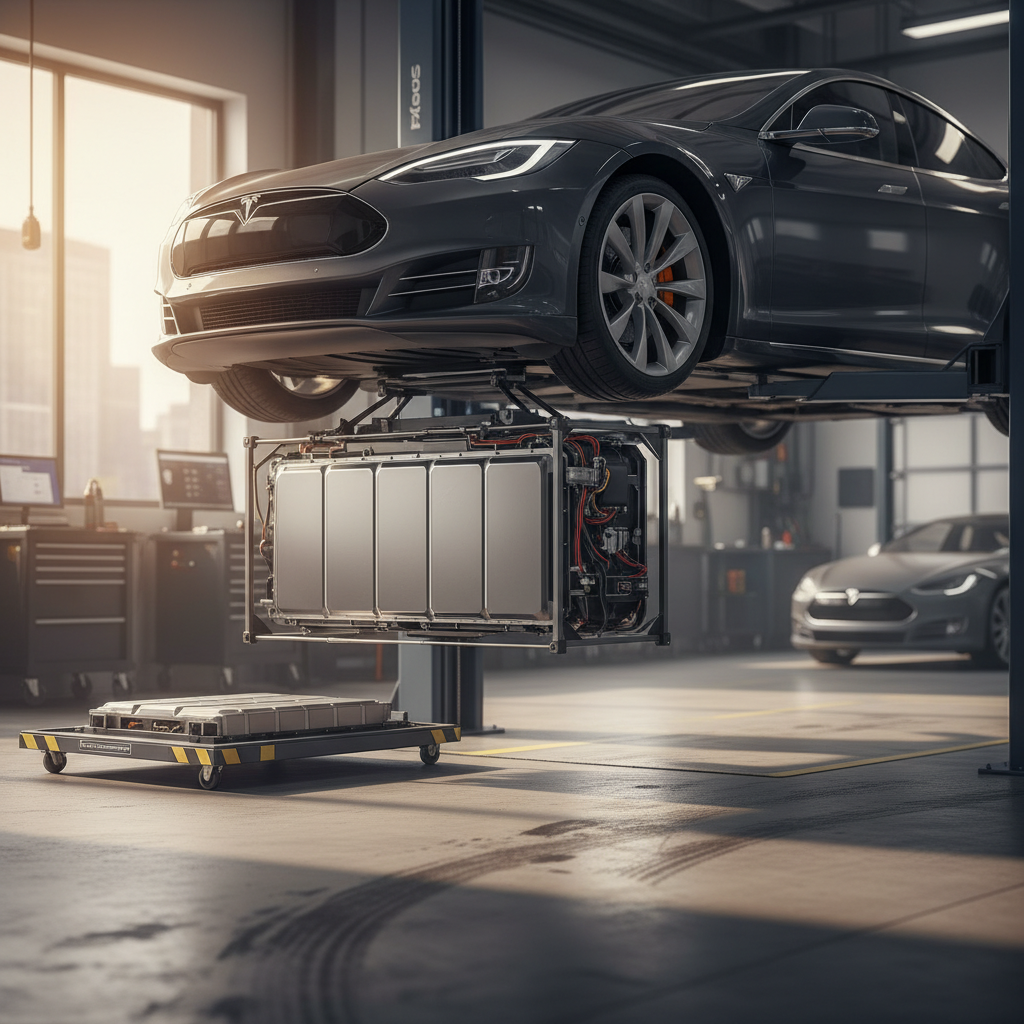
On a gas car, a poorly repaired accident might mean squeaks, rattles, bad alignment, and reduced crash protection. On an EV, all of that still applies, but you add an expensive, high‑voltage battery and complex electronics to the mix. A serious crash can damage the **battery enclosure, cooling system, or high‑voltage wiring**, and those repairs must be done to exacting standards.
How past accidents can affect a used EV
Not every collision is a deal‑breaker, but you need to know what you’re buying.
Safety & crash protection
Battery health & fire risk
Resale value & insurability
Be wary of bargain EVs with vague stories
Start with the paper trail: titles, history reports, and recalls
Before you even pop the hood or plug in a charger, start by building the car’s paper trail. That’s the fastest way to see if an EV has been in an accident, totaled, or written off as a loss by an insurance company.
Key documents that reveal EV accident history
Use these sources together; no single report catches everything.
| What to check | What it can tell you | What to watch for |
|---|---|---|
| Title status (state DMV or registry) | Current title brand, prior brands, ownership changes | "Salvage," "rebuilt," "flood," "lemon," or frequent title jumps in a short time frame. |
| Vehicle history services (Carfax, AutoCheck, NMVTIS‑based reports) | Reported crashes, airbag deployments, structural repairs, odometer records | Multiple accidents, structural damage labels, total‑loss history, or gaps in registration. |
| Insurance & repair invoices (if available) | What was replaced, where repairs were done, OEM vs aftermarket parts | Battery, high‑voltage components, or structural parts replaced at non‑specialist shops. |
| Recall & campaign check (manufacturer site, NHTSA) | Open recalls or service campaigns, including battery or safety updates | Unrepaired safety recalls, especially related to **battery or high‑voltage systems**. |
Documents to review before inspecting the car in person.
Always run more than one check
Visual walkaround: how to spot accident clues
Once the paperwork looks acceptable, it’s time to walk around the car and look for the kind of clues body shops and detailers can’t fully hide. Take your time, use good lighting, and don’t be afraid to crouch down or run your hand over panels.
- Panel gaps and alignment: Factory panel gaps are even and consistent. Look along hood edges, around doors, and where bumpers meet fenders. Uneven gaps or panels that sit slightly high or low often mean collision repair.
- Mismatched paint or texture: Look for slight color shifts between panels, overspray on rubber seals or in door jambs, and rougher "orange‑peel" texture on one panel compared with the next.
- New parts where you wouldn’t expect them: Brand‑new headlamps or a fresh bumper on an otherwise older car can be a hint of a prior front or rear impact.
- Glass date codes: Check the small etched date codes in the windshield and windows. One piece much newer than the others can signal replacement after a crash.
- Tricky doors and lids: Doors, hatches, and charging doors should open and close cleanly. If you have to slam a door or liftgate, or it doesn’t sit flush, the body may be slightly twisted.
Use reflections to your advantage
Checking for structural and frame damage on an EV
On modern EVs, the battery pack is usually a stressed part of the structure. That means **serious frame or unibody damage** can affect both safety and how the battery sits in the vehicle. You won’t diagnose this perfectly in a driveway, but you can spot red flags.
Quick structural checks any shopper can do
You don’t need a lift to catch the big warning signs.
Under‑car and wheel‑well check
Stance and “lean” check
Think twice about badly bent or welded structures
EV-specific red flags: battery pack and high-voltage safety
Internal‑combustion shoppers rarely think about fuel‑tank damage. With EVs, you must think the same way about the **battery pack and high‑voltage components**. A hard impact to the floor, rocker panels, or underbody can damage the pack or its cooling system, sometimes without obvious exterior clues.
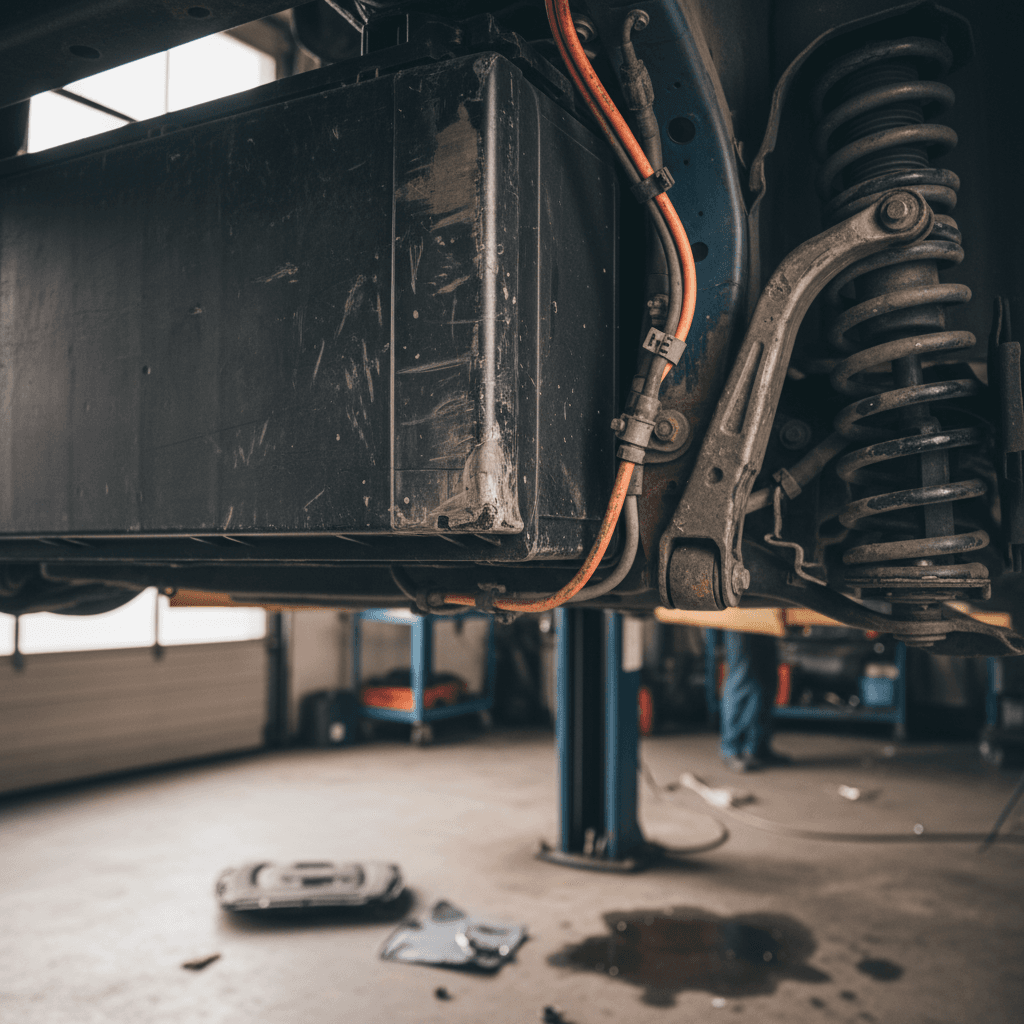
- Battery enclosure and underbody: If you can safely look under the car, check the battery case for dents, scrapes, or fresh sealant. Light cosmetic scrapes from road debris are common; deep gouges, punctures, or repairs around seams are not.
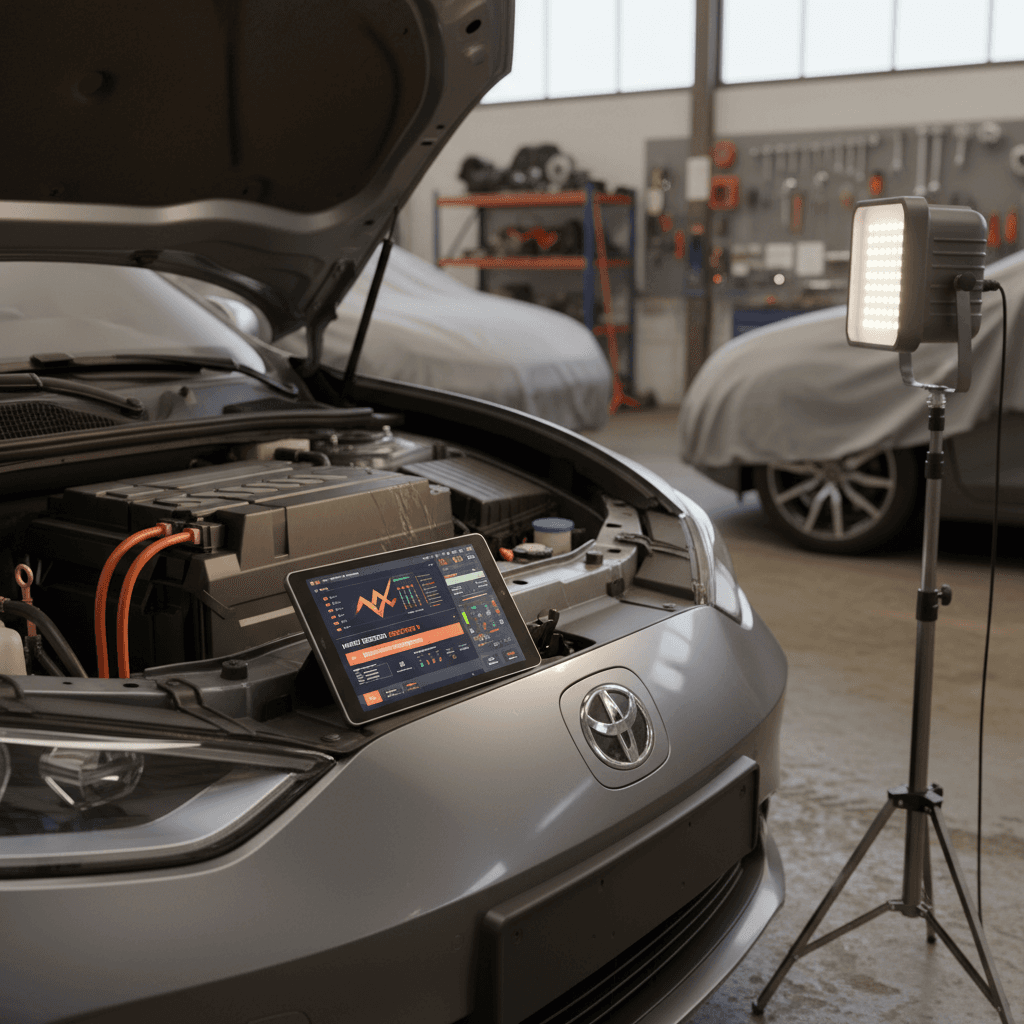
- Range and battery health readings: Compare the displayed range at 100% charge to the model’s original EPA range. A modest drop can be normal age‑related degradation. A large drop, especially on a relatively new EV, could hint at battery damage or a replaced pack that isn’t performing correctly.
- Warning lights or persistent alerts: Dashboard warnings for battery, powertrain, or high‑voltage systems should never be dismissed as “just a sensor.” They can be the only visible sign of collision‑related electrical damage.
- Charging behavior: The car should accept AC charging and, if equipped, DC fast charging without repeated faults or unexplained charging stops. If the seller avoids fast‑charging or claims the port is "finicky," investigate further.
Battery damage isn’t just an expense issue
Test drive signs the EV was in a crash
A careful test drive will often confirm what your eyes are already telling you. Because EVs are so quiet, you can hear rattles, wind noise, and suspension issues that might be masked by engine sound in a gas car.
- Steering pull or off‑center wheel: On a straight, flat road, the car should track straight with the steering wheel centered. A pull to one side or a crooked wheel often means alignment or suspension issues from past damage.
- Unusual noises: Listen for clunks over bumps, creaks from the roof or pillars, or wind noise around one specific door or window. All can be signs of structural or bodywork problems.
- Braking feel: Regenerative braking should be smooth and predictable. If the car darts or pulls under braking, or the pedal feel is inconsistent, there may be deeper issues.
- Ride quality: A crashed and poorly repaired car can feel harsh, jittery, or unstable at highway speeds, especially if the subframes or suspension mounting points are slightly out of square.
When to get a professional EV inspection
If you’ve found minor cosmetic clues or just want peace of mind, the next step is a **third‑party inspection by a shop that understands EVs**. This is particularly important on cars with any accident history noted in reports, or when you suspect underbody or battery damage.
What a general pre‑purchase inspection covers
- Body, paint, panel gaps, and obvious collision repairs.
- Suspension wear, alignment clues, and brake condition.
- Interior function, electronics, and basic safety features.
- Scan for generic fault codes (if the shop has the tools).
What an EV‑specialist inspection adds
- Battery health tests and state‑of‑health estimates.
- High‑voltage system checks and thermal management inspection.
- Detailed underbody and battery‑enclosure inspection on a lift.
- Brand‑specific software scans for crash or airbag events.
This is the level of detail you want if the EV has any hint of past collision damage.
Inspection cost vs. potential losses
Using a Recharged Score Report instead of guesswork
If you’d rather not become a body‑shop detective, this is where buying from a specialized used‑EV marketplace like Recharged can simplify your life. Every vehicle on Recharged includes a **Recharged Score Report**, a comprehensive, standardized look at the car’s condition you usually won’t get from private sellers or traditional used‑car lots.
How a Recharged Score helps you evaluate past accidents
Objective data beats seller stories every time.
Verified history & title checks
Battery health diagnostics
EV‑specialist guidance
Ready to find your next EV?
Browse VehiclesOn top of that, Recharged can help with **financing, trade‑ins, instant offers or consignment, and nationwide delivery**, all wrapped in a digital buying experience. That means less time chasing paperwork and more time deciding which EV truly fits your needs.
Step-by-step checklist: how to check if an EV was in an accident
Pre-purchase accident check for any used EV
1. Pull the VIN and run history reports
Get the full VIN from the dash and door jamb. Run at least one major history report plus a title check through your DMV or a national database to spot prior accidents, salvage, or rebuilt branding.
2. Review title and paperwork carefully
Confirm the current title matches the seller’s story. Watch for salvage, rebuilt, flood, or airbag deployment notations, and walk away from anything the seller can’t explain with documentation.
3. Do a slow, methodical walkaround
Circle the car looking at panel gaps, paint consistency, and body lines. Use reflections to check for waves, overspray, or signs of body filler underneath the paint.
4. Inspect underbody and battery enclosure
Safely look beneath the car and around the rocker panels. Check for bent metal, crude welds, fresh undercoating in just one area, or obvious damage to the battery case or its mounting points.
5. Check charging, range, and warning lights
Ask the seller to show the car at a high state of charge, verify estimated range, and plug into a Level 2 charger. Any persistent warning lights or repeated charging failures deserve professional diagnosis.
6. Take a thorough test drive
Drive on city streets and highways. Watch for pulling, vibrations, noises over bumps, and extra wind noise. A good EV should feel solid, quiet, and confidence‑inspiring at speed.
7. Get a professional EV inspection for finalists
For any EV that passes your initial checks and is still on your shortlist, invest in a pre‑purchase inspection from an EV‑literate shop, or use a marketplace like Recharged where this work is already baked into the process.
FAQ: EV accidents and used EV buying
Frequently asked questions about accident history and used EVs
Bottom line: how cautious should you be about accident history?
Accident history doesn’t automatically disqualify a used EV, but it does demand more homework from you as a buyer. Light cosmetic repairs done by a qualified shop with full documentation can be perfectly acceptable, and sometimes create an opportunity to get a great EV at a better price. The real dangers are **hidden structural damage** and **battery‑related issues** that don’t show up until months after you’ve signed the paperwork.
If you follow a disciplined process, paperwork first, then a methodical visual inspection, a thoughtful test drive, and an EV‑specific mechanical check when needed, you’ll dramatically reduce your chances of buying someone else’s problem. And if you’d prefer to skip the detective work entirely, starting your search with Recharged means every candidate already comes with a Recharged Score Report, transparent accident history insight, and experts who spend all day separating the great used EVs from the ones you’re better off leaving on the lot.