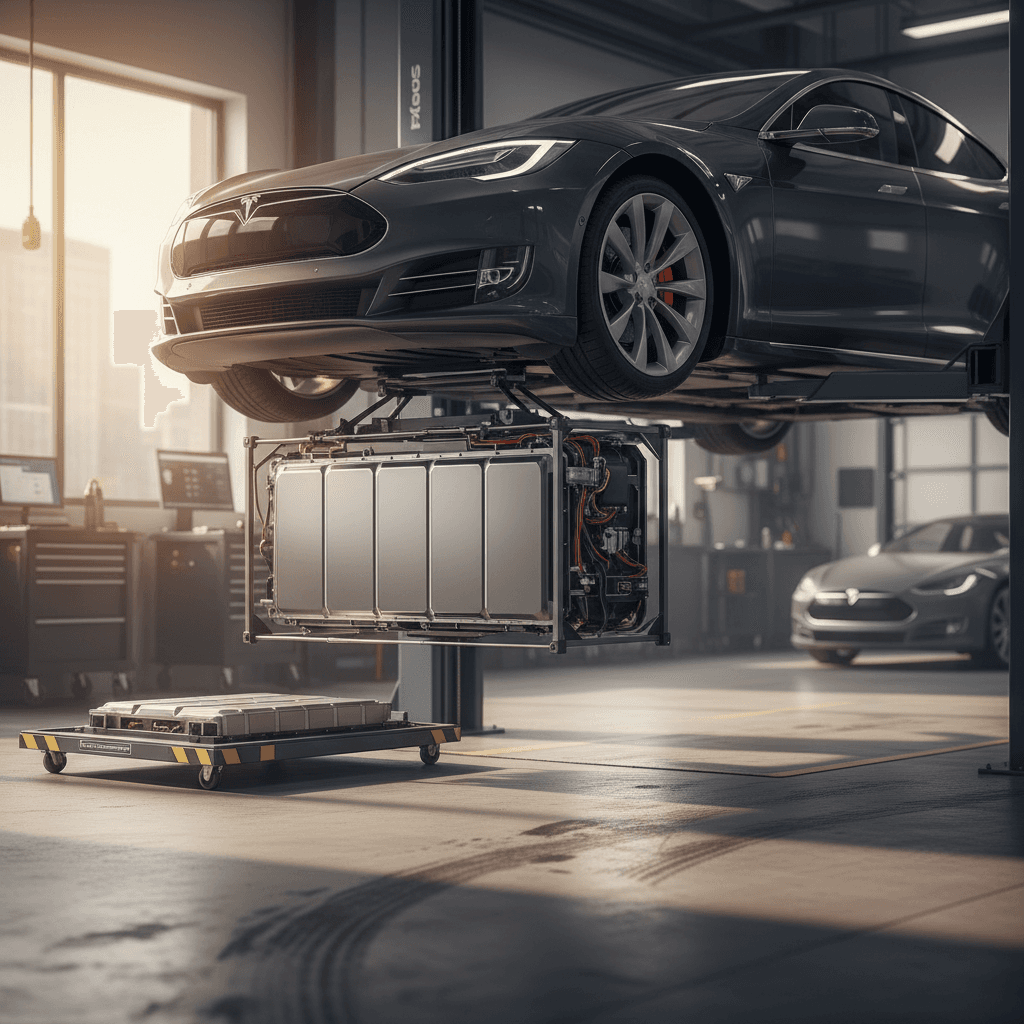
You don’t start shopping for a Tesla Model S battery replacement in 2026 because you want to. You get there when range has fallen off a cliff, the car throws a high‑voltage error, or a service advisor quietly slides a $20,000–plus estimate across the counter. Before you panic, or write off your car, let’s walk through what those numbers actually mean, what options you have, and how to avoid being surprised in the first place.
Aging Model S fleet, rising questions
Why Model S battery costs matter in 2026
Battery prices per kWh have dropped dramatically since the Model S launched, and analysts expect pack‑level costs to dip toward the $80–$100/kWh range around 2026. That’s great news on paper, but it doesn’t mean you’ll see a $7,000 line item on your Tesla service invoice. Retail replacement pricing still has to cover diagnostics, labor, overhead, and warranty risk, especially on large packs like the 85, 90, and 100 kWh units used in the Model S.
At the same time, used EV shoppers are savvier. They’re asking, “What happens if I need a battery?” before signing on the dotted line. Understanding realistic Tesla Model S battery replacement cost in 2026 helps you decide whether to: - Keep and repair your current car - Sell or trade before the pack fails - Skip the gamble and buy a used EV with verified battery health instead.
Tesla Model S battery cost snapshot for 2026 (U.S.)
Quick answer: What does a Model S battery cost in 2026?
Let’s start with the number you came for. In the U.S. in 2026, a full high‑voltage battery pack replacement on a Tesla Model S that’s out of warranty typically lines up roughly as follows:
Estimated 2026 Tesla Model S battery replacement costs (U.S.)
High‑level price ranges based on owner quotes, industry data, and 2024–2026 battery pricing trends.
| Scenario | Who Does the Work | What You Get | Estimated 2026 Price Range* |
|---|---|---|---|
| Older Model S (2012–2016), 60–85 kWh pack | Tesla Service Center | Factory‑remanufactured or new pack, Tesla warranty | $17,000–$22,000 |
| Newer Model S (2017–2020), 75–100 kWh pack | Tesla Service Center | Factory‑remanufactured or new pack, Tesla warranty | $18,000–$25,000 |
| Any Model S, used/rebuilt pack | Independent EV specialist | Used or reconditioned pack, shop warranty (shorter) | $12,000–$18,000 |
| Module‑level repair on failing pack | Independent EV specialist | Replace only bad modules, reseal pack | $5,000–$10,000 |
| 12‑volt auxiliary battery (not the drive battery) | Tesla or independent | Standard 12V battery | $250–$450 |
These are ballpark ranges, not guarantees, actual quotes depend on your VIN, pack, and who does the work.
Sticker shock is normal
Those price bands reflect two big forces working against each other in 2026: falling cell prices on the supply side, and tough labor, diagnostic, and warranty realities on the repair side. Your personal quote can land higher or lower depending on pack size, availability, and how motivated Tesla or an independent shop is to work on your particular car.
What actually drives Tesla Model S battery replacement costs
Four levers that move your Model S battery quote
Understanding these gives you some control over the final number.
1. Pack size & generation
2. Age, mileage, and warranty status
3. Where you repair it
4. Failure type: degradation vs. failure
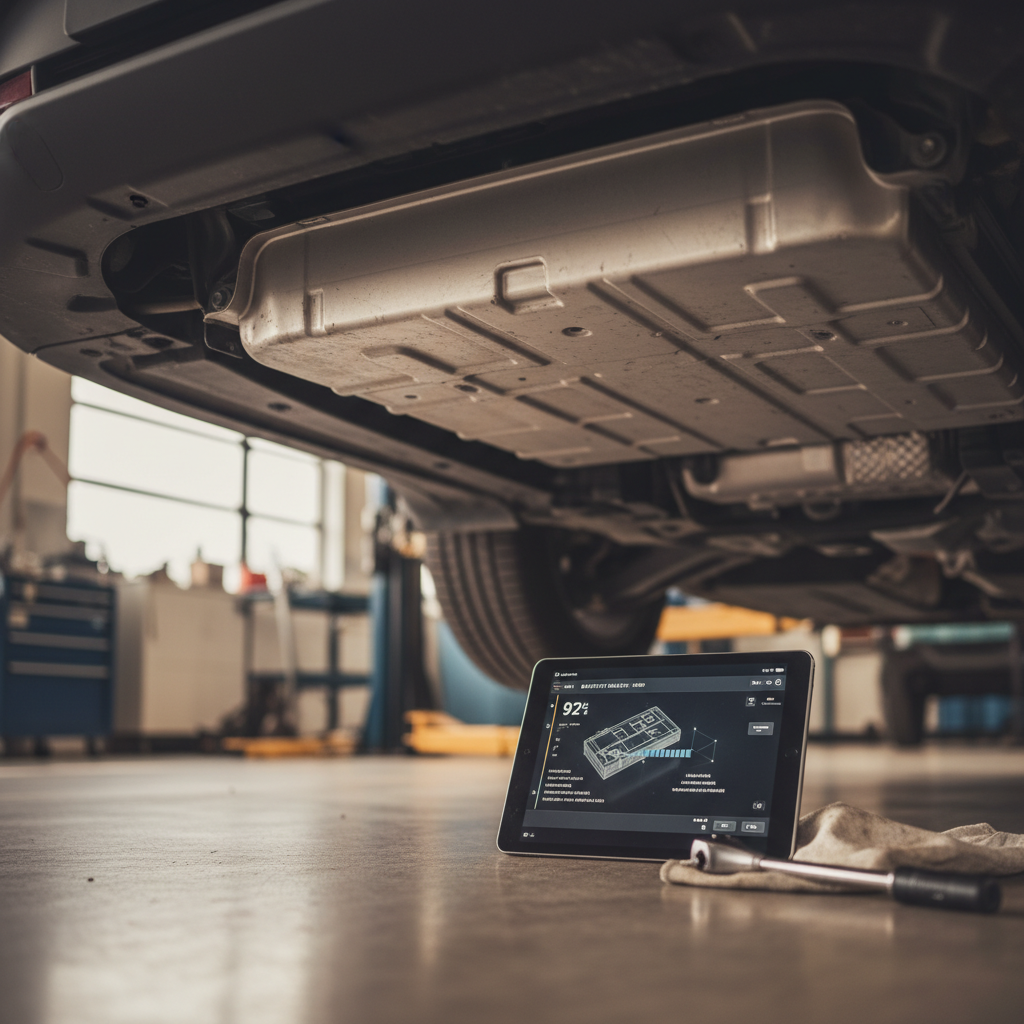
Looking under the skin, a Model S pack is a big, complex box: thousands of cells, liquid cooling channels, contactors, fuses, sensors, and a battery management system (BMS) all sealed from the elements. Any time a shop opens that box, they’re taking on risk. That’s a big part of why labor and warranty burden show up so dramatically in your quote.
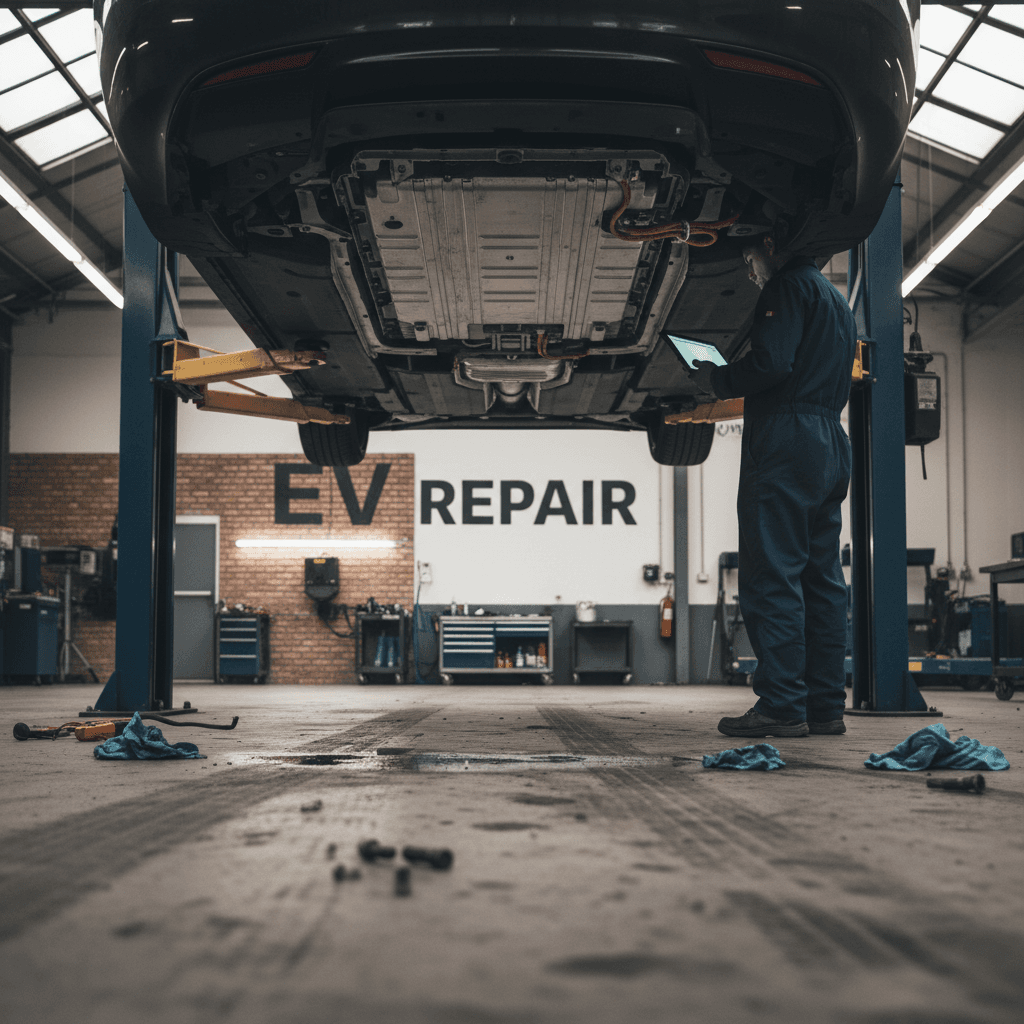
Tesla Service Center vs. independent EV shop
Tesla Service Center: the factory route
If your Model S is still within its 8‑year battery warranty, Tesla is the first stop. Even out of warranty, many owners call Tesla first to get a baseline quote.
- Pros: Official parts, consistent repair procedures, access to the latest firmware and pack revisions, Tesla‑backed warranty.
- Cons: Limited flexibility (they usually don’t do module‑only repairs), higher parts pricing, and service centers that are often busy with newer vehicles.
- Typical 2026 quote: $18,000–$25,000+ for a full pack, installed, depending on part availability and pack size.
Independent EV shop: the specialist route
A growing number of independent shops focus on Tesla and other EVs. By 2026, more of them are comfortable opening packs, replacing modules, and installing used packs from donor cars.
- Pros: Potentially much lower cost, willingness to do module‑level repairs, and more options for used/rebuilt packs.
- Cons: Warranty lengths vary, quality depends heavily on the shop, and Tesla won’t support every non‑OEM repair choice down the road.
- Typical 2026 quote: $12,000–$18,000 for a full pack swap using used or remanufactured components; $5,000–$10,000 for targeted repairs.
Get two quotes, at least
Warranty: Can you get a Model S battery replaced for free?
Tesla’s High Voltage Battery and Drive Unit Limited Warranty has changed over the years, so what applies to a 2013 Model S doesn’t necessarily match a 2019 car. But the basic idea has stayed the same: a long‑duration warranty (often 8 years with various mileage caps) that guarantees the pack against defects and excessive degradation.
How to check your Model S battery warranty status
1. Look up your original warranty booklet
If you bought the car new, dig out the warranty booklet or PDF tied to your model year. Tesla has updated terms several times; the details that matter are the ones in effect when your car was delivered.
2. Check the in‑car or app warranty screen
In many cases, the Tesla app or the car’s touchscreen will show remaining battery and drive unit warranty coverage. Take note of both the expiration date and the mileage cap.
3. Verify coverage type
Most Model S battery warranties promise that, if the pack falls below a certain state of health or fails outright within the term, Tesla will repair or replace it. That doesn’t mean they’ll replace the pack just because you’ve lost 10–15% range over time.
4. Confirm with Tesla Service
If you’re close to the edge of the warranty window, or your range has suddenly dropped, open a service ticket through the app. Ask Tesla to document their diagnosis and whether they consider the issue a warrantable defect.
5. Don’t wait until after it expires
If you suspect a problem, get Tesla to look at it before the warranty clock runs out. It’s easier to argue a case that started under warranty than to ask for goodwill help after it’s clearly expired.
Best‑case scenario: covered replacement
Repair vs. complete pack replacement
Not every sick Model S battery needs to be hauled out and replaced whole. In 2026, more independent shops are offering targeted repairs, as long as the pack hasn’t been water‑damaged, badly corroded, or physically crushed. Understanding the difference can save you tens of thousands of dollars.
When a repair may be enough, and when it’s time for a new pack
A high‑level guide, not a substitute for hands‑on diagnosis.
Good candidates for repair
- One or a few weak modules dragging pack voltage down.
- Minor coolant leaks caught early with no major corrosion.
- Battery Management System (BMS) faults that can be addressed by reflashing or replacing electronics.
Expect $5,000–$10,000 at a capable independent shop, depending on how deep they have to go.
Likely full‑pack replacement cases
- Severe module imbalance or widespread cell degradation.
- Significant water ingress or corrosion inside the pack.
- Physical damage from an impact or road strike.
- Pack so old that sourcing healthy matching modules is unrealistic.
Here you’re in the $12,000–$25,000 territory depending on parts and who does the work.
Don’t DIY your high‑voltage pack
Budgeting for a Model S battery in 2026
The uncomfortable truth is that if you own an aging Model S out of warranty, you’re effectively self‑insuring against the battery. You may never need a replacement, but if you do, it’s a big, lumpy expense. Thinking about it now, while the car is still drivable and valuable, gives you options you don’t have when it’s stranded and worth pennies as a non‑running trade.
Practical ways to plan for, or around, a battery bill
1. Get a baseline health report
Ask Tesla for a battery health check or use third‑party tools that estimate state of health (SoH). If you’re shopping used, look for a <strong>verified battery health report</strong>, like the Recharged Score Report that comes with every EV sold through <a href="/">Recharged</a>.
2. Compare repair cost to vehicle value
If your car is worth $22,000 and a proper battery replacement is $19,000, that’s close to a total loss. If it’s worth $40,000 and the quote is $15,000, the math looks very different. Check real‑world used values, not just what you paid years ago.
3. Set a mental “walk‑away” number
Decide now what dollar figure would make you sell or trade the car instead of repairing it. That number will be different for every household, but having it in mind keeps you from making a panic decision later.
4. Consider pre‑qualification for financing
If you know you’ll eventually replace your Model S rather than its battery, you can <strong>pre‑qualify for used EV financing</strong> ahead of time. Recharged offers pre‑qualification with no impact to your credit, so you know your budget before the battery throws a fit.
5. Drive in a battery‑friendly way
Gentle charging habits, avoiding constant 100% charges, minimizing frequent DC fast charging, and not letting the pack sit at 0%, won’t make an old battery new, but they can slow down degradation and buy you time.
Is it worth replacing the battery, or moving on?
This is the heart‑of‑the‑matter question. You’re staring at a five‑figure repair on a car you love. Do you write the check, or walk away? There’s no universal answer, but there are patterns that show up again and again in the real world.
When replacing the battery can make sense
- You love the car. It fits your life, you’ve maintained it well, and you’re not excited about anything on the market.
- The rest of the car is solid. Suspension, brakes, interior, and electronics are all in good shape, with no looming $5,000 issues on deck.
- You plan to keep it for years. Spreading a $15,000–$20,000 battery over another 6–8 years of use can be easier to swallow than buying a new luxury EV.
- You’re getting a strong warranty. A factory‑backed pack with a multi‑year warranty changes the calculus compared with a short‑warranty rebuild.
When it may be smarter to move on
- The quote is near or above car value. Sinking $20,000 into a $18,000 car is usually a sentimental decision, not a financial one.
- The car has other problems. If you’re already chasing drive‑unit noise, MCU glitches, and a tired interior, a new battery doesn’t magically make it new again.
- You can step into a newer used EV with a healthy pack. In 2026, the used EV market is deep. You can often trade a failing‑battery car and move into a newer EV with a long‑range pack that’s been verified.
- You’re not comfortable being a science project. Older Model S sedans are brilliant cars, but keeping one forever requires a certain appetite for vintage‑EV odd jobs.
Do the math in miles, not just dollars
How Recharged helps you avoid a surprise $20,000 repair
One reason used EV shoppers are wary of older Teslas is simple: they don’t want to be the one holding the keys when the battery decides it’s had enough. That’s exactly the anxiety Recharged was built to defuse.
Buying and selling EVs without battery guesswork
Where the Recharged Score Report fits into your Model S decision.
Verified battery health
Fair, transparent pricing
Easy in, easy out
Financing for the car you actually want
Nationwide access
Guidance from EV specialists
FAQ: Tesla Model S battery replacement cost 2026
Frequently asked questions about 2026 Model S battery costs
A Tesla Model S with a failing battery doesn’t automatically belong in a scrapyard, and it doesn’t automatically deserve a $20,000 new pack, either. In 2026 you have choices: factory replacements, independent repairs, or simply stepping into a newer EV with a healthier pack and clearer numbers. The key is to treat battery cost as part of the total story of the car, not a bolt from the blue. Get the facts, get multiple quotes, and, if you’re shopping used, lean on tools like the Recharged Score Report so the biggest component in the car is also the least mysterious.