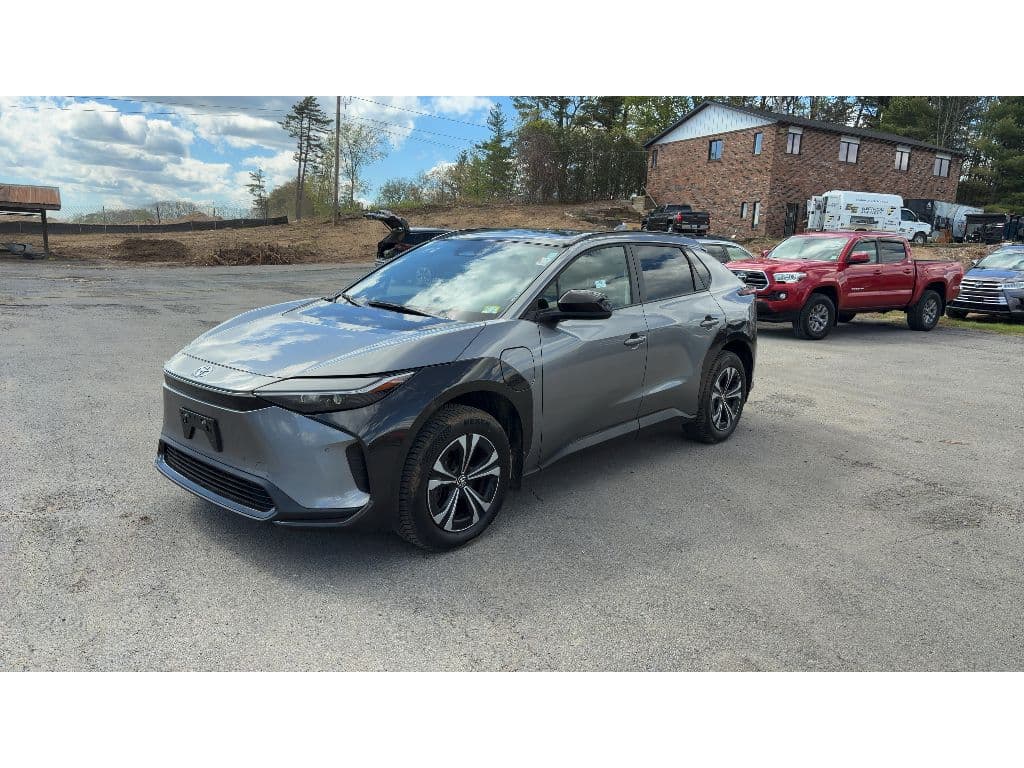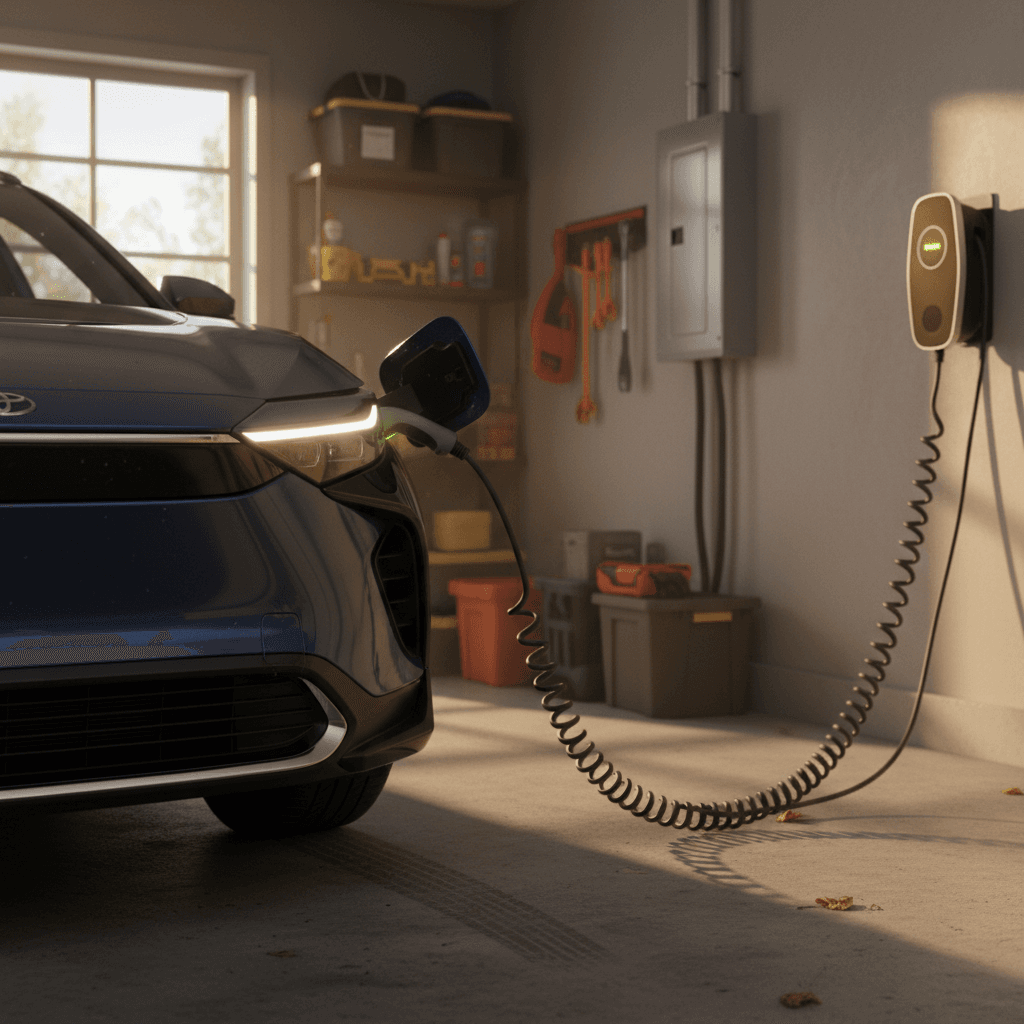
If you own or are shopping for a Toyota bZ4X, learning how to charge it at home is one of the most important steps to making EV life easy. The good news is that charging a Toyota bZ4X at home is straightforward once you understand the difference between Level 1 (120V) and Level 2 (240V) charging, what outlets you need, and how long each option takes.
Good news for bZ4X owners
Toyota bZ4X home charging basics
Key Toyota bZ4X charging specs to know
These numbers explain what’s realistic at home in your driveway or garage.
Battery size
The bZ4X uses a battery pack around 71–73 kWh usable capacity, depending on model year and drivetrain. That’s the energy you’re refilling when you charge from low state of charge.
Onboard AC charger
Most U.S. bZ4X models use a ~7.6 kW onboard AC charger. That’s the maximum power the car can accept from a Level 2 home charger, which is why a typical 240V setup fully recharges the pack in about 9–10 hours from near empty.
Charging connectors
For home charging in North America, the bZ4X uses the standard J1772 AC connector for Level 1 and Level 2. You’ll see the same plug on virtually all non‑Tesla home and public AC chargers.
At home, you’ll almost always be using AC charging. DC fast charging (the CCS1 port on earlier models) is for road trips and public stations, not for residential use. So your home strategy is about choosing between a slower but simple Level 1 plug and a faster Level 2 setup that often requires a dedicated 240‑volt circuit.
Understanding your Toyota bZ4X charging options
- Level 1 (120V) – Uses a standard three‑prong household outlet on a 15A or 20A circuit. Very slow but requires no new wiring in many homes.
- Level 2 (240V) – Uses a 240V circuit, similar to an electric dryer or range. Much faster and the recommended long‑term solution for a bZ4X.
- DC Fast Charging (public only) – 50–150 kW+ roadside or commercial chargers. Great for road trips, but not something you install at home.
Think of Level 1 as a backup
How long it takes to charge a bZ4X at home
Charging times vary with temperature, your starting state of charge, and the exact amperage of your circuit. The figures below are ballpark numbers U.S. owners report for daily use, assuming typical ambient temperatures and charging from a low but not fully empty battery.
Approximate Toyota bZ4X home charging times
Realistic ranges for U.S. bZ4X models using common home setups.
| Charging level / setup | Approx. power into car | Miles of range added per hour* | 10%–100% charge time (est.) |
|---|---|---|---|
| Level 1 – 120V, 12A (standard portable cord) | ~1.3 kW | 3–4 mi/hr | 40–50 hours |
| Level 1 – 120V, 16A (dedicated 20A circuit) | ~1.9 kW | 5–6 mi/hr | 28–36 hours |
| Level 2 – 240V, 16A | ~3.8 kW | 12–15 mi/hr | 15–18 hours |
| Level 2 – 240V, 32A (common wallbox on 40A circuit) | ~7.0–7.6 kW | 20–25 mi/hr | 9–10 hours |
| Level 2 – 240V, 40A+ (charger can deliver more, car still limits) | 7.0–7.6 kW (car‑limited) | 20–25 mi/hr | 9–10 hours |
Use these as planning tools, not promises, cold weather and high states of charge slow things down.
Why the charger’s max kW isn’t everything
Level 1 vs. Level 2 home charging for bZ4X
Level 1 (120V): plug in anywhere
Level 1 uses a standard household outlet. Many bZ4X models ship with a portable charging cable that can plug into 120V directly. You simply:
- Park within reach of the cable (typically 20–25 feet).
- Plug the cord into a properly grounded 120V outlet.
- Plug the J1772 handle into the charge port on the driver’s side rear quarter.
- Check the bZ4X’s dash or app to confirm charging has started.
This is workable if you drive under ~25–30 miles per day on average and can leave the car plugged in most nights.
Level 2 (240V): true “overnight fill” capability
Level 2 is the sweet spot for most bZ4X owners. Using a 240V circuit and a wall‑mounted (or plug‑in) EVSE, you’ll typically:
- Add 20–25 miles of range per hour of charging on a 32–40 amp circuit.
- Recover a 50–60% daily battery drop in just a few hours.
- Refill from a low state of charge to 100% in roughly 9–10 hours.
In practical terms, that means you plug in after dinner and wake up to a full, or more sensibly, 80–90%, battery every morning.
Avoid daisy‑chaining and sketchy outlets
Choosing a Level 2 home charger for your bZ4X
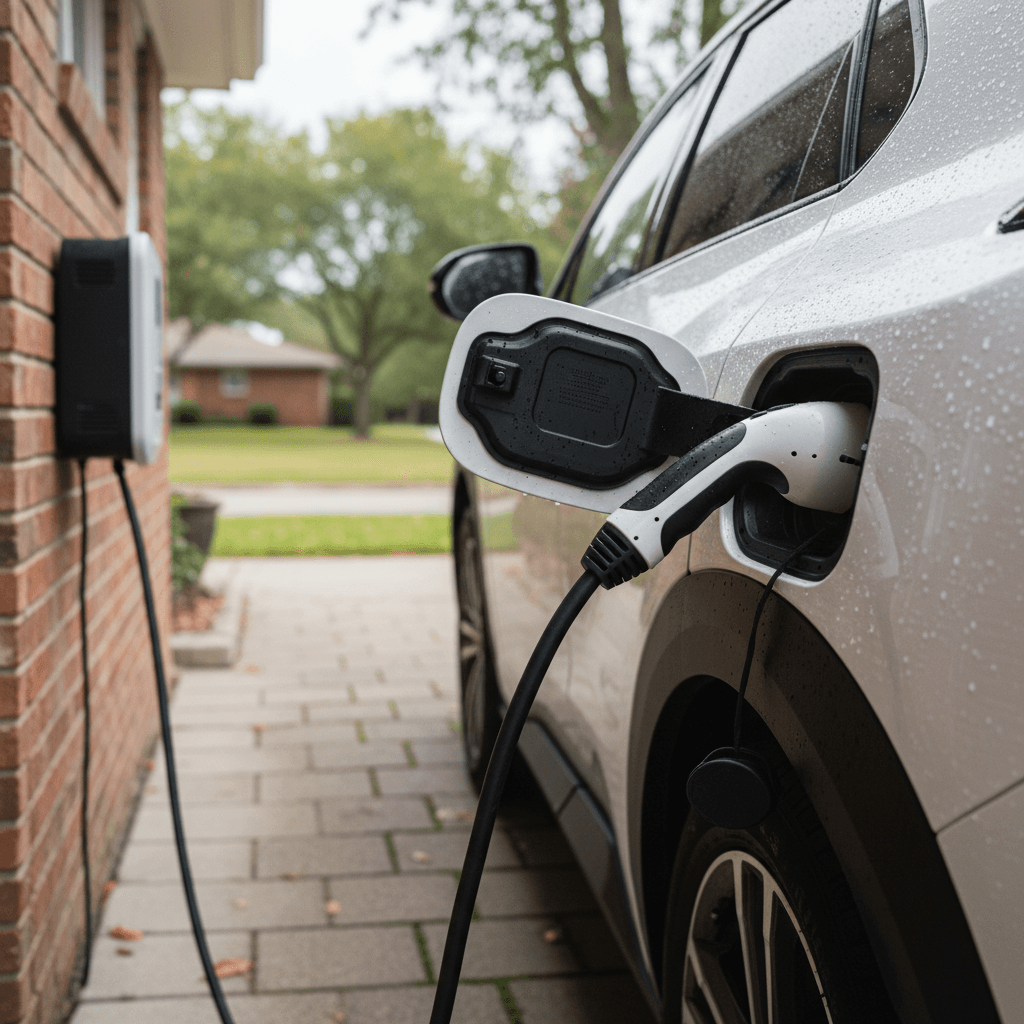
Because the bZ4X’s onboard AC charger tops out around 7–7.6 kW, you don’t need an exotic 80‑amp unit. What you do want is a reliable, UL‑listed Level 2 charger that can deliver at least 32 amps at 240V and uses the standard J1772 plug.
What to look for in a bZ4X home charger
Four features matter more than brand names and marketing claims.
Amperage & power
A 32–40A charger on a 40–50A circuit is ideal. That’s enough to feed the bZ4X’s onboard charger at full speed without overbuilding.
Safety certifications
Look for UL or ETL listing, internal temperature monitoring, and built‑in ground fault protection. Don’t cut corners here.
Smart features (optional)
Wi‑Fi or app control can help you schedule charging for off‑peak hours and monitor energy use, but they’re not strictly required.
Installation style
Decide between a hardwired unit and a NEMA plug‑in (14‑50, 6‑50). Plug‑in units are easier to replace; hardwired is cleaner and often preferred outdoors.
Future‑proofing your setup
Electrical requirements, installation, and safety
Before you plug your bZ4X into anything
1. Confirm circuit capacity
For Level 2, most bZ4X owners install a dedicated 240V, 40A or 50A circuit. The charger is then set to 32–40A continuous, respecting the 80% rule for continuous loads.
2. Choose outlet vs. hardwire
A NEMA 14‑50 or 6‑50 receptacle lets you plug in a portable wallbox and easily replace it later. Hardwiring keeps things tidy and can be more weather‑resistant outdoors.
3. Use a licensed electrician
Residential electrical codes vary by state and municipality, and 240V mistakes are expensive, and dangerous. A licensed electrician will size wire, breaker, and conduit correctly.
4. Plan cable routing
Think about how you park. Ideally, mount the charger so the cable reaches your bZ4X’s charge port with slack, without running across walkways or creating tripping hazards.
5. Check GFCI and panel space
Many jurisdictions now require GFCI breakers for EV circuits. Your electrician should verify your panel has the capacity, and space, for the new breaker.
6. Label the circuit
Have the electrician label the panel clearly. It makes troubleshooting, future service, and home resale easier.
Don’t DIY beyond your comfort zone
What it costs to charge a Toyota bZ4X at home
To estimate cost, you only need two numbers: your local electricity rate (in dollars per kWh) and the bZ4X’s battery size or energy use. Most bZ4X trims use roughly 71–73 kWh to go from 0–100%. In real driving, many owners see around 3.0 mi/kWh in mixed conditions.
Example U.S. home charging costs for a Toyota bZ4X
If your utility offers time‑of‑use (TOU) rates, you can save even more by scheduling charging for off‑peak hours, typically late at night. Many smart chargers and some Toyota apps let you set a start time so the car begins drawing power when electricity is cheapest.
Smart daily charging habits to protect your battery
- Aim to keep the battery between 20% and 80–90% for daily use. Full 100% charges are fine for trips but don’t need to be your everyday default.
- Use scheduled departure or climate preconditioning when available so the car warms or cools while plugged in, reducing stress on the battery.
- In very hot or very cold weather, try not to arrive home nearly empty every night, leave yourself some buffer so the pack doesn’t sit at extreme states of charge.
- If you’ll store the bZ4X for several weeks, leave it at roughly 40–60% state of charge and, if possible, plugged in with charge limits set.
Don’t be afraid to charge to 100% when you need it
Troubleshooting common bZ4X home charging issues
Even with a simple setup, you may occasionally plug in your Toyota bZ4X and find that charging is slower than expected or doesn’t start at all. Here are the most common culprits and how to address them before calling the dealer.
Typical home charging hiccups and fixes
Work through these in order, they solve most owner complaints.
Car not charging
- Confirm the outlet or breaker hasn’t tripped.
- Make sure the J1772 connector clicks firmly into place.
- Check for error lights on the charger and the bZ4X’s dash.
- Try another outlet (Level 1) or another EVSE if available.
Charging slower than expected
- Cold weather can cut AC charging speeds significantly until the pack warms.
- Your charger or car may be set to a lower amp limit, check the app or settings.
- On shared circuits, some smart chargers throttle down to avoid overload.
Frequent breaker trips
- The circuit may be overloaded or improperly sized.
- A loose connection or aged wiring can overheat under continuous load.
- Stop using that outlet for EV charging and have an electrician inspect it.
When to involve a professional
Toyota bZ4X home charging FAQ
Frequently asked questions about charging a Toyota bZ4X at home
Is home charging right for your Toyota bZ4X?
For most Toyota bZ4X owners in the U.S., the ideal home setup is simple: a dedicated 240V Level 2 charger on a properly sized circuit, paired with sensible habits like charging overnight and aiming for 80–90% for everyday driving. Level 1 works as a backup or for very light use, but if you plan to keep your bZ4X for years, investing in a good Level 2 solution turns living with the car into a plug‑in‑and‑forget experience.
If you’re still shopping for a bZ4X, or considering a used one, home charging should be part of your decision from day one. At Recharged, every used EV includes a Recharged Score report with verified battery health and realistic range expectations, and our EV specialists can walk you through how the bZ4X charges in real life and which home solutions make the most sense for your driveway, panel, and budget.