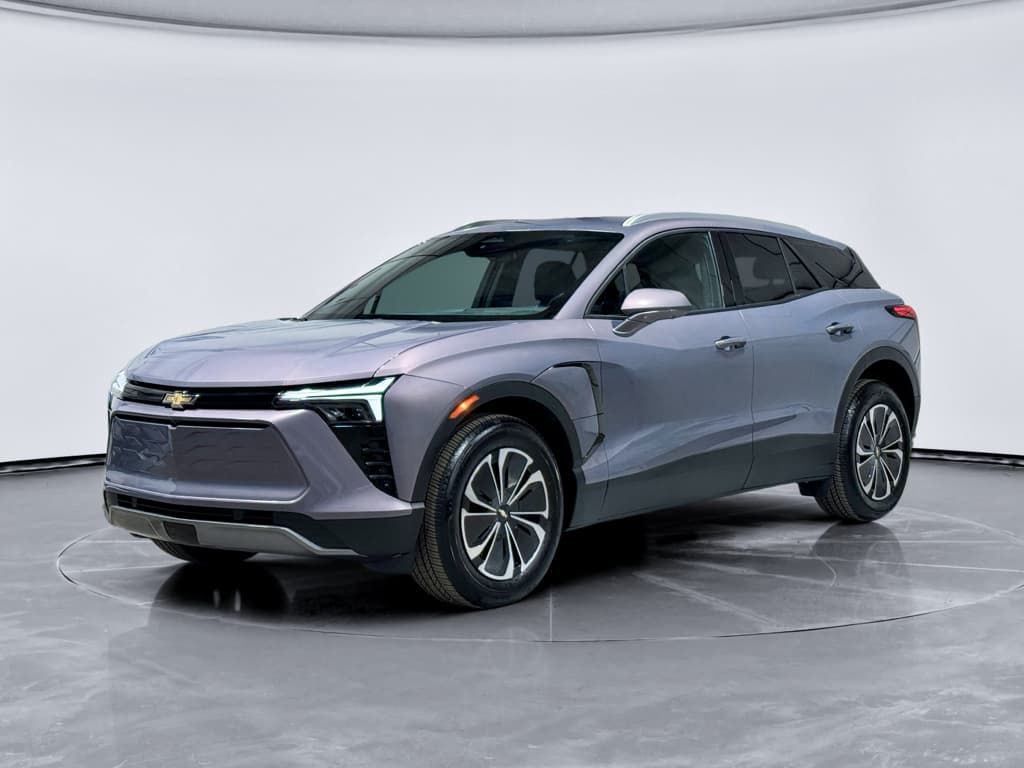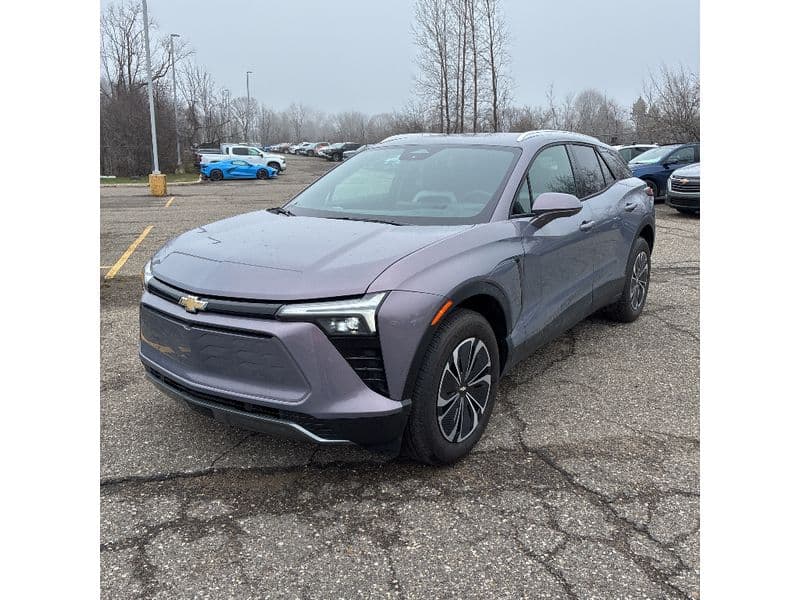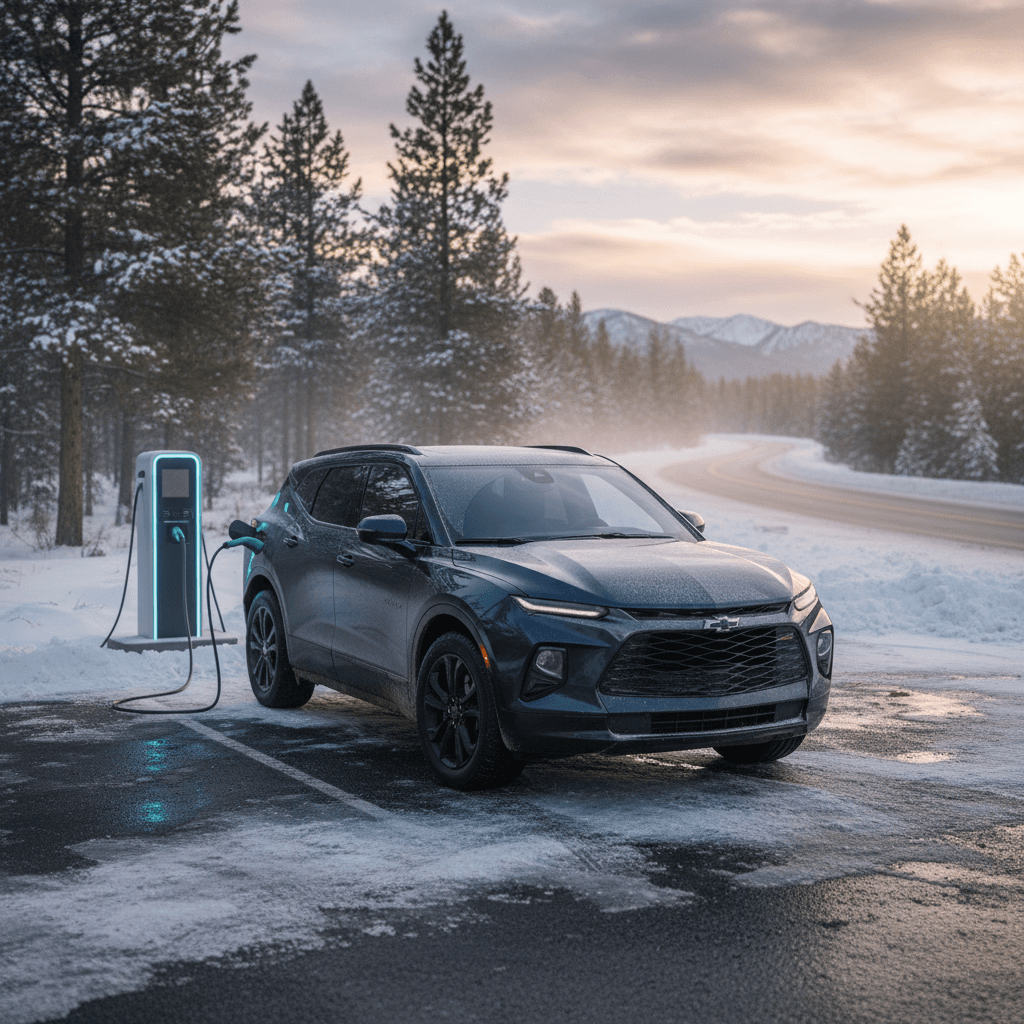
If you live where winters are real, not just a chilly morning here and there, you care less about the window sticker and more about how the Chevrolet Blazer EV range in cold weather actually holds up. The EPA number looks great in a showroom, but freezing temps, highway speeds, and a toasty cabin can tell a very different story.
Cold-weather reality check
Chevrolet Blazer EV EPA range: your starting point
Before you think about winter penalties, you need a clear baseline. EPA range varies by model year, trim, and drivetrain, but for 2024–2025 Blazer EVs the broad picture looks like this (all figures approximate and rounded for simplicity):
2024–2025 Chevrolet Blazer EV EPA range by configuration
Use these EPA figures as a warm-weather baseline before estimating cold‑weather range.
| Model/Drivetrain | Battery & Notes | EPA Range (mi) |
|---|---|---|
| LT AWD | Large Ultium pack, dual motor | ~279 miles |
| LT FWD (2025) | Single motor | ~312 miles |
| RS AWD | Dual motor performance tune | ~279 miles |
| RS RWD (2024) | Single motor, efficiency‑focused | ~324 miles |
| RS RWD (2025 refresh) | Slight efficiency bump | ~334 miles |
| SS AWD (2025+) | High‑output performance | ~300 miles |
Exact numbers vary slightly by model year and wheel/tire package, but these are representative EPA ratings for common Blazer EV configurations.
Think in percentages, not just miles
How much range the Blazer EV loses in cold weather
The uncomfortable truth is that cold weather punishes every battery‑electric vehicle. The Blazer EV rides on GM’s Ultium platform, which is efficient in moderate conditions, but like most EVs it still takes a hit when temperatures drop, especially below freezing and on fast highway runs.
Typical Chevrolet Blazer EV winter range hit
On a 2025 Blazer EV RS RWD with an EPA rating around 334 miles, a 30% winter hit at highway speeds means more like 230–240 miles of practical range between charges. On an AWD model rated around 279 miles, a 30% penalty leaves you with roughly 190–200 usable miles on a cold‑weather road trip.
Don’t trust the first winter guess‑o‑meter
Why the Blazer EV loses range when it’s cold
Cold‑weather range loss isn’t some mysterious GM quirk, it’s physics. Three main forces drag the Chevrolet Blazer EV range in cold weather down: the battery itself, cabin heating, and aerodynamics.
Three main culprits behind Blazer EV winter range loss
Battery chemistry, comfort, and speed all work against you when temperatures drop.
Cold battery chemistry
At low temperatures, the Blazer EV’s lithium‑ion cells can’t move ions as efficiently. Internal resistance goes up, so you get fewer miles per kWh until the pack warms through driving or preconditioning.
Energy‑hungry cabin heat
Unlike a gas SUV that gets “free” heat from engine waste, the Blazer EV must spend battery energy to make heat. Cranking the HVAC in a 10°F blizzard can draw several kilowatts continuously.
Higher drag at winter speeds
Cold air is denser and winter highways are often driven a bit faster to “get home sooner.” Denser air plus speed means aerodynamic drag spikes, which hits a tall SUV like the Blazer hard.
What about a heat pump?
City vs. highway: Blazer EV winter range compared
One of the biggest mistakes new Blazer EV owners make is assuming the same winter range on every drive. In reality, speed and trip length matter as much as temperature.
Stop‑and‑go or suburban driving
- Shorter trips let cabin heat do more work per mile, but a cold battery never fully warms up.
- Regen braking helps offset some losses, especially on hilly routes.
- Expect roughly 15–25% winter range loss in typical 30–45 mph mixed driving if you aren’t constantly blasting the heat.
Highway and interstate driving
- Constant high speeds magnify aerodynamic drag and expose the pack to cold air longer.
- Less regen braking means you can’t claw back much energy.
- At 70–80 mph in sub‑freezing temps, it’s realistic to see 25–40% less range than the EPA number, even with careful driving.
Slow down to go farther
Winter range expectations by Blazer EV trim and drivetrain
Every Blazer EV uses variations of the same Ultium battery architecture, but drivetrain and tune matter. Rear‑wheel‑drive trims tend to be more efficient; dual‑motor all‑wheel drive trades a bit of range for traction and performance.
Approximate Blazer EV winter range by trim
Rough real‑world estimates assuming mostly highway driving, 20–30°F ambient temperatures, and moderate cabin heat. These are guidelines, not guarantees.
| Trim & Drivetrain | EPA Range | Typical Cold‑Weather Highway Range | Conservative Deep‑Cold Buffer |
|---|---|---|---|
| LT AWD | ~279 mi | ~195–215 mi | Plan around ~170 mi |
| RS AWD | ~279 mi | ~195–215 mi | Plan around ~170 mi |
| LT FWD (2025+) | ~312 mi | ~220–240 mi | Plan around ~190 mi |
| RS RWD (2024) | ~324 mi | ~230–250 mi | Plan around ~200 mi |
| RS RWD (2025+) | ~334 mi | ~235–255 mi | Plan around ~205 mi |
| SS AWD | ~300 mi | ~205–225 mi | Plan around ~180 mi |
Use these numbers for planning buffers, not as promises, your driving style, terrain, and wind can move them up or down.
AWD traction ≠ winter range
9 practical ways to protect Blazer EV range in winter
You can’t negotiate with physics, but you can work with it. Here are pragmatic steps that make a noticeable difference to Chevrolet Blazer EV range in cold weather.
Winter range optimization checklist
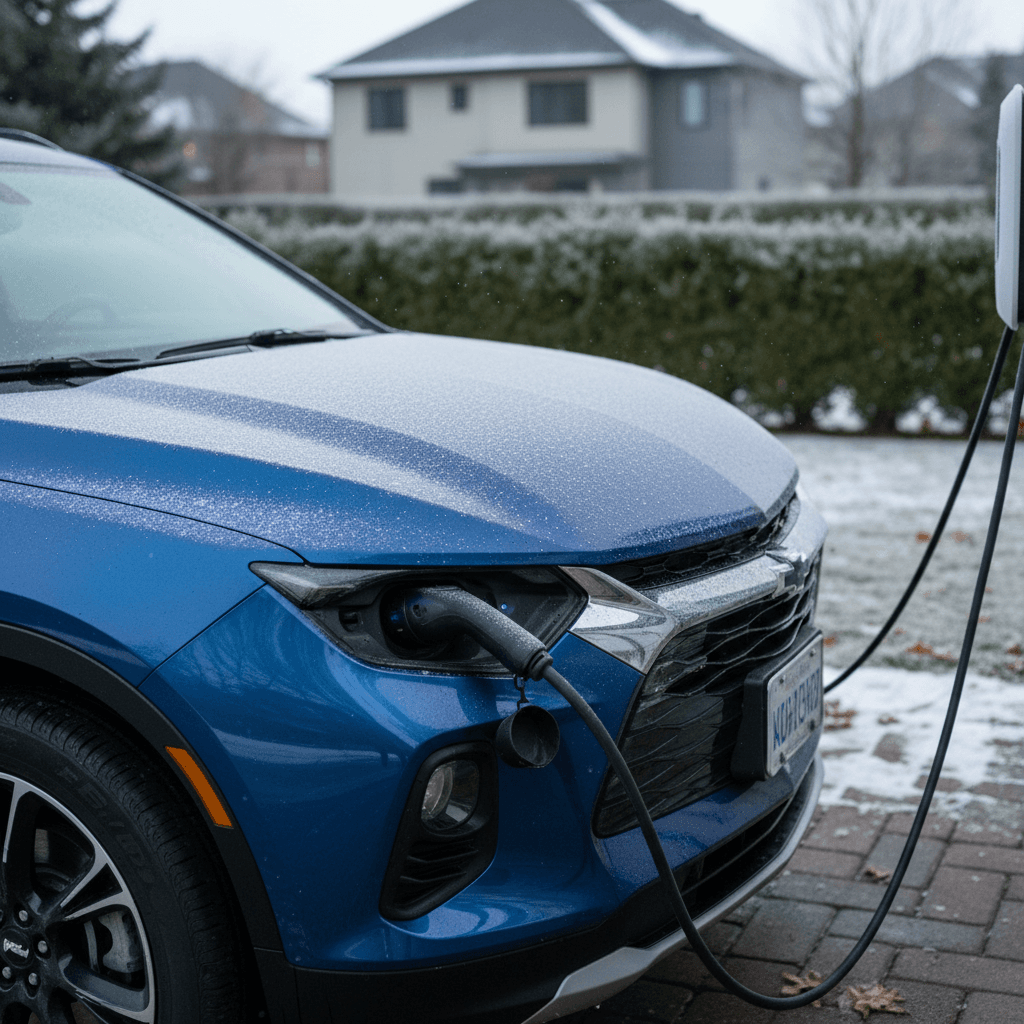
1. Pre‑condition while plugged in
Use the myChevrolet app or in‑car scheduling to warm the cabin and battery before you unplug. This shifts the worst of the heating load to the grid instead of your battery.
2. Favor seat and steering‑wheel heaters
Heated surfaces are far more efficient than blasting hot air. Set cabin temps a bit lower and lean on seat/steering‑wheel heat to stay comfortable with less energy.
3. Start trips soon after charging
If you DC fast charge or finish a Level 2 session, the pack will be warmer and more efficient. Don’t let the car sit and fully cool down before a long drive if you can avoid it.
4. Dial back top speed on highways
Dropping 5–10 mph at interstate speeds can easily save 10–15% of your energy use. In winter, that’s often the difference between white‑knuckle and relaxed range margins.
5. Use Eco or efficient drive modes
If your Blazer EV trim offers more efficient drive settings, use them in winter. Softer throttle maps and reduced performance demand keep power spikes, and losses, down.
6. Avoid frequent short, cold starts
Five 5‑mile trips are harder on winter range than one 25‑mile trip. Combine errands so you’re not repeatedly reheating a cold cabin and pack from scratch.
7. Check tire pressures regularly
Cold air drops tire pressures, which increases rolling resistance. Keep your Blazer EV’s tires at the recommended PSI, not several pounds under, when temperatures swing.
8. Clear snow and ice from the body
Snow caked in wheel wells, on the roof, or around the grille adds drag and weight. A quick brush‑off before you leave makes a small but measurable difference on the highway.
9. Plan extra charging margin
In sub‑freezing weather, treat 20–30% state of charge as your new “empty” on longer drives. That cushion covers gusty headwinds, traffic, and unexpected detours.
Good news: habits matter more than hardware
How to plan Blazer EV trips in cold weather
Range anxiety isn’t about the number on a spec sheet; it’s about confidence in the plan. With some upfront thinking, the Blazer EV is entirely workable for winter road trips and long commutes.
Smart tools and habits for winter trip planning
Use the tech you already have to build in safety margins.
Use EV‑aware route planners
Planning apps that understand elevation, temperature, and your specific Blazer EV trim do a better job predicting winter stops than generic maps. If the planner assumes EPA numbers, manually add a 25–30% buffer.
Aim for more, shorter stops
In deep winter, stopping a bit more often but arriving with 20–30% remaining is safer than trying to stretch between far‑apart chargers. The Blazer EV’s DC fast‑charging curve is happiest in the middle of the pack anyway.
Know your backup chargers
On rural routes, always have a Plan B charger within 20–30 miles of your main stop. Save them in your apps ahead of time so you’re not searching at 17% state of charge in a snowstorm.
Don’t run to 0% in a snowstorm
Buying a used Blazer EV for cold climates
If you’re shopping used, winter range isn’t just about the spec sheet, it’s about battery health, software updates, and how the previous owner treated the pack. Two identical Blazer EVs can behave differently in January if one has seen repeated fast‑charging from 5–100% and the other hasn’t.
Questions to ask about winter use
- How did the previous owner charge, mostly at home Level 2, or almost always on DC fast chargers?
- Has the vehicle lived in a very hot or very cold climate, or moved around?
- Are there any notes or records about software updates that changed charging or range behavior?
How Recharged helps de‑risk range
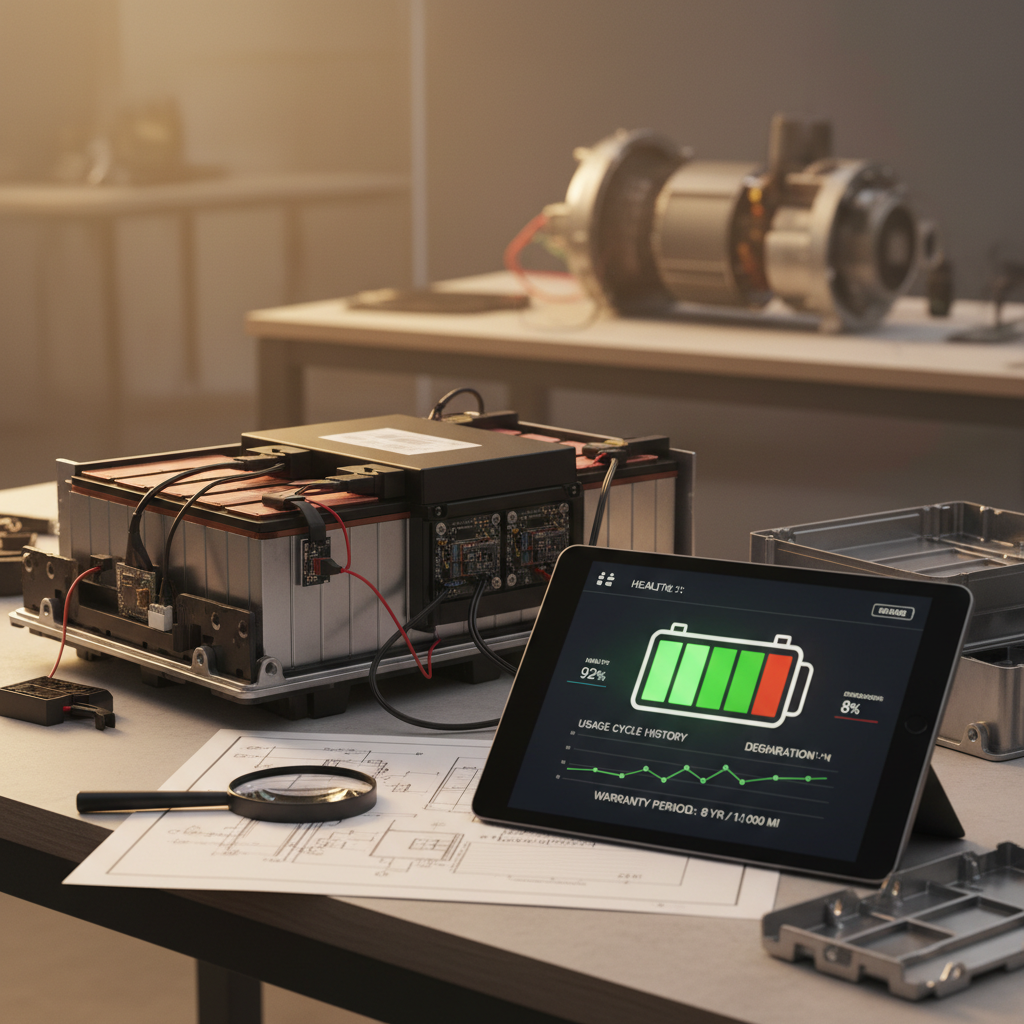
Every Blazer EV sold through Recharged comes with a Recharged Score Report that includes battery diagnostics, charging history patterns, and fair‑market pricing. That means you’re not guessing whether the winter range loss you see is just temperature, or an underlying battery issue.
If you’re trading in or selling your current EV to move into a Blazer EV, Recharged can also provide an instant offer or consignment option, plus nationwide delivery so you don’t have to fly across the country in February to pick up your next EV.
Consider drivetrain and wheel choice
FAQ: Chevrolet Blazer EV range in cold weather
Common questions about Blazer EV winter range
Bottom line: Is the Blazer EV good for winter driving?
If you walk into a Blazer EV expecting its EPA number year‑round, winter will disappoint you. But if you understand that every modern EV gives up 20–40% of its range in the cold, and you build your plans around that reality, the Chevrolet Blazer EV is perfectly capable of year‑round duty, commuting, kid‑shuttling, and even proper road trips in real winter.
The key is to pair its strong Ultium hardware with smart habits: pre‑condition while plugged in, lean on seat heaters, trim your highway speed, and give yourself honest range buffers on bad‑weather days. And if you’re considering a used Blazer EV, working with a marketplace like Recharged that provides verified battery health data and EV‑savvy guidance will help ensure the winter range you’re counting on is actually there when the mercury drops.