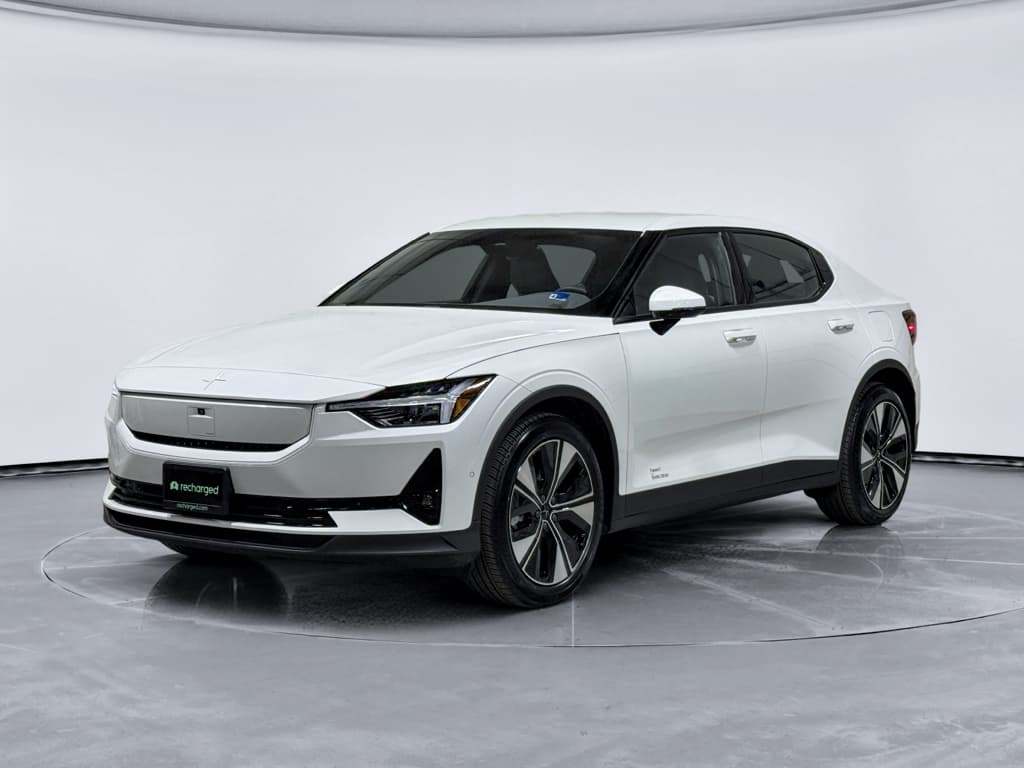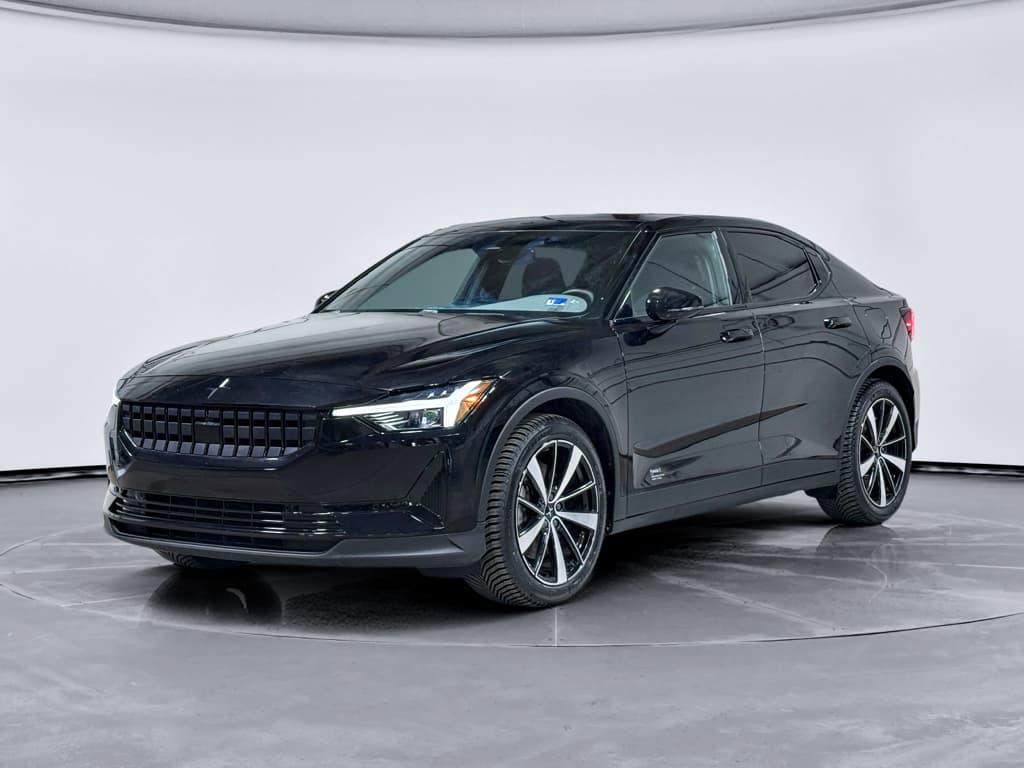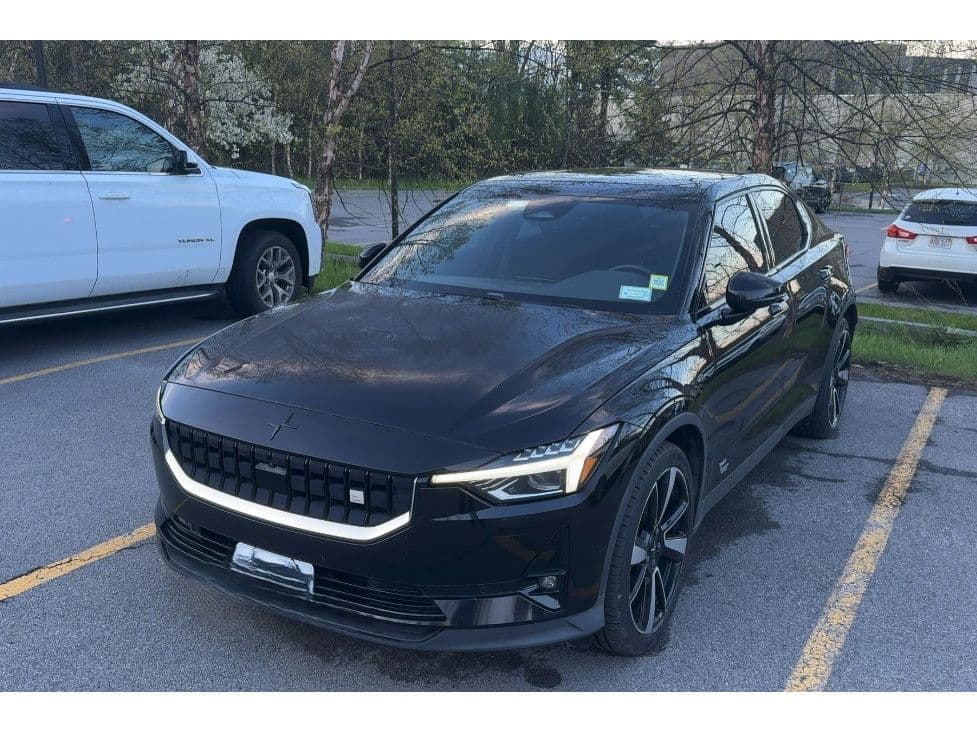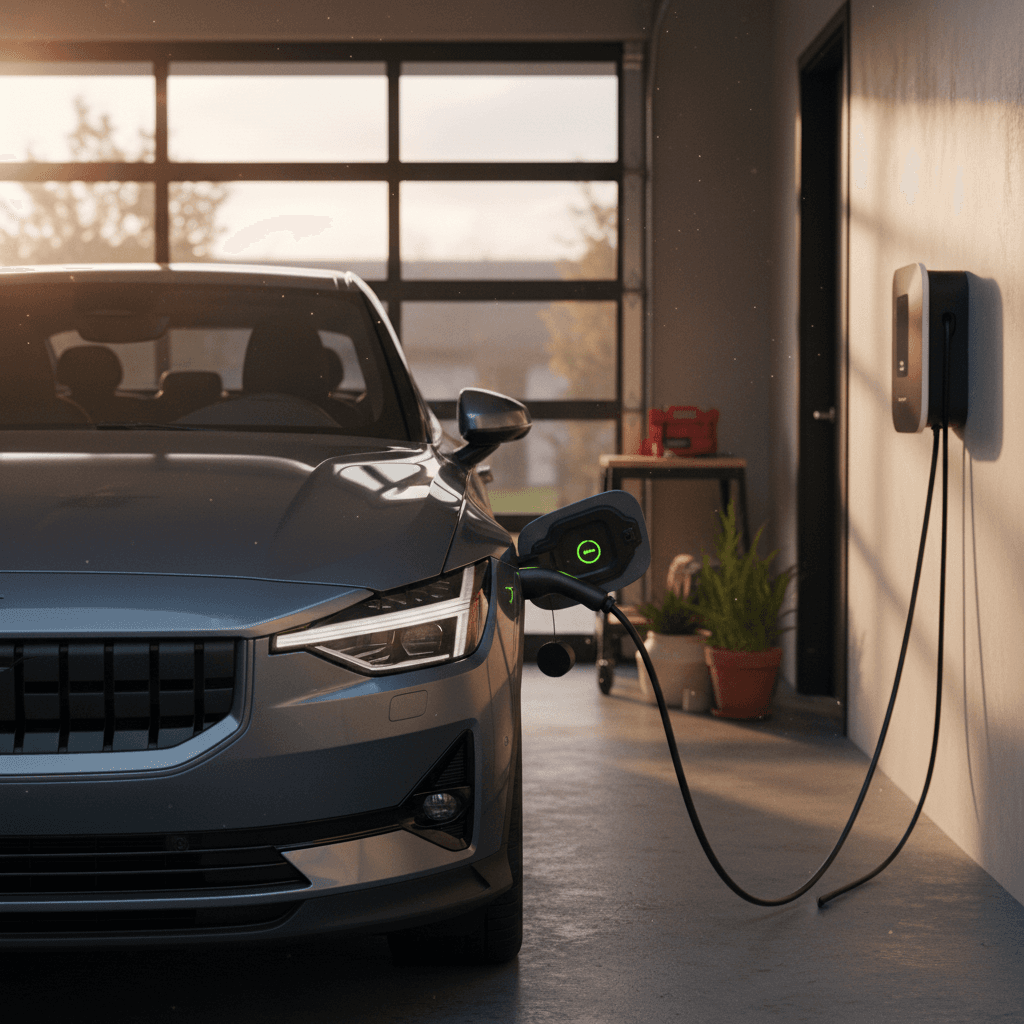
You bought (or are eyeing) a Polestar 2 because you’re done wasting time at gas stations. To make that dream real, you need to know exactly how to charge a Polestar 2 at home, what hardware you need, how long it takes, what it costs, and how to set things up so the car simply “just works” every morning.
Quick answer
Polestar 2 home charging basics
Every Polestar 2 sold in North America uses the CCS1 / J1772 inlet for AC charging and supports up to 11 kW from a home or public Level 2 charger, depending on the model year. In plain English: give the car a strong enough 240V feed and it will happily refill its ~75–82 kWh battery overnight.
Your three charging “gears”
Think of them like Eco, Normal, and Sport, only for electrons
Level 1 – 120V outlet
Uses the included portable cord set (or similar) in a standard wall outlet.
- ~1–1.4 kW power
- Roughly 3–4 miles of range per hour
- Good for very light daily driving
Level 2 – 240V home charger
Wall-mounted or pedestal charger on a 240V circuit.
- Up to 7.7–11 kW in real use
- ~25–35+ miles of range per hour
- Best choice for most Polestar 2 owners
DC fast charging – on the road
Public stations on highways and in cities.
- Up to 150+ kW depending on model year
- 10–80% in around 30–40 minutes
- Great for trips, overkill for daily home use
Where Polestar thinks you should be
Level 1 vs Level 2: Which way should you charge at home?
Technically, any Polestar 2 will charge from a humble 120V outlet. Practically, if you drive more than a short urban commute, you’ll want Level 2. Here’s how the two feel in real life.
Level 1 vs Level 2 home charging for Polestar 2
Approximate real‑world numbers for a healthy battery in mild weather. Exact speeds vary with temperature, state of charge, and your electrical service.
| Home charging type | Voltage / circuit | Approx. power | Miles of range per hour* | Time to add ~150 miles |
|---|---|---|---|---|
| Level 1 (portable cord) | 120V, 15A circuit | ~1.2–1.4 kW | ~3–4 mi/hr | ~40–50 hours |
| Level 2 (typical home wallbox) | 240V, 40A circuit (32A to car) | ~7.7 kW | ~25–28 mi/hr | ~5–6 hours |
| Level 2 (higher‑amp wallbox) | 240V, 48A circuit (40A to car) | ~9.6 kW | ~30–35+ mi/hr | ~4–5 hours |
Use this as a planning tool, not a lab spec sheet.
Polestar’s note on very slow 120V charging
What you need to charge a Polestar 2 at home
The Polestar 2 doesn’t need anything exotic to charge at home, but there are a few pieces to get right: the outlet or circuit, the charging equipment, and a basic check of your home’s electrical capacity.
Home charging hardware checklist
1. Decide: temporary (120V) or permanent (240V)
If you drive less than ~25 miles a day and park near an outlet, you can limp along on Level 1. Everyone else should plan on a 240V Level 2 charger, it’s the difference between trickle and “fill overnight.”
2. A dedicated circuit for your charger
For Level 2, you’ll typically run a <strong>40–60A dedicated 240V circuit</strong> from your panel to the charger. Don’t share this with a dryer, range, or power tools.
3. A J1772 Level 2 wall charger
Any quality J1772 Level 2 unit rated 32–48A will work with Polestar 2. Polestar partners with ChargePoint, but there are many good options; prioritize reliability, weather‑resistance, and a 23–25 ft cable.
4. Panel capacity check
Have a licensed electrician confirm your panel has space and capacity for another 40–60A breaker. Older 100A panels sometimes need an upgrade before adding an EV charger.
5. Safe outlet for Level 1
If you’re using 120V, use a modern, grounded outlet on a known circuit. Avoid daisy‑chained extension cords, power strips, or crusty garage outlets of unknown origin.
Do not DIY 240V wiring
Step-by-step: how to charge your Polestar 2 at home
Once your outlet or Level 2 charger is installed, daily use is intentionally boring, in the best way. Here’s the flow.
- Park the Polestar 2 and put it in Park (P).
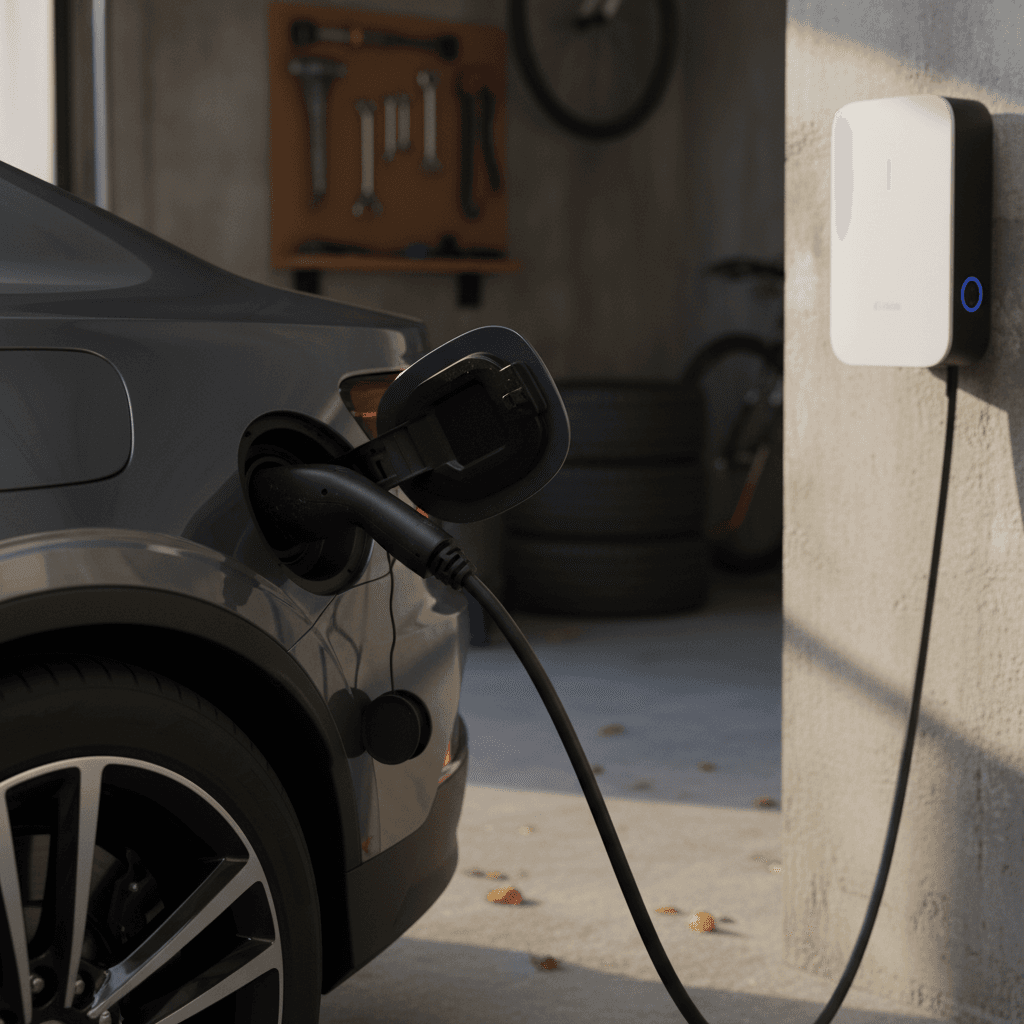
- Open the charge port door on the rear fender (press on the door until it clicks).
- Unplug the connector from your wallbox or portable charger holster.
- Align the plug with the car’s inlet and push until you feel and hear it latch.
- Watch for the charging indicator light and in‑car confirmation that charging has started.
- Use the center display to confirm charge limit (for daily use, 80–90%) and departure time or schedule if you’re on off‑peak rates.
- Walk away. The car will stop at your set limit and stay locked; you can leave it plugged in overnight.
- To leave, unlock the car, press the button on the connector (if present), pull it out, holster the cable, close the charge port, and drive off.
Set it once, forget it
How long does it take to charge a Polestar 2 at home?
Polestar quotes roughly 7–8 hours for a near‑empty to full charge on a robust 11 kW Level 2 connection. Real owners rarely do 0–100%; you top up a partially used battery, just like your phone.
Realistic Polestar 2 home charging expectations
The daily reality is easier than the numbers
How much does Polestar 2 home charging cost?
Your exact cost depends on your local electricity rates, but the math is simple enough to do on a napkin. The Polestar 2’s usable battery is roughly 75–82 kWh, and most U.S. homes pay somewhere around $0.13–$0.25 per kWh.
Back-of-the-envelope cost per full charge
- Battery size: ~75–82 kWh usable
- Electric rate example: $0.15 per kWh
- Full charge cost: 80 kWh × $0.15 ≈ $12
In many regions, especially with off‑peak EV plans, you’ll do better than this.
Cost per mile vs gas
- Real‑world efficiency often lands around 3–3.5 mi/kWh.
- At $0.15/kWh, that’s ~4–5¢ per mile.
- A 30 mpg gas car at $3.50/gal is ~11–12¢ per mile.
So your Polestar 2 is typically about half the fuel cost of a comparable gasoline car, assuming home charging.
Hunt for EV‑friendly electric plans
Battery health: settings and best practices for home charging
The Polestar 2 uses an NMC lithium‑ion pack that’s happiest when you avoid living at the extremes, same as other modern EVs. Home charging is where you quietly add years of life to the battery, or quietly take them away.
Battery‑friendly home charging habits
Small routines that pay off over 8–10 years
Keep daily limit around 80–90%
In the center display, set your charge limit to ~80–90% for daily use. Save 100% charges for road trips when you’ll leave soon after reaching full.
Don’t obsess over plugging in warm
Use scheduled charging
If your utility offers off‑peak rates, schedule charging so the car finishes close to your departure time. That keeps the pack warm and ready without sitting full all night.
Prefer AC at home
Reserve DC fast charging for trips. Regular Level 2 home charging is the least stressful way to live with a Polestar 2 battery long‑term.
Don’t under‑amp your AC charging
Polestar warns against 100–120 V at very low amperage. If you’re on Level 1, use the normal 12A setting unless your electrician tells you otherwise; slower isn’t always gentler.
Update software and check cabin preconditioning
Polestar updates can refine charging behavior. Also, be aware that heavy use of cabin pre‑conditioning while plugged in draws extra power, slightly skewing your “miles per night” expectations.
Watch your amperage setting
Troubleshooting common Polestar 2 home charging issues
Most home charging problems with the Polestar 2 are boringly predictable: bad outlets, mis‑set schedules, or over‑optimistic expectations of what Level 1 can do. Start with the simple stuff before you blame the car.
If your Polestar 2 won’t charge (or charges very slowly)
1. Confirm the car actually “sees” the charger
Check the dash and center display for a charging icon and estimated completion time. If it says “Ready to charge” but isn’t charging, look for an active schedule or departure time that might be holding it.
2. Check for scheduled or off‑peak charging
In the charging menu, see whether "charge now" is enabled or if the car is waiting for cheaper night rates you’ve set previously. This is a very common gotcha after you change utilities or time zones.
3. Inspect the outlet or breaker
For Level 1, make sure the outlet isn’t warm, discolored, or loose. For Level 2, check if the breaker in your panel has tripped; reset once only and call an electrician if it trips again.
4. Verify the charger’s own settings
Many wallboxes let you set a current limit via app or front panel. If someone set it to 16A or eco‑mode, you’ll see slow charging no matter what the car thinks it can draw.
5. Look at cable and connector condition
Inspect for kinks, cuts, or bent pins. If the connector feels gritty, doesn’t latch, or needs force to insert, stop and have the hardware inspected or replaced.
6. Pay attention to temperature warnings
If the car or charger reports high‑temperature faults, that’s a red flag. Charging hardware should never smell hot or melted. Unplug and bring in an electrician or the charger manufacturer’s support line.
Home charging tips for used Polestar 2 buyers
A used Polestar 2 is a smart buy precisely because it charges so well at home, that’s where most of its miles will be fed. But you want to know the battery and charging history before you sign anything.
Questions to ask the seller
- Did you mostly charge at home on Level 2, or rely on DC fast chargers?
- What was your usual daily charge limit (80–90% or 100%)?
- Has the car ever had charge‑port or onboard charger repairs?
- What kind of driving did you do, short city hops or regular long‑distance runs?
How Recharged helps here
Every used EV on Recharged comes with a Recharged Score Report that includes verified battery health and realistic charging performance. You’re not guessing whether your future Polestar 2 will still deliver overnight full charges, it’s documented.
If you don’t already have a Level 2 setup at home, our EV specialists can help you choose appropriate charging hardware to pair with your car and talk through installation basics before you buy.
Match the car to your charging reality
Ready to find your next EV?
Browse VehiclesPolestar 2 home charging FAQ
Frequently asked questions about charging a Polestar 2 at home
Bottom line: make home charging work for your life
A Polestar 2 absolutely can survive on a lonely 120V outlet, but it thrives on a well‑installed 240V Level 2 home charger. Once you’ve set your charge limit, schedule, and hardware, the ownership experience becomes gloriously uneventful: you plug in at night, you leave every morning with the range you need, and gas stations recede into the rear‑view mirror.
If you’re shopping for a used Polestar 2, pairing the right car with the right home‑charging setup is where the magic happens. Recharged makes that easier by combining verified battery health, transparent pricing, and EV‑specialist guidance on chargers and installation so that when your Polestar 2 arrives, whether via nationwide delivery or a visit to the Richmond Experience Center, you’re ready to plug in and get on with your life.