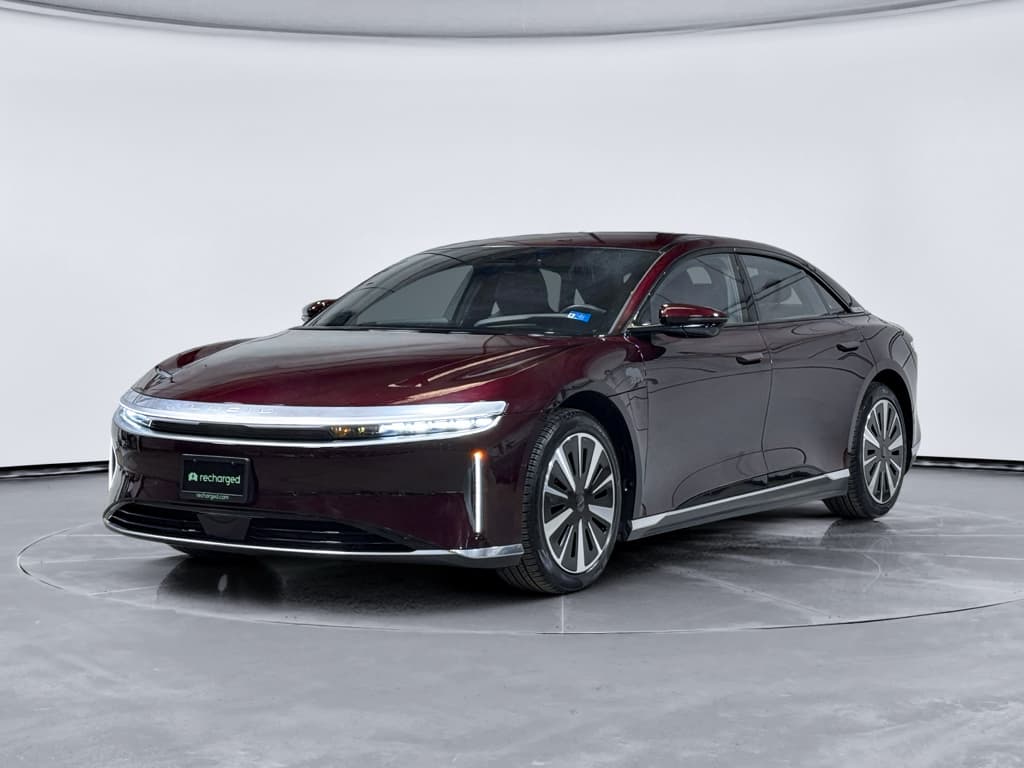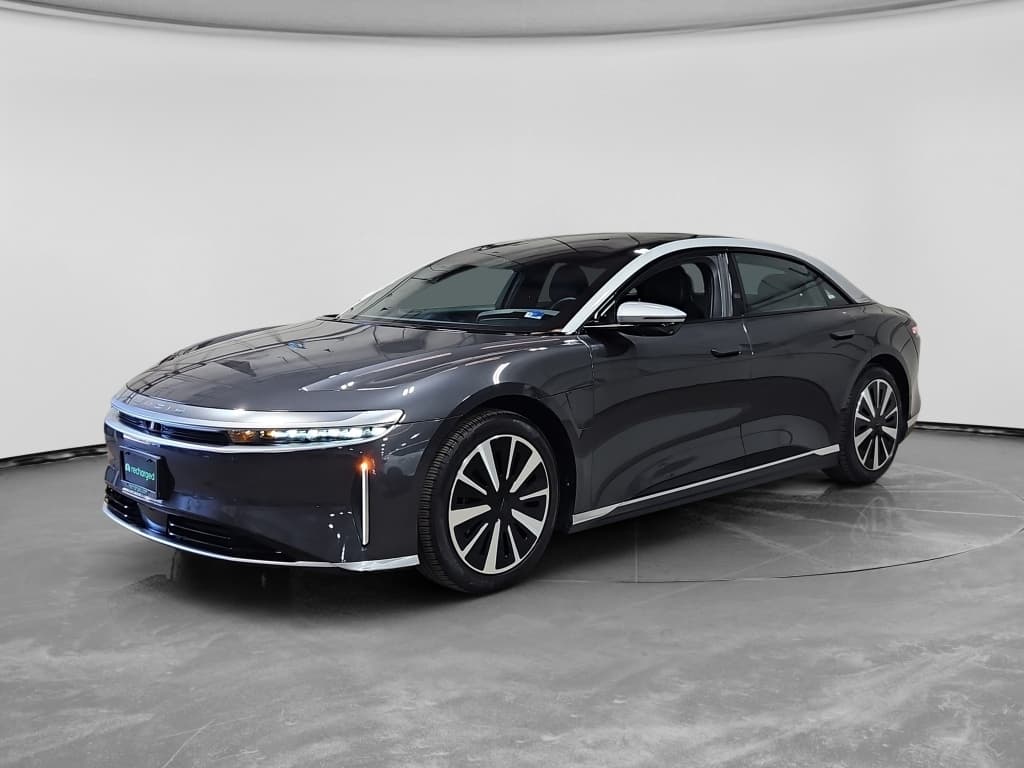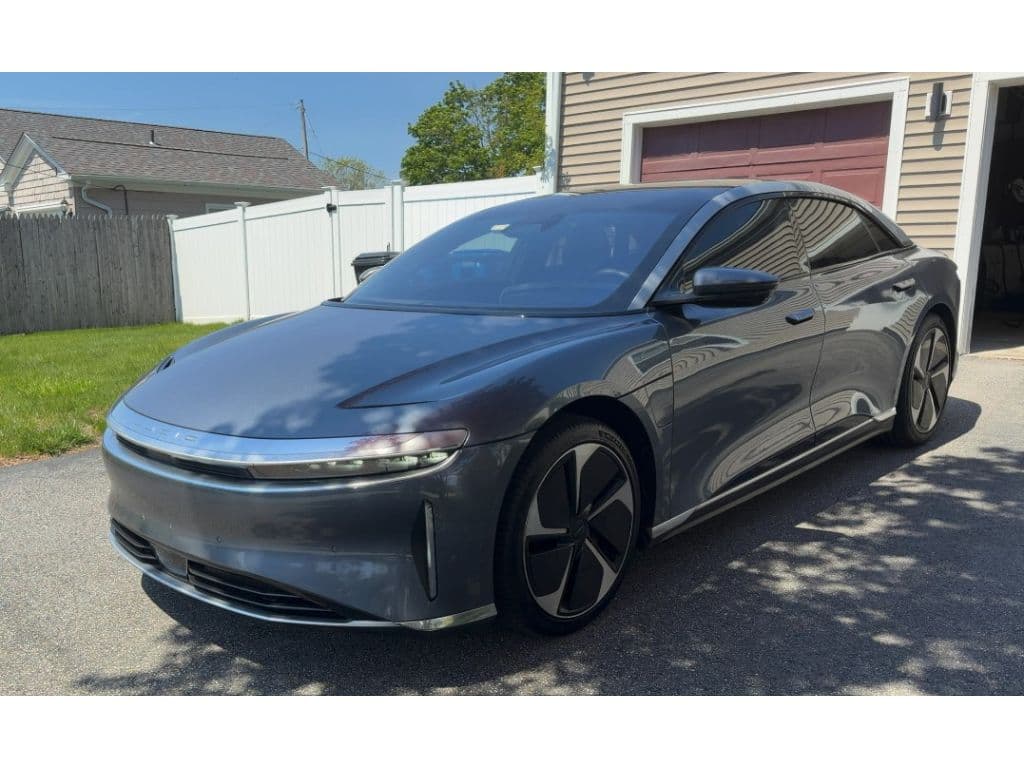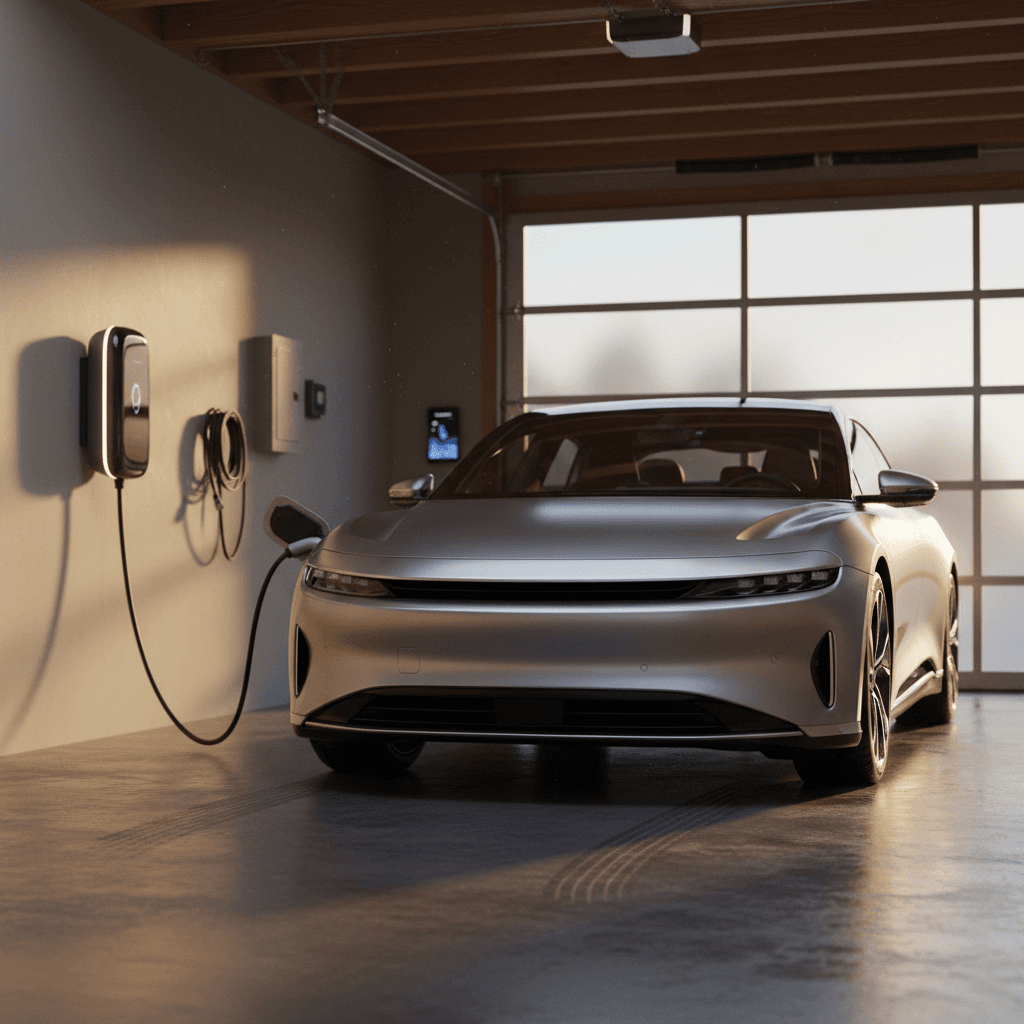
Owning a Lucid Air without a solid home‑charging plan is like buying a six‑figure espresso machine and never installing plumbing. The car’s 900‑plus‑volt architecture and 19.2 kW onboard AC charger are overachievers; your job is to give them the right outlet to shine. This guide walks you through exactly how to charge a Lucid Air at home, from a humble 120V plug to Lucid’s 80‑amp wallbox, plus what it means for your electrical panel, your electric bill, and your battery’s long‑term health.
Good news for Lucid owners
Lucid Air home charging basics
Before you start shopping for hardware, it helps to understand what your Lucid Air is capable of accepting from the wall. The Lucid’s onboard AC charger can take up to about 19.2 kW at 240V (80 amps) on most trims, which is far more than the 7.7–11.5 kW typical of many other EVs. In plain English: if your house can supply enough juice, the car can add range very quickly on Level 2 power.
- Connector: SAE J1772 for AC at home (built into the Lucid Air charge port).
- Max AC power: up to roughly 19.2 kW on a 240V, 80A circuit, depending on model and settings.
- Battery sizes: large packs (70–110+ kWh), so full charges from empty are rare in day‑to‑day use.
- Typical use: most owners top up overnight from 20–80% rather than “filling” from 0–100%.
Think in "miles per hour" of charge
Level 1 vs Level 2: Your Lucid Air home charging options
At home, you’re almost always talking about AC charging, which comes in two flavors: Level 1 (120V) and Level 2 (240V). The Lucid Air can use both, but they deliver very different real‑world experiences.
Home charging options for your Lucid Air
From “better than nothing” to “I never think about range again.”
Level 1: 120V household outlet
What it is: A standard three‑prong wall outlet using the Lucid mobile charging cable (if included) or a compatible third‑party EVSE.
- Power: ~1.3–1.9 kW (typically 12–16 amps).
- Speed: Roughly 3–5 miles of range per hour.
- Best for: Very low daily mileage, apartment dwellers, or temporary setups.
Think of this as an emergency drip charger. It works, but a big‑battery Lucid will take days to refill from low state of charge.
Level 2: 240V dedicated circuit
What it is: A 240V circuit like you’d use for an electric dryer, powering either the Lucid Connected Home Charging Station or another Level 2 wallbox.
- Power: 7.7–19.2 kW depending on breaker size and charger.
- Speed: Roughly 25–80+ miles of range per hour.
- Best for: Pretty much every Lucid Air owner with access to off‑street parking.
This is the setup that turns your driveway into your own private “fast” charger.
Check what came with your car
Using the Lucid Connected Home Charging Station
Lucid’s own Level 2 wallbox, the Connected Home Charging Station, is designed to match the car’s overbuilt charging hardware. In its 80‑amp configuration, it can feed your Air up to roughly 19.2 kW, which is serious home charging, think “track day today, full battery again by dinner.”
Lucid Connected Home Charging Station at a glance
If you’re going all‑in on a long‑term home for your Lucid, the Lucid wallbox is a compelling, if premium, choice. It’s especially attractive if you want to future‑proof for bi‑directional features as Lucid continues to expand vehicle‑to‑vehicle and eventual vehicle‑to‑home capabilities.
Steps to set up a Lucid Connected Home charger
1. Confirm your electrical panel capacity
A full‑fat 80A wallbox typically needs a <strong>100A breaker</strong> and enough headroom in your main panel. An electrician can run a load calculation to see if you’re good, or if you need a panel upgrade.
2. Choose your mounting location
Ideally, install the charger inside a garage or under a carport, close to where the Lucid Air’s charge port sits. Consider cable reach if you might park nose‑in or back‑in.
3. Hire a licensed electrician
Lucid recommends working with an experienced EV installer. Many owners use national networks like Qmerit, but any qualified electrician who follows the installation manual is fine.
4. Decide on amperage settings
Your electrician can set the charger’s maximum current to match your breaker (e.g., 40A, 60A, 80A). Oversizing the wallbox and dialing it down for now can make future panel upgrades easier.
5. Connect Wi‑Fi and test charging
Once powered up, follow the Lucid guide to connect the wallbox to Wi‑Fi, then plug in your Air. Verify the car’s charging screen shows the expected amperage and estimated time to full.
Don’t DIY the 240V stuff
Charging on standard outlets and third‑party wallboxes
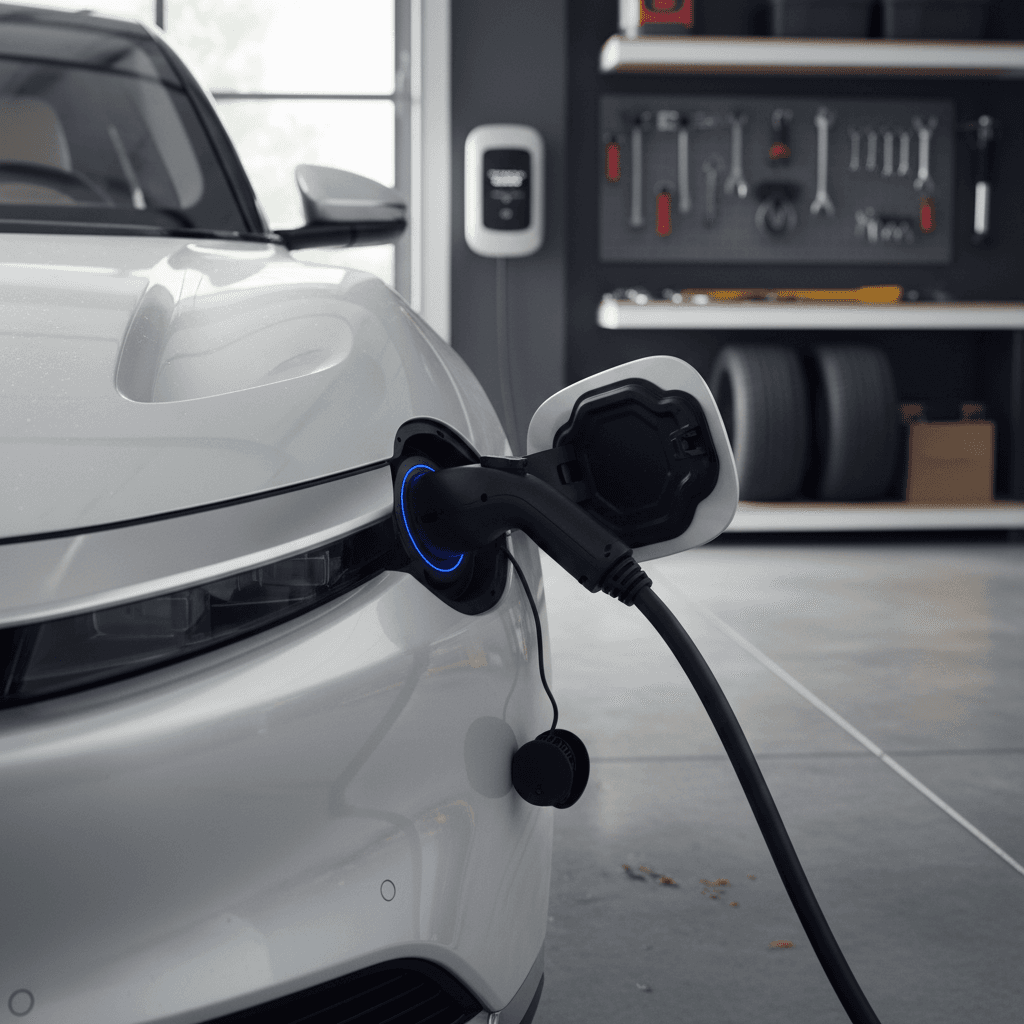
You don’t have to buy Lucid‑branded hardware to charge a Lucid Air at home. In fact, many owners install a generic J1772 Level 2 wallbox or use the included mobile charger on a 240V outlet. The car only cares that it’s getting safe, properly wired AC power within spec.
Option A: 120V & 240V with the mobile cable
If your Lucid came with the factory mobile charging cable, it likely includes swappable plugs for 120V and 240V (NEMA 14‑50) outlets.
- Pros: Lower upfront cost, flexible, easy to take on trips.
- Cons: Cable management is messy, slower than a high‑amp wallbox.
- Best use: Garages with an existing 240V outlet and modest daily driving.
Option B: Universal Level 2 wallbox
A third‑party 40A–60A J1772 wallbox is the sweet spot for many Lucid owners.
- Pros: Clean installation, built‑in cable hanger, app features on some units.
- Cons: Limited to their rated amperage (e.g., 9.6–14.4 kW), so you won’t hit the Lucid’s 19.2 kW ceiling.
- Best use: Single‑EV households that want reliable overnight charging without expensive panel upgrades.
Tesla wallbox with adapter? Yes, but be careful
Electrical requirements, panel upgrades, and install costs
The Lucid Air will happily soak up whatever safe power you feed it; the limiting factor is almost always your house. Before you order an 80‑amp wallbox, you need to know what your panel can realistically support.
Common home charging setups for Lucid Air owners
How different breaker sizes translate into charging speed and use cases.
| Circuit / Charger | Max Amps to Car | Approx. kW @ 240V | Miles of Range per Hour* | Typical Use Case |
|---|---|---|---|---|
| 120V outlet (Level 1) | 12A | 1.4 kW | 3–5 mi/hr | Apartments, very light driving, backup option |
| 240V / 30A circuit | 24A | 5.8 kW | 15–20 mi/hr | Older wiring, condo garages, overnight top‑ups |
| 240V / 40A circuit | 32A | 7.7 kW | 20–30 mi/hr | Moderate daily commute, home by 6, full by morning |
| 240V / 60A circuit | 48A | 11.5 kW | 30–45 mi/hr | Heavier driving, two‑driver households sharing the Lucid |
| 240V / 100A circuit (Lucid wallbox) | 80A | 19.2 kW | 60–80+ mi/hr | High mileage, same‑day recharge, or short off‑peak windows |
Actual miles per hour of charging vary by Lucid trim, weather, and your efficiency, but these ranges are realistic ballparks.
Installation costs are wildly variable, running a short 40A circuit to a garage wall might cost a few hundred dollars, while a panel upgrade plus long conduit run can run into the low thousands. This is why a site visit from an electrician (with photos of your panel and parking area) is worth more than any generic quote.
Ask your utility about rebates
How long it actually takes to charge a Lucid Air at home
Clock‑watching a Lucid Air from 0–100% at home is a bit like timing a glacier; you’ll almost never do it. What matters is how long it takes to recover your typical daily driving overnight, or to go from, say, 20–80% before your morning commute.
- On Level 1 (120V, ~1.4 kW): adding ~30–40% overnight might be realistic if you don’t drive much, days, not hours, for big swings.
- On a mid‑range Level 2 (40A / 7.7 kW): 20–80% can often be done in roughly 6–8 hours, easily covered by an overnight session.
- On a high‑power Level 2 (80A / 19.2 kW): a 20–80% refill can often be wrapped in about 3–4 hours, depending on pack size and conditions.
The key metric: miles added while you sleep
Battery health: Daily charging habits that help your Lucid age gracefully
The Lucid Air’s battery is a top‑shelf piece of engineering, but chemistry is chemistry. How you charge at home has more impact on long‑term degradation than how often you visit a DC fast charger on road trips.
Battery‑friendly home charging habits
Stay in the 20–80% zone for daily use
Use the car’s charge‑limit setting to cap daily charging around 70–80%. Reserve 100% charges for road trips where you immediately depart, not for the Tuesday commute.
Prefer Level 2 over DC fast charging
AC home charging at modest power is typically easier on the pack than repeated high‑power DC fast charging. Let the car sip steadily overnight instead of slam‑charging at lunchtime.
Avoid leaving it full or empty for days
If you’re parking at the airport for a week, don’t leave the car at 100% or near empty. Aim for somewhere in the 40–70% range before you walk away.
Use scheduled charging to manage heat
In very hot or very cold climates, use a scheduled start time so charging (and battery conditioning) happens closer to your departure, not 10 hours before.
Don’t obsess over every percent
Smart charging schedules, off‑peak rates, and load management
Charging a Lucid Air at home is also an exercise in economics. With a big pack and potentially high charge speeds, when you charge may matter as much as how you charge, especially if your utility uses time‑of‑use rates.
Two knobs you can turn: when and how hard
Use schedules and amperage settings to keep both your bill and your breaker happy.
Use scheduled charging
Set a start time in the car or wallbox so most charging happens during off‑peak overnight hours. In many markets, that’s late evening to early morning.
This is especially important if your utility has a big price gap between peak (late afternoon/early evening) and off‑peak rates.
Dial back the amperage when needed
The Lucid Air lets you lower the max charge current in the car’s settings. If you’re tripping breakers or sharing a circuit with other big loads, reducing from 48A to 32A can make the difference.
You’ll still wake up full, just slightly later, with less stress on the rest of your home wiring.
Load management and future proofing
Home charging tips if you’re shopping for a used Lucid Air
If you’re eyeing a used Lucid Air, especially from a marketplace like Recharged, your home‑charging situation should be part of the buying decision, not an afterthought. The car can handle huge AC power; your house may not be ready on day one.
Used Lucid Air buyer checklist: charging edition
Confirm which charging accessories are included
Ask the seller whether the <strong>mobile charging cable</strong> is present and which pigtails it includes. Replacing it later isn’t cheap, and you’ll want to know if you can plug into 120V and/or a 240V outlet out of the box.
Match the car to your home electrical reality
If your panel is maxed out and a major upgrade isn’t in the cards, a mid‑power wallbox on a 40A or 50A breaker may be the realistic sweet spot. Design your charging plan around what your house can easily support.
Review charging data and battery health
On Recharged, every vehicle comes with a <strong>Recharged Score</strong> and battery‑health insights. A history that shows mostly home Level 2 charging and limited DC fast charging is a good sign for long‑term capacity retention.
Plan your charger before delivery day
Don’t wait until the Air is in your driveway with 12% battery to call an electrician. Get quotes, permits, and hardware in motion while the sale is closing so day one feels like you’ve owned the car for years.
Leaning on public charging at first? That’s fine, temporarily
FAQ: Lucid Air home charging questions, answered
Lucid Air home charging FAQ
Key takeaways: The simple playbook for charging a Lucid Air at home
If you strip away the mystique, charging a Lucid Air at home boils down to three moves: get a safe 240V circuit to where you park, hang a solid Level 2 charger on the wall, and set a sane daily charge limit. Whether you spring for the Lucid Connected Home Charging Station or a mid‑power third‑party wallbox, the experience is the same: you plug in at night, wake up with more range than you’ll reasonably use, and mostly forget that electrons are flowing at all.
If you’re still in the shopping phase, platforms like Recharged can help you find a used Lucid Air with verified battery health data and transparent pricing, plus guidance on matching the car’s enormous charging capability to your very real electrical panel. Get the house and the hardware right, and the Lucid Air becomes what it was always meant to be: a luxury sedan that quietly refuels itself while you sleep.