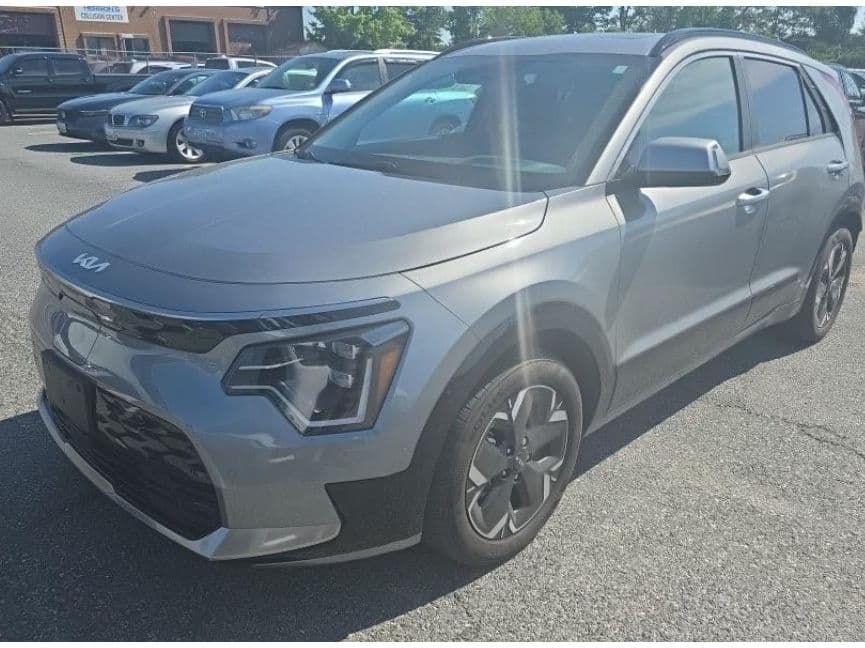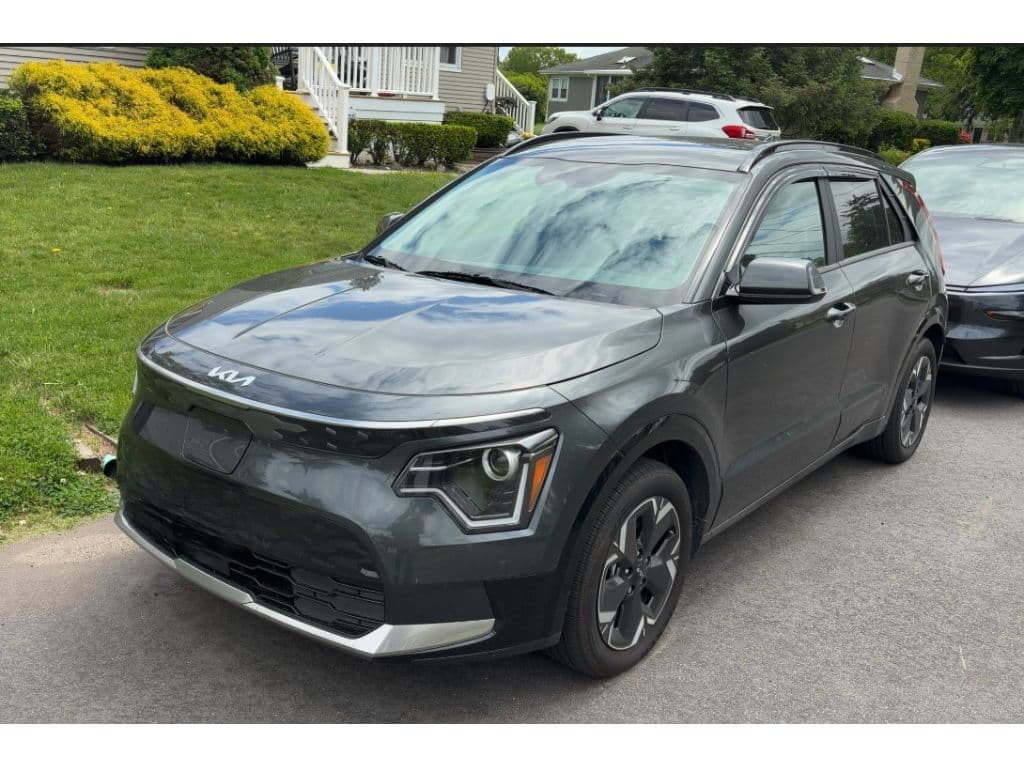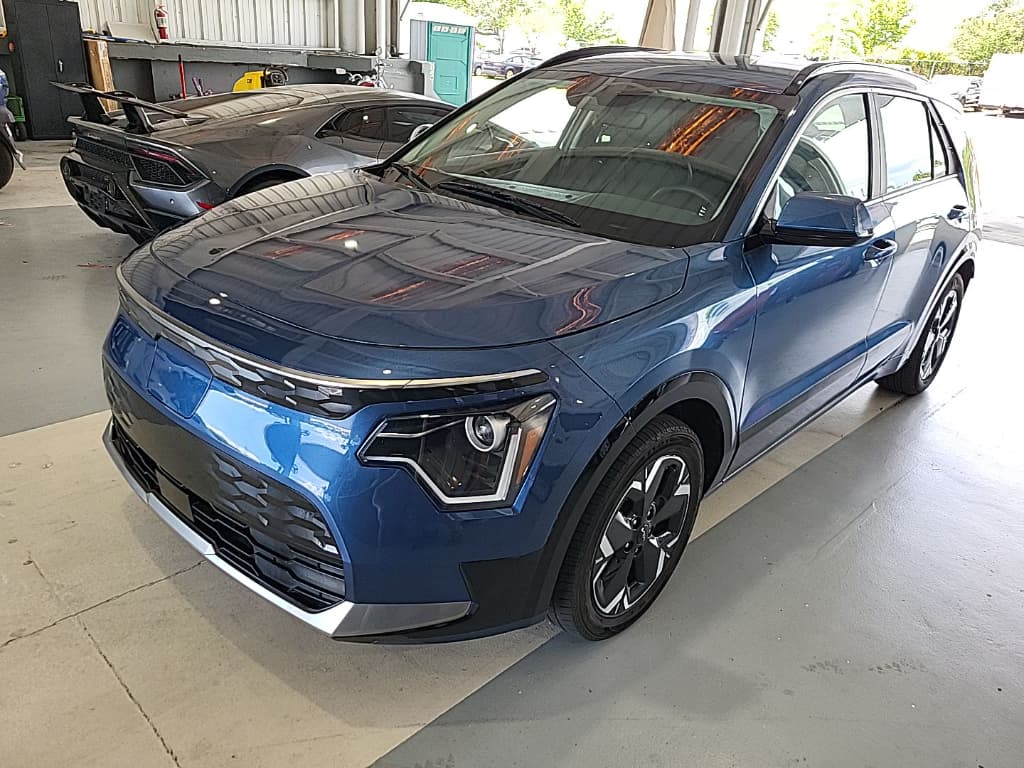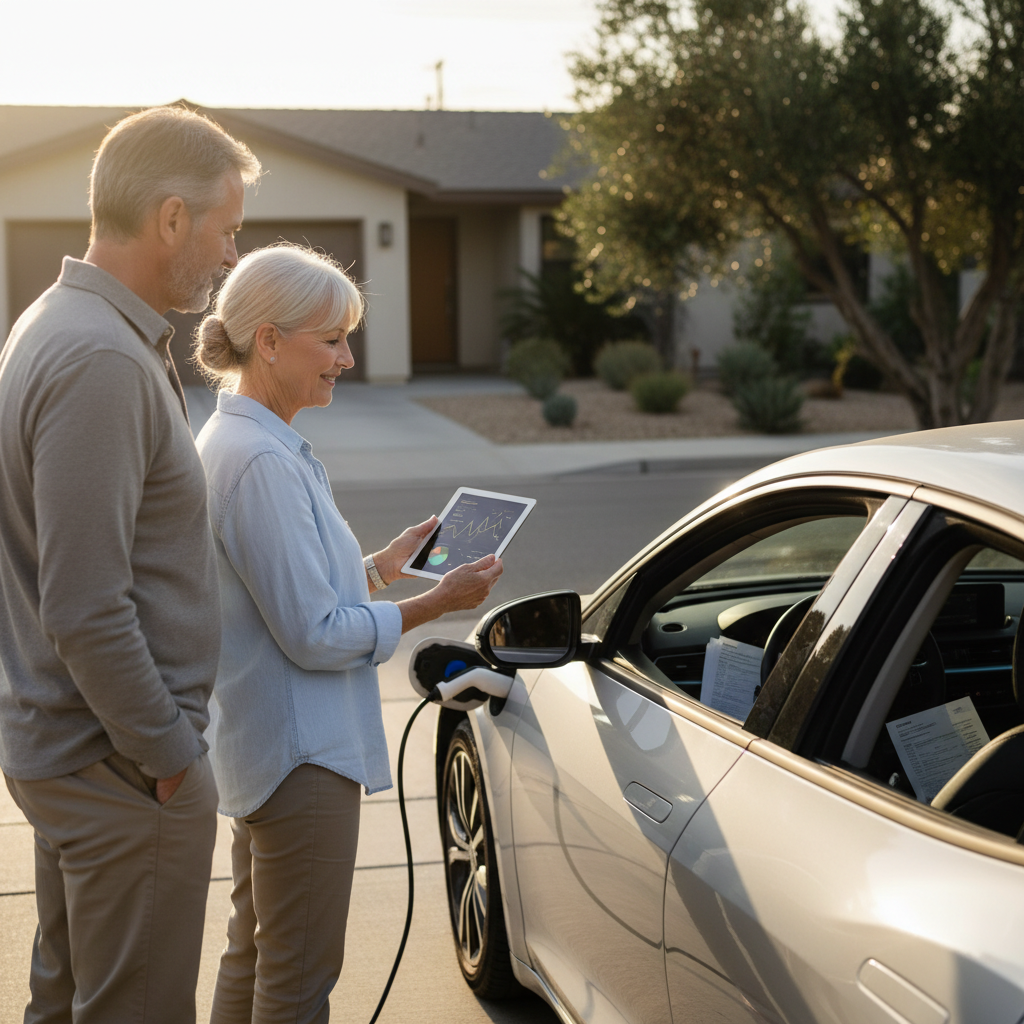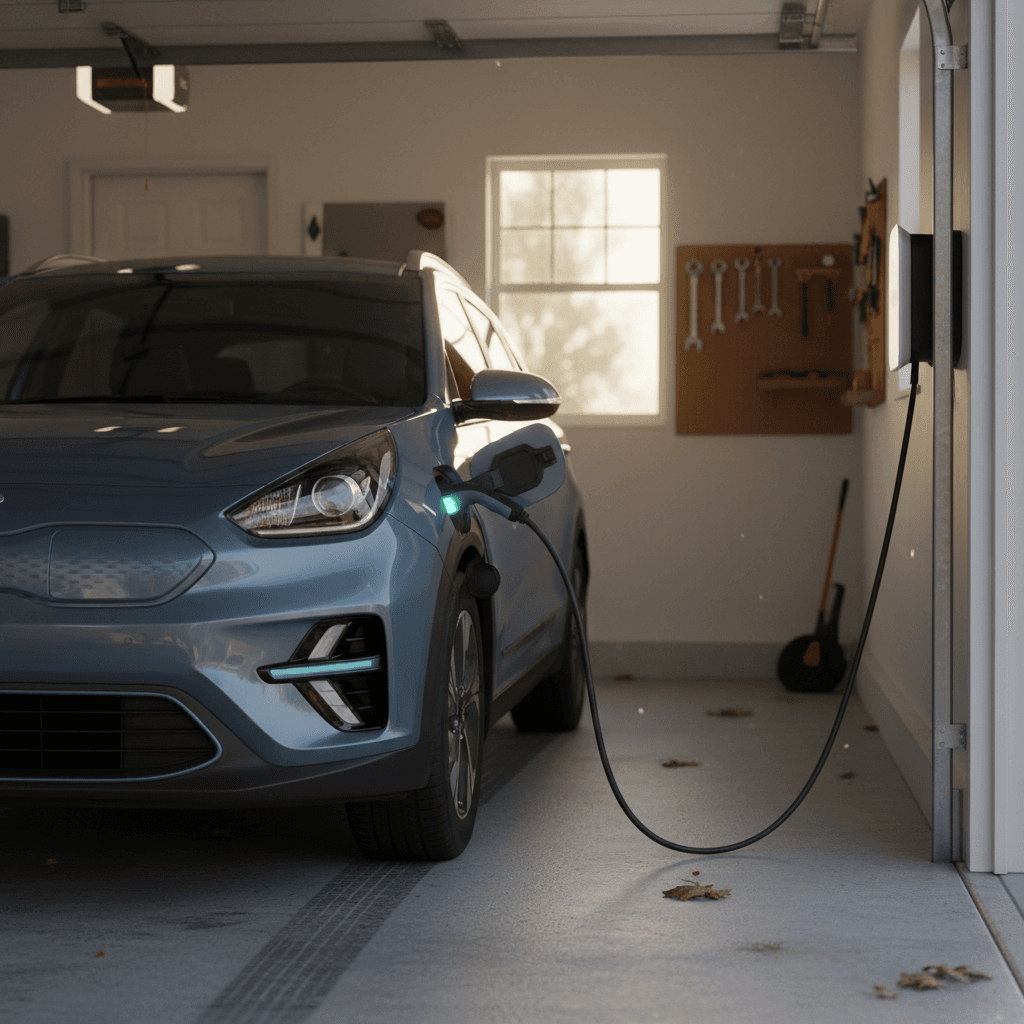
If you’ve just bought a Kia Niro EV, or you’re eyeing a used one on Recharged, the next question is blunt and practical: how do you charge a Kia Niro EV at home without turning your garage into a science project? The good news is the Niro is one of the easier EVs to live with. The trick is understanding the difference between a basic wall outlet and a proper Level 2 setup, and then matching that to your actual driving.
Key Niro EV charging numbers
Kia Niro EV home charging basics
Every Kia Niro EV, whether first‑gen or the newer body style, charges at home using AC power. You plug into a J1772 connector (North America) or Type 2 (Europe and some other markets), the onboard charger in the car converts AC to DC, and the pack slowly fills while you sleep. At home, you’re almost always using either Level 1 (120V) or Level 2 (240V) charging.
- Battery size: around 64–64.8 kWh usable on recent Niro EVs, good for ~230–260 miles of rated range depending on model year and test cycle.
- Onboard AC charger: earlier Niro EVs in the U.S. typically took ~7.2 kW; 2023+ U.S. models list an 11 kW onboard charger, which shortens Level 2 times when the wiring and charger can keep up.
- Home plug standard: in North America, you’ll use the J1772 inlet for AC at home and CCS for DC fast charging on the road. You don’t DC‑fast‑charge at home.
- Included cable: kia typically ships a portable Level 1 EVSE that plugs into a 120V wall outlet (sometimes called a “granny charger”). It works, but it’s slow.
Check your manual and label
Level 1 vs. Level 2 charging on a Kia Niro EV
Level 1 (120V household outlet)
- Uses a standard three‑prong outlet on a dedicated circuit.
- Delivers roughly 1.3–1.4 kW through the included portable charger.
- Adds about 3–4 miles of range per hour on a Niro EV.
- Full charge from empty can take 40–55 hours depending on model year and settings.
- Good for light daily driving, renters, or as a backup option.
Think of Level 1 as a slow IV drip: if you only drive 15–25 miles a day and you plug in every night, it can keep up. If you knock out 70+ miles a day, it probably won’t.
Level 2 (240V home charging)
- Uses a 240V circuit, similar to an electric dryer or oven.
- With a 32–40A Level 2 charger, you’re delivering 7–9.6 kW to the car.
- Adds roughly 25–35 miles of range per hour in a Niro EV.
- Full charge from empty in about 7–9 hours for recent 11 kW‑capable models.
- Best choice for most owners who can install it.
Level 2 is the point where a Niro EV genuinely feels "gas‑car easy", you park, plug, and wake up with a full battery almost no matter how your day went.
Match charger speed to your car
How long does it take to charge a Kia Niro EV at home?
Typical home charging times for a Kia Niro EV
Approximate times for a ~64.8 kWh Niro EV battery from low state of charge. Exact numbers vary by model year, temperature, and where you start and stop.
| Home setup | Power to car | Miles of range added per hour* | 0–80% charge time | 10–100% charge time |
|---|---|---|---|---|
| Level 1 – 120V, 12A (included cable) | ≈1.4 kW | 3–4 mi/hr | ≈35–40 hours | ≈45–55 hours |
| Level 2 – 240V, 16A | ≈3.8 kW | 10–12 mi/hr | ≈13–15 hours | ≈18–20 hours |
| Level 2 – 240V, 32A | ≈7.2 kW | 22–26 mi/hr | ≈7–8 hours | ≈9–11 hours |
| Level 2 – 240V, 40A (on 11 kW‑capable cars) | ≈9.6 kW (limited by car if lower) | 28–32 mi/hr | ≈5–7 hours | ≈7–9 hours |
Times are estimates, not lab results. Most owners rarely charge from absolute empty to 100%.
You almost never need 0–100% at home
What you actually need to charge a Niro EV at home
Core pieces of a sane Niro EV home‑charging setup
From bare‑minimum to "I never think about it again".
1. A safe, dedicated circuit
Whether you’re on 120V or 240V, the outlet or hard‑wired charger should be on a dedicated circuit sized correctly for continuous load. That means a 20A circuit for a 16A charger, a 40A breaker for a 32A charger, and so on.
2. An EVSE (charger) that fits your life
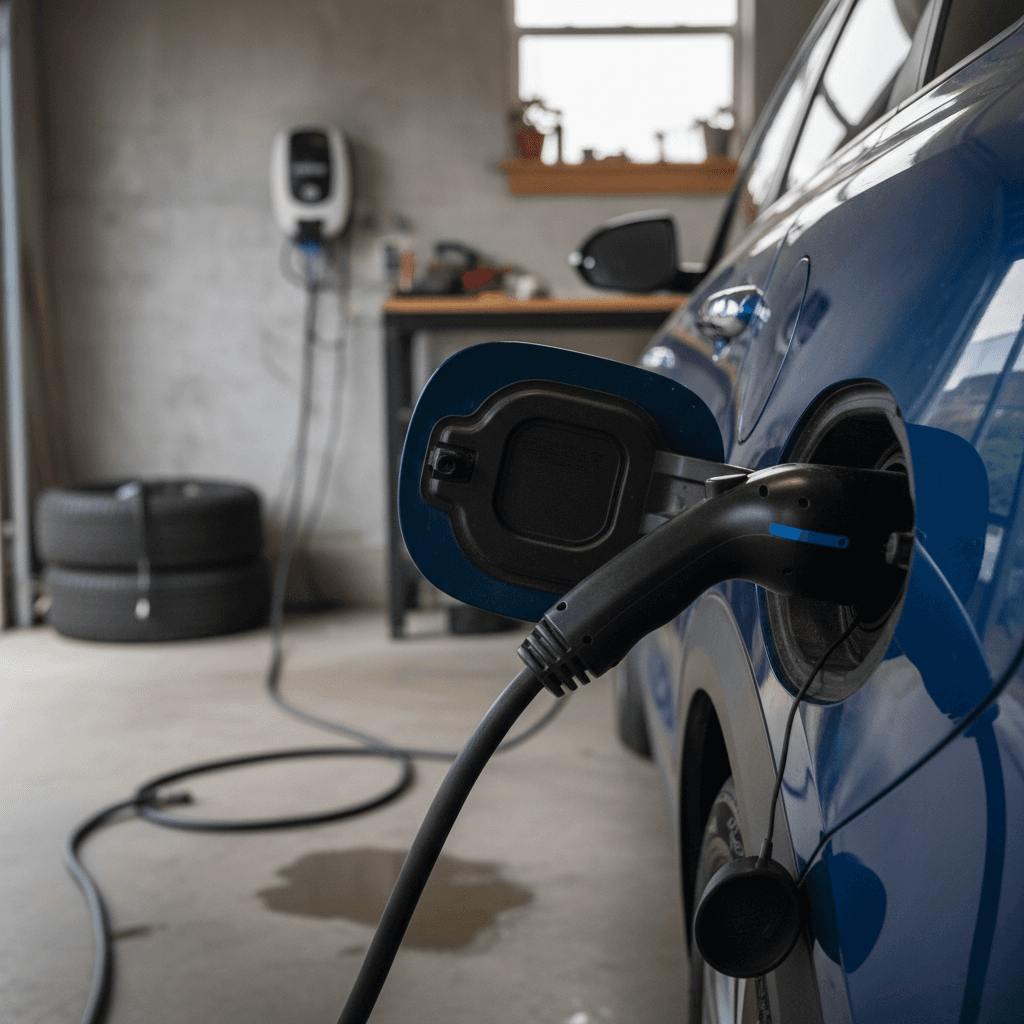
You can use the included Level 1 EVSE, a plug‑in Level 2 unit, or a hard‑wired wall box. Look for J1772 compatibility, adjustable current, and enough cable length to reach the Niro’s front‑mounted charge port.
3. A licensed electrician for 240V work
Installing or upgrading a 240V circuit is not a DIY hero moment. A licensed electrician can assess your panel, pull permits if needed, and install a NEMA 14‑50 outlet or hard‑wire a charger safely.
Don’t get clever with extension cords
Step-by-step: setting up home charging for your Niro EV
Home charging setup checklist
1. Confirm your driving pattern
Track a normal week of driving. If you average under 30 miles a day, you *can* limp along on Level 1. If you regularly see 50+ miles, Level 2 quickly goes from “nice” to “necessary.”
2. Decide Level 1 vs. Level 2
If you own your home and plan to keep an EV for years, a 240V Level 2 circuit is usually the best value. Renters and light‑mileage drivers may stick with the included 120V cable plus occasional public charging.
3. Check your electrical panel
Look for available breaker spaces and overall service size (e.g., 100A vs 200A panel). An electrician can tell you whether a 40–50A EV circuit is realistic or whether you should aim for a lighter 20–30A solution.
4. Choose a compatible Level 2 charger
Pick a trusted, UL‑listed EVSE with J1772, a weather‑appropriate cable, and settings that match your circuit. For most Niro owners, a <strong>32A plug‑in unit on a NEMA 14‑50 or 14‑30 outlet</strong> is a pragmatic balance of speed and cost.
5. Get a quote and schedule installation
Have an electrician quote the job: running the 240V line, installing the outlet or hard‑wiring, and any panel upgrades. Ask for a written estimate and confirm permits if required in your area.
6. Test, label, and set charge limits
Once installed, plug in your Niro EV, confirm current draw, and label the breaker "EV charger." In the car or app, set your desired charge limit (often 80–90% for daily use) and, if available, your preferred charging hours.
Where Recharged fits in
Ready to find your next EV?
Browse VehiclesSmart charging settings and daily habits
Once the hardware is in place, living with a Niro EV is more about routines than gadgets. The car gives you enough control to keep charging cheap, convenient, and easy on the battery, if you actually use the settings.
Daily charging habits that make a Niro EV effortless
Small tweaks, long‑term payoff.
Use scheduled charging
If your utility has cheaper overnight rates, set a start time in the car or app so it charges during off‑peak hours. You can also set a departure time so the Niro finishes charging right before you leave.
Set a sane daily charge limit
For daily use, many owners set the limit to around 80–90% instead of 100%. That gives you plenty of range for commuting while avoiding high‑voltage stress on the pack day after day.
Plug in when you park at home
Make it a reflex: park, plug, forget. Even on Level 1, topping off frequently keeps you from ever waking up to a surprise low‑battery situation the morning of a long drive.
Be kind in extreme temperatures
Cold and heat slow charging and reduce range. If it’s icy out, pre‑condition the cabin while still plugged in so the energy comes from the grid instead of your battery.
What it really costs to charge a Kia Niro EV at home
The Niro EV is a cheap date when you charge at home. With a roughly 64.8 kWh battery, a "full" charge from low state of charge is on the order of 60–65 kWh from the wall once you account for charging losses. Multiply that by your electric rate and you have your answer.
Ballpark home‑charging costs for a Niro EV
Gas vs. electrons in real life
Charging in a way that protects battery health
The Niro EV’s battery chemistry is not fragile crystal stemware, but it does respond to how you charge it. The same common‑sense rules that apply to other modern EVs apply here, and they all start at home because that’s where most charging happens.
- Avoid living at 100%. It’s fine to charge to 100% before a road trip, but let the car sit most nights around 50–80% if you can.
- Don’t fear partial charges. Topping from 40% to 70% is normal and healthy. Lithium‑ion batteries don’t have a memory effect.
- Keep it cool when possible. If you live in a hot climate, garage the car or at least avoid baking it in full sun at 100% state of charge day after day.
- Use DC fast charging as a tool, not a habit. Home AC charging is gentler on the pack. Save DC fast charging for trips and emergencies.
What Recharged’s battery data tells us
Troubleshooting common home charging issues
Home charging problems in a Niro EV usually aren’t mysterious; they’re electrical plumbing issues wearing a software mask. Here are the ones that show up over and over in owner forums and service visits.
Common “why is my Niro charging like molasses?” problems
And what to do before you panic‑book a service appointment.
Charges but painfully slowly
Check the amp setting in your charger and the car. If the EVSE is limited to 8–10A on 120V, you’ll see glacial speeds. On Level 2, make sure you’re actually on a 240V circuit, not a mislabeled 120V outlet.
Charging stops partway through
Often a sign of a weak circuit or overheated outlet. Feel the outlet (carefully); if it’s hot, stop and call an electrician. Loose connections and cheap receptacles don’t mix with continuous high loads.
App says one thing, car says another
Trust the car’s in‑dash display over the app estimate. App readings can lag or mis‑detect voltage. If in doubt, time a session with a watch and compare miles added to hours plugged in.
When to call a professional
Is your home charging ready for a used Niro EV?
If you’re shopping the used market, home charging should be part of the test drive. Before you sign anything, make sure your panel can support a sensible Level 2 setup and that parking lines up with where a charger could go. With Recharged, you can preview a Niro EV’s Recharged Score and battery health before purchase, then talk through home‑charging options with an EV‑savvy specialist so the car and your house are on the same team from day one.
FAQ: Kia Niro EV home charging
Frequently asked questions about charging a Kia Niro EV at home
Charging a Kia Niro EV at home doesn’t have to be a lifestyle change; done right, it fades into the background. Decide honestly whether Level 1 can cover your miles or whether a 240V Level 2 circuit makes more sense, have an electrician do the heavy lifting, and then let scheduled charging and sensible limits handle the rest. If you’re looking at a used Niro EV, pairing the car’s Recharged Score with a realistic home‑charging plan is how you get all the quiet, instant‑torque goodness of electric driving without any of the range‑anxiety drama.