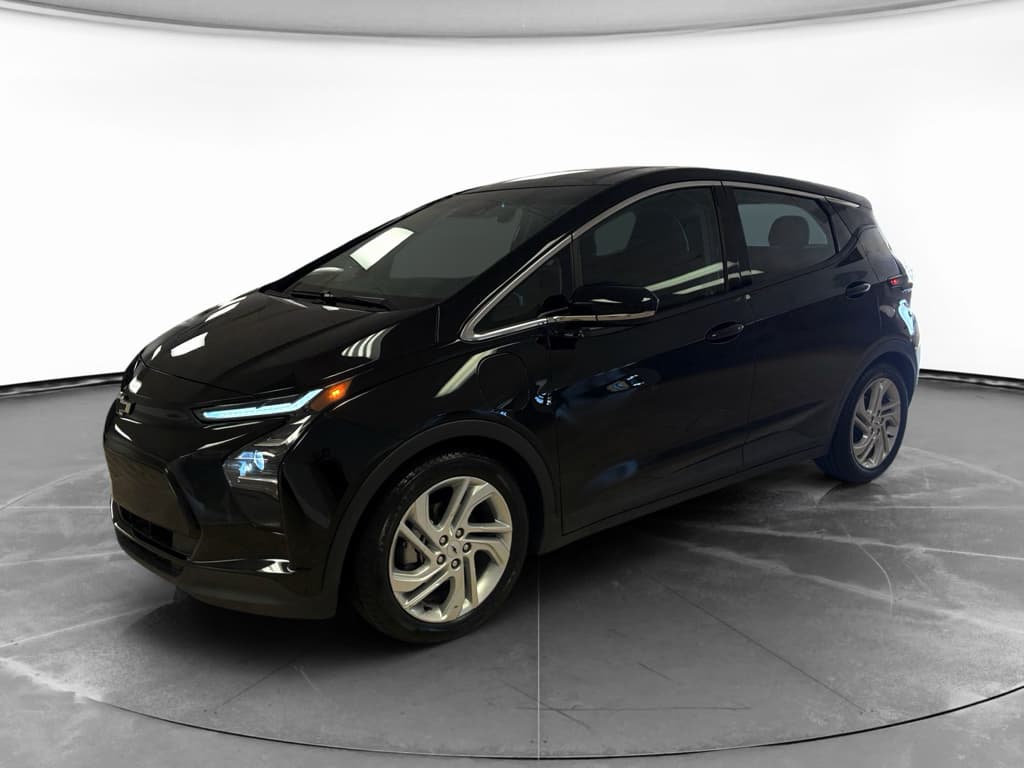
You’ve typed “how much is my EV worth calculator” into a search bar because you don’t just want trivia, you want a real number you can use to trade in, sell, or refinance your electric car. The challenge? Most generic car value tools were built for gas vehicles, not for cars whose value lives and dies on battery health, range, and fast‑charging capability.
EV values are moving targets
Why EV value calculators matter (and where they fall short)
Online calculators are great for getting a ballpark value for your EV in under a minute. They scrape recent sales data, auction results, and dealer transactions to estimate what someone like you might get in today’s market. That’s useful whether you’re trading in at a dealer, selling to a marketplace like Recharged, or listing the car yourself.
Where calculators help
- Give you a quick sanity check before you accept a lowball offer.
- Show price ranges for trade‑in vs. private party.
- Let you compare what different trim levels and mileage do to value.
- Help you decide if selling now or waiting a year makes sense.
Where calculators struggle
- They often ignore battery state of health (SoH).
- They can lag fast‑moving EV price changes by months.
- They may lump your EV in with gas cars on depreciation curves.
- They rarely account for DC fast‑charging speed, software, or regional charging access.
Don’t confuse estimate with offer
How “how much is my EV worth” calculators actually work
Under the hood, most valuation tools start with the same ingredients: book data plus recent sales. They look at what similar vehicles, same year, make, model, trim, mileage, and zip code, have sold for recently at auctions and retail. Then they layer in seasonal trends and regional demand for EVs.
What recent data says about EV depreciation
Traditional guides still assume a fairly smooth curve: lose the most value in the first three years, then taper off. With EVs, that curve gets warped by technology leaps (newer models with much better range) and policy changes (tax credits that make new cars cheaper, dragging used prices down). That’s why two calculators can be thousands of dollars apart on the same car.
Inputs you should have ready before using any EV value calculator
Six details that make any EV value calculator smarter
Have these ready before you start plugging numbers into an online tool.
1. Exact trim & options
2. Accurate mileage
3. Battery & range details
4. Charging capability
5. ZIP code & climate
6. Condition & history
Pro move: gather your paperwork
Battery health: the missing input in most EV value tools
If there’s one thing traditional car calculators were not built for, it’s battery state of health. For gas cars, mileage and maintenance tell most of the story. For EVs, a 5‑year‑old car with 92% SoH is a completely different animal than the same car at 76% SoH, even if the odometers match.
Across today’s EV market, packs that still show 90–95% of their original capacity typically sell at a premium, while cars under about 80% SoH can see 10–20% discounts compared with healthy examples. That’s simply buyers pricing in reduced range, more frequent charging, and the specter of a future battery replacement.
How Recharged bakes battery health into value

A quick back‑of‑the‑napkin EV value check
Let’s say you want a fast reality check before you go hunting for a polished “how much is my EV worth” calculator. You can get surprisingly close with a simple three‑step estimate you can run in your notes app.
3‑step shortcut to sanity‑check your EV’s value
1. Start with realistic market value new
Look up what a similar new EV is retailing for today (not the original MSRP). This is your modern reference point, what someone would pay to drive a comparable new one off the lot.
2. Apply age & mileage depreciation
For many mainstream EVs, assume roughly 50–60% value loss in the first five years, front‑loaded into years 1–3. As a quick hack, you might estimate ~12–15% off the current new‑car price per year for the first three years, then 7–10% per year after, adjusting up or down if your mileage is far from average.
3. Adjust for battery health and condition
If your battery SoH is 90%+ with documentation, nudge the estimate up a few percent. If it’s under ~80%, or if the car has cosmetic or accident history issues, shave off 10–20%. Then sanity‑check that number against a couple of online calculators and current listings for your model.
When the math lines up, you’re close
Choosing the right EV value calculator or tool
Not all valuation tools speak EV fluently. The best “how much is my EV worth” calculators today either specialize in electric vehicles or explicitly ask for EV‑specific details like battery health or DC fast‑charging capability. When you’re comparing tools, watch not just the number, but the questions they ask to get there.
Types of EV value calculators and what they’re best for
Use more than one tool if you’re making a big decision like selling or trading in.
| Tool type | What it uses | Best for | Watch out for |
|---|---|---|---|
| Traditional book‑value sites | Year, make, model, mileage, ZIP, generic condition | Quick baseline, especially for older EVs with lower prices | Often ignore battery health and charging speed, may misprice short‑range EVs |
| Specialized EV marketplaces | Recent EV‑only transactions, battery data, demand by model | Real‑world retail pricing and what buyers actually pay | Some show list prices, not final sale prices |
| Instant offer tools | Your vehicle inputs + live wholesale and retail data | Seeing a concrete cash or trade‑in number quickly | Fine print on fees, reconditioning charges, and how long offers stay valid |
| DIY spreadsheet + listings | Current asking prices on marketplaces for your exact model | Understanding your competition and pricing a private sale | Asking prices aren’t sold prices; sellers often start high |
Think of calculators as second opinions, not one‑click answers.
Use at least two viewpoints
Turning a calculator estimate into a real offer
Once you have an estimated value range, the next step is to see who’s willing to put money behind that number. That’s where instant offers, trade‑ins, and consignment come in. The more transparent your documentation, especially around battery health, the closer your real offer should be to the high end of any calculator’s range.
Three main paths from calculator to cash
Each has different effort and payoff.
1. Instant cash offer
2. Trade‑in toward another vehicle
3. Consignment or guided sale
Where Recharged fits
Common mistakes people make with EV value calculators
- Using only one calculator and assuming it’s gospel.
- Entering trim or options incorrectly (especially on Teslas and other software‑defined EVs).
- Ignoring battery health entirely, or guessing at SoH without data.
- Comparing your EV only to gas cars of the same age and price.
- Overlooking tires, cosmetic damage, or cracked glass that will obviously cost a buyer money.
- Forgetting that tax credits and new‑car incentives can suddenly drag down used prices.
Be honest with your inputs
FAQ: EV value calculators and real‑world pricing
Frequently asked questions about EV value calculators
The bottom line on figuring out what your EV is worth
An online “how much is my EV worth” calculator is a great starting point, but it’s only as smart as the data you feed it, and the EV‑specific signals it knows how to read. Age, mileage, and ZIP code still matter, but battery health, range, charging speed, and software are what separate a so‑so estimate from a real‑world number you can take to the bank.
Use calculators to frame a realistic value range, cross‑check that range against current listings for your exact model, and then ask at least one EV‑savvy buyer or marketplace for a written offer. If you want support from people who live and breathe used EVs, Recharged can help you understand your car’s Recharged Score, line up financing or trade‑in options, and even handle a fully digital sale from your driveway. That’s when the question “What’s my EV worth?” finally turns into a clear, actionable answer.