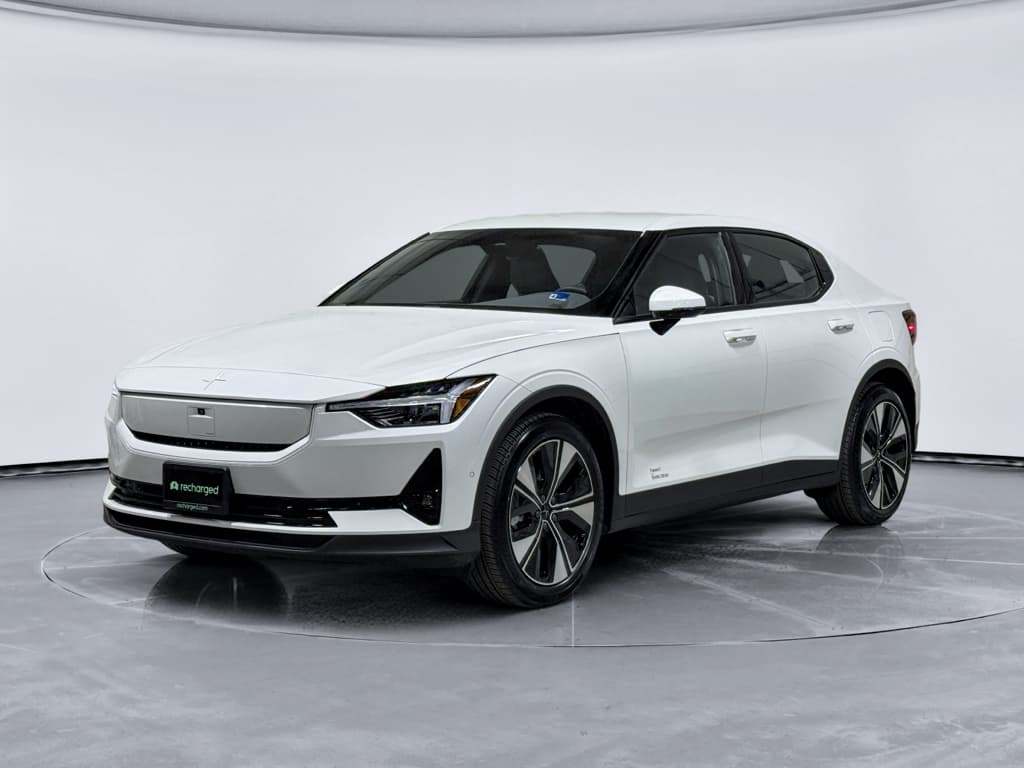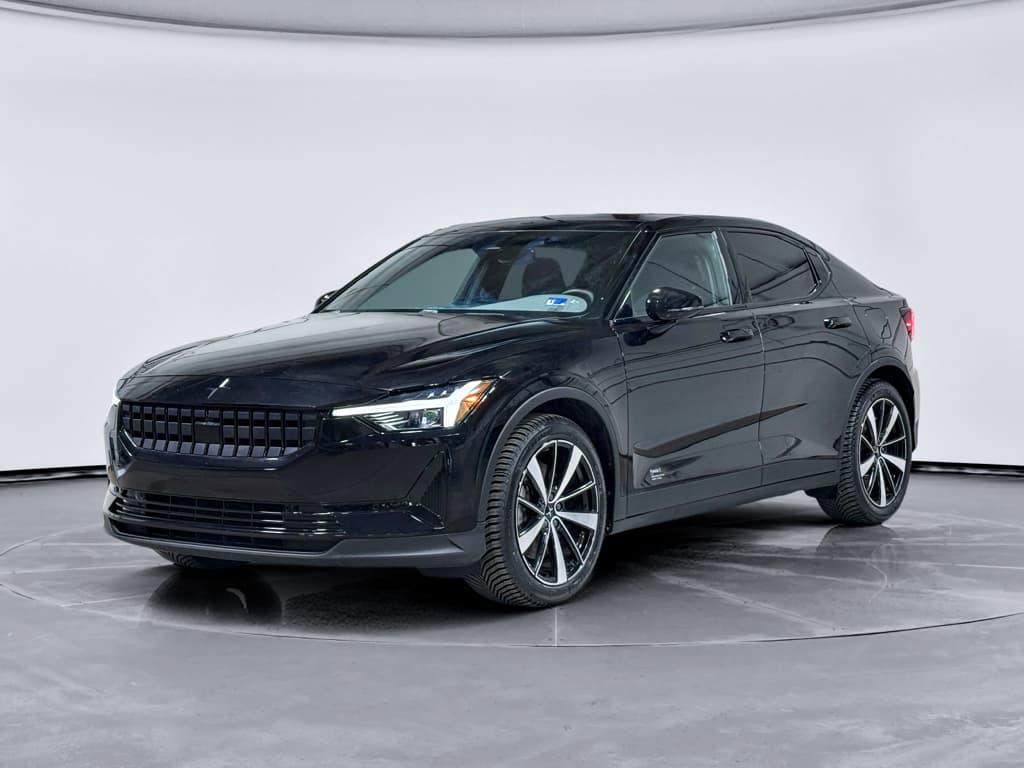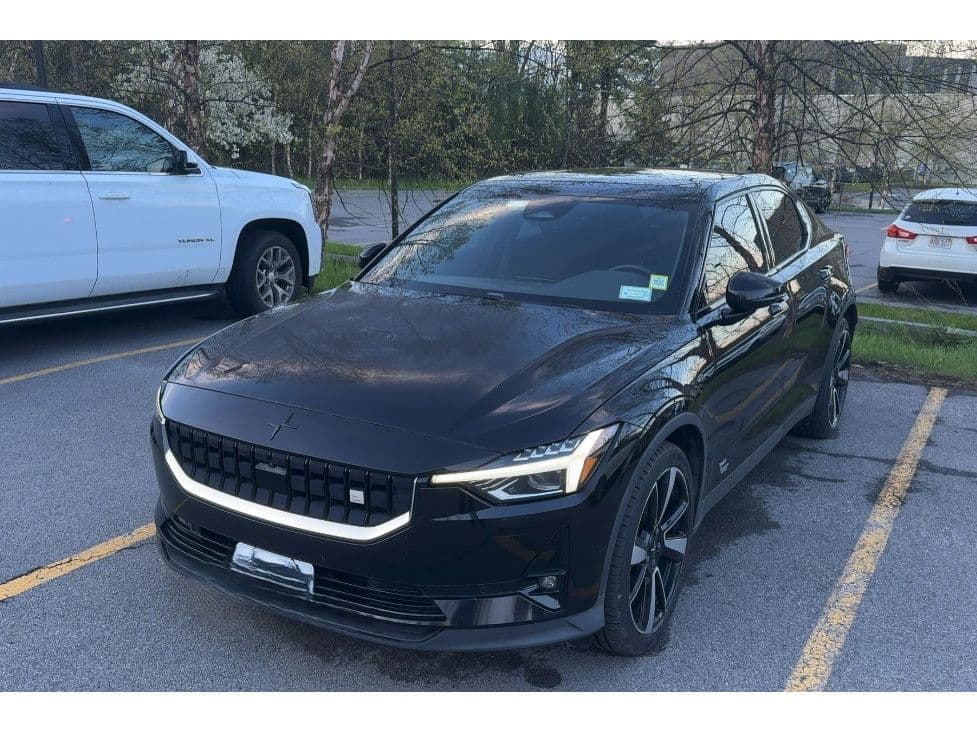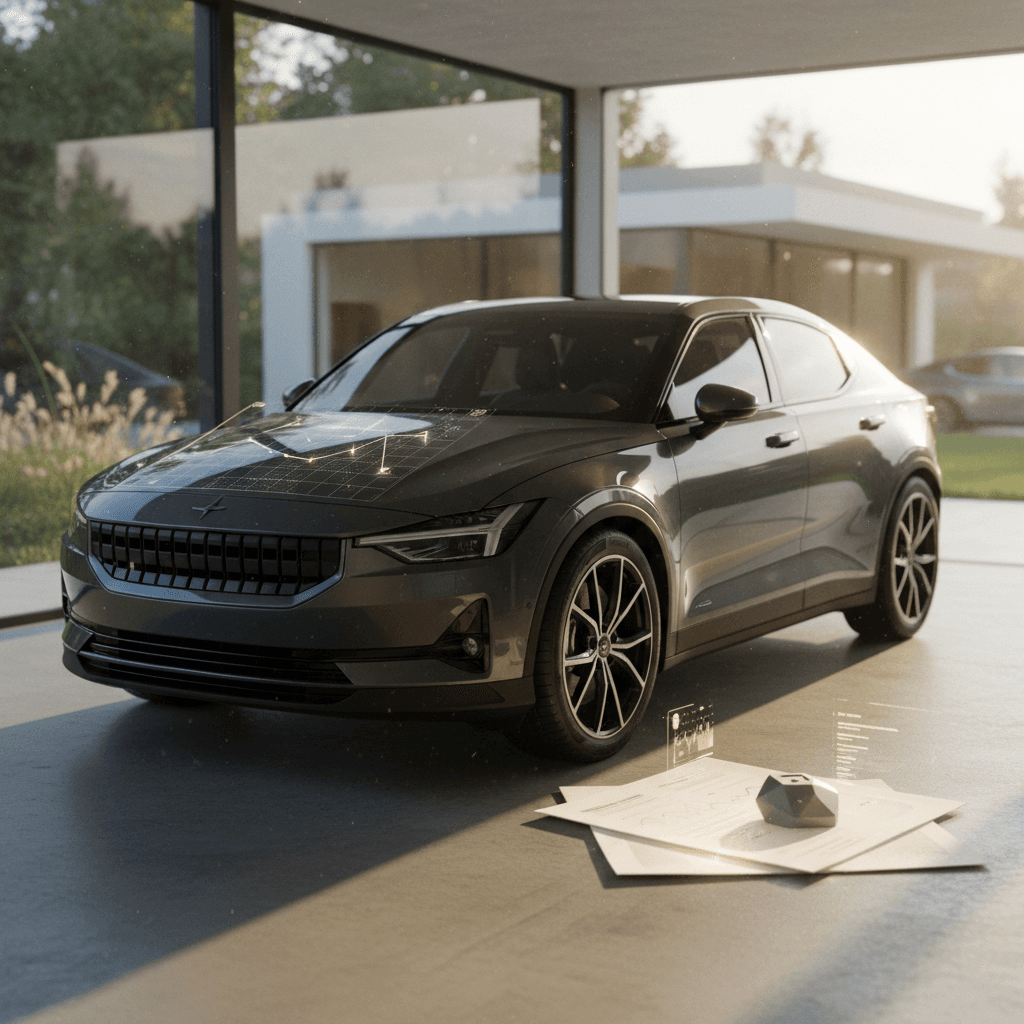
If you’re asking, “How much is insurance on a Polestar 2?” you’re already thinking like a smart EV shopper. Insurance is one of the biggest ongoing costs after you buy the car, and electric vehicles, especially premium ones like the Polestar 2, can carry higher premiums than a comparable gas sedan. Let’s break down what you can realistically expect to pay in the U.S. and what you can do to keep your bill in check.
Quick answer
Polestar 2 insurance cost overview
Typical Polestar 2 insurance picture (U.S.)
Insurers don’t publish a single, universal number for “Polestar 2 insurance.” Instead, they price your policy based on risk: your ZIP code, age, credit, driving record, annual mileage, coverage limits, deductibles, and even whether the car is financed. For many drivers with solid profiles, a Polestar 2 will land in the same neighborhood as other mid‑size premium EVs like the Tesla Model 3 or Hyundai Ioniq 6.
- Full-coverage Polestar 2 insurance often works out to roughly $140–$190 per month for many U.S. drivers.
- High‑risk drivers, very high‑cost cities, or very low deductibles can push premiums well above $250 per month.
- Older drivers with clean records, higher deductibles, and strong credit can see numbers under $130 per month.
Why ranges, not one number?
What drives the cost of Polestar 2 insurance?
Key rating factors for Polestar 2 insurance
What underwriters care about when they price your policy
Where you live
Who’s driving
How you use it
Coverage & deductibles
Garaging & security
Insurance history
On top of the usual rating factors, insurers look at vehicle‑specific data, how expensive the Polestar 2 is to repair, how often it’s involved in claims, and how well its safety systems work in the real world. Because the Polestar 2 is a premium European EV with sophisticated electronics and aluminum body components, repair costs can be higher than for a mainstream gas sedan, which can nudge premiums upward.
The parts & repair effect
How Polestar 2 insurance compares to other EVs
Polestar 2 vs. similar EVs: insurance feel
Generalized U.S. full‑coverage premium feel for a good‑profile driver (not quotes).
| Vehicle | Type | Insurance feel vs. Polestar 2 | Why it might differ |
|---|---|---|---|
| Polestar 2 | Premium compact EV | Baseline | European build, strong safety tech, moderate claim history |
| Tesla Model 3 | Premium compact EV | Similar or slightly lower | Huge repair ecosystem, lots of data; some trims cheaper to fix |
| Hyundai Ioniq 6 | Mainstream midsize EV | Similar or slightly lower | Mainstream brand, repair network widely established |
| BMW i4 | Premium compact EV | Often higher | Luxury badge, pricier parts and labor |
| Chevrolet Bolt EUV (used) | Mainstream compact EV | Often lower | Lower vehicle value and parts cost vs. Polestar 2 |
Use this as directional guidance only, always compare real quotes for your situation.
In many markets, the Polestar 2 will sit near a Tesla Model 3 or BMW i4 in the insurer’s internal ranking. It’s not the absolute most expensive EV to insure, but it’s also not down in the budget EV territory. When you’re shopping quotes, compare at least three cars you’d actually consider owning, including a used option or two, to see how the premiums move.
Test the “what if I picked X instead?” scenario
Used Polestar 2 vs. new: how insurance changes
A big advantage of buying a used Polestar 2 is that the car’s actual cash value has already taken its first depreciation hit. Since collision and comprehensive are priced largely off the car’s value, a used example can be noticeably cheaper to insure than a brand‑new one, especially if you’re comparing a prior‑year car that’s already down thousands of dollars.
Where used Polestar 2 can save you money
- Lower vehicle value: If your Polestar 2 is worth less, the insurer’s potential payout on a total loss is lower, which can reduce collision and comprehensive premiums.
- More flexible coverage choices: On an older, lower‑value car, some owners choose higher deductibles or even drop certain coverages once the math no longer pencils out.
- Better alignment with budget: A used EV often has a lower loan or even no loan at all, giving you more freedom in how you insure it.
Where used doesn’t always cut your premium
- Liability doesn’t care about age: You can cause just as much damage with a 3‑year‑old Polestar 2 as a brand‑new one. Liability pricing will look similar.
- Same driver, same risk: Tickets, accidents, and credit score follow you, not the car.
- Older tech sometimes costs more: If an early Polestar 2 uses superseded parts or requires specialized work, repair costs can still be high.
How Recharged helps on the used side
Ready to find your next EV?
Browse VehiclesCoverage types you actually need on a Polestar 2
Because the Polestar 2 is a premium EV with expensive components, it’s usually worth carrying robust coverage, especially if the car is newer or financed. Here’s how to think about the main pieces of a policy.
Building a smart Polestar 2 policy
Liability coverage
This pays for injuries and property damage you cause to others. For a premium EV, many owners choose at least <strong>100/300/50</strong> (in thousands) or higher. Skipping here is one of the costliest mistakes you can make.
Collision coverage
Pays to repair or replace your Polestar 2 after a crash, regardless of fault. With EV‑specific repair costs, collision is critical on newer or higher‑value cars, especially if they’re still financed.
Comprehensive coverage
Covers non‑collision damage, theft, fire, vandalism, severe weather, hitting an animal. Polestar 2 owners often keep this longer than collision because EVs can be attractive theft targets.
Uninsured/underinsured motorist
Protects you if the at‑fault driver has little or no insurance. In many states, this can be the difference between getting back on the road and eating huge losses.
Gap coverage (if financed)
If your Polestar 2 is totaled and you owe more than it’s worth, gap insurance can pay the difference. Lenders or leasing companies may require it; even when they don’t, it can be smart early in the loan.
Extras: glass, rental, roadside
Windshield and glass, rental reimbursement, and roadside assistance are relatively low‑cost add‑ons that can be very handy if your car spends time in the shop after a claim.
Don’t skimp just to win the “lowest quote” game

Ways to lower your Polestar 2 insurance premium
You can’t change the fact that the Polestar 2 is a premium EV, but you have more control over your rate than you might think. Insurers reward behavior that reduces risk and saves them money. The more you look like a low‑risk, long‑term customer, the better your odds of landing a competitive number.
Practical ways to trim your Polestar 2 premium
Most of these tips apply whether you buy new or used
Shop multiple carriers
Adjust deductibles smartly
Bundle home & auto
Limit annual mileage
Use safety & tracking features
Keep your record clean
Align car choice and insurance from the start
Financing, leasing, and insurance on a Polestar 2
How you pay for the Polestar 2, cash, financing, or lease, also shapes what coverage you need and what your insurance company will accept. Lenders and leasing companies are protecting their collateral, so they tend to require stronger coverage than a cash buyer might choose on their own.
If you finance your Polestar 2
- Expect your lender to require full coverage with comprehensive and collision.
- They’ll usually mandate specific maximum deductibles (often $500–$1,000).
- You may be required or strongly encouraged to carry gap insurance, especially with a low down payment.
- Failing to maintain adequate coverage can violate your loan terms and result in expensive “force‑placed” coverage.
If you lease your Polestar 2
- The leasing company will dictate minimum liability limits and maximum deductibles.
- Gap coverage is often built into the lease or strongly recommended.
- Because you must return the car in good condition, solid coverage protects you from large turn‑in bills after a major repair.
- Leases can sometimes include insurance bundles; compare them to stand‑alone policies carefully.
Streamline the money side with Recharged
How insurance fits into Polestar 2 ownership costs
One mistake I’ve seen buyers make for decades is focusing on the monthly payment for the car and ignoring the rest. The Polestar 2 is efficient and can save you money on fuel and routine maintenance compared with a comparable gas sedan, but insurance is a fixed, recurring line item that deserves just as much attention.
Sample monthly cost stack: used Polestar 2
Illustrative example for a used Polestar 2 financed over 60 months. Not an offer; your numbers will vary.
| Cost item | Example amount per month | Notes |
|---|---|---|
| Loan payment | $450 | Used Polestar 2 with moderate down payment |
| Insurance (full coverage) | $160 | Middle of the estimated range for many drivers |
| Electricity | $40 | Varies with local kWh cost and mileage |
| Maintenance & tires | $40 | Averaged over time; EVs have fewer routine services |
| Total estimated monthly outlay | $690 | Your actual figure depends on many factors |
This is a sample picture to help you think in terms of total monthly cost, not a quote.
Seeing the pieces side‑by‑side makes it easier to see where you have room to maneuver. Maybe the payment is set by the price of the car, but you can still: negotiate the purchase price on a used Polestar 2, shop your insurance aggressively, or adjust deductibles once you’ve built an emergency fund. The key is to treat insurance as part of the deal from day one, not an afterthought.
FAQ: Polestar 2 insurance
Frequently asked questions about Polestar 2 insurance
The bottom line is that Polestar 2 insurance is manageable if you plan for it. Think in terms of total ownership cost, not just the monthly car payment, and use your leverage, shopping multiple carriers, comparing used vs. new, and dialing in coverage that truly fits your risk tolerance. If a used Polestar 2 is on your radar, Recharged can help you match the right car, financing, and realistic insurance expectations so you can enjoy premium electric driving without being surprised by the bills.