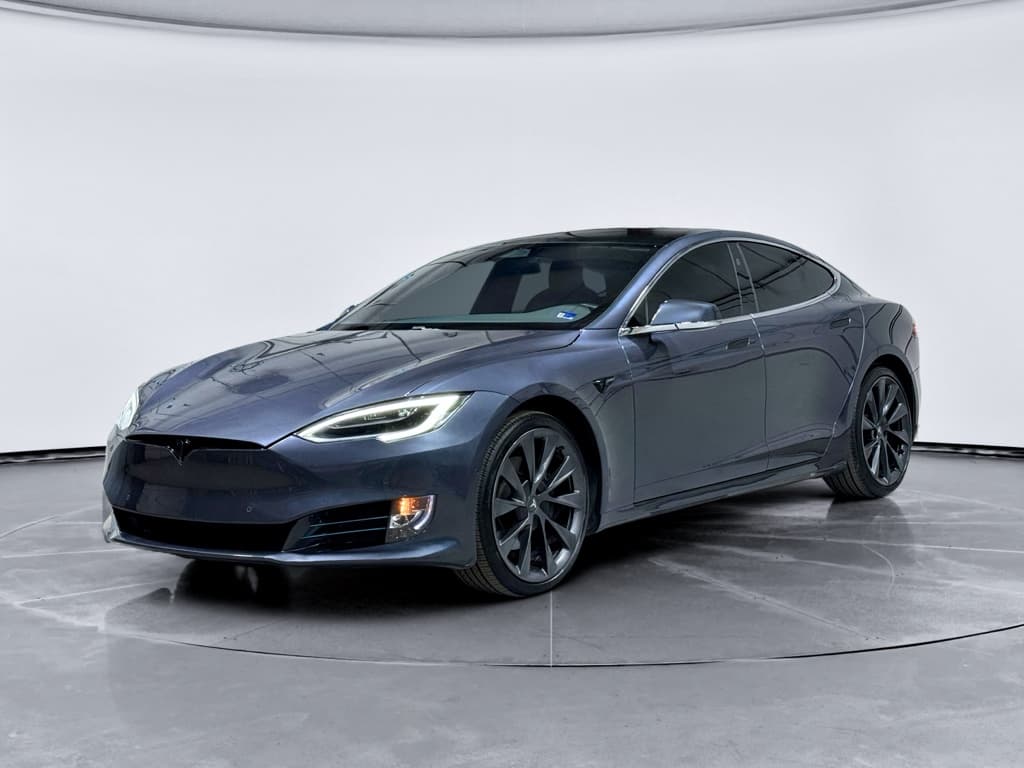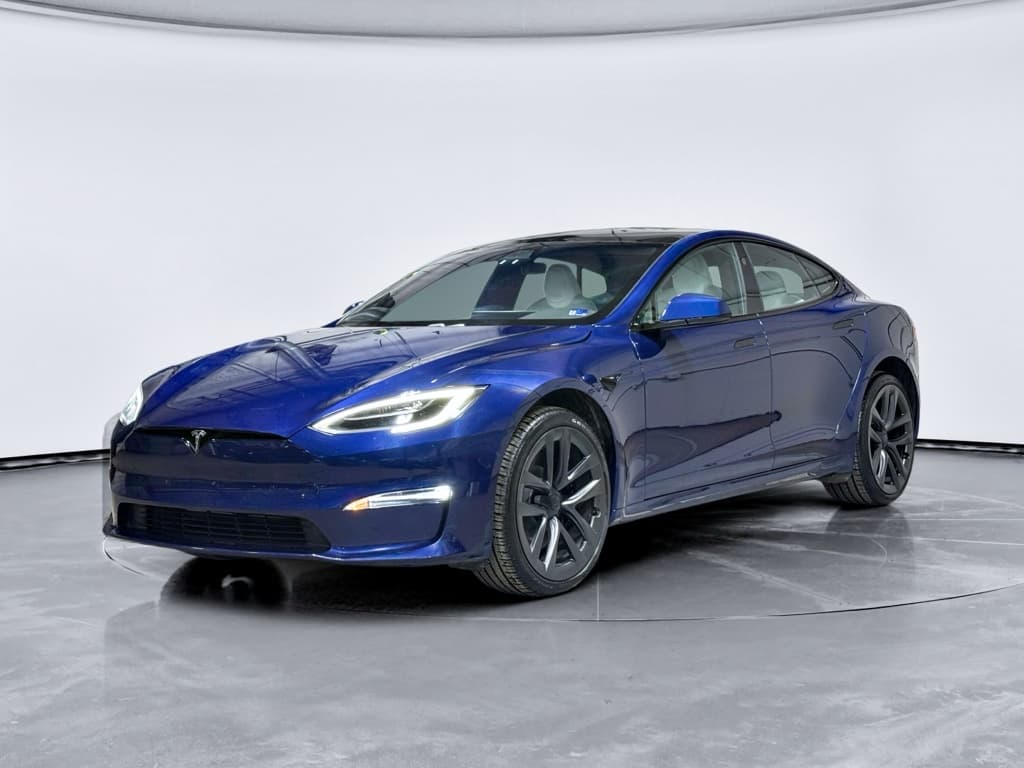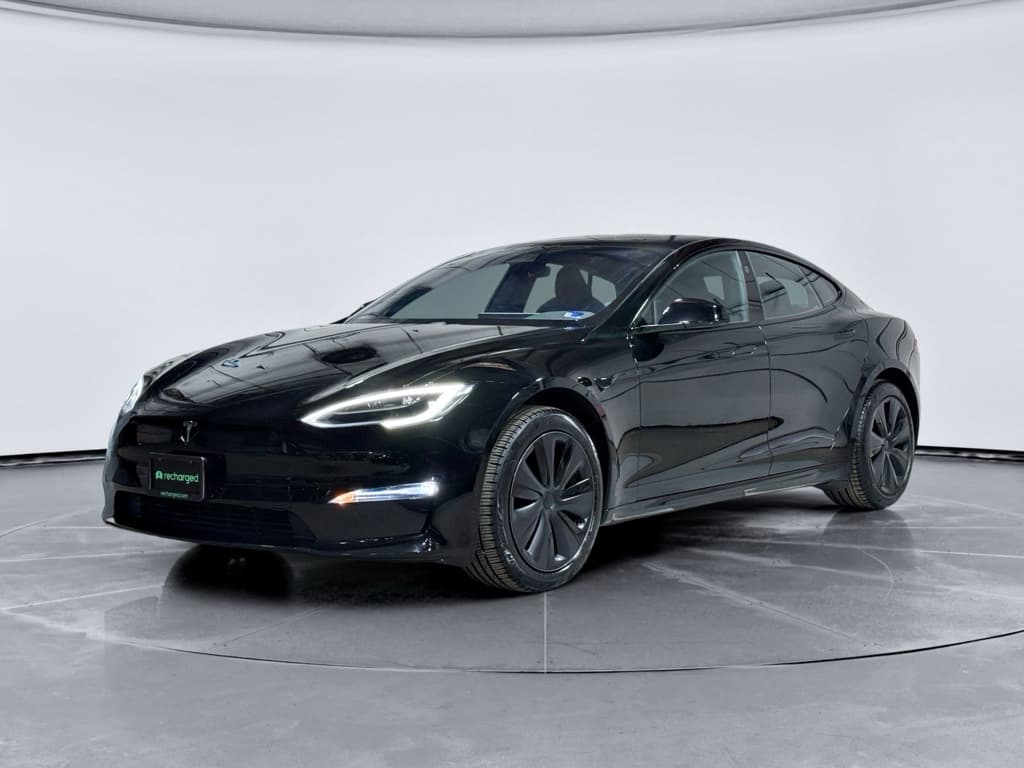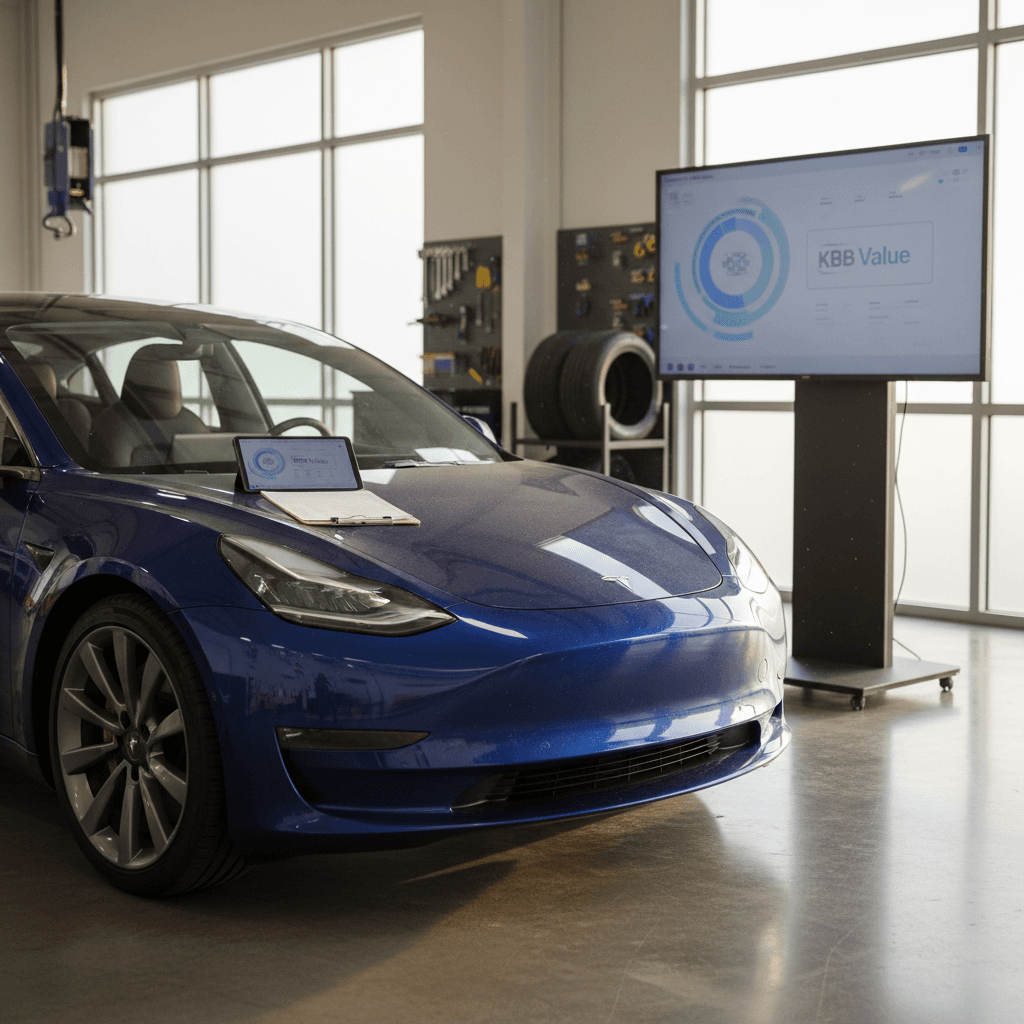
If you own a Tesla Model S and you’re thinking about selling, trading in, or just checking in on your car’s worth, you’ve probably typed “Tesla Model S KBB value” into a search bar. Kelley Blue Book is still one of the most trusted names in used-car pricing, but EVs, and especially Teslas, don’t always behave like traditional gas sedans. Understanding what KBB is really telling you can mean thousands of dollars gained or lost when you make a move.
Quick takeaway
Why KBB value matters for your Tesla Model S
Kelley Blue Book (KBB) has been setting expectations for used-car prices for decades. When you shop, dealers lean on it. When you sell, buyers quote it. For a high-dollar EV like the Tesla Model S, those expectations can push your deal in one direction or another by five figures.
- It anchors negotiations: Buyers and dealers often treat KBB as an objective reference point.
- It influences loan amounts: Lenders may cap financing based on KBB value, especially for older Model S years.
- It reveals depreciation: KBB shows how quickly your Model S has lost value since new.
- It surfaces trade-in vs. private-party gaps: Those gaps are especially wide on premium EVs like the Model S.
At the same time, the used EV market moves quickly. Recent reports show used Tesla prices have fallen faster than the overall used-car market, and the Model S has been among the bigger movers. That means your KBB value can lag behind sudden market swings, both up and down, so you should treat it as a reference, not a rule carved in stone.
Tesla Model S value snapshot in today’s market
Values change fast
How Kelley Blue Book calculates Tesla Model S value
When you punch your VIN or vehicle details into KBB, you’re not getting a random guess. KBB blends transaction data, auction results, historical depreciation curves, and current asking prices to estimate what your Tesla Model S should be worth in different scenarios.
The four main KBB values you’ll see for a Model S
Know which number actually applies to the way you plan to sell or buy
Trade‑in value
This is what a dealer might offer you when you bring your Model S in as part of a purchase. It’s usually the lowest number because the dealer has to recondition, market, and warranty the car, then still make a profit.
Private‑party value
This estimates what you could reasonably get selling your Model S directly to another driver. It usually sits between low trade‑in offers and high retail asking prices.
Dealer retail value
This is the price range a shopper might pay at a traditional dealer’s lot. It bakes in overhead, sales commissions, and warranty costs, so it’s the highest number.
Fair Purchase Price
KBB’s way of saying, “Here’s what similar buyers are actually paying right now.” For a 2024 Model S, KBB currently lists Fair Purchase Prices in the mid‑$50,000s for the standard dual‑motor car and low‑$70,000s for a Plaid, depending on mileage and condition.
KBB also lets you choose condition (from rough to outstanding) and mileage. Those sliders matter: the same 2024 Model S can swing by thousands of dollars on KBB just by moving from “average” to “outstanding” condition or adding 20,000 miles.
Use the right value for the job
Real-world Tesla Model S price benchmarks
So what does the typical Model S actually go for? The answer depends heavily on model year, trim, and mileage, but recent market data paints a useful picture when you’re lining up KBB’s estimates against reality.
Typical used Tesla Model S prices by model year
Approximate average asking prices for used Tesla Model S sedans across all trims in the current U.S. market. Your results will vary based on battery size, drive unit, options, and condition.
| Model year | Typical used asking price | Market notes |
|---|---|---|
| 2014–2015 | Mid‑teens to low‑$20,000s | Often higher miles, first‑gen Autopilot; battery health and warranty history are critical. |
| 2016–2017 | High‑teens to mid‑$20,000s | Many cars post‑facelift; values vary with battery pack size and options. |
| 2018–2019 | Low‑ to high‑$20,000s | Transition toward longer‑range packs; condition and feature set drive big swings. |
| 2020 | Around low‑$30,000s | Pre‑refresh but newer hardware; often lower mileage, some warranty remaining. |
| 2021–2022 refresh | High‑$40,000s to mid‑$50,000s | New interior and Plaid performance; still strong demand, but softening prices. |
| 2023–2024 | Low‑ to mid‑$50,000s+ | Nearly new cars; transaction prices track closely with KBB Fair Purchase Price. |
Use this table to sanity‑check your Tesla Model S KBB value, especially if your battery health or mileage is far from average.
Remember, these are rough benchmarks, not offers. But if your KBB number is wildly above these ranges for your model year and mileage, the market may have already moved, especially after Tesla’s repeated new‑car price cuts and increased used Tesla supply.
Key factors that move your Model S KBB value
Electric cars flip the usual used‑car script. Engine wear and oil leaks aren’t part of the story, but battery health, software features, and charging history are. Here are the levers that matter most when KBB, and real buyers, assess your Tesla Model S value.
The biggest drivers of Tesla Model S KBB value
1. Model year, trim, and options
A Plaid or Performance Model S with a larger battery, adaptive air suspension, upgraded audio, and premium interior will always sit on the high side of KBB’s range compared with a base dual‑motor car. Factory options like FSD Capability and premium paint still add value for many buyers.
2. Mileage and usage pattern
Like any car, higher miles push your KBB value down. But EV shoppers also care about *how* those miles were added. Highway commuting is usually gentler on the battery than constant fast‑charging on road trips.
3. Battery health and warranty
This is where traditional books are weakest. KBB assumes an average degradation curve. If your battery is unusually strong, or unusually tired, your real‑world value may sit well above or below KBB’s estimate. Remaining high‑voltage battery warranty is also a big confidence booster.
4. Condition inside and out
Curb rash on the 21‑inch wheels, worn bolsters on the driver’s seat, rock chips on the nose cone: all of it adds up. KBB’s “rough, average, clean, outstanding” choices can swing your Tesla Model S value by thousands of dollars.
5. Software and connectivity
Features like Enhanced Autopilot, Full Self‑Driving Capability, and Premium Connectivity can influence what buyers are willing to pay, even if KBB doesn’t fully itemize them. Make sure any transferable features are documented when you sell.
6. Market timing and location
Seasonality, interest rates, and local EV incentives influence demand. A Model S in a coastal EV‑dense city may pull stronger offers than the same car in a region with sparse charging and low EV adoption.
Don’t ignore battery health
How to look up your Tesla Model S KBB value step by step
You don’t need to be a pricing analyst to get a meaningful Tesla Model S KBB value. You just need accurate information and a few honest clicks.
- Gather your details: VIN, exact trim (Long Range, Performance, Plaid, etc.), wheel size, options, and current odometer reading.
- Visit the official Kelley Blue Book website and navigate to the “My Car’s Value” or “What’s My Car Worth?” section.
- Enter “Tesla” as the make, “Model S” as the model, and select your correct model year and trim. Use your VIN if possible, it’s more accurate.
- Plug in your ZIP code so KBB can factor in regional pricing differences.
- Choose how you plan to sell: trade‑in, private party, or instant cash offer. KBB will show different ranges for each.
- Set your mileage and condition realistically, resist the urge to call a well‑used commuter “outstanding.”
- Review the value ranges, then click through for more detail on how KBB arrived at those numbers. Save or print the report for negotiations.
Take screenshots for leverage
How to use KBB value when you sell or trade your Model S
If you’re trading your Model S to a dealer
- Bring a current KBB trade‑in value printout tailored to your ZIP, trim, and mileage.
- Expect the first offer to come in under KBB, sometimes far under. That’s the opening move, not the final word.
- Ask the dealer to explain any big gap between their offer and KBB. Are they worried about battery replacement risk? High miles? Cosmetic work?
- Shop your car to more than one buyer: franchise Tesla stores, independent EV specialists, and online buyers like Recharged will all see the car differently.
If you’re selling your Model S privately
- Price your ad near the KBB private‑party value, then adjust based on battery health, options, and local demand.
- Mention “priced near Kelley Blue Book” in your listing to anchor buyer expectations.
- Be ready to walk buyers through why your particular car sits at the top (or bottom) of the KBB range, service history, tire condition, charging habits.
- Watch comparable listings in your area; if they’re all under KBB, the market is telling you something the guide hasn’t fully caught yet.
Where Recharged fits in
Simple ways to improve your Model S value before listing
You can’t change your model year, but you can polish the story your Tesla Model S tells a buyer, or a pricing algorithm. A weekend of attention can easily be worth a four‑figure bump in perceived value.
Pre‑sale checklist for a stronger Model S KBB value
1. Catch up on maintenance and recalls
EVs don’t need oil changes, but they do need brake fluid flushes, cabin filters, and software updates. Make sure your service history is up to date and organized before you invite anyone to appraise the car.
2. Document battery health and charging habits
If you’ve mostly charged at home on Level 2 and avoid deep discharges, say so, and show it. A Recharged Score battery report, screenshot of typical full‑charge range, or service records from high‑voltage system checks add credibility.
3. Fix inexpensive cosmetic issues
Detail the paint, refresh worn floor mats, repair obvious curb rash if it’s cheap to address. You don’t need a concours restoration, just a car that looks cared for, not abandoned to a Supercharger stall.
4. Clear error messages and warning lights
If there’s a persistent Autopilot camera warning or battery‑system alert, get it diagnosed before you list. Unknown problems scare buyers and cause dealers to slash offers below any KBB number.
5. Gather both keys, charging cable, and accessories
Having everything that originally came with the car, key cards/fobs, mobile connector, adapters, cargo covers, signals a meticulous owner. Missing pieces give buyers easy excuses to push you below KBB.
6. Write an honest, detailed listing
Highlight options (FSD, premium sound, cold‑weather package), range performance, and any recent major work (drive‑unit replacement, new tires). Buyers are more willing to pay near the top of the KBB range when they trust the seller.
Avoid over‑investing right before sale
How Recharged pricing compares to KBB for Model S
KBB does an admirable job in a tough environment, but it was built in an era of gas tanks and timing belts. A Tesla Model S lives and dies by the battery, software, and how gently it’s been used, things a traditional book can only approximate.
KBB vs. Recharged: two looks at the same Model S
Why a battery‑aware valuation can land closer to what your car is really worth
KBB value
- Based on historical sales, auction data, and national averages.
- Assumes a typical battery‑degradation curve and average condition.
- Does not directly measure your car’s individual pack health.
- Great for a ballpark figure and negotiation baseline.
Recharged Score & pricing
- Uses dedicated battery‑health diagnostics to see how your pack is really doing.
- Factors in DC fast‑charging history, state‑of‑charge habits, and software features.
- Benchmarks your Model S against **current** market behavior for similar EVs.
- Backed by EV‑specialist support, financing options, and nationwide delivery for buyers.
Ready to find your next EV?
Browse VehiclesIf your KBB value feels oddly low for a pampered, low‑mileage Model S, or suspiciously high for a high‑miler that’s spent years at Superchargers, that’s your cue to get a second opinion. A Recharged inspection and Score report can validate where your car should really land, and help you price it realistically without leaving money on the table.
“With EVs, the condition of the battery is as important as the odometer. Two Model S sedans with the same miles can have completely different real‑world values.”
FAQ: Tesla Model S KBB value
Frequently asked questions about Tesla Model S KBB value
Kelley Blue Book is still a powerful tool for understanding what your Tesla Model S might be worth, but in the EV era, it’s only half the story. Use KBB to frame the conversation, then layer in battery health, software, and current market conditions to find your car’s real number. If you’d like help turning that number into a smooth sale, Recharged can provide a data‑driven valuation, expert guidance, and a marketplace built specifically for used EVs, so your Model S doesn’t just match the book, it finds the right next driveway.