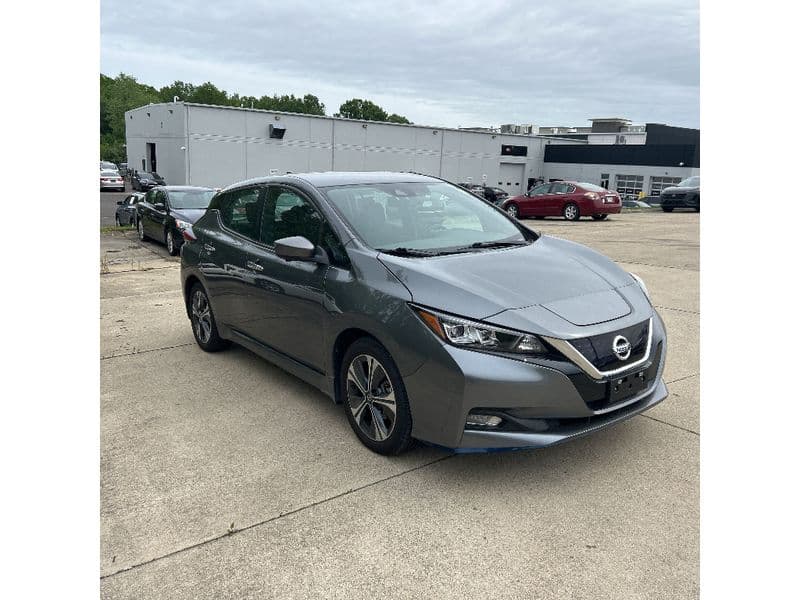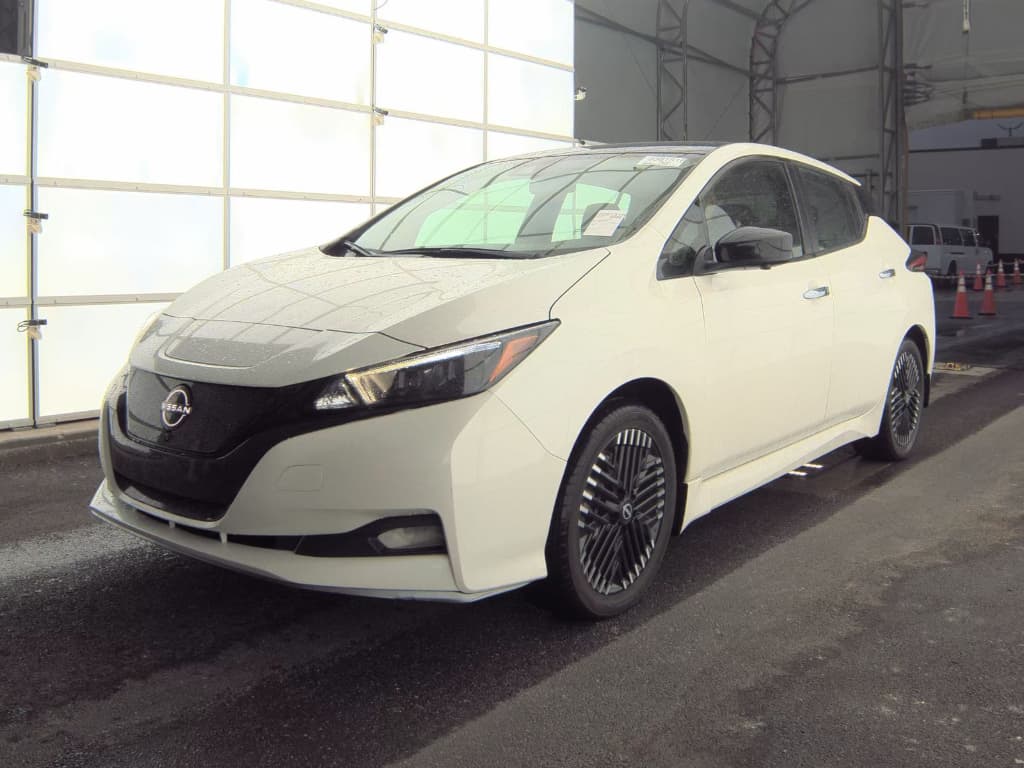
If you’re shopping for a Nissan Leaf, or already own one, the question inevitably lands on the kitchen table: **how much is insurance on a Nissan Leaf**, really? You’ve heard that EV insurance can be pricey, but you’ve also heard the Leaf is one of the more sensible, humble little electrics on the road. Let’s pull this apart with real numbers and show you what drives your premium up or down.
Quick take
Nissan Leaf insurance at a glance
Nissan Leaf insurance vs. the averages
Think of the Leaf as the sensible shoes of the EV world. It’s modestly powered, not a theft magnet, and repairs are generally cheaper than for luxury EVs. That usually translates into **friendlier insurance pricing** compared with performance‑oriented electrics, even if EVs overall still skew above the national average.
So… how much is insurance on a Nissan Leaf?
Let’s put some stakes in the ground. Bringing together recent rate studies that break out Nissan Leaf premiums and broader data on EV insurance, here’s a **reasonable 2026 ballpark** for U.S. drivers with clean records and full‑coverage policies:
Estimated 2026 Nissan Leaf insurance costs (full coverage)
These ranges assume good credit, clean driving record, 12,000–15,000 miles per year, and standard deductibles. Your actual quote will depend heavily on age, state, and coverage choices.
| Leaf situation | Estimated annual cost | Estimated monthly cost | How it compares |
|---|---|---|---|
| Used Leaf (5–8 years old) | $1,400–$1,800 | $115–$150 | Typically below the national full‑coverage average |
| Newer Leaf (1–4 years old) | $1,700–$2,200 | $140–$185 | Around or slightly below average for compact EVs |
| Young driver (under 25) in newer Leaf | $2,400–$3,400+ | $200–$285+ | Age surcharge dominates; EV vs. gas matters less |
| Minimum‑coverage policy, older Leaf | $700–$1,100 | $60–$90 | Cheaper on paper, but with much lower protection |
Numbers are directional estimates, useful for comparison, not guaranteed quotes.
Your mileage *will* vary
When you see people online saying they pay **$70 a month** and someone else paying **$200 a month** for the same Leaf, they’re both probably telling the truth. The car is only one ingredient in the insurance stew.
Why EV insurance rates feel weird right now
If you’ve been casually following EV news since 2020, you’ve seen whiplash headlines: first, “EV insurance costs 40–60% more,” then in 2025–2026, stories about **EV coverage finally getting cheaper** and starting to converge with gas‑car rates. Both were, inconveniently, true at different moments.
- Early‑generation EVs were expensive to repair, especially when body shops had limited experience with battery packs and high‑voltage systems.
- Parts availability was patchy, driving up repair times and rental‑car bills, two things insurers hate.
- At the same time, car‑insurance rates rose sharply for **everyone** in 2023–2025 as crash severity, medical costs, and repair costs climbed.
- By 2025–2026, more mainstream EVs like the Leaf had established repair networks, while insurers adjusted pricing models with better real‑world data.
Where the Leaf fits
7 factors that actually change your Leaf’s insurance price
Insurers don’t wake up and decide, “All Leafs pay $X.” They price risk in layers. Here are the levers that really move your **Nissan Leaf insurance cost** up or down.
What insurers really look at with your Leaf
Same car, wildly different bills depending on these seven levers.
1. Driver age & record
2. Where you live & park
3. Coverage level & deductibles
4. Model year & trim
5. Annual mileage & use
6. Safety & claims history
7. Credit & insurer choice
A quiet bonus: Leaf driving style
New vs. used Nissan Leaf insurance costs
The Leaf evolution has been gentle: gradual battery upgrades, some safety refinements, not a radical reinvention every three years. From an insurer’s point of view, that’s comforting. But **age still matters**.
New or nearly new Leaf (0–3 years)
- Higher vehicle value means more expensive collision and comprehensive claims.
- Advanced driver‑assistance tech can reduce some crashes, but is pricey to repair when sensors or bumpers are damaged.
- Often financed or leased, which typically requires full coverage and sometimes gap coverage.
Used Leaf (4–10+ years)
- Lower replacement value can bring premiums down, especially on collision coverage.
- Owners may choose higher deductibles or drop collision as the car ages.
- Battery degradation doesn’t directly affect insurance price, but a lower‑value car usually does.
Why used Leafs are insurance sweet‑spots
This is one reason used EV specialists like Recharged lean into vehicles like the Leaf. The combination of **lower depreciation, transparent battery health**, and relatively tame insurance makes the math work for a lot of households.
How to lower your Nissan Leaf insurance bill
You can’t change your age or magically teleport your ZIP code. But there’s still plenty of room to maneuver. Here’s how Leaf owners are bringing their premiums back toward sanity.
Practical ways to cut Nissan Leaf insurance costs
1. Shop quotes like you shop kWh prices
Don’t stop at the first quote. Get rates from at least **three to five insurers**, including carriers that advertise EV‑friendly pricing. The same Leaf can cost hundreds less per year with a different company.
2. Right‑size your coverage
If you drive an older paid‑off Leaf worth, say, $7,000, run the numbers on whether **collision coverage still makes sense**, especially with a high deductible. Don’t skimp on liability limits, though, that’s what protects your assets.
3. Consider higher deductibles (with a safety net)
Raising a $500 deductible to $1,000 can often shave 10–20% off comprehensive and collision. Just make sure you actually have that cash in an emergency fund, or you’re gambling with your transportation.
4. Stack every discount you can find
Multi‑car, homeowner, telematics/"safe‑driver" programs, low‑mileage, defensive‑driving courses, EV owners often qualify for a surprising number of discounts. Ask directly which **Leaf‑friendly discounts** you’re missing.
5. Use telematics to let the Leaf’s nature work for you
Usage‑based programs that track speed, braking, and mileage tend to like sedate, low‑mileage EVs. If your Leaf life is mostly errands and commuting, telematics can materially cut premiums over a year or two.
6. Clean up your record, and calendar
If you’ve had an accident or ticket, ask your insurer when it ages out of their rating model. In some states, just waiting for a violation to roll off can drop your rate without changing cars or companies.
7. Re‑shop when you change cars or life stages
Moving, changing jobs, or swapping into a used Leaf from a different vehicle are all good times to re‑shop insurance. The quote you got three years ago for a gas crossover may have nothing to do with what a Leaf costs now.
Don’t chase savings by going bare‑bones
Realistic Nissan Leaf insurance scenarios
Let’s attach some human beings to these numbers. These aren’t quotes, but they’re realistic composites of what we see Leaf drivers facing.
Scenario 1: The used‑Leaf commuter
Driver: 42, clean record, suburban Midwest
Car: 2019 Nissan Leaf SV, 60k miles, financed lightly
Use: 11,000 miles/year, mostly commuting
Likely ballpark: around $1,400–$1,700/year ($115–$140/month) for full coverage, assuming good credit and healthy liability limits.
Scenario 2: The first‑EV college grad
Driver: 24, 1 minor speeding ticket, city apartment
Car: 2023 Nissan Leaf S, leased
Use: 9,000 miles/year, mixed city/highway
Likely ballpark: $2,400–$3,000+/year ($200–$250+/month). Age, urban traffic, and the ticket weigh more than the fact it’s a modest EV.
Scenario 3: The downsizing retiree
Driver: 67, long clean history, small town, multi‑car policy
Car: 2017 Nissan Leaf SL, owned outright
Use: 6,000 miles/year, errands and visits
Likely ballpark: $900–$1,300/year ($75–$110/month) depending on how aggressively collision coverage is trimmed.
Use quotes when you shop for the car, not after

Where insurance fits in your total Leaf ownership cost
Insurance is only one slice of the Leaf pie, but it’s a recurring, chewy one. To keep perspective, line it up against the other big ownership costs: **depreciation, energy, maintenance, taxes/fees, and financing.**
The cost puzzle: Leaf vs. gas compact
Why a slightly higher insurance bill can still make financial sense.
Gas car: cheaper to insure, pricier to fuel
Leaf: insurance is one lever among many
Think in five‑year chunks, not monthly noise
This is where a used Leaf can really shine. Pair **lower depreciation** with reasonable insurance and cheap running costs and your spreadsheet suddenly looks less like a science project and more like a pragmatic household decision.
FAQs: Nissan Leaf insurance
Frequently asked questions about Nissan Leaf insurance
The bottom line: Is Nissan Leaf insurance worth it?
Viewed in isolation, a $140–$180 monthly insurance bill for a small hatchback can feel slightly absurd. Viewed in context, lower fuel and maintenance costs, fewer mechanical failures, and a generally well‑behaved, modest EV, the **Nissan Leaf’s insurance story is pretty reasonable**. Especially in used form, it’s one of the calmer ways to step into electric ownership without lighting your budget on fire.
If you’re comparing used Leafs, this is where a transparent marketplace like Recharged helps. Every car comes with a Recharged Score Report that shows verified battery health and fair market pricing, so you’re not guessing about what you’re insuring. Pair that with a few smart moves, shopping quotes, right‑sizing coverage, and leaning into safe‑driver discounts, and you can keep your Nissan Leaf insurance costs in check while enjoying all the quiet, low‑drama miles an EV can offer.