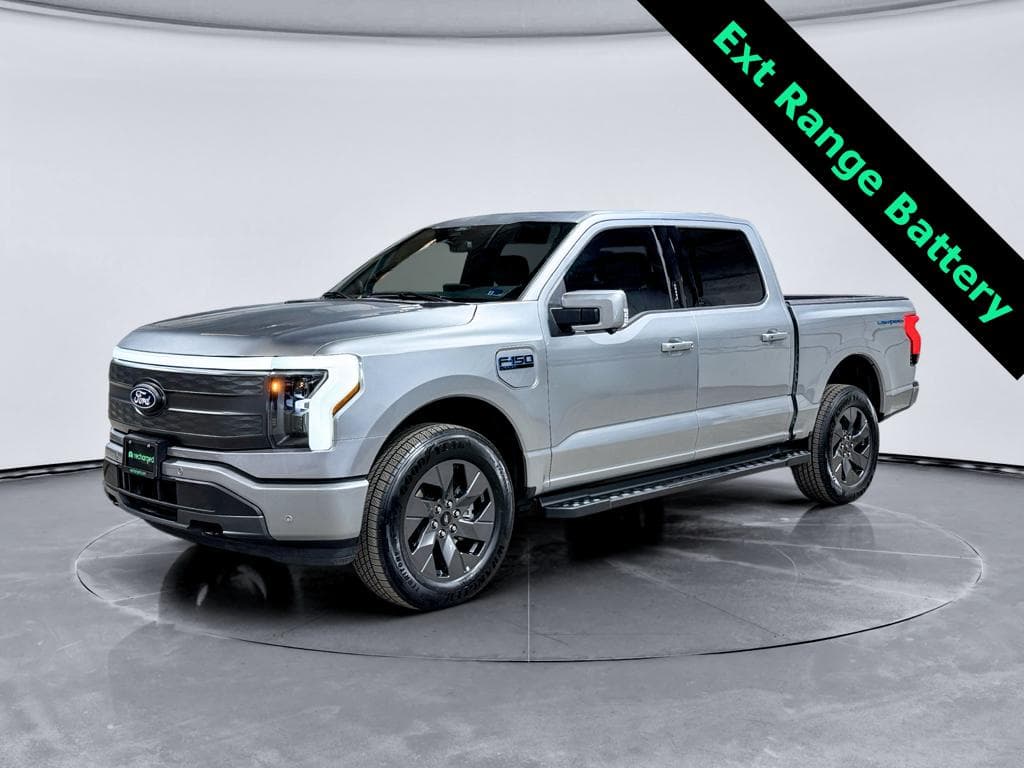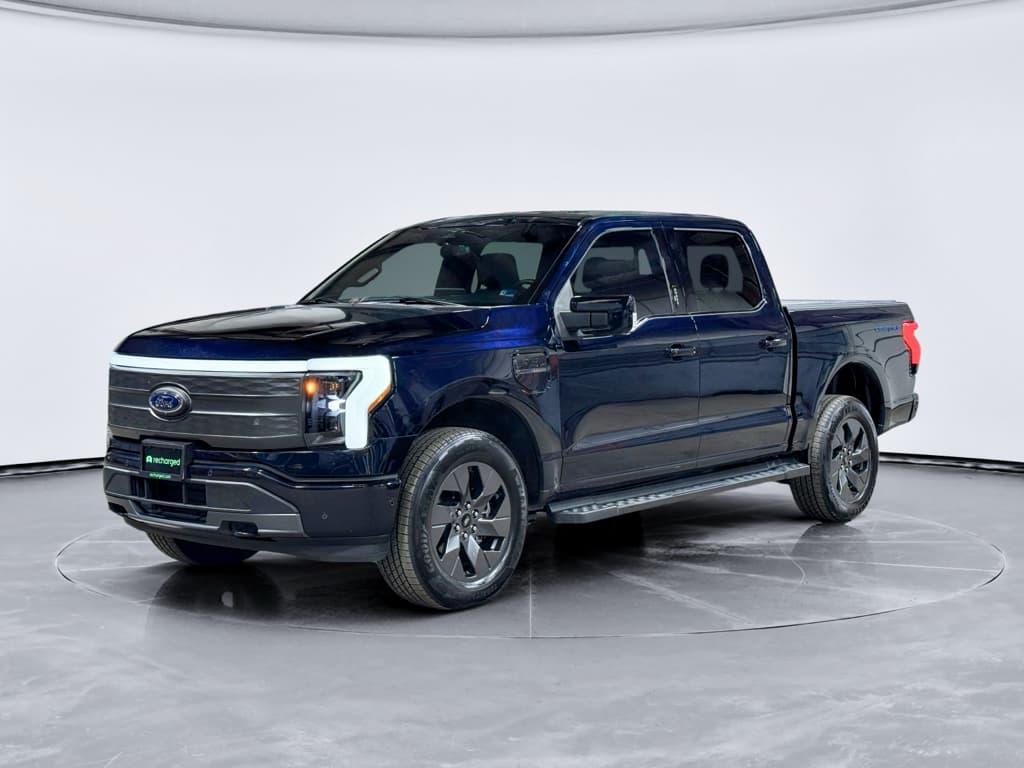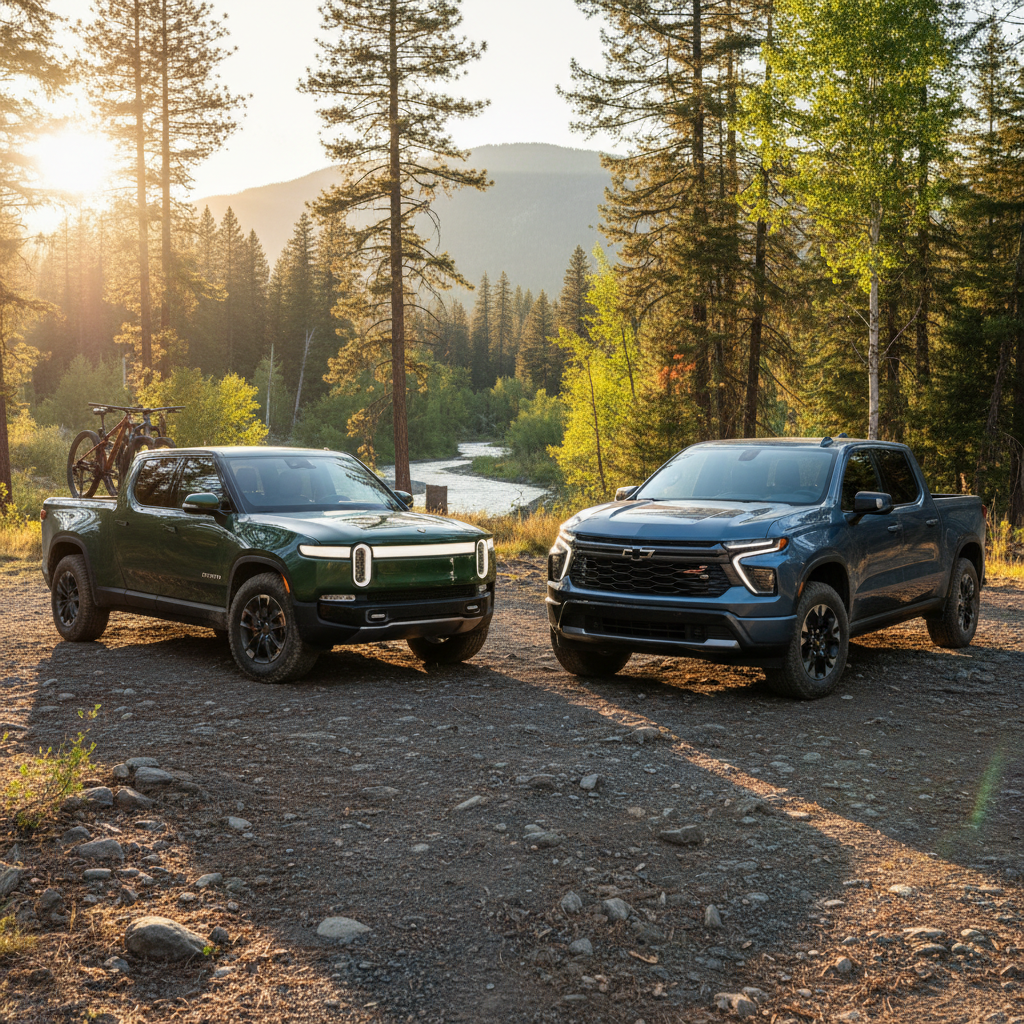
If you’re looking at a Ford F-150 Lightning, you’re probably already running the ownership math, purchase price, charging costs, and especially insurance. So how much is insurance on a Ford F-150 Lightning in 2025, and how does it compare with a gas F-150 or other EVs? Let’s walk through real numbers, what affects them, and how to keep your premium in check.
Key takeaway on Lightning insurance
How much is insurance on a Ford F-150 Lightning?
There’s no single answer because insurance is personal. But based on recent market data and real-world quotes, a reasonable national ballpark for **full‑coverage insurance** on a Ford F-150 Lightning in 2025 is:
- About $1,800–$2,700 per year for many mainstream drivers with good records
- Roughly $150–$225 per month for a typical full‑coverage policy
- Higher premiums (often $2,800–$3,500+ per year) for younger drivers, city driving, prior at‑fault accidents, or high‑end trims like Platinum
Edmunds’ cost‑to‑own estimates for a 2024 F-150 Lightning XLT peg five‑year insurance costs at roughly **$1,450–$1,700 per year**, depending on the model and assumptions. That’s consistent with many owner reports, though your number can be noticeably higher if you live in a high‑cost state or carry very low deductibles.
Your rate could sit well outside the averages
Ford F-150 Lightning insurance vs gas F-150
Average gas F-150 insurance
For a new gas Ford F-150, recent national averages cluster around $2,200–$2,500 per year for full coverage, assuming a 30‑ to 40‑year‑old driver with a clean record. Popular insurance studies put a 2024 F-150 at roughly the mid‑$2,000s annually, depending on trim and state.
Work‑oriented trims and lower MSRPs tend to be cheaper to cover than luxo‑trims with big wheels and premium equipment.
Where the Lightning lands
The F-150 Lightning often runs slightly higher than a comparable gas F-150 in pure insurance cost, but not always by a huge margin. National data suggests EVs can cost 10–20% more to insure than similar gas vehicles, primarily due to higher repair and battery replacement costs.
For the Lightning, that might mean being closer to the upper end of the $1,800–$2,700 typical range, especially on high‑value trims.
Lightning vs other EV trucks
8 factors that drive Ford Lightning insurance rates
Whether your quote comes back closer to $140 a month or $320 a month depends on a mix of personal factors and how insurers view the Lightning itself. Here are the big levers that move your rate up or down.
Major rating factors for F-150 Lightning insurance
Most apply to any vehicle, but some hit electric trucks especially hard.
1. Driver profile
Age, driving record, claims history, and credit (in most states) are often bigger drivers of price than the vehicle. A 50‑year‑old with decades of clean driving can pay thousands less per year than a 22‑year‑old in the same truck.
2. Where you live & park
Urban ZIP codes with high crash or theft rates and litigious courts drive premiums up. Rural and many suburban areas tend to be cheaper. Garaging the truck off the street also helps.
3. Trim level & MSRP
A Pro or XLT with a lower sticker price is simpler and cheaper to repair than a Platinum with larger wheels, premium lights, and more tech. Insurers factor in the Lightning’s replacement cost when they set rates.
4. Battery & repair costs
EV battery packs, high‑voltage components, and aluminum body panels can be pricey to repair or replace. That’s a core reason EVs, and electric trucks in particular, often carry higher premiums than gas equivalents.
5. Annual mileage & use
Higher mileage, heavy commuting, commercial use, and frequent towing all signal more exposure. Low annual miles and mostly personal use can earn discounts, especially if you opt into telematics or "usage‑based" programs.
6. Coverage levels
Liability limits, collision and comprehensive coverage, and your deductibles have a direct line into price. Higher limits and low deductibles are safer for your wallet if something goes wrong, but they cost more per month.
7. Optional add‑ons
New‑car replacement, gap coverage, roadside assistance, rental reimbursement, and custom equipment coverage add convenience but also add to the bill. Some owners choose to trim these as the truck ages.
8. Discounts & bundling
Multi‑policy discounts (home + auto), safe‑driver programs, telematics, and even EV‑specific discounts in some states can knock a meaningful chunk off your Lightning premium, sometimes 10–25% when stacked.
Why some insurers quote the Lightning like a "regular" F-150
Realistic Ford F-150 Lightning insurance scenarios
To put some numbers on the page, here are **illustrative examples** of what Lightning owners might see for **full‑coverage** policies in 2025. These are not quotes, your rates will vary, but they can ground your expectations before you start shopping.
Sample Ford F-150 Lightning insurance premiums (full coverage)
Hypothetical 12‑month premiums assuming good credit in states with average insurance costs. Your specific number will depend heavily on ZIP code, insurer, and coverage choices.
| Driver profile & Lightning trim | Location type | Example annual premium | Approx. monthly cost | Why it prices this way |
|---|---|---|---|---|
| 35-year-old, clean record, 2024 Lightning XLT ER, personal use | Suburban | $2,150 | $180 | Mainstream risk profile, mid‑level trim, average commute and garaging |
| 28-year-old, 1 at‑fault in past 3 years, 2023 Lightning Pro SR work truck | Urban | $2,800 | $235 | Youth + prior claim + dense city driving + light commercial use |
| 50-year-old, clean record, 2023 Lightning Platinum, low mileage | Suburban | $2,000 | $165 | Higher‑value trim but low miles, safe driver, and strong multi‑policy discounts |
| 40-year-old, clean record, used 2022 Lightning XLT SR | Rural | $1,750 | $145 | Lower vehicle value and low‑risk roads help offset EV‑specific repair costs |
Use these scenarios as starting points, not promises. Always get your own quotes.
Good news for used Lightning shoppers
10 ways to lower your F-150 Lightning insurance bill
Practical steps to cut F-150 Lightning insurance costs
1. Get quotes from at least 3–4 insurers
Carriers price EVs, and electric trucks in particular, very differently. Some still treat the Lightning like a traditional F-150, while others load in higher EV repair assumptions. Shopping around can turn a scary quote into a manageable one.
2. Right-size your coverage and deductibles
Make sure liability limits protect your assets, but look at your collision and comprehensive deductibles. Moving from a $500 to a $1,000 deductible can noticeably cut premiums if you have the savings to handle a larger out‑of‑pocket hit.
3. Ask about EV or green-vehicle discounts
A growing number of insurers offer small discounts for electric vehicles or for customers who charge at home. It won’t cut your bill in half, but combined with other discounts, it can make a difference.
4. Bundle home, renters, or umbrella policies
Multi‑policy discounts are still one of the biggest levers you can pull. If you’re moving into a Lightning from another vehicle, ask your current carrier to re‑quote with bundling, then compare to a few competitors.
5. Enroll in telematics or usage-based programs
If you’re a smooth, low‑mileage driver, usage‑based programs that monitor your actual driving can shave meaningful dollars off an EV truck’s premium, especially if you primarily drive at off‑peak times and avoid hard braking.
6. Reduce annual mileage where possible
If you also own a smaller, cheaper-to-insure vehicle, consider using that car for high‑mileage commuting or long trips and keeping the Lightning for local use. Lower annual mileage inputs can translate into lower premiums.
7. Keep your record clean and tickets off your report
Nothing spikes a premium on a 6,000‑pound electric pickup faster than at‑fault crashes or serious moving violations. Defensive‑driving courses and contesting questionable tickets can pay for themselves over a few years.
8. Re‑shop after major life changes
Moving ZIP codes, getting married, adding a teen driver, or changing jobs can all affect your Lightning’s rate. Treat those moments as prompts to get fresh quotes, sometimes a different carrier favors your new profile.
9. Revisit extras as the truck ages
After a few years, you may decide you can live without new‑car replacement or very low deductibles on a Lightning whose market value has fallen. Carefully trimming add‑ons can keep costs aligned with the truck’s age.
10. Consider a slightly lower-trim truck
If you’re still shopping, remember that a Pro or XLT can be cheaper to insure than a fully loaded Platinum. You might save on both the purchase price and the collision/comprehensive pieces of your insurance bill.
Don’t underinsure a heavy EV truck
Insuring a used Ford F-150 Lightning
If you’re shopping the used market, there’s good news: **insurance on a used F-150 Lightning is often more manageable** than on a brand‑new truck, especially as MSRPs and repair costs come down and more shops learn how to work on EVs.
- Lower vehicle value can reduce collision and comprehensive costs over time.
- Some insurers view older model years as lower risk once repair data stabilizes.
- You may have more flexibility on coverage levels and deductibles as the truck ages.
Where Recharged fits in for used Lightning buyers
Where insurance fits into total Lightning ownership cost
How insurance compares to other Lightning ownership costs
Look at your F-150 Lightning as an entire ownership package, not just an insurance bill in isolation. Even if your premium is a few hundred dollars a year higher than a gas F-150, you may easily earn that back, and then some, with **lower fueling and maintenance costs over several years**.
Run a full total-cost-of-ownership comparison
When to revisit your coverage on a Lightning
Insurance isn’t a set‑and‑forget part of ownership, especially with a new technology like an electric pickup. Plan to re‑evaluate your policy when:
- You move to a new state or significantly different ZIP code.
- Your Lightning passes key age milestones (3, 5, or 7 years old).
- Your annual mileage changes a lot, new commute, remote work, or added vehicle.
- You add teen drivers or other household members to the policy.
- Market values on used Lightning trucks shift in your favor.
Each of these triggers is an opportunity to **re‑shop coverage and correct for over‑ or under‑insuring** the truck. Over a decade of ownership, those tune‑ups can add up to real money.
Ford F-150 Lightning insurance: FAQs
Common questions about Ford F-150 Lightning insurance
Bottom line: Is Ford F-150 Lightning insurance worth it?
Insurance on a Ford F-150 Lightning in 2025 isn’t bargain‑basement cheap, but for many drivers it’s in line with other well‑equipped full‑size trucks, often somewhere in the $1,800–$2,700 per‑year range for full coverage. The premium can sting more if you’re young, live in a high‑risk area, or run a top‑trim truck, but that has to be weighed against lower fueling and maintenance costs over time.
If you’re considering a **used F-150 Lightning**, you may be able to enjoy many of the benefits, quiet torque, low charging costs, modern tech, while softening both the purchase price and insurance bill. Working with a specialist marketplace like Recharged, you get verified battery health, fair market pricing, and EV‑savvy support that makes the whole ownership equation, including insurance, easier to understand.
Before you decide whether a Lightning fits your budget, get a few real quotes, run a full total‑cost‑of‑ownership comparison, and think about how long you plan to keep the truck. Do that, and you’ll know whether the insurance cost is a deal‑breaker, or just another line item on a very compelling EV‑truck story.