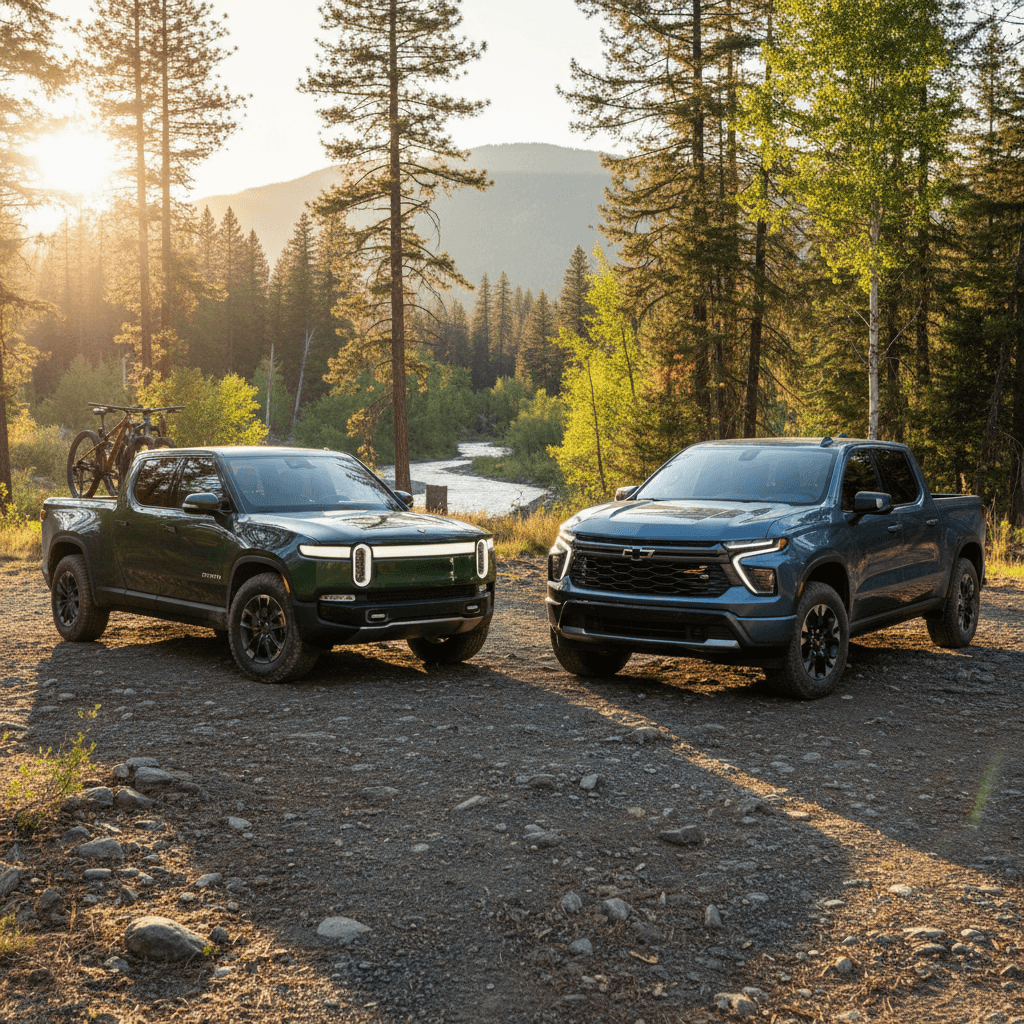
If you’re cross‑shopping the Rivian R1T vs Chevrolet Silverado EV, you’re already ahead of the curve. Both trucks offer serious electric power, big‑truck utility, and cutting‑edge tech. But they’re aimed at slightly different buyers, and the one that’s “better” really depends on how you plan to use your truck.
Two very different takes on an electric truck
Overview: Rivian R1T vs Chevrolet Silverado EV
The Rivian R1T is a mid‑size, lifestyle‑oriented pickup designed around adventure: adjustable air suspension, clever storage (like the gear tunnel), and multiple motor configurations. Current versions in the U.S. focus on dual‑motor and tri‑motor setups with up to about 850 horsepower, EPA ranges that can exceed 400 miles with the largest battery, and a maximum tow rating around 11,000 pounds.
The Chevrolet Silverado EV is built on GM’s Ultium platform and sized more like a traditional full‑size half‑ton truck. Launch trims such as the Work Truck (WT) and RST First Edition use dual‑motor all‑wheel drive with up to roughly 750+ horsepower in wide‑open‑throttle modes. Chevy estimates up to about 450–480 miles of range on certain configurations and tow ratings up to 10,000–12,500 pounds depending on trim and equipment.
New vs used matters a lot
Headline Numbers: R1T vs Silverado EV (Approximate)
Quick Specs: Range, Power, and Towing
Core Specs: Rivian R1T vs Chevrolet Silverado EV
Approximate specs for popular configurations. Exact numbers vary by trim, wheels, tires, and options.
| Spec | Rivian R1T (Dual/Tri‑Motor) | Chevrolet Silverado EV (WT/RST) |
|---|---|---|
| Power | ~533–850 hp | ~510–750+ hp (drive modes) |
| Max EPA / est. range | Up to ~420+ miles | Up to ~450–480 miles (est.) |
| Max towing | 11,000 lb | 10,000–12,500 lb (trim‑dependent) |
| Payload | ~1,900–2,000 lb (approx.) | Up to ~2,100 lb (trim‑dependent) |
| DC fast‑charge peak | ~210 kW | Up to 350 kW |
| Bed length | ~4.5 ft (mid‑size) | ~5.5+ ft full‑size with Multi‑Flex Midgate |
| Frunk volume | ~11 cu ft | ~10+ cu ft e‑trunk (approx.) |
Always verify final specifications for the exact truck you’re buying; numbers below are ballpark figures for comparison.
About the numbers
Everyday Driving and Performance
Rivian R1T: Quick and playful
The R1T feels more like a performance SUV than a traditional truck. Even in dual‑motor form you’re looking at roughly mid‑4‑second 0–60 mph times, and tri‑motor versions can dip well under 3 seconds. Steering is quick, the adjustable air suspension lowers at speed, and the relatively smaller footprint makes parking in tight urban garages less stressful than with a full‑size pickup.
If you enjoy spirited driving or you’re coming out of a luxury SUV or performance sedan, the R1T’s responsiveness will feel familiar, even fun.
Silverado EV: Big‑truck confidence
The Silverado EV drives like a large, well‑mannered crew‑cab truck. Dual motors provide stout acceleration, especially in high‑output RST modes, but Chevy tunes the truck for smooth, confident thrust rather than neck‑snapping launches. Four‑wheel steering (on some trims) shrinks the turning circle and helps the truck feel more maneuverable than its size suggests.
If you’re already used to a half‑ton pickup, the Silverado EV will feel like a natural evolution, only quieter and quicker.
Performance verdict
Towing, Hauling, and Bed Utility
Traditional truck buyers care less about 0–60 times and more about what happens when you drop a trailer on the hitch or load up the bed. Here the Silverado EV leans into its Detroit work‑truck heritage, while the R1T brings clever packaging and off‑road focus.
How They Compare for Real Truck Work
Numbers are only half the story, bed design and trailering tech matter too.
Towing capability
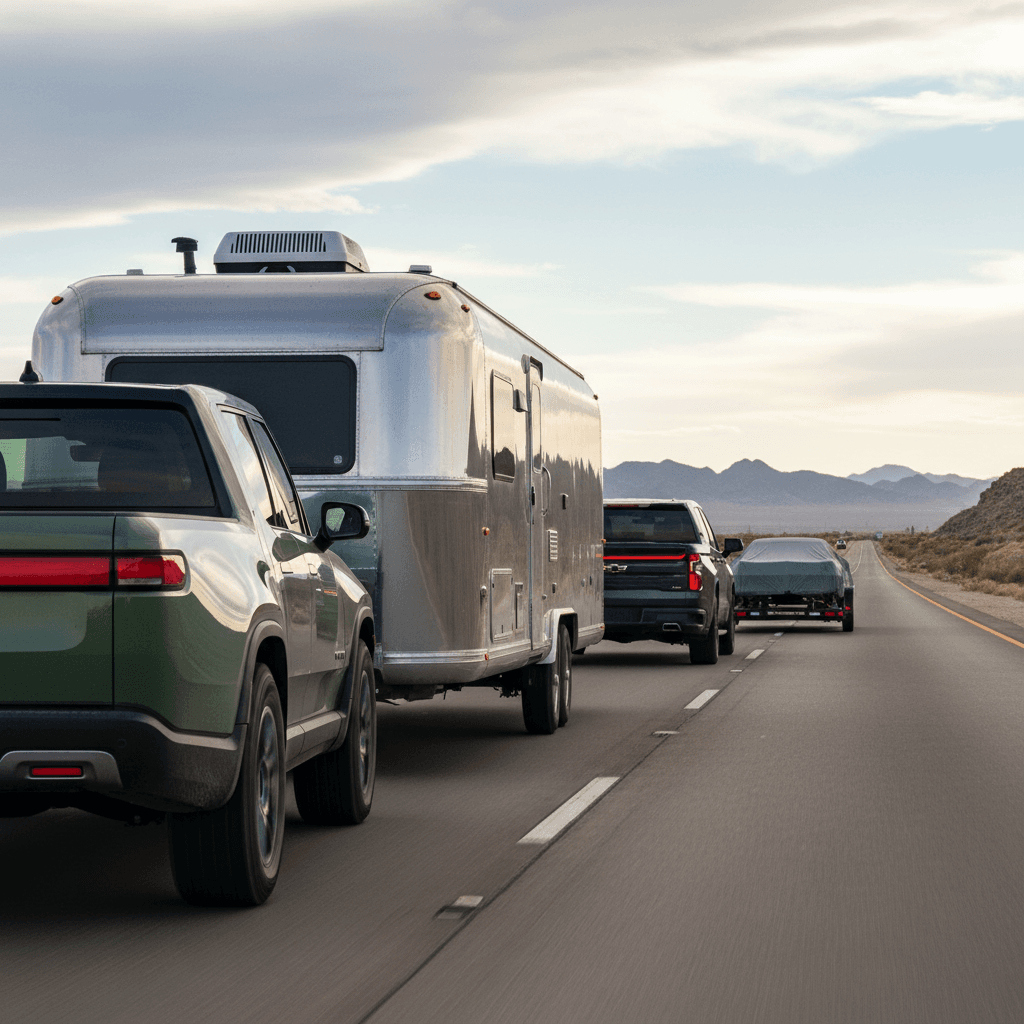
- Rivian R1T: Rated to tow up to about 11,000 lb with the right hitch and equipment. Range can drop sharply when towing, especially at highway speeds.
- Silverado EV: Early RST and WT models are rated around 10,000 lb, with Chevy targeting up to ~12,500 lb on certain trims. Expect strong tow tech and trailer‑friendly driver assists.
Bed and cargo solutions
- R1T: Shorter bed but adds the unique gear tunnel, under‑bed storage, and a power tonneau cover. Great for bikes, camping gear, and keeping valuables hidden.
- Silverado EV: Full‑size bed with Chevy’s Multi‑Flex Midgate on some trims, which lets you extend the load floor into the cab for long items while still closing the tailgate.
Think in trips, not just tow ratings
Off-Road Capability and Ride Comfort
Electric torque makes both of these trucks surprisingly capable off the pavement, but they lean in different directions.
Rivian R1T: Adventure first
The R1T was engineered with off‑road adventures in mind. Available air suspension delivers generous ground clearance in Off‑Road mode, and multiple drive modes tailor power delivery, ride height, and traction control for dirt, sand, rock, or snow. Shorter overhangs and the mid‑size footprint make technical trails easier to negotiate than in a long‑wheelbase full‑size pickup.
If you camp, ski, mountain‑bike, or overland, the R1T’s suspension and packaging feel purpose‑built for that lifestyle.
Silverado EV: Light off‑road, heavy comfort
The Silverado EV can absolutely handle unpaved roads, job sites, and mild off‑roading, but its mission skews more toward comfort and utility than hardcore trails. The long wheelbase and size work against it on tight or rocky tracks, though you gain stability when towing off‑pavement.
On pavement, the Silverado EV rides like a refined full‑size truck, especially when loaded or carrying family and gear.
Off‑road verdict
Charging, Battery, and Real-World Range
Range numbers on the window sticker are only the starting point. What matters in the real world is how the truck charges on road trips, how it performs in cold weather, and how quickly you can get back on the road when towing or fully loaded.
Charging and Range: Key Differences
Both will handle your commute easily; long trips and towing are where details matter.
Battery and peak charging
- R1T: Packs roughly 90–140 kWh depending on configuration, with peak DC fast‑charge rates around 200+ kW on compatible chargers.
- Silverado EV: Uses GM’s Ultium pack with an 800‑volt architecture and peak DC rates up to about 350 kW on capable chargers.
Highway and towing range
- At steady highway speeds, both trucks will see less range than the EPA sticker, especially with big wheels and all‑terrain tires.
- Hook up a sizable trailer and you can easily cut rated range roughly in half or more, regardless of brand.
Home charging reality
- Either truck will be happiest on a 240‑volt Level 2 home charger.
- If you’re moving from one EV truck to another, a capable home unit can serve both, just make sure amperage and plug type match the truck you buy.
Cold weather and big tires
Tech, Interior, and Usable Space
Inside, these trucks show very different personalities. The R1T leans toward minimalist adventure luxury; the Silverado EV feels more like a familiar Chevy truck that just happens to run on electrons.
Cabin and Tech: How They Feel Day to Day
Ask yourself whether you want a tech showpiece or a familiar full‑size family truck.
Infotainment and controls
- R1T: Large central touchscreen, digital cluster, and a clean dash design. Rivian keeps most controls in software, which looks great but takes a little acclimation. No built‑in Apple CarPlay or Android Auto as of today.
- Silverado EV: Big central display with GM’s latest software and more traditional switchgear. Expect better smartphone integration and a control layout longtime truck owners adapt to quickly.
Space and comfort
- R1T: Mid‑size exterior footprint but comfortable seating for five adults. Rear seat room is generous for the class, but not as sprawling as a full‑size crew cab.
- Silverado EV: Full‑size crew‑cab space, with stretch‑out rear legroom and a wide cabin. If you’re regularly hauling tall passengers or car seats, the Chevy’s extra room is a real asset.
“The Silverado EV makes far more sense as the primary family truck, while the R1T still feels like the enthusiast’s choice.”
Pricing, Value, and the Used Market
New‑vehicle pricing for both trucks moves around with trim, options, and incentives, but they occupy broadly similar territory at the upper end of the half‑ton market. Recent Rivian R1T stickers often land in the $70,000–$100,000+ range depending on motor count and battery pack, while loaded Silverado EV RST models follow a similar arc, with more basic WT versions aimed at fleets and work‑truck buyers.
Where things really diverge today is availability on the used market. The R1T has been on sale longer, which means more lightly used examples are starting to appear, often with meaningful discounts from MSRP. The Silverado EV, on the other hand, is still ramping up production; used inventory will likely stay thin (and expensive) for a while.
How Recharged can help
Which Electric Truck Is Better for You?
In a vacuum, it’s tempting to ask, “Which is better: Rivian R1T or Chevrolet Silverado EV?” In the real world, the more honest question is: Which one fits your life better? Here’s how the decision tends to shake out for most shoppers.
Rivian R1T vs Silverado EV: Ideal Buyers
Match your priorities to the truck that’s built for them.
Choose Rivian R1T if…
- You value adventure, trail access, and back‑road capability.
- You want explosive performance and a more compact footprint.
- You love clever storage (gear tunnel, frunk) and a distinctive design.
- You’re open to a more tech‑forward interface, even if it means a learning curve.
Choose Silverado EV if…
- You need full‑size truck interior space for family or crew.
- You tow or haul often and want a familiar Chevy work‑truck feel.
- You like GM’s tech ecosystem and driver‑assist features such as advanced trailering aids.
- You prefer a traditional truck silhouette that blends into the job site or parking lot.
If you’re shopping used…
- Today: You’ll find far more R1Ts on the used market.
- Soon: As more Silverado EVs come off lease or out of fleets, they’ll offer interesting value, especially for buyers who don’t need max range.
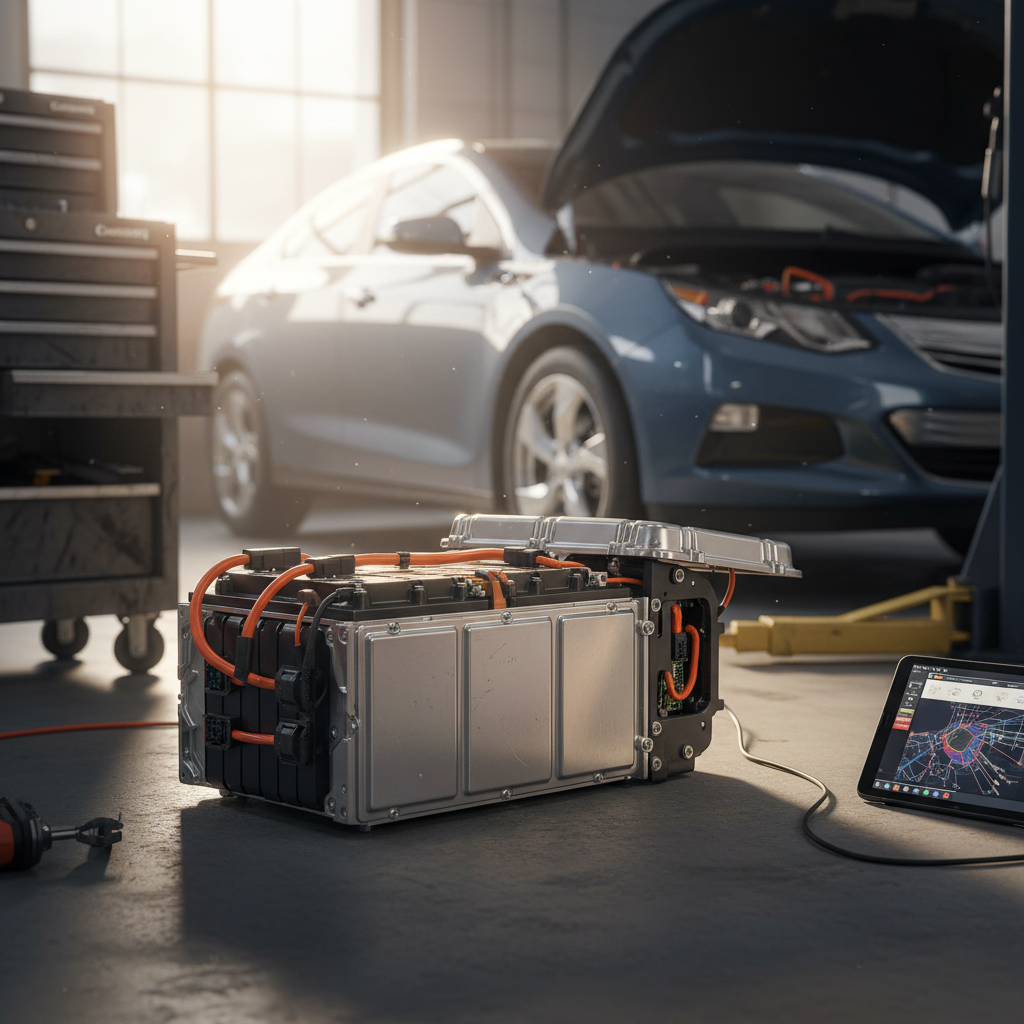
- Either way, prioritize verified battery health and charging history over paint color or wheels.
If you’re an enthusiast or outdoor‑adventure driver, the Rivian R1T is likely to feel like the more special, better‑fitting truck. If you’re a contractor, frequent tower, or the designated family hauler, the Silverado EV’s size, space, and work‑oriented features may make it the smarter long‑term choice. With either route, pairing the right truck with a transparent battery report and expert support, like you get when you buy used through Recharged, turns a complex decision into one you can feel confident about for years.
Checklist: Key Questions to Pick Your Truck
Answer These Before You Decide
1. How often will you tow or haul near the limit?
If heavy towing or hauling is part of your weekly routine, the Silverado EV’s full‑size frame and tow‑focused tech give it an edge. If you tow only a few times a year and mostly do light duty, the R1T will feel like less truck to park the other 50 weeks.
2. Do you off‑road or camp regularly?
Frequent trips to trailheads, ski areas, or remote campsites play to the R1T’s strengths, air suspension, compact size, and adventure‑oriented storage. Casual dirt‑road use won’t challenge either truck, but true off‑roading favors the Rivian.
3. How tight is your parking and maneuvering space?
A full‑size EV like the Silverado EV is easier to live with if you have a wide driveway, generous garage, and roomy job‑site parking. Downtown garages or older suburban driveways often favor the R1T’s smaller footprint.
4. Who rides with you most of the time?
If you routinely carry three tall adults in back or multiple car seats, the Silverado EV’s extra rear legroom and width pay daily dividends. For couples, small families, or empty‑nesters, the R1T’s cabin will feel more than adequate.
5. What does your charging setup look like?
If you have dedicated 240‑volt charging at home, either truck fits easily. If you rely more on public fast charging, pay attention to peak charge rates and how many high‑power stations are on your regular routes, especially if you tow.
6. Are you open to a more “startup‑style” ownership experience?
Rivian’s direct‑to‑consumer model and software‑heavy approach appeal to some buyers; others prefer established dealer networks and local service departments like Chevy’s. Think about which style you’re more comfortable with over a 5‑ to 10‑year ownership window.