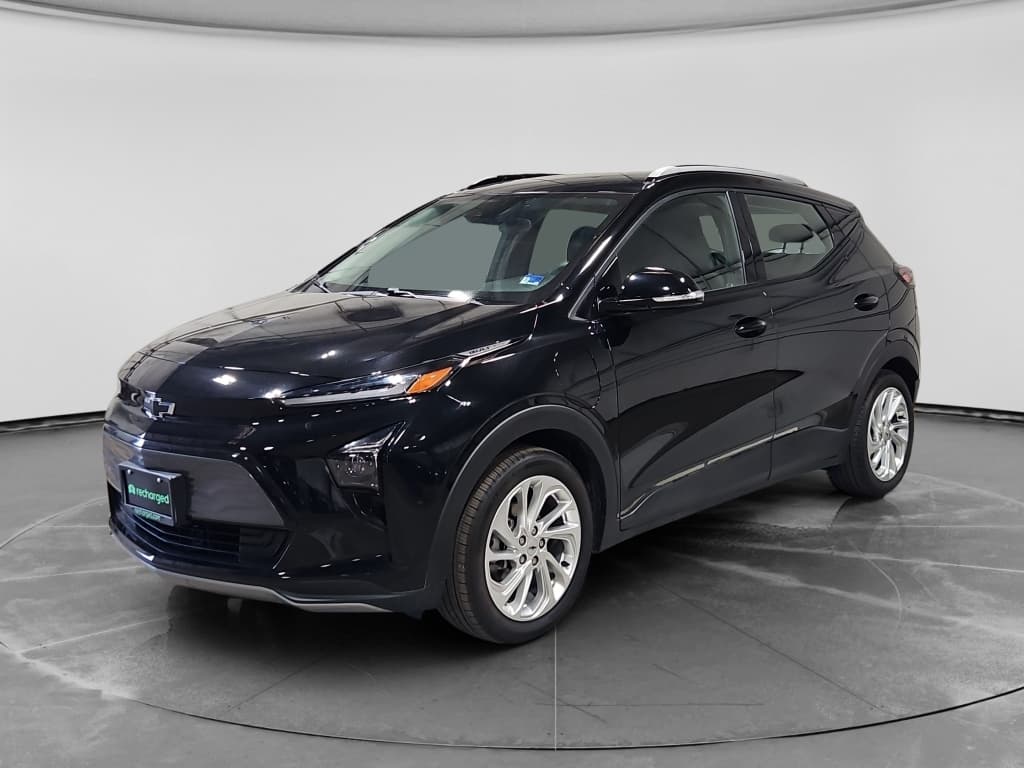
If you’re shopping for a Chevrolet Bolt EV or already own one, insurance is a big piece of the cost puzzle. So how much is insurance on a Chevrolet Bolt EV, and what should you budget for in 2025? The short answer: it’s usually comparable to, or slightly higher than, a similar compact gas hatchback, but your exact rate can swing widely based on where you live, how you drive, and whether you’re buying new or used.
Quick answer
Chevy Bolt EV insurance at a glance
Chevy Bolt EV insurance snapshot (typical U.S. driver)
Those numbers are directional, not guarantees. Insurance pricing is highly individualized. Still, they give you a realistic range for planning your budget around a Bolt EV or Bolt EUV, especially if you’re cross‑shopping against used hybrids or compact gas cars.
Average cost of insuring a Chevrolet Bolt EV
Because insurers price policies by driver, location, and vehicle, there’s no single universal figure for Chevrolet Bolt EV insurance. But if you look across national rate surveys and carrier quote tools for 2024–2025, some patterns emerge:
Typical Chevrolet Bolt EV insurance ranges (U.S., 2025)
These example ranges assume full-coverage insurance for personal use, with good credit and a clean driving record. Actual quotes will vary.
| Driver profile | Typical annual range | Typical monthly range | How it compares to similar gas cars |
|---|---|---|---|
| 30–40, clean record, suburban area | $1,400–$1,700 | $115–$145 | Often within ±10% of a compact hatchback like a Chevy Cruze |
| 50+, clean record, suburban/rural | $1,200–$1,500 | $100–$125 | Sometimes slightly lower thanks to experience and discounts |
| 20–29, clean record, urban area | $1,800–$2,300 | $150–$190 | Younger age and city traffic usually push rates higher than gas equivalents |
| High‑risk driver (recent at‑fault accident or ticket) | $2,400+ | $200+ | Risk profile outweighs any EV-specific savings |
Use this table as a planning tool, not a guarantee. Always get real quotes before you buy.
Your state makes a big difference
On a pure vehicle basis, the Chevrolet Bolt EV usually sits in the same ballpark, or a little above, compact hatchbacks and small crossovers. Where you’ll see the biggest swings is in your personal risk factors: age, driving history, mileage, and credit (in states where credit is used).
Why electric vehicle insurance can be higher than gas cars
If EVs have fewer moving parts, why can insurance be higher? It comes down to **repair economics**, **parts availability**, and **claim severity** rather than how often accidents happen.
Three reasons some EVs cost more to insure
The Chevrolet Bolt EV benefits from being small and relatively affordable, but these EV-wide trends still matter.
1. Battery and electronics
2. Repair networks
3. Newer technology
Where the Bolt EV can win
Key factors that affect your Bolt EV insurance rate
Insurers start with the vehicle (in this case, a Chevrolet Bolt EV or Bolt EUV), then layer your personal profile and coverage choices on top. Here are the levers that most directly affect your monthly bill:
- Location: ZIP code, traffic density, theft and vandalism rates, weather risks, and medical/legal costs all feed your base rate.
- Driving record: Tickets, at‑fault accidents, and DUIs are some of the fastest ways to raise your price, sometimes for 3–5 years.
- Annual mileage: Lower‑mileage drivers, especially those who use their Bolt EV mainly for short commutes, tend to see lower premiums.
- Age and experience: Drivers under 25 generally pay the most. Mature drivers with many claim‑free years often pay substantially less.
- Credit (in many states): Insurers use credit‑based insurance scores where allowed. Strong credit can translate into lower premiums.
- COVERAGE LEVEL: Choosing higher liability limits, low deductibles, or add‑ons like rental reimbursement will raise your bill, but also your protection.
- Use type: Personal commuting vs. rideshare or delivery work. Commercial use almost always costs more.
Bundle and telematics can move the needle
Chevy Bolt EV vs. Bolt EUV insurance costs
Chevy sells two closely related models: the **Bolt EV** (hatchback) and the **Bolt EUV** (slightly larger, SUV‑like version). From an insurance standpoint, they tend to price very similarly, but there are a few subtle differences to keep in mind.
Bolt EV (hatchback)
- Smaller footprint and slightly lower sticker price.
- Often a bit cheaper to repair due to fewer body panels and slightly less complex equipment.
- For many carriers, this translates into modestly lower comprehensive and collision premiums.
Bolt EUV (crossover-style)
- More interior space, available Super Cruise on some trims, and slightly higher MSRP.
- Extra size and equipment can marginally increase repair and replacement costs.
- Some insurers rate it like a small crossover, so the premium can land a touch higher than the Bolt EV, though usually not by a huge margin.
On a typical quote, the difference between a Bolt EV and a Bolt EUV might be only a few dollars a month. Your driving profile and location will have a much larger impact than choosing one body style over the other.

Insuring a used Chevrolet Bolt EV
Used EVs, and especially used Chevrolet Bolt EVs, have become some of the most budget‑friendly ways to go electric. The good news is that insurance for a **used** Bolt EV is often lower than for a brand‑new one, simply because the replacement cost is lower. But there are a few EV‑specific wrinkles to consider.
How used status changes Bolt EV insurance
Age, value, and battery health all matter to insurers, and to your wallet.
Vehicle age & value
Loan or lease requirements
Battery health perception
Where Recharged fits in
If you’re trading in a gas vehicle for a used Bolt through Recharged, you can also compare your current insurance cost against projected Bolt EV quotes. That apples‑to‑apples comparison is a smart way to judge the total cost of ownership before you sign anything.
7 ways to lower Chevrolet Bolt EV insurance costs
You can’t change your age or instantly move to a cheaper ZIP code, but you do have more control over Bolt EV insurance costs than you might think. Start with these levers:
Practical tactics to bring your premium down
1. Shop multiple quotes, especially if you’re switching to a Bolt
Don’t assume your current carrier is the cheapest for an EV. Get at least three quotes that specifically list your Bolt EV or EUV trim, mileage, and usage pattern. Prices can vary by hundreds of dollars a year for the same driver and car.
2. Revisit your coverage and deductibles
You want enough liability coverage to protect your assets, but you can often trim costs by choosing a slightly higher deductible on comprehensive and collision, especially on an older, lower‑value Bolt.
3. Ask about EV or green‑vehicle discounts
Some insurers offer small discounts for battery‑electric vehicles or for installing a Level 2 home charger. They’re not universal, but they’re worth asking about during your quote.
4. Enroll in a usage‑based or telematics program
If you drive your Bolt EV mainly for short commutes and avoid hard braking or late‑night driving, a telematics program that tracks driving behavior can lead to substantial discounts over time.
5. Bundle home and auto coverage
Combining your homeowners or renters policy with your auto policy can save 10–25% in many markets. Make sure you compare the combined price, not just the auto premium in isolation.
6. Keep mileage realistic and up to date
If you work from home or primarily use your Bolt EV locally, set your estimated annual miles accordingly. Being precise, without under‑reporting, can earn a lower‑mileage rating class.
7. Maintain a clean record and good credit
Over the long term, avoiding tickets and at‑fault accidents, and keeping your credit in good shape in states where it’s used, has more influence on your rate than the fact that you drive a Bolt.
Don’t skimp on liability
How insurance fits into your total EV ownership costs
When you move into a Chevrolet Bolt EV, especially a used one, your monthly picture changes in several ways: fuel costs drop dramatically, maintenance generally declines, and insurance may rise slightly or stay similar. The right question isn’t just “how much is insurance on a Chevrolet Bolt EV,” but “how does that insurance figure fit into my **total cost of ownership**?”
Costs that often go down with a Bolt EV
- Fuel: Electricity is typically cheaper per mile than gasoline, especially if you can charge at home off‑peak.
- Maintenance: No oil changes, fewer fluids, and less wear on brakes thanks to regenerative braking.
- Emissions‑related repairs: No catalytic converter, exhaust system, or emission control hardware to fail.
Costs that may go up or stay flat
- Insurance: Often similar to a comparable gas car, but sometimes 5–15% higher depending on your market and carrier.
- Registration or fees: A handful of states add EV surcharges to make up for fuel‑tax revenue.
- Home charging setup: A one‑time investment if you install a Level 2 charger or dedicated 240V outlet.
Use hard numbers when you shop
Chevrolet Bolt EV insurance FAQs
Frequently asked questions about Bolt EV insurance
Bottom line: what to expect for Bolt EV insurance
When you cut through the noise, insuring a Chevrolet Bolt EV isn’t dramatically different from insuring a compact gas car. For many drivers, full‑coverage premiums fall somewhere in the mid‑$1,400s to mid‑$1,900s per year, with younger, urban, or higher‑risk drivers paying more and experienced, low‑risk drivers paying less. What matters most is how you stack your own risk profile, coverage choices, and discounts, not just that you’re driving an EV.
If you’re considering a used Bolt EV or Bolt EUV, pairing realistic insurance quotes with a transparent view of battery health and fair pricing is the best way to avoid surprises. That’s exactly what Recharged is built to do: every vehicle comes with a Recharged Score Report, expert EV support, and flexible options for financing, trade‑in, instant offer, or consignment, plus nationwide delivery from a fully digital experience. Pull those pieces together, and you’ll know not just how much insurance is on a Chevrolet Bolt EV, but how that number fits into a long‑term, confident EV ownership plan.