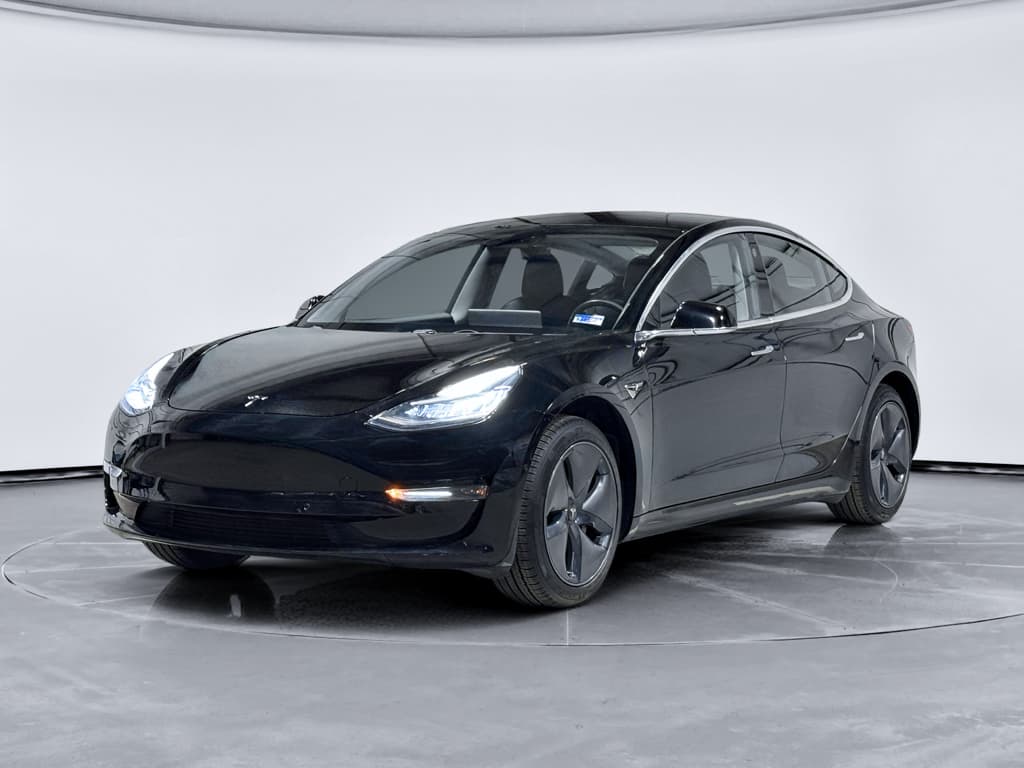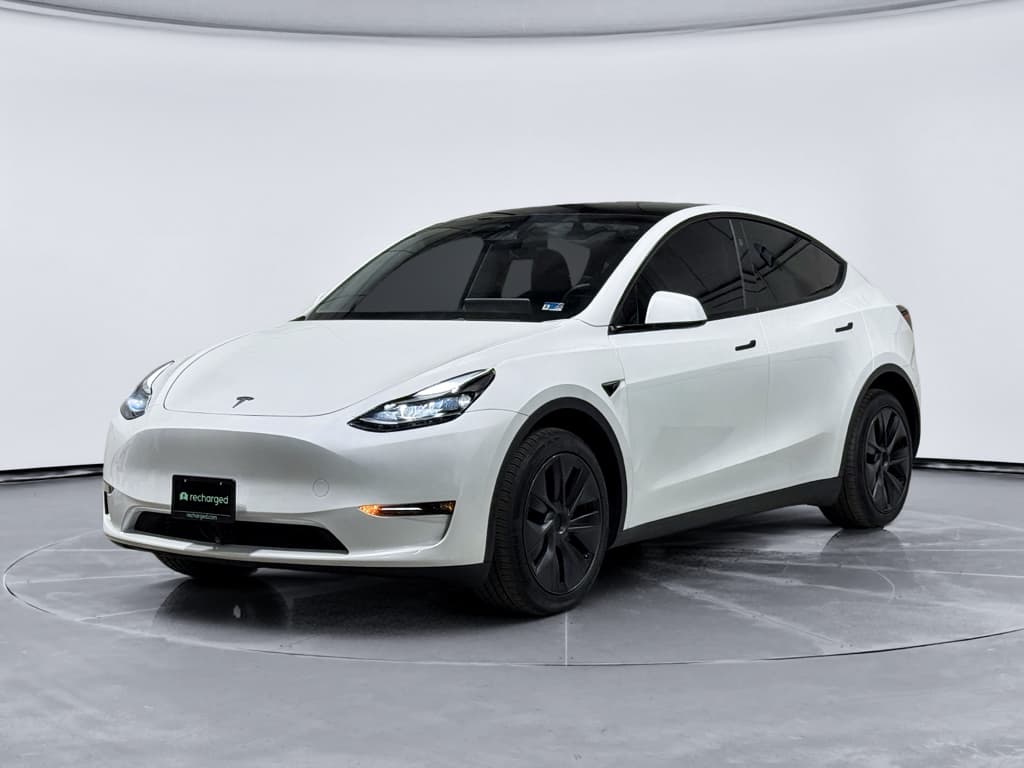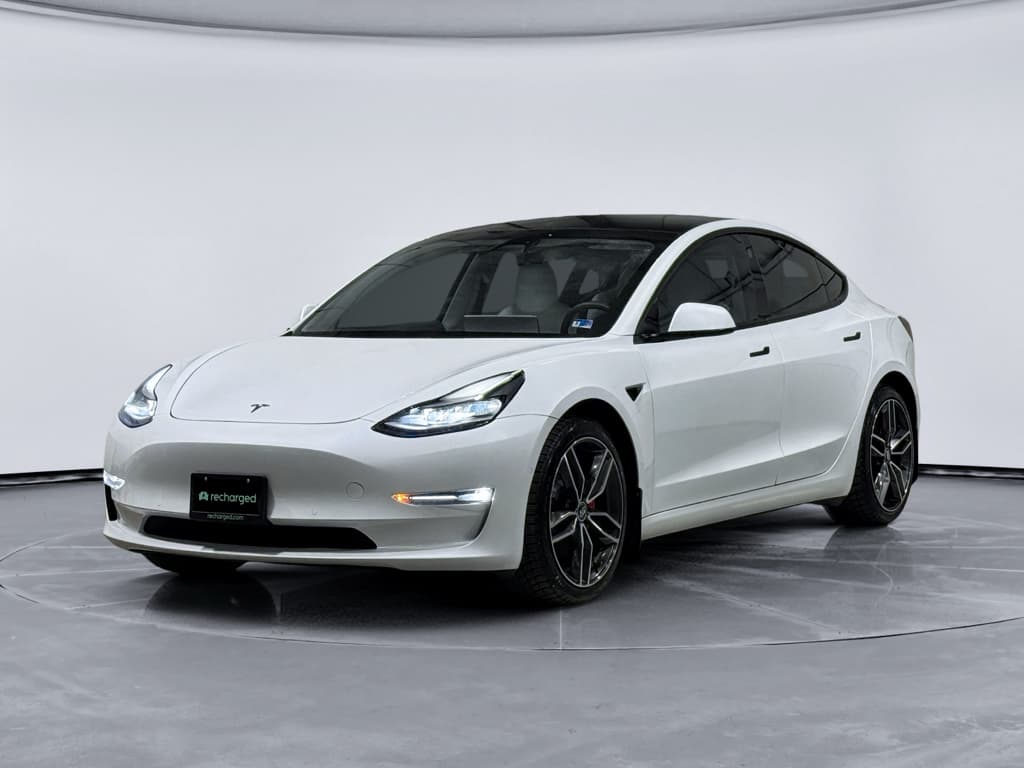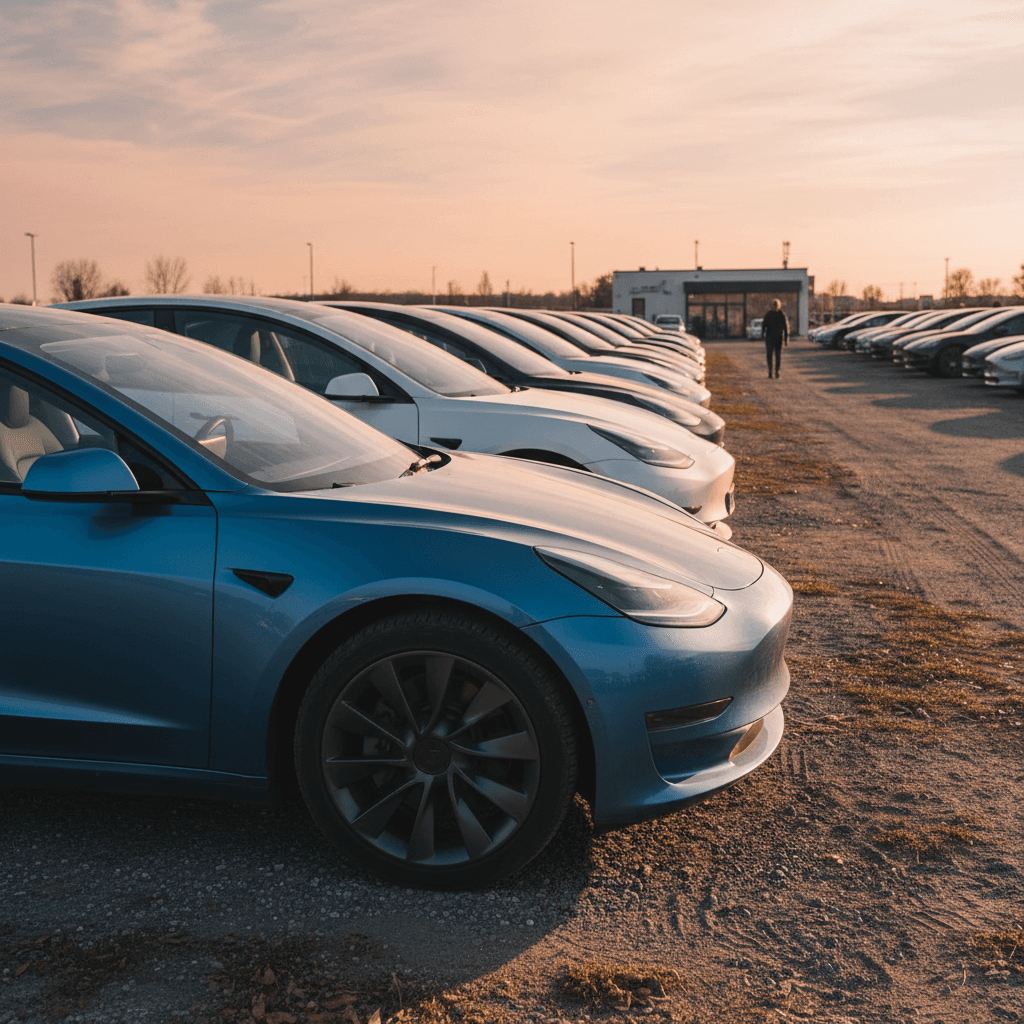
If you’re wondering how much a used Tesla is in 2025, the short answer is that most used Teslas in the U.S. sit somewhere in the mid‑$20,000s to mid‑$50,000s, depending on model, age, mileage, and battery. The long answer is more interesting: Tesla’s aggressive new‑car price cuts and fast‑moving tech have pushed used prices down sharply, which is a headache for recent buyers but an opportunity if you’re shopping now.
Snapshot: used Tesla pricing in 2025
Used Tesla price overview in 2025
What used Teslas actually cost right now
Across the broader EV market, the average price of a late‑model used electric vehicle has fallen into the low‑$30,000s, and Tesla is right in that mix. In fact, Teslas as a brand have seen some of the sharpest used‑price declines over the last 1–2 years, which is exactly why you’re seeing so many Model 3s and Model Ys advertised at prices that would’ve looked impossible back in 2021–2022.
Used Tesla sticker shock, now in reverse
Typical used Tesla price ranges by model
Let’s translate the averages into the ranges you’re likely to see in real U.S. listings. These are typical asking‑price ballparks in late 2025 for clean‑title cars with reasonable mileage; a rare spec, salvage title, or extremely high miles can push prices well outside these bands.
Approximate used Tesla price ranges in 2025 (U.S.)
Ballpark asking prices you’re likely to see on mainstream marketplaces and EV‑focused retailers.
| Model | Model years most common used | Typical price range | Very rough "deal alert" territory* |
|---|---|---|---|
| Model 3 | 2018–2023 | $18,000 – $32,000 | Under ~$17,000 |
| Model 3 (2024–2025 facelift) | 2024–2025 | $30,000 – $40,000 | Under ~$29,000 |
| Model Y | 2020–2024 | $25,000 – $40,000 | Under ~$24,000 |
| Model Y (2025–2026 Juniper) | 2025–2026 | $35,000 – $45,000 | Under ~$34,000 |
| Model S | 2016–2022 | $25,000 – $55,000 | Under ~$24,000 |
| Model X | 2016–2022 | $30,000 – $60,000 | Under ~$29,000 |
These ranges are directional, not quotes. Actual prices vary by condition, location, and market swings.
About these numbers
How the four core Tesla models stack up used
Think of each model as a different answer to the same question: how much EV do you actually need?
Model 3: the value play
The Model 3 is now one of the cheapest ways into a Tesla. Older RWD and early Long Range cars can dip below $20,000, especially with higher mileage. Expect to pay more for dual‑motor AWD, Performance trims, and newer Highland‑era cars.
For most buyers, a 2019–2022 Long Range or AWD car in the low‑ to mid‑$20,000s is the sweet spot between price and capability.
Model Y: the family default
The Model Y is effectively America’s default electric crossover now, and used prices reflect that demand. Clean, sub‑40,000‑mile Long Range or Performance cars tend to live in the low‑$30,000s to low‑$40,000s, while higher‑mileage RWD or early builds fall closer to $25,000–$30,000.
If you want space, range and ground clearance, it’s hard to beat a well‑priced used Y.
Model S: flagship on a budget
A used Model S can look like a bargain, big range, big screen, big badge, for $30,000–$45,000. The catch is that these cars are often older, more complex, and much more expensive to repair out of warranty.
Shop these only if you understand the risks and have a trusted EV‑savvy inspection option.
Model X: niche but tempting
The Model X combines three‑row seating with dramatic falcon‑wing doors, and depreciation has finally dragged them within reach of more buyers. It’s not unusual to see older Xs in the $35,000–$50,000 range.
As with the S, factor in higher repair costs, more complex hardware, and big‑ticket items like air suspension.
Why used Tesla prices are dropping
If you’ve heard that Teslas depreciate heavily right now, you’re not imagining it. Recent analyses of 1–5‑year‑old EVs show used Tesla prices down more than 10% year‑over‑year on average, with some individual models seeing mid‑teens percentage drops just in the last 12 months.
- Aggressive new‑car price cuts. Tesla has repeatedly slashed new‑vehicle prices since 2023. Every time the new sticker drops, it pulls used values down behind it.
- Rapid tech turnover. Facelifts like the refreshed Model 3 and the 2025–2026 “Juniper” Model Y make earlier cars feel older faster, even when the underlying hardware is still perfectly capable.
- More EV competition. Legacy brands and startups have finally put serious EVs on the road. When shoppers can cross‑shop Hyundai, Kia, Ford and others, used Tesla sellers have to price more aggressively.
- Brand perception volatility. Tesla still dominates EV sales, but controversies around the brand and its CEO have cooled some demand, which shows up in used prices first.
Good news for used buyers
Key factors that change how much a used Tesla costs
Two listings can show the same model and year but differ by $8,000–$10,000 or more. That’s not random. Here’s what actually moves the needle on how much a used Tesla costs.
What really drives used Tesla pricing
Think beyond year and mileage, software, hardware, and history matter just as much.
Battery & range
Battery health is the single most important factor in a used EV. A car that still gets close to its original EPA range is worth more than one that’s lost 15–20% of its capacity.
Look for objective diagnostics, not just the dash guess at 100% charge.
Mileage & usage
Low mileage still commands a premium, but how those miles were driven matters. Lots of DC fast‑charging and rideshare duty ages a battery faster than gentle commuting.
Service records and charge‑history clues help here.
Trim & software
Dual‑motor AWD, Performance trims, Premium Interior, and options like Full Self‑Driving (FSD) or Enhanced Autopilot can swing asking prices by several thousand dollars.
Confirm what software features will actually transfer with the car.
Warranty & repairs
Tesla’s battery and drive‑unit warranty runs 8 years (with mileage caps). Cars still under that umbrella, or with recent major repairs (like a drive‑unit replacement), deserve a price bump.
Out‑of‑warranty S and X models, by contrast, should be cheaper because big repairs are on you.
Title & accident history
Salvage or rebuilt titles can look cheap but often come with insurance and Supercharging limitations, plus unknown repair quality.
Clean title with minor cosmetic damage is usually the smart value play.
Market & location
Prices in California, Washington, and the Northeast, where EV adoption is highest, won’t match what you see in the Midwest or South.
Always compare against local listings, not just national averages.
Don’t ignore salvage titles
Running the numbers: total cost of ownership
Sticker price is only half the story. Used EVs, including Teslas, often look more expensive than equivalent gas cars, but they can win on total cost of ownership once you account for fuel, maintenance, and incentives.
Used Tesla vs. used gas car: monthly reality check
- Purchase price: A used Tesla might run $2,000 more than a comparable gas crossover of the same age and mileage.
- Fuel: Home charging can easily save $80–$150 per month versus gas, depending on local electricity prices and your commute.
- Maintenance: No oil changes, fewer moving parts, and regenerative braking mean fewer shop visits. You still pay for tires, cabin filters, and the occasional alignment.
- Insurance: EV insurance can be 10–20% higher, but this is highly regional and depends on repair networks in your area.
Incentives & financing
- Federal used‑EV tax credit: Through September 2025, qualifying used EVs can still be eligible for a federal credit of up to $4,000, subject to income and price caps. That effectively lowers your real purchase price.
- Local incentives: Some utilities and states offer rebates for home chargers or used‑EV purchases. That can offset installation costs.
- Financing terms: A good rate on a $30,000 used Tesla can make the monthly payment comparable to a cheaper, higher‑fuel‑cost gas car.
Where Recharged fits in
Ready to find your next EV?
Browse VehiclesHow to evaluate a used Tesla like a pro
Once you know roughly how much a used Tesla should cost, the next step is deciding whether any specific car is worth the asking price. Here’s a practical framework you can run through in an afternoon.
7‑step checklist for sizing up a used Tesla
1. Confirm the exact build
Use the VIN and listing details to confirm trim (RWD, Long Range, Performance), drive layout, wheel size, and options. Mis‑listed trims are common and directly impact value.
2. Check battery health and projected range
Don’t rely only on the 100% charge estimate on the screen. Ask for a recent battery‑health report or third‑party diagnostic, or buy from a seller that provides a standardized battery score like the Recharged Score.
3. Review charging behavior
Ask how the car was charged. A history of mostly home Level 2 charging is better than constant DC fast‑charging. Look for signs of rideshare duty or heavy road‑trip use.
4. Inspect service and repair history
Look for records of recurring issues, especially on Model S/X (air suspension, door mechanisms) and early Model 3/Y builds (fit and finish, HVAC). A recent drive‑unit or battery replacement can actually be a positive.
5. Examine the title and Carfax/AutoCheck
Verify there are no undisclosed accidents, title brands, or odometer inconsistencies. Minor fender‑benders aren’t a deal‑breaker, but major structural damage should come with a noticeable discount, or a hard pass.
6. Test drive with a purpose
Listen for clunks or whines, test Autopilot on a safe stretch, and check that basic things like HVAC, touchscreen responsiveness, window regulators, and door handles behave as expected.
7. Benchmark the price
Compare the asking price against at least 5–10 similar listings (same year, trim, and rough mileage). If it’s thousands higher with no clear justification, negotiate, or walk.
Leverage expert help
Should you buy a used Tesla or another used EV?
Teslas still dominate both new and used EV search volume, but that doesn’t automatically make them the right answer for you. The real question is whether a used Tesla at today’s prices beats a used Hyundai, Kia, Chevy, or Ford EV for the way you drive.
When a used Tesla makes the most sense
- You road‑trip often. Access to the Supercharger network is still Tesla’s killer app, especially if you regularly leave major metro areas.
- You care about software polish. Over‑the‑air updates, mature infotainment, and polished driver‑assist systems are still Tesla strengths.
- You value resale liquidity. Even with recent depreciation, Teslas remain among the easiest EVs to resell, simply because more shoppers are familiar with them.
When another used EV can be smarter
- Your driving is mostly local. If you rarely fast‑charge, a used Chevy Bolt, Nissan Leaf, or Kia Soul EV can be much cheaper while still covering your daily use.
- You want traditional controls or a hatchback. Not everyone loves Tesla’s minimalist interior. Some non‑Tesla EVs offer more conventional cabins, physical buttons, and flexible cargo areas.
- Local service matters. If you live far from a Tesla Service Center but have a robust dealer network for other EV brands, that’s worth factoring into the equation.
Watch the adapter transition
FAQ: used Tesla prices and buying questions
Frequently asked questions about used Tesla pricing
Bottom line: how much a used Tesla should cost you
In today’s market, the question isn’t just “How much is a used Tesla?”, it’s whether the Tesla you’re looking at is priced fairly for its battery health, mileage, and spec. For most shoppers in 2025, expect a realistic shopping window of about $20,000–$35,000 for a Model 3 and $25,000–$40,000 for a Model Y, with flagship S and X models commanding more but also carrying more risk.
If you approach the market with clear price benchmarks, insist on real battery‑health data, and compare total cost of ownership against a gas car, not just monthly payment, you’ll be in a strong position to take advantage of Tesla’s recent depreciation instead of getting burned by it. And if you want help running those numbers, evaluating battery reports, or lining up financing, Recharged is built specifically to make that used‑EV decision as simple and transparent as it should have been all along.