If you’re wondering “how much is a second hand car?” in 2025, you’re not alone. After a few wild, post‑pandemic years, the used market is finally calming down, but prices are still higher than they were before 2020, and the gap between gas, hybrid, and electric models can be confusing. Let’s walk through what second hand cars really cost today, what affects the price, and how to know if you’re getting a fair deal, especially if you’re considering a used EV.
Quick context on 2025 prices
Second hand car prices in 2025: quick overview
What people are really paying for used cars in 2025
Those are averages. The better question is: what will a second hand car cost for you? In practical terms, most buyers in 2025 will fall into one of three buckets:
- Tight budget, older car: $8,000–$15,000 for a 7–12‑year‑old compact, sedan, or small SUV with higher mileage.
- Middle‑of‑the‑road: $18,000–$28,000 for a 4–8‑year‑old compact SUV, sedan, or mid‑size car with reasonable miles.
- Newer and nicer (or EV): $28,000–$40,000 for 1–5‑year‑old crossovers, trucks, or well‑equipped EVs.
Why sub‑$10k cars are hard to find
What actually drives the price of a second hand car?
When you look at a used‑car listing, you’re seeing the sum of a dozen little stories: how it was driven, which options it has, what fuel it uses, and what’s going on in the market this month. Here are the big levers that answer “how much is this second hand car?” for any specific vehicle.
Key factors that push used car prices up or down
Understand these and you’ll understand 80% of pricing
Age & mileage
A 3‑year‑old car with 30,000 miles will cost a lot more than a 9‑year‑old with 110,000 miles. Most shoppers try to stay under 100,000 miles if the budget allows.
Condition & history
Accident history, number of owners, service records, and visible wear all affect price. A clean history and documented maintenance can add thousands in value.
Powertrain type
Gas, hybrid, or electric. Used EVs tend to depreciate faster than comparable gas cars, which can make them bargains, if the battery is healthy.
Brand & demand
High‑demand brands (Toyota, Honda, some SUVs and trucks) hold value better. That means you’ll often pay more up front but may get more back at resale.
Where you live
Prices vary by region. Compact cars are cheaper where trucks rule the road; EVs may be cheaper in markets with generous incentives or heavy supply.
Financing & incentives
Dealer discounts, EV tax credits, and interest rates all change the real cost of a second hand car, sometimes more than a $500 difference in sticker price.
Look beyond the sticker
Typical second hand car price ranges by vehicle type
Let’s talk real‑world numbers. These are typical retail asking prices at dealerships in late 2025 for common types of second hand cars in the U.S. We’re talking about mainstream brands, not exotic luxury.
Approximate 2025 U.S. second hand price ranges
Typical dealer retail prices for 4‑ to 8‑year‑old vehicles with average mileage (around 12,000–15,000 miles per year).
| Vehicle type | Example models | Typical price range | Notes |
|---|---|---|---|
| Compact car | Toyota Corolla, Honda Civic, Hyundai Elantra | $12,000–$22,000 | Older/high‑mile cars on the low end, 4‑year‑old low‑mile cars on the high end. |
| Midsize sedan | Toyota Camry, Honda Accord, Nissan Altima | $15,000–$26,000 | Popular with families; prices are firmer on reliable models. |
| Compact SUV/crossover | Toyota RAV4, Honda CR‑V, Hyundai Tucson | $18,000–$30,000 | Hot segment, especially all‑wheel drive in colder states. |
| Midsize/3‑row SUV | Ford Explorer, Hyundai Santa Fe, Kia Sorento | $20,000–$35,000 | More metal, more seats, more money. |
| Pickup truck | Ford F‑150, Chevy Silverado 1500, Ram 1500 | $24,000–$45,000 | Trucks hold value; expect higher prices, especially 4x4 and tow‑ready trims. |
| Economy EV (older) | Nissan Leaf, Fiat 500e, early Chevy Spark EV | $8,000–$16,000 | Great city runabouts; limited range compared with newer EVs. |
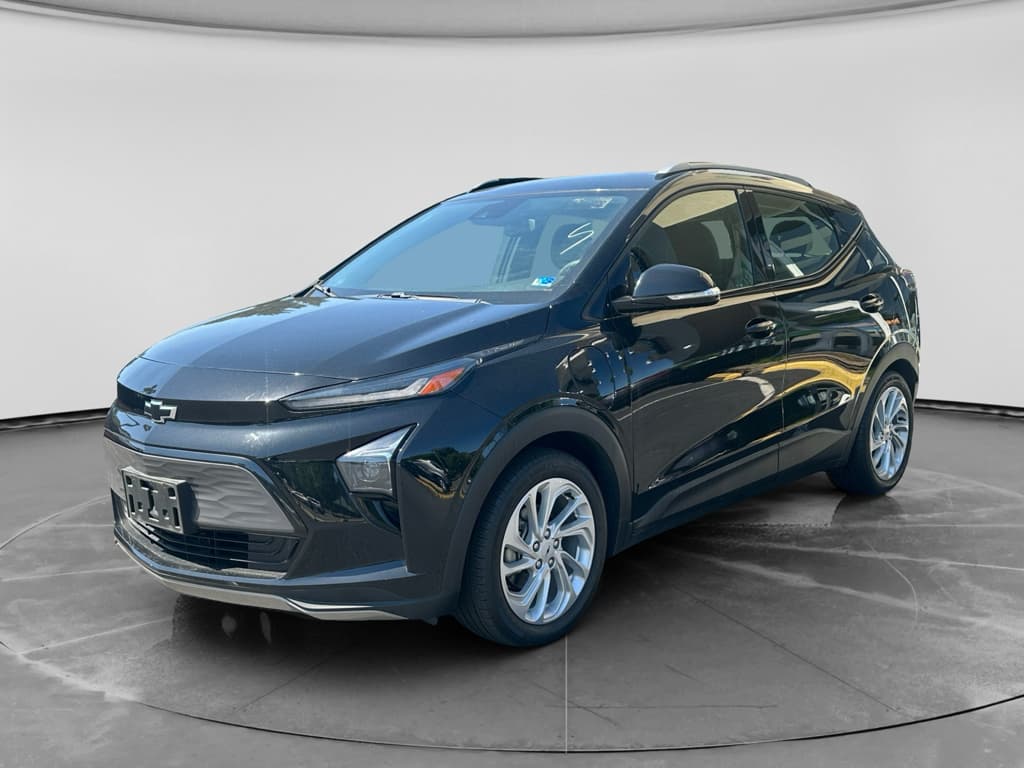
| Mainstream EV (newer) | Chevy Bolt EV/EUV, Hyundai Kona Electric, Kia Niro EV | $18,000–$30,000 | Sharp price drops in 2024–25 have made these surprisingly affordable. |
| Entry luxury car | BMW 3‑Series, Audi A4, Lexus IS | $22,000–$35,000 | Low purchase price doesn’t mean low maintenance, budget accordingly. |
Your local market may be 5–10% higher or lower.
Where you can still find real value
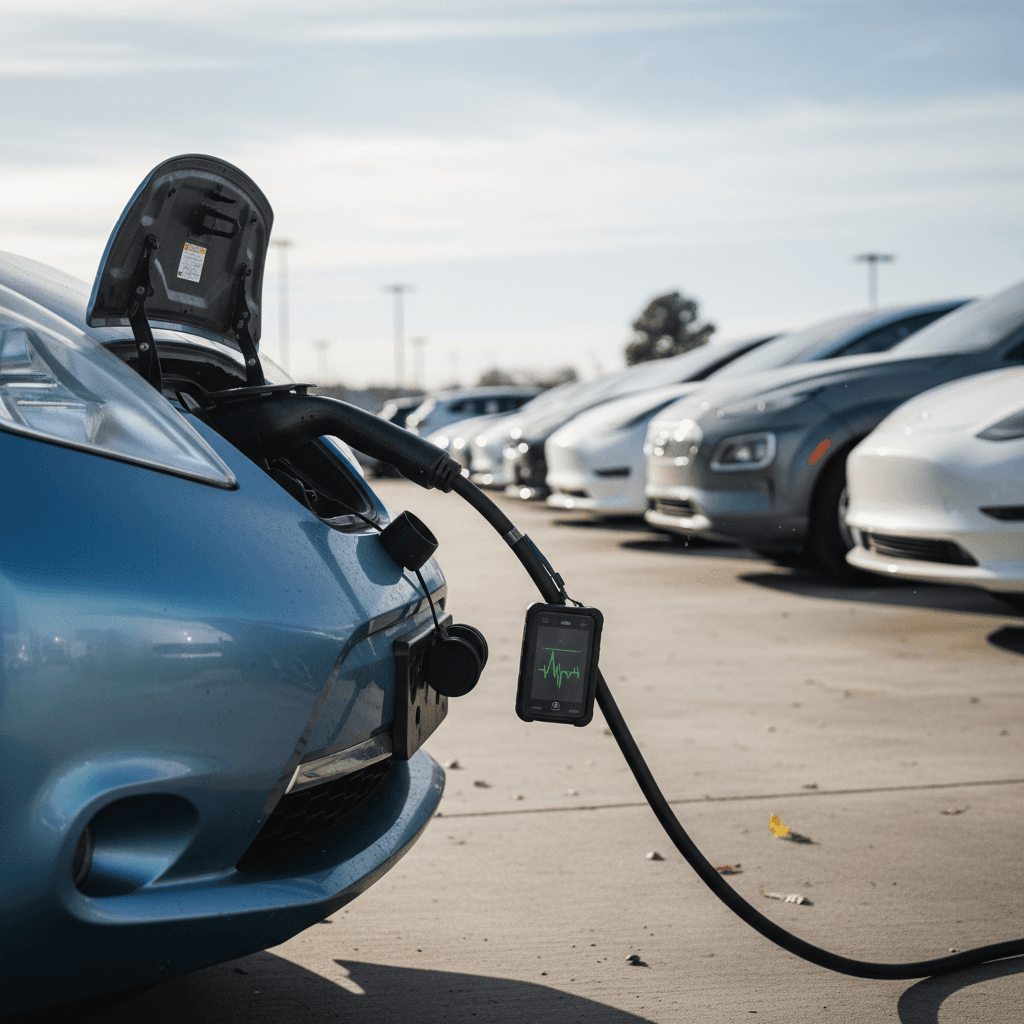
How much is a second hand electric car?
Used EVs are the wild child of the second hand market. In 2024 and 2025, prices for late‑model used EVs fell in the double digits year‑over‑year, while gas and hybrid prices were flat or rising slightly. That’s why you’ll often see a nearly new EV priced similar to a 5‑year‑old gas car.
- Average late‑model used EV (1–5 years old): roughly $31,000, down almost 9–15% from a year earlier.
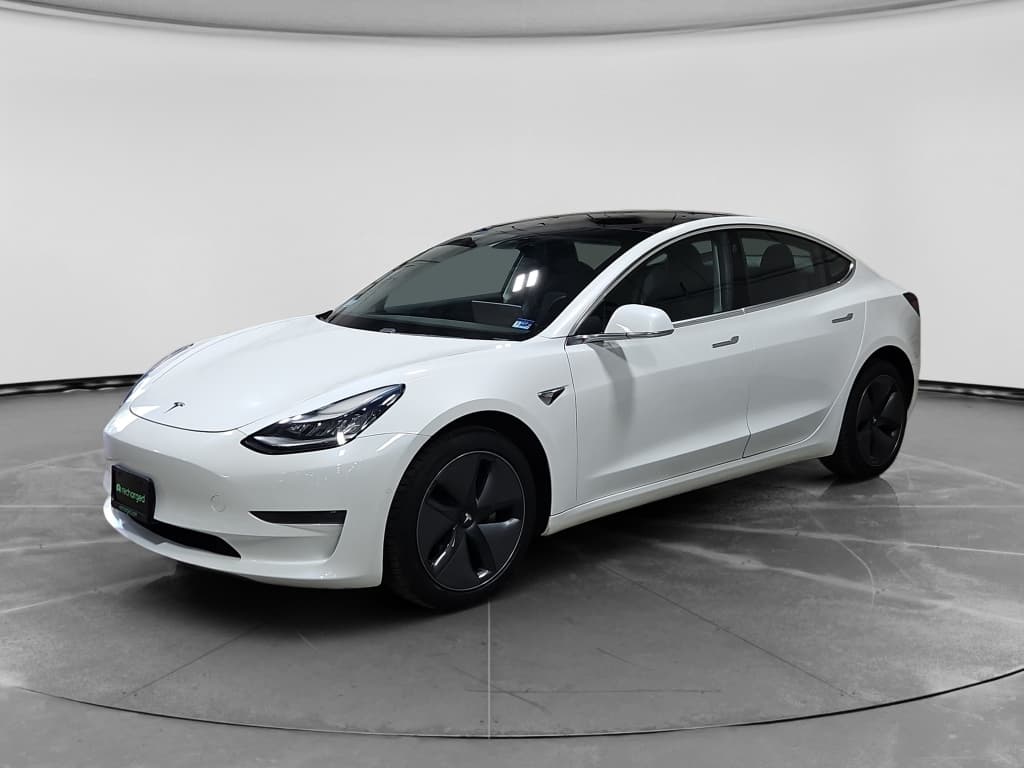
- Some used Teslas (Model 3, Model Y) now undercut the overall used‑car average, often in the mid‑$20,000s to low‑$30,000s depending on age and mileage.
- Older city EVs like the Nissan Leaf and Fiat 500e frequently list between $8,000 and $15,000, though range and battery health vary widely.
The EV‑specific risk: battery health
This is where Recharged comes in. Every used EV sold through Recharged includes a Recharged Score Report with verified battery health, a fair‑market price range based on current data, and an easy‑to‑read explanation of how the car has been used and charged. Instead of guessing whether that bargain EV is too good to be true, you can see exactly what you’re buying.
Used EV vs gas: which is cheaper long‑term?
Sticker price vs monthly cost
On paper, a second hand gas car can still look cheaper than a comparable used EV. But once you factor in fuel, maintenance, and repairs, the picture shifts.
- Fuel: Many EV owners save thousands over the life of the car compared with buying gasoline, especially if they charge at home.
- Maintenance: EVs typically have fewer moving parts, no oil changes, and less brake wear.
- Repairs: Out‑of‑warranty battery or electronics repairs can be expensive if something goes wrong.
When a used EV makes sense
You’re more likely to come out ahead with a second hand EV if:
- You can charge at home or work at a reasonable electricity rate.
- Your daily driving fits within the car’s real‑world range with a healthy margin.
- You’ve verified the battery’s state of health and any remaining warranty.
- You plan to keep the car long enough to let the fuel savings do their work.
For many commuters, a well‑priced used EV can cost less per mile than a cheaper gas car that drinks fuel and needs more service.
How Recharged helps you compare true costs
Financing a second hand car: what it really costs per month
As monthly payments have climbed in recent years, more buyers are stretching loans to six or seven years. In 2025, it’s common to see used‑car payments around $500–$600 per month, and new‑car payments well north of that. The car you can afford isn’t just about price, it’s about the terms.
Sample monthly payments for second hand cars (approximate)
Rounded estimates assuming good, but not perfect, credit, typical 2025 interest rates, and no trade‑in. Your numbers will vary.
| Vehicle price | Down payment | Loan term | Rough monthly payment |
|---|---|---|---|
| $15,000 | $2,000 | 60 months (5 years) | Around $270–$310 |
| $20,000 | $3,000 | 72 months (6 years) | Around $340–$390 |
| $25,000 | $3,000 | 72 months (6 years) | Around $420–$470 |
| $30,000 | $4,000 | 72 months (6 years) | Around $500–$560 |
Use these as ballpark figures, not exact quotes.
Don’t chase the car and forget the payment
Recharged can help you pre‑qualify for financing with no impact on your credit score, so you know your realistic budget before you fall in love with a car. That way, “how much is a second hand car?” becomes “how much is the right second hand car for me?”
How to tell if a second hand car price is fair
Once you’ve found a car you like, the question becomes: Is this price fair? You don’t need access to dealer‑only data to get close, you just need to check a few things systematically.
Four quick tests for a fair used‑car price
1. Compare similar listings locally
Search by year, mileage, trim, and options within 50–100 miles. If a car is priced thousands above similar vehicles, the seller should be able to explain why.
2. Adjust for mileage and options
A low‑mile car with safety packages, AWD, or premium features deserves a premium. High‑mile base models should be at the bottom of the range.
3. Factor in recon costs
Look closely at tires, brakes, windshield, and upcoming maintenance. Estimate what it will cost to make the car truly ready to drive, then mentally add that to the price.
4. Get an independent value benchmark
Use online value tools and, for EVs, a battery health report. Recharged’s Score Report blends battery diagnostics, market data, and vehicle condition to show a realistic fair‑market range.
Why EV pricing is trickier
Step‑by‑step checklist for buying a second hand car
If you’re just getting started, use this roadmap to go from “no idea what I can afford” to “I’m driving home in the right second hand car.”
Your second hand car buying game plan
Budget‑first shoppers
Check your monthly budget and decide your maximum comfortable payment.
Get pre‑qualified for financing so you know your ceiling before you shop.
Use that number to back into a realistic price range (don’t forget taxes and fees).
Focus searches on cars that fit both your price and your insurance budget.
Value hunters
Target 4‑ to 7‑year‑old vehicles with solid reliability records.
Be flexible on color and minor options; be firm on maintenance history.
Shortlist 3–5 vehicles and compare total costs, not just sticker prices.
Don’t be afraid to walk away if recon costs look high or history is vague.
EV‑curious buyers
Decide how much daily range you truly need, with plenty of cushion.
Confirm you have a practical charging plan at home or nearby.
Shop used EVs with <strong>transparent battery health data</strong> (like Recharged’s Score).
Compare a used EV and a similar gas car on total 5‑year costs, not emotions.
Trade‑in or current‑car owners
Get instant online offers for your current car to understand its real value.
Decide whether you want to sell outright, trade in, or consign for a higher return.
Avoid rolling negative equity into a longer new loan if you can help it.
Use your trade‑in to reduce how much you finance, not to stretch into a pricier car.
FAQ: common questions about second hand car prices
Frequently asked questions about second hand car costs
Key takeaways: what you should pay for a second hand car
So, how much is a second hand car in 2025? For most U.S. shoppers, that answer falls somewhere between $15,000 and $30,000, depending on age, mileage, and whether you’re buying gas, hybrid, or electric. The trick is not to chase the lowest possible number, but to find the best value, the car whose price, condition, and long‑term costs actually fit your life.
If you’re EV‑curious or ready to make the switch, Recharged was built to make that decision less of a gamble. Every vehicle comes with a Recharged Score battery health report, fair‑market pricing, financing support, trade‑in options, and even nationwide delivery, all wrapped into a digital, no‑pressure experience. That way, the question stops being “how much is a second hand car?” and becomes “which second hand car is going to serve me best for the next few years?”