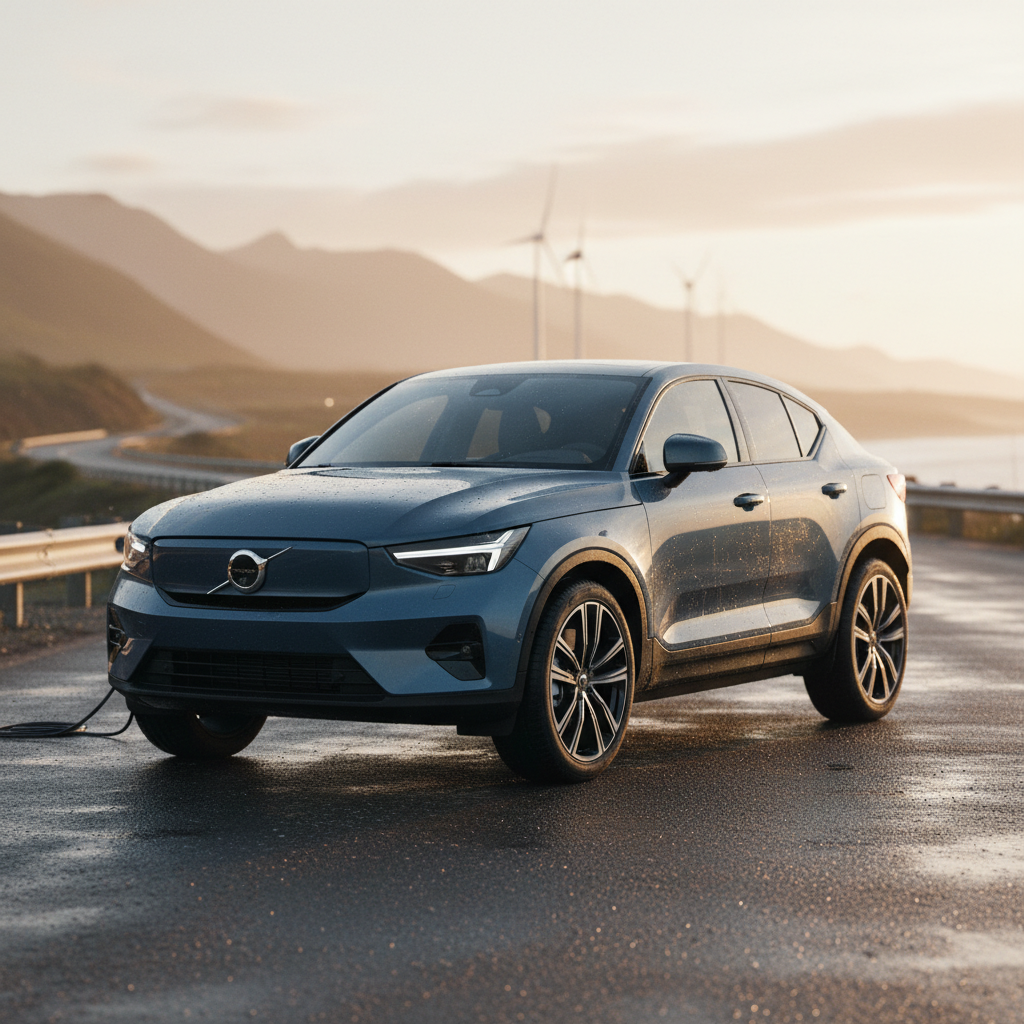
If you’re wondering how much it costs to replace an EV battery, you’re not alone. The pack under the floor is the single most expensive part of an electric car, and headlines about five‑figure repair bills can be intimidating. The reality in 2025 is more nuanced: most drivers never pay for a replacement, and when they do, costs vary widely by vehicle, warranty, and where you get the work done.
Key takeaway
EV battery replacement cost in 2025: the short answer
EV battery replacement cost at a glance (2025)
Most recent 2024–2025 data from insurers, repair networks, and industry surveys suggest that the majority of full-pack replacements land between $5,000 and $20,000 out of warranty. That wide range reflects differences in battery size (measured in kWh), vehicle class, and whether you choose an OEM new pack, a refurbished pack, or a third‑party solution.
Good news for your wallet
What actually drives EV battery replacement cost?
When you see a quote for an EV battery replacement, you’re really looking at a combination of several factors, not just the pack itself. Understanding these levers will help you make sense of the wide price ranges you see online.
6 factors that determine EV battery replacement cost
Why your neighbor’s quote might look nothing like yours
1. Vehicle type & battery size
2. Chemistry & design
3. Labor & service access
4. Warranty coverage
5. New vs. refurbished vs. salvage
6. Region & market conditions
Watch the "while we’re in there" items

Cost to replace an EV battery by vehicle type and brand
To make this concrete, let’s look at what different drivers are actually paying in 2024–2025. These are real‑world ranges from recent market data and service invoices, not best‑case marketing claims. They assume the car is out of battery warranty.
Typical 2025 EV battery replacement costs by segment
Approximate parts + labor ranges for full pack replacement on popular EV types in the U.S. (out of warranty).
| Vehicle segment / example | Battery size (kWh) | Typical replacement cost (parts) | Typical labor | Estimated total |
|---|---|---|---|---|
| Compact EV (Nissan Leaf, Chevy Bolt, Mini SE) | 30–65 | $3,000–$8,000 | $1,000–$2,000 | $4,000–$10,000 |
| Mid-size sedan/SUV (Tesla Model 3, Hyundai Ioniq 5, VW ID.4) | 60–82 | $8,000–$15,000 | $1,500–$3,000 | $9,500–$18,000 |
| Luxury EV (Tesla Model S/X, BMW iX, Mercedes EQE) | 90–120+ | $12,000–$20,000 | $2,000–$4,000 | $14,000–$24,000 |
| Electric pickup (Ford F‑150 Lightning, Rivian R1T) | 100–135+ | $15,000–$22,000 | $2,000–$4,000 | $17,000–$26,000 |
Actual quotes vary with mileage, condition, and whether you choose OEM or third‑party packs.
Here are some model‑specific examples from 2024–2025 repair data and independent guides:
- Tesla Model 3 / Model Y: Often around $10,000–$15,000 for an OEM pack, with total invoices commonly reported in the $13,000–$18,000 range including labor.
- Tesla Model S / Model X: Larger, older packs tend to run $15,000–$22,000 for parts and up to the mid‑$20,000s with labor on newer, long‑range cars.
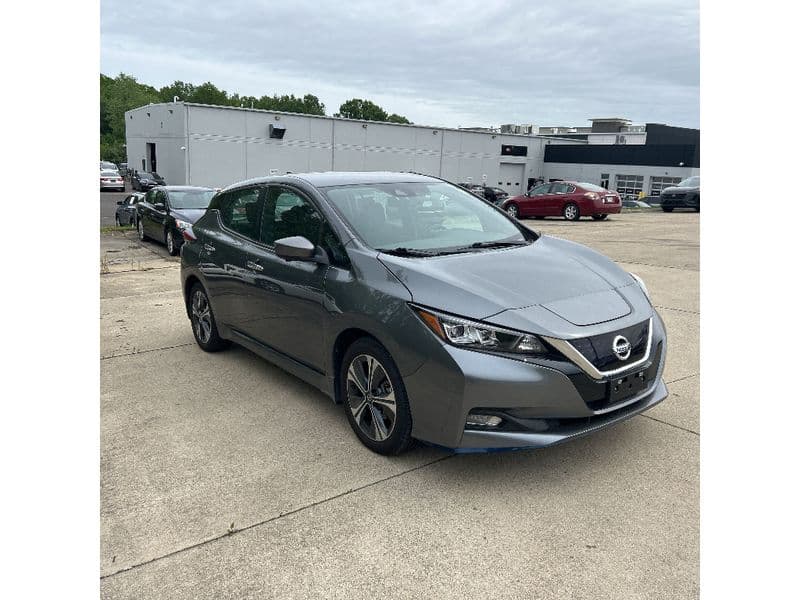
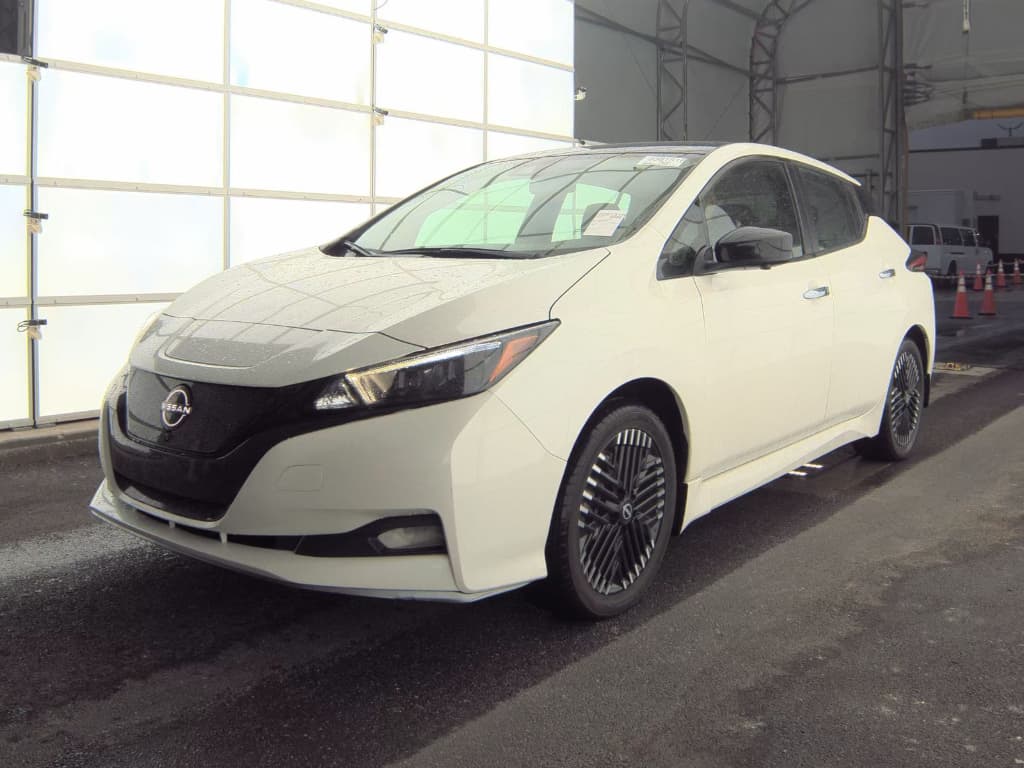
- Nissan Leaf: Replacement costs for newer 40–62 kWh packs typically fall between $5,500 and $9,500 for parts; older 24–30 kWh packs can be cheaper but are increasingly sourced from salvage.
- Chevy Bolt: Real‑world reports show battery replacements (outside GM’s recall program) in the $8,000–$12,000 range for a complete pack.
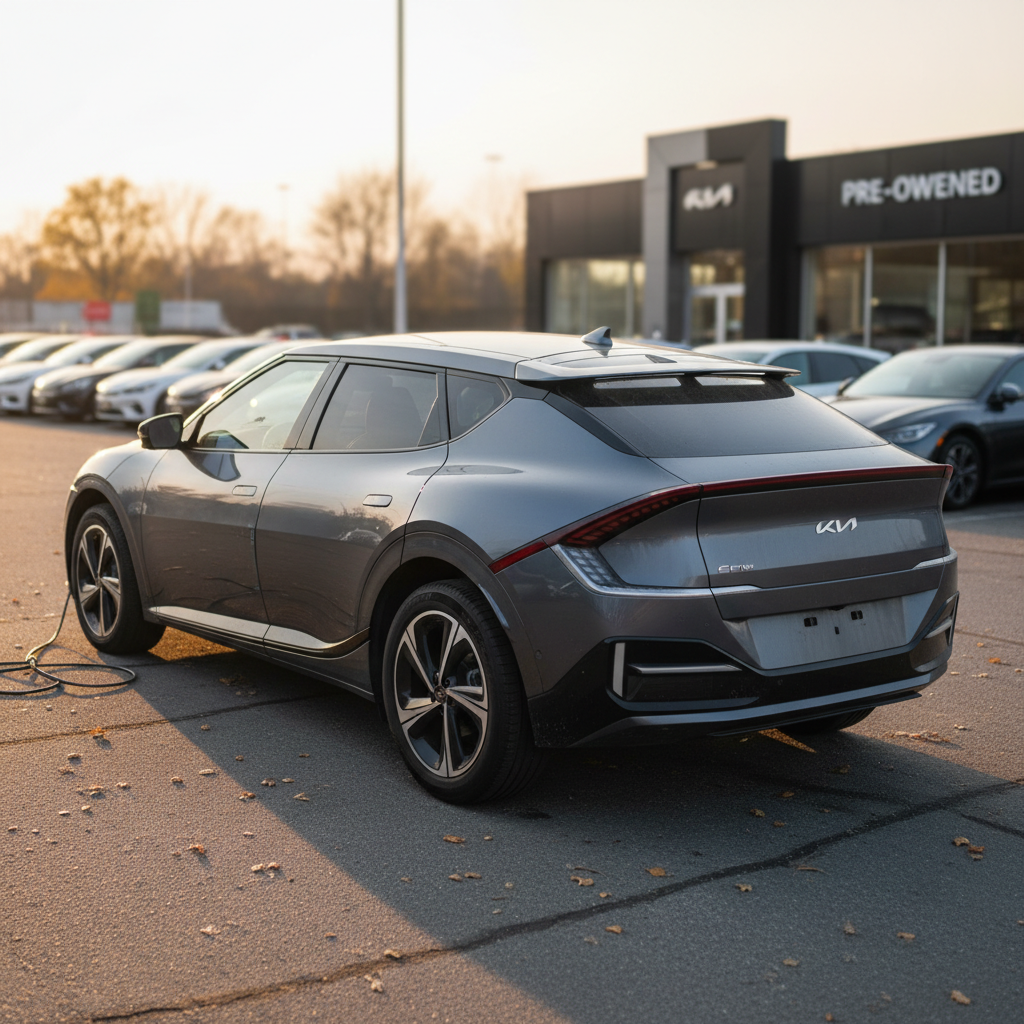
- Hyundai Ioniq 5 / Kia EV6: As of 2025, independent estimates place a full pack replacement near $10,000–$16,000 plus labor, though few out‑of‑warranty cases exist yet.
Module replacement vs. full pack
Labor, warranty, and insurance: who really pays?
Labor: the hidden line on your invoice
Swapping an EV pack isn’t like changing a 12‑volt battery. The job usually goes to high‑voltage certified techs with specialized equipment.
- Labor rates: Commonly $150–$250 per hour at dealers and brand‑authorized EV centers.
- Time required: 4–15 hours depending on vehicle design and corrosion or collision damage.
- Extras: Coolant, seals, and high‑voltage components can add several hundred dollars.
Warranty: the first thing to check
Before you worry about a big bill, confirm your battery warranty.
- Most modern EVs carry 8-year / 100,000–150,000‑mile battery coverage against defects and excessive capacity loss.
- If range has dropped below the warranty threshold (often around 70% of original), the automaker may replace or repair the pack at no cost.
- Used EVs usually inherit the remaining battery warranty, which is a major plus when buying pre-owned.
Don’t DIY a high-voltage pack
Insurance may also come into play. If your battery is damaged in a collision, comprehensive or collision coverage will often pay for repair or replacement, minus your deductible. Total losses are more common on older EVs when the cost of a new pack exceeds the vehicle’s market value.
How often do EV batteries really need replacing?
Battery replacement anxiety is often louder than the actual risk. Real‑world data from fleets and battery analytics firms show that modern EV packs are far more durable than many people assume.
EV battery longevity: what the data shows
Why most drivers never buy a pack
15–20 years typical life
Low annual degradation
Few out-of-warranty failures
How to extend your EV’s battery life
Replace the battery, repair it, or sell the car?
When a big estimate hits your inbox, the real question isn’t just “how much does an EV battery replacement cost?” It’s “does this EV still make financial sense for me?” Here’s a way to think it through.
5 questions to decide your next move
1. What’s the car worth today?
Look up private party and trade‑in values for your exact year, trim, and mileage. If a $15,000 battery goes into a $14,000 car, it usually doesn’t pencil out.
2. Is the battery still under warranty?
If you’re close to the end of your battery warranty, document range loss with the dealer. A failing pack discovered inside the warranty window is often fully covered.
3. Can you repair instead of replace?
Ask whether module‑level repairs or contactor/coolant fixes could solve the problem. Sometimes the issue isn’t the entire pack.
4. Are refurbished or third-party packs an option?
In some markets, high‑quality refurbished packs with 2–3 year warranties can cut costs by 30–50% versus new OEM packs.
5. Would selling and upgrading be smarter?
If the math doesn’t work, selling the car, as‑is or with a shop quote in hand, and moving into a newer EV can be the better financial move.
Where Recharged fits in
Ready to find your next EV?
Browse VehiclesBuying a used EV: smart ways to avoid a surprise battery bill
For most shoppers, the real concern isn’t paying for a battery next year, it’s accidentally buying a used EV that’s already on its last usable kilowatt‑hour. The good news is you can dramatically reduce that risk with a bit of homework.
- Check remaining battery warranty. A 3‑year‑old EV with 5 years of battery coverage left is very different from a 9‑year‑old car that’s out of warranty.
- Ask for a recent battery health report. Tools like the Recharged Score use diagnostic data to estimate true usable capacity instead of relying on guessy dash bars.
- Look at charging history. Occasional fast charging is fine; daily DC fast‑charge abuse in extreme heat is a red flag.
- Drive it like you own it. A thorough test drive on your typical routes will reveal whether real‑world range matches your needs.
- Buy from an EV‑focused retailer. Specialists understand battery health, thermal issues, and software histories better than general used‑car lots.
How Recharged derisks used EV batteries
FAQ: EV battery replacement cost questions, answered
Frequently asked questions about EV battery replacement cost
Bottom line: how to think about EV battery replacement cost
EV battery replacement is expensive, but it’s also rare, and it’s getting less scary every year. For most drivers, the pack will last the life of the car under normal use, and if something goes wrong early, the factory warranty usually steps in. The key is to understand where your vehicle falls on the cost spectrum and to factor battery health and warranty into any used‑EV decision.
If you’re staring at a big out‑of‑warranty quote, run the numbers carefully: compare the replacement cost to the car’s value, consider repair or refurbished options, and don’t overlook the possibility that upgrading to a newer EV may be the smarter play. And if you’d rather avoid rolling the dice entirely, shopping through a specialist like Recharged, with verified battery diagnostics, fair market pricing, financing, trade‑in, and nationwide delivery, can give you the confidence that the most expensive part of your EV has already been checked out for you.