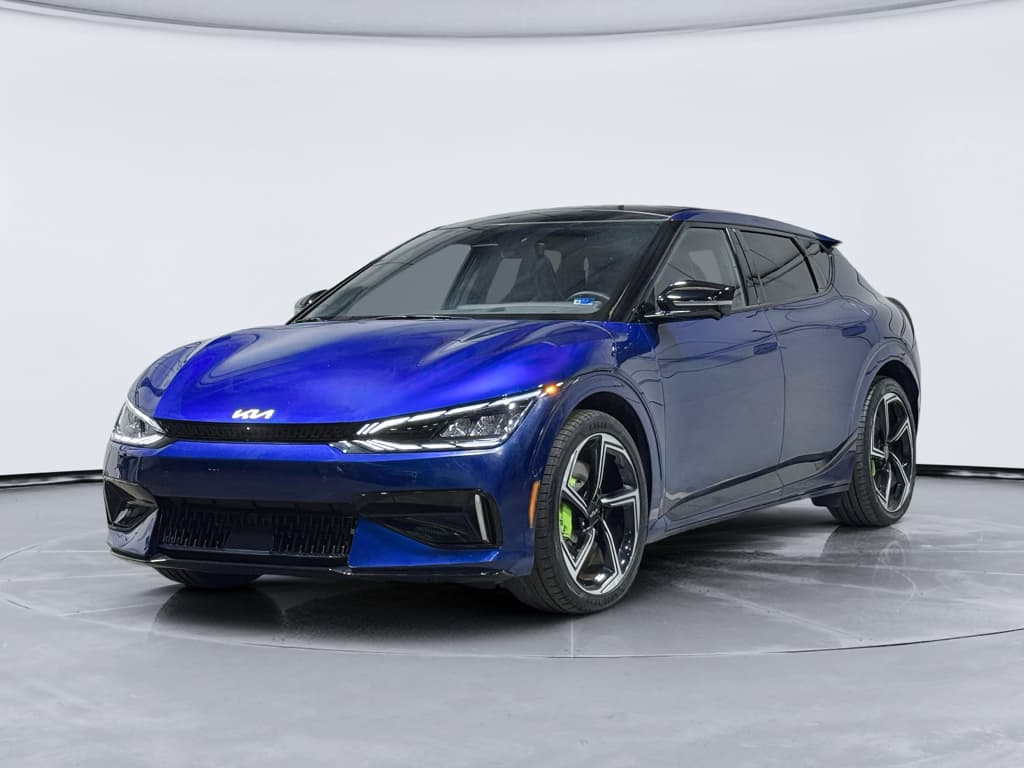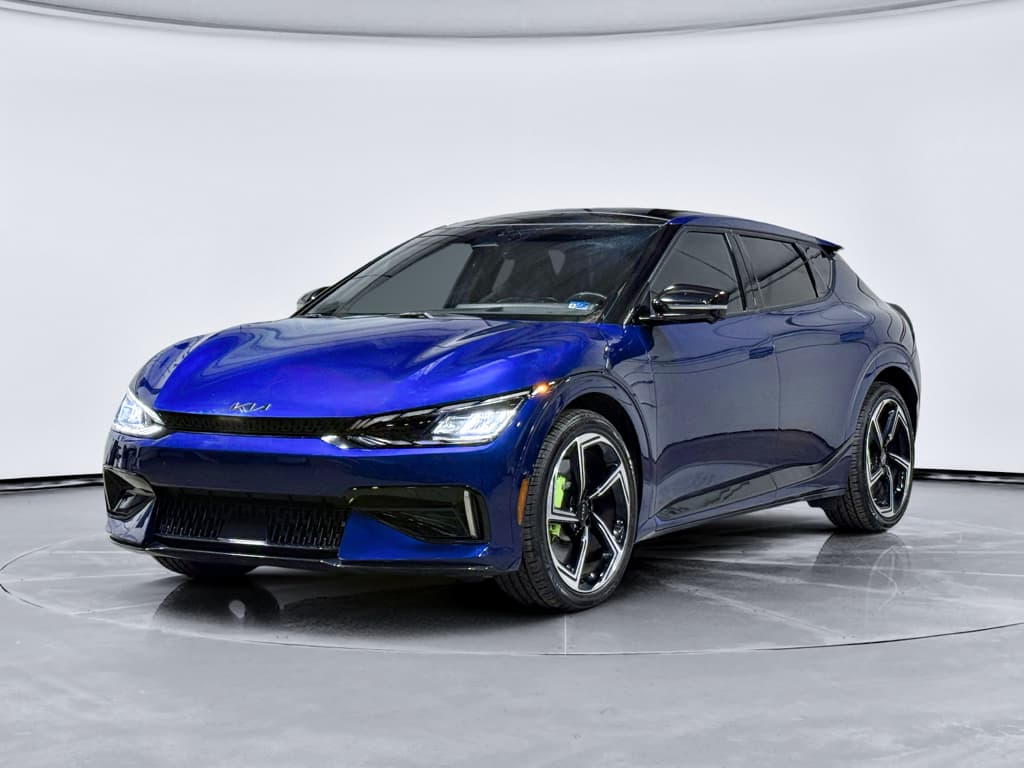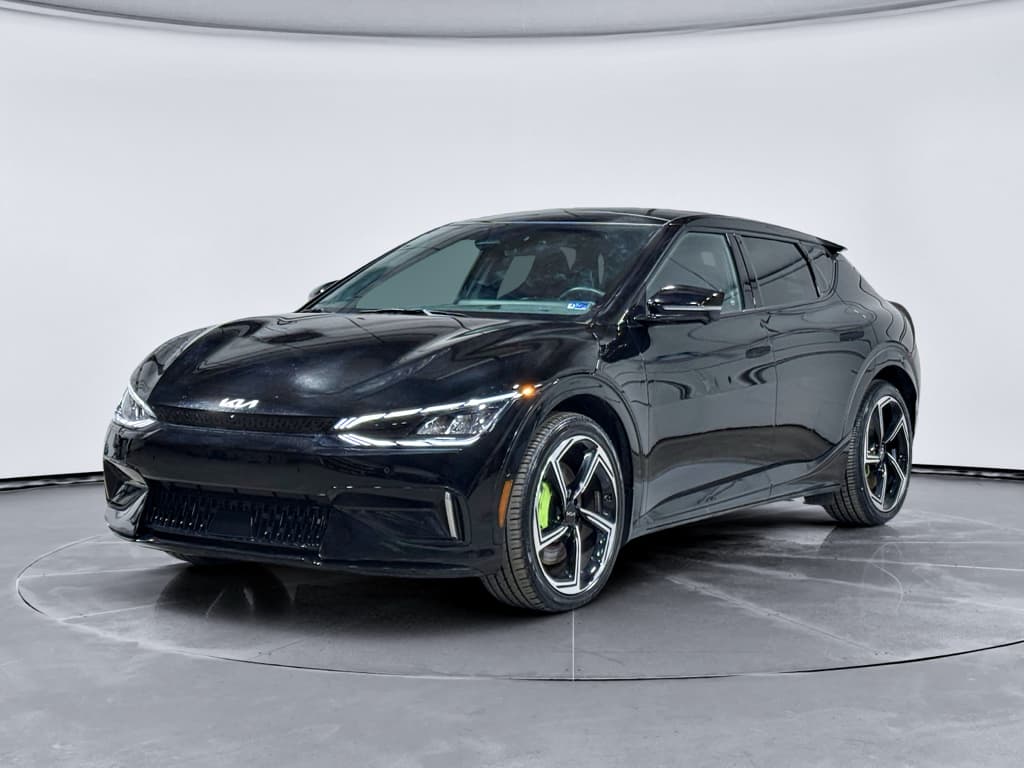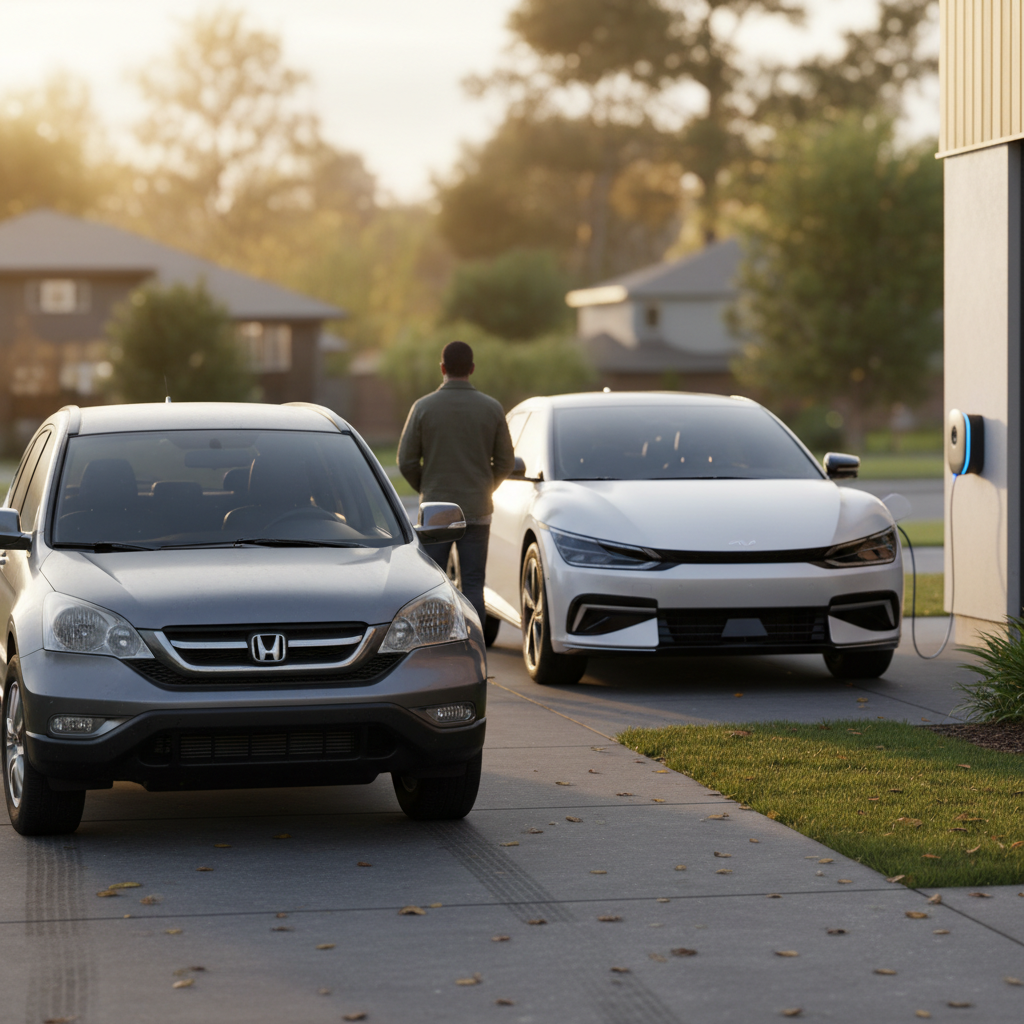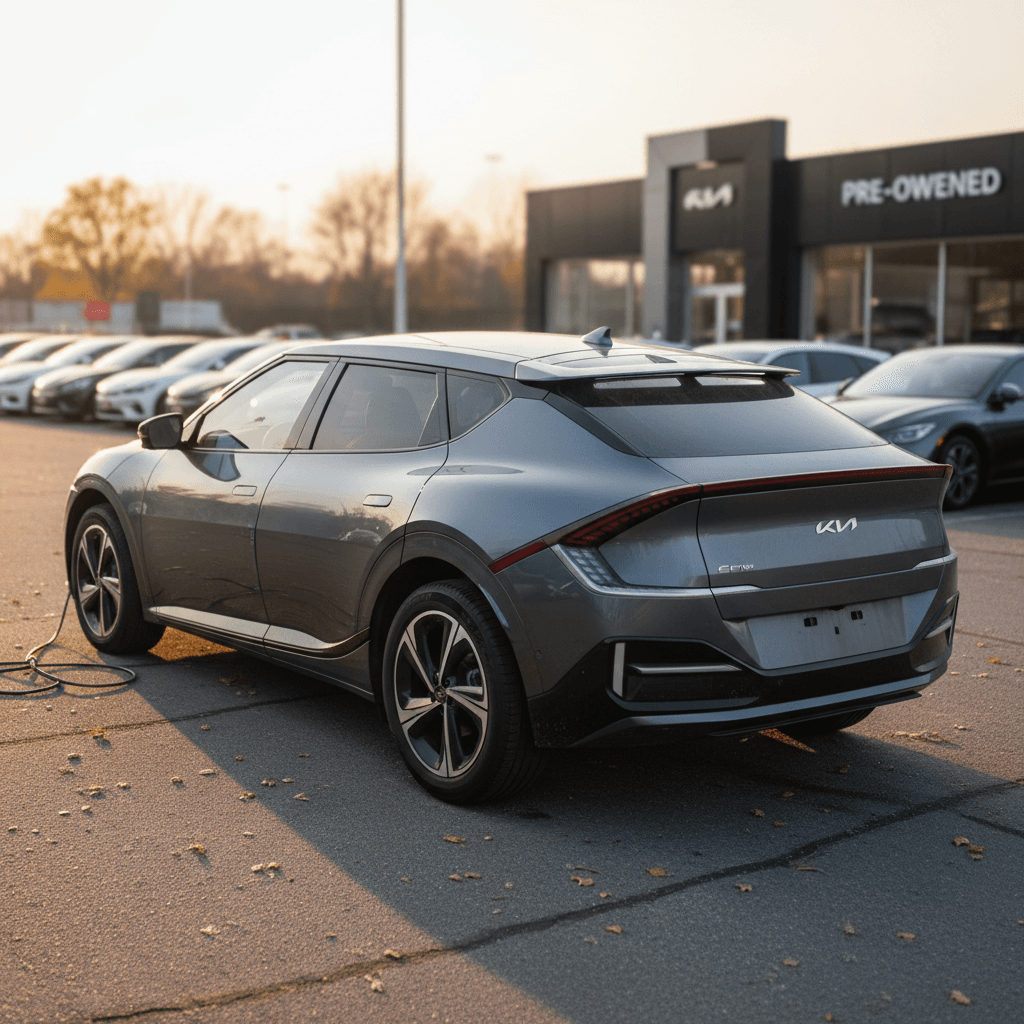
You don’t buy a used 2025 Kia EV6 because you want an appliance. You buy it because you want an electric crossover with some personality: rear‑drive balance, genuinely quick acceleration, and now a charging port that talks natively to Tesla Superchargers. If you’re shopping used, this 2025 Kia EV6 review zeroes in on what matters to you: range, charging, reliability, depreciation, and exactly what to check before you put money down.
Used‑Buyer Angle
Why the 2025 Kia EV6 Matters on the Used Market
The EV6 was already one of the most compelling electric crossovers you could buy: sharp handling, strong DC fast‑charging, and a design that looks like it drove here from the near future. The 2025 refresh quietly fixes two of the biggest long‑term questions used buyers had about earlier years: access to Tesla’s Supercharger network and U.S. assembly that can help with incentives and long‑term parts support.
2025 Kia EV6 at a Glance (Key Used‑Buyer Stats)
Why 2025 Is the Sweet Spot
What’s New for 2025, and Why It Matters When You Buy Used
2025 Changes That Matter to a Second Owner
Not every mid‑cycle refresh is created equal. This one actually helps used buyers.
Native NACS Port
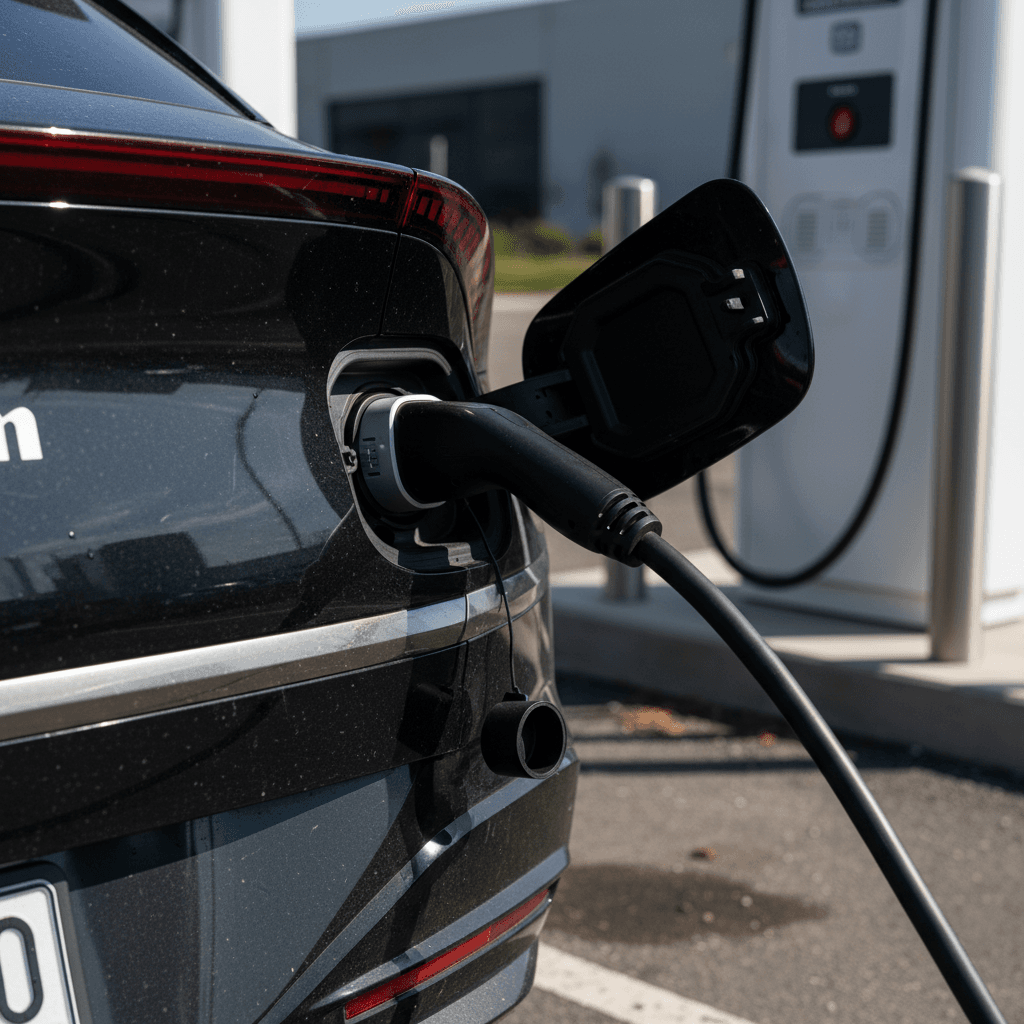
Most 2025 EV6 trims (Light through GT‑Line) now use a native NACS charging port, so you can plug into Tesla Superchargers without an adapter. That dramatically expands your fast‑charging options in the U.S.
Styling Refresh
Sharper front fascia, new Star Map lighting, and updated wheels give the 2025 EV6 a more mature, high‑end look. On the used market, that means a 2025 can feel a generation newer than an early EV6 parked next to it.
U.S. Assembly
Most trims are now built in West Point, Georgia. That helps Kia with incentives and often improves parts availability and perceived long‑term support, reassuring if you plan to keep the car past the warranty.
Less visible but just as important, the 2025 EV6 gets a larger standard pack on base trims (63 kWh) and an updated long‑range pack around 84 kWh, with Kia quoting up to roughly 319 miles of range in the most efficient configuration. For a used buyer, that means even the "cheaper" trims no longer feel like penalty boxes; you’re unlikely to stumble into a short‑range outlier the way you might with some older EVs.
Trims, Range & Real‑World Efficiency for Used Buyers
2025 Kia EV6 Trims & Approximate EPA Range
High‑level picture of where each trim lands. Exact EPA figures may vary slightly by wheel size and options, but this gets you in the ballpark when cross‑shopping used listings.
| Trim (2025) | Drivetrain | Battery | Est. Range (mi) | Character |
|---|---|---|---|---|
| Light | RWD | 63 kWh | ~240–250 | Value play, plenty for commuters |
| Light Long Range | RWD | 84 kWh | ~310–320 | Maximum range champ |
| Light Long Range | AWD | 84 kWh | ~280–290 | All‑weather, still strong range |
| Wind | RWD or AWD | 84 kWh | Similar to Light LR | More features, less price‑sensitive buyers |
| GT‑Line | RWD or AWD | 84 kWh | High 200s | Sporty styling, luxury kit |
| GT | AWD performance | 84 kWh | ~225–235 | Super‑quick, least efficient |
Use this as a sanity check: if a seller claims 350+ miles of range on a 2025 EV6, be skeptical.
Watch the Wheels
In the real world, owners tend to report 3.0–3.5 miles/kWh in mixed driving on the long‑range pack, which puts an honest mixed‑use range for the RWD trims in the high‑200s to low‑300s. Cold climates will hit that, as will 80+ mph highway running, no surprise there. But unlike some earlier EVs, the EV6’s 800‑volt architecture keeps fast‑charge times short even when the battery isn’t brand‑new.
Best Used Trim for Range
If you road trip or have a long commute, the sweet spot is the Light Long Range RWD. It combines the biggest pack, lowest consumption, and now a NACS port for easy Supercharger use. On the used market, it’s the one to stalk.
Best Used Trim for Fun
If you care more about grins than kWh math, the GT is a cartoonishly quick crossover that will out‑drag many sports cars. Just know you’re trading 40–70 miles of range versus a long‑range RWD car, and you’ll be visiting fast chargers more often.
Charging Experience: NACS, DC Fast Charging & Daily Living
Earlier EV6s already charged quickly; the 2025 car keeps that headline act and makes the infrastructure side easier. Thanks to its 800‑volt system, the EV6 can add roughly 10–80% in under 20 minutes on a capable DC fast charger. As a used buyer, you’re benefiting from Tesla and everyone else racing to build more plugs.
Living With a Used 2025 EV6: Charging Scenarios
How your life actually looks once you own the thing.
Home Charging
On a 240V Level 2 charger at home (40–48 amps), you’re looking at 7–9 hours for a full charge on the long‑range pack. Most owners simply plug in overnight and wake up at 70–90% every morning.
Public DC Fast Charging
On Electrify America, EVgo, and similar, the EV6 is still one of the faster‑charging non‑Tesla EVs. Peak speeds are often in the 200 kW ballpark in ideal conditions.
Tesla Supercharger Access
The big 2025 news is native NACS on most trims. You can fast‑charge at compatible Tesla Superchargers without an adapter, making a used 2025 EV6 much easier to road‑trip than many rival used EVs.
Road‑Trip Pro Tip
Interior, Tech & Practicality as a Daily Driver
Inside, the 2025 EV6 doesn’t reinvent itself so much as refine a solid foundation. You still get the low, coupe‑like roofline and a cabin that feels more sport wagon than SUV. That’s the point: this is the anti‑minivan EV. Rear headroom is fine for adults under six feet, cargo space is adequate rather than cavernous, and the driving position is classic sport crossover, slightly elevated, but not a tower.
- Dual 12.3‑inch displays (cluster + infotainment) with modern graphics and snappy responses
- Available augmented‑reality head‑up display and highway‑driving assist features
- Physical knobs for climate and volume (praise be), with a touch bar that still takes a minute to learn
- Plenty of USB‑C ports and 12V outlets, plus vehicle‑to‑load (V2L) power on many trims for camping or tailgates
Practical Quirks to Know
Reliability, Battery Health & Known Issues
If you’ve done any homework on earlier EV6 model years, you’ve seen the chatter: 12‑volt battery weirdness, infotainment gremlins, and, most seriously, ICCU (Integrated Charging Control Unit) failures that could strand cars and require parts on backorder. This is the number‑one reason cautious buyers hesitate on used Kia and Hyundai EVs.
What We Know From Earlier Years
- ICCU failures: On 2022–2024 EV6s, a small but non‑trivial percentage of owners reported ICCU or associated fuse failures that disabled DC fast‑charging or immobilized the car until repaired.
- 12V battery complaints: Some owners saw the low‑voltage battery draining unexpectedly, usually tied to software/app issues.
- Software polish: Kia’s UX and over‑the‑air updates are improving but still not at Tesla’s pace.
How That Should Inform a 2025 Used Purchase
- By 2025, Kia has had several model years to update parts and software. A late‑build 2025 EV6 should, in theory, benefit from revised ICCU hardware and updated programming.
- Battery packs themselves are holding up well so far; early data suggests modest degradation in line with other modern EVs.
- Warranty coverage (typically 10‑year/100,000‑mile high‑voltage battery warranty in the U.S. from original in‑service date) follows the car, which is a big plus for second owners.
Don’t Ignore ICCU History
Battery health is the other big question. Early EV6 owners with 20,000–40,000 miles typically report single‑digit percentage loss in usable capacity when measured carefully, exact numbers depend on climate and charging habits. The 2025’s updated pack chemistry and thermal management should be at least as robust. The bigger risk is neglect: long periods parked at 100% or chronic fast‑charging from very low states of charge can age any pack faster.
How Recharged Reduces the Guesswork
Ready to find your next EV?
Browse VehiclesDepreciation and What a Used 2025 EV6 Might Cost
The EV6 has already done a lot of depreciating work for you. Early model years dropped harder than gas SUVs, partly because EV prices and incentives shifted under their feet. By 2026, that volatility is calming down, and newer U.S.‑built 2025 cars are likely to hold value a bit better than imported 2022–2023 examples.
Where 2025 EV6 Used Prices Are Likely to Land in 2026
Broad, directional price bands to help you sniff‑test real‑world listings. Actual prices vary by mileage, condition, region, incentives and equipment.
| Trim Example | Typical Mileage (2026) | Very Rough Asking Price Range | Notes |
|---|---|---|---|
| Light / Light Long Range RWD | 10k–25k mi | Mid‑$30Ks to low‑$40Ks | Most value‑oriented used buys; watch for wheel size and options |
| Wind / GT‑Line AWD | 10k–25k mi | High‑$30Ks to mid‑$40Ks | Loaded driver‑pleaser; small discounts vs new if incentives fade |
| GT | 5k–20k mi | Low‑to‑mid‑$50Ks | Niche performance; prices swing with demand and incentives |
Think in terms of bands, not absolutes, and always compare against similar EVs and current incentives.
Why RWD Long‑Range Is the Resale Sweet Spot
If you’re cross‑shopping a used 2025 EV6 against a brand‑new 2026 EV of similar size, make sure you do apples‑to‑apples math. New incentives and lower financing can sometimes narrow the gap. On the other hand, if you can buy a very lightly‑used 2025 EV6 with thousands shaved off, you’re essentially letting the first owner pay for model‑year envy.
How the 2025 EV6 Compares to Rivals on the Used Lot
Used 2025 EV6 vs Key Competitors
What you’re really deciding between when you scroll the listings.
Vs Hyundai Ioniq 5
The mechanical twin with a boxier, more practical body. The Ioniq 5 usually offers slightly better rear headroom and cargo usability; the EV6 counters with a lower, more planted feel and a more premium interior vibe. Reliability concerns and ICCU history are similar, check records on both.
Vs Tesla Model Y
The Model Y still wins for software polish, network integration, and cargo space. But a 2025 EV6 with NACS gives up much less on charging than older CCS‑only rivals, and many buyers prefer the EV6’s ride quality and interior materials over the Tesla’s bare stage set.
Vs Mustang Mach‑E / VW ID.4
The EV6 generally charges faster and feels more athletic than VW’s ID.4 and most Mach‑E trims. Ford counters with a more familiar dealership/service network; VW with comfortable, upright packaging. If you prioritize long‑term road‑trip comfort and quick charging, the EV6 stays near the top.
How to Test‑Drive the EV6 Against Rivals
Inspection Checklist for a Used 2025 Kia EV6
Used 2025 Kia EV6 Buyer Checklist
1. Run the VIN and Check Recalls
Before you fall in love, run the VIN through a recall lookup and ask the seller for any open campaigns, especially those related to charging hardware or software. A clean, up‑to‑date recall record is a green flag.
2. Pull Detailed Service History
Ask for dealer or service invoices. Look for ICCU, on‑board charger, or "no start / won’t charge" visits. One early repair that’s been stable since is fine; a pattern of repeated issues is not.
3. Inspect Battery Health, Don’t Guess
Use an independent battery health report, like the <strong>Recharged Score</strong>, to see usable capacity and any red flags. Dashboard range estimates can be optimistic or misleading; you want actual pack data where possible.
4. Test DC Fast Charging
On the test drive, stop at a DC fast charger. Verify that the car initiates a session quickly, ramps up to a reasonable kW figure for its state of charge, and stays connected without errors. Try a NACS Supercharger if available.
5. Check Tires, Wheels & Brakes
Uneven tire wear on the rear can indicate alignment issues or a very spirited previous owner. Large cosmetic wheel damage or mismatched tires suggests lower‑effort maintenance.
6. Evaluate Interior Wear & Tech
Check for rattles over rough pavement, dead pixels or ghost touches on the infotainment, and smooth operation of driver‑assist systems. A well‑kept EV6 should feel tight and quiet, not like a used rideshare car.
7. Confirm Remaining Warranty
Ask for the original in‑service date and mileage so you can calculate remaining basic and high‑voltage battery warranty. That coverage is part of what makes a used 2025 EV6 attractive versus older, out‑of‑warranty EVs.
Don’t Skip a Professional EV Inspection
So…Should You Buy a Used 2025 Kia EV6?
If you want an electric crossover that drives with genuine verve, charges quickly, and now plugs happily into much of the Tesla Supercharger network, a used 2025 Kia EV6 belongs squarely on your short list. The 2025 refresh solves enough of the "will this age well?" questions, NACS, U.S. assembly, improved standard batteries, that it stands apart from earlier years on the used market.
You still need to shop with eyes open. ICCU history and charging‑system reliability are not rumors; they’re documented pain points on some earlier cars. The difference is that, as a second owner in 2026, you can choose your example carefully: clean records, verified battery health, strong remaining warranty. That’s exactly the gap Recharged is built to close, with Recharged Score diagnostics, fair‑market pricing, and EV‑specialist guidance from first search to delivery.
If you’re the kind of driver who cares more about how a car feels on a freeway on‑ramp than whether the liftgate holds a washing machine upright, a well‑vetted used 2025 EV6 is one of the most rewarding EVs you can buy right now. Pick the right trim, verify the hardware, and it’s a future‑proof daily that still feels just a little bit sci‑fi every time you walk up to it.