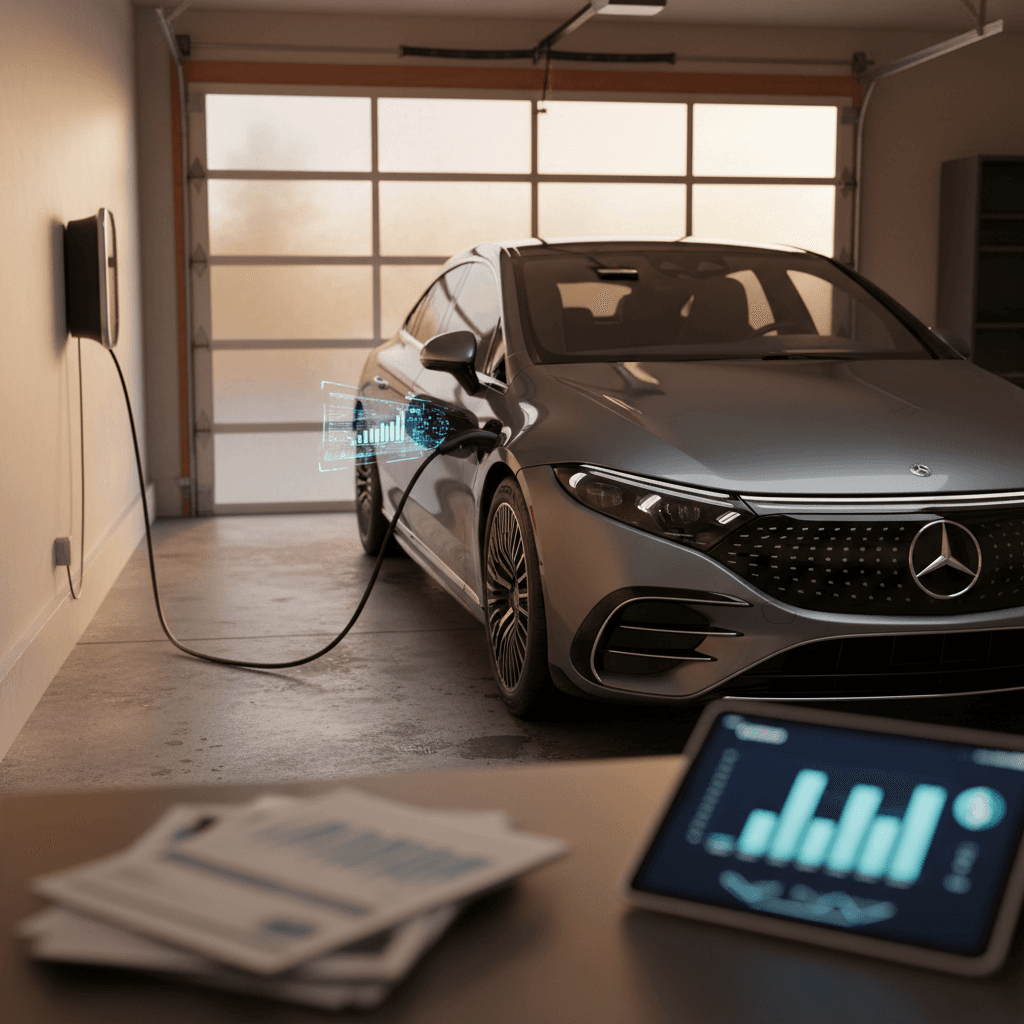
If you’re wondering how much it costs to own a Mercedes EQS per year, you’re already ahead of most luxury buyers. The EQS is a rolling art piece with a six‑figure MSRP when new, but its ongoing yearly costs can surprise people, both in good ways (electricity) and not‑so‑good ways (depreciation and insurance). This guide breaks those costs into clear buckets so you can see what an EQS really costs to keep in your driveway, especially if you’re considering a used one.
Assumptions behind the numbers
Mercedes EQS annual cost overview
Typical yearly Mercedes EQS ownership costs (U.S.)
Independent 5‑year cost‑to‑own analyses peg a new Mercedes EQS sedan at roughly $120,000 in total 5‑year ownership cost, nearly half of that being depreciation alone. Spread out, you’re looking at around $24,000 per year all‑in when you buy new and keep the car only five years. The good news is that if you let someone else take that first hit and buy used, you can often cut your annual cost nearly in half.
Sticker shock comes later
The biggest cost: depreciation, not electricity
With the Mercedes EQS, the budget villain isn’t electrons, it’s time. Like most six‑figure luxury sedans, the EQS sheds value quickly, thanks to rapid EV tech updates, heavy leasing, and a relatively small pool of buyers looking for a gigantic electric limousine on the used market.
- New EQS (MSRP often $110,000–$140,000 with options): expect $12,000–$15,000+ in value loss per year over the first three years.
- Lightly used EQS (3–4 years old): annual depreciation can drop to roughly $5,000–$8,000 per year, depending on mileage and spec.
- Heavily used EQS (6–7+ years): the curve flattens, but repair risk starts to rise.
Why used EQS is the sweet spot
Ready to find your next EV?
Browse VehiclesOn Recharged, EQS listings come with a Recharged Score that bakes battery health, pricing, and market conditions into a single, transparent view. That matters with a car like the EQS, where a $3,000 swing in annual depreciation is absolutely possible depending on what you pay going in.
How much you’ll spend on EQS electricity per year
The Mercedes EQS is not small, and it’s not especially frugal. Efficiency for the EQS 450+ sedan hovers around 30–35 kWh per 100 miles in EPA testing, depending on wheel size and spec, with real‑world numbers in the low 30s for mixed driving. That’s roughly 2.9–3.3 miles per kWh, good for a 5,600‑pound luxury barge, but nowhere near a Tesla Model 3.
Estimated EQS electricity cost per year (12,000 miles)
Approximate yearly charging costs for a Mercedes EQS sedan at common U.S. electricity prices.
| Scenario | Assumed Efficiency | Electricity Rate | kWh per Year | Estimated Annual Cost |
|---|---|---|---|---|
| Frugal driver, lots of city | 29 kWh/100 mi | $0.12/kWh | 3,480 | ≈ $420 |
| Typical mixed driving | 32 kWh/100 mi | $0.16/kWh | 3,840 | ≈ $615 |
| Aggressive, big wheels, colder climate | 36 kWh/100 mi | $0.20/kWh | 4,320 | ≈ $865 |
Use your actual kWh rate from your utility bill for a more precise estimate.
A simple way to DIY the math
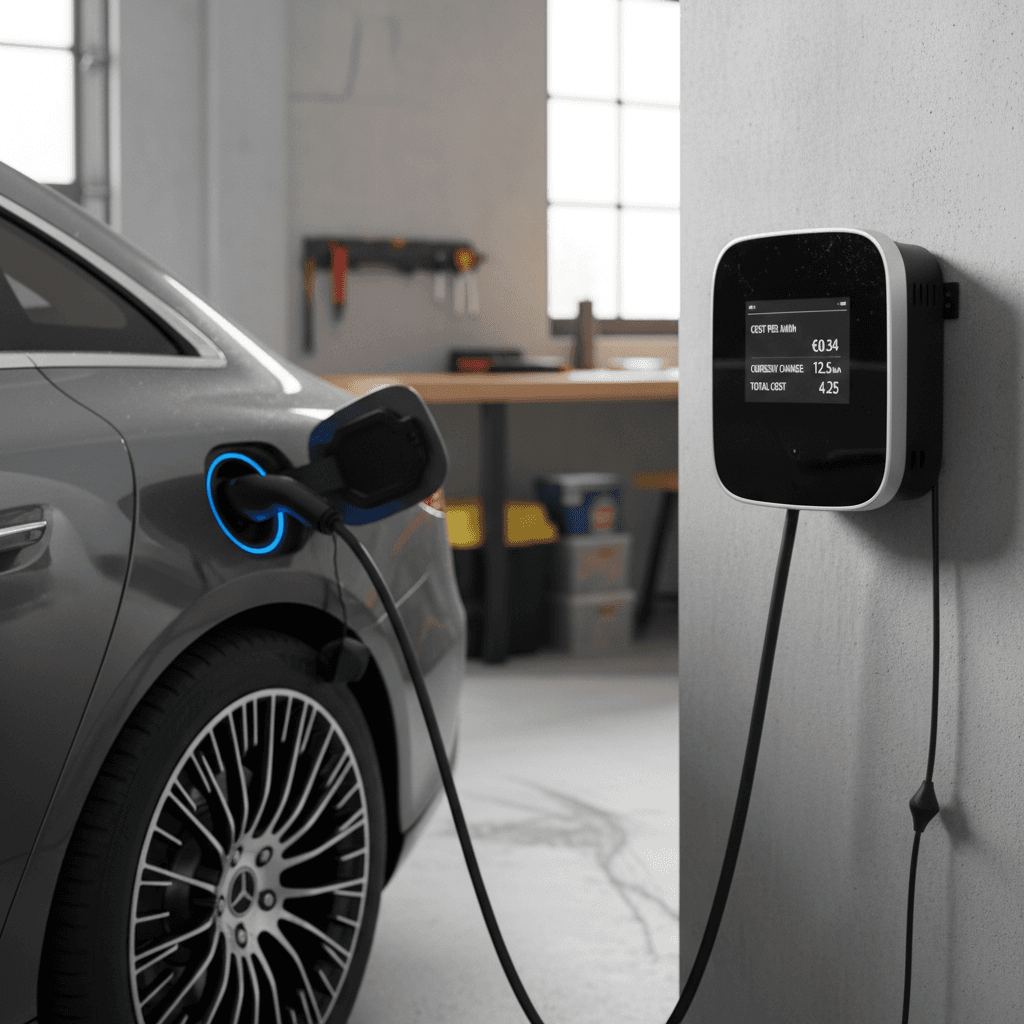
Public DC fast charging will cost more, often roughly double home rates in many parts of the U.S., but unless you road‑trip constantly, it won’t dominate your annual bill. For most EQS owners who primarily charge at home, expect $500–$800 per year in electricity.
Insurance: cost to insure a Mercedes EQS per year
The EQS is expensive, complex, and full of sensors. Insurers notice that. Premiums vary wildly by state and driver profile, but national data for similar high‑end EVs suggests an average annual insurance cost in the ballpark of $1,500–$2,500 per year for full coverage, sometimes more in high‑cost metro areas or for less experienced drivers.
What drives Mercedes EQS insurance costs up or down?
You can’t control everything, but a few levers matter a lot.
Your profile
Age, driving history, and credit score all hit the bottom line. A clean record and higher credit tier can knock hundreds per year off an EQS policy.
Where you live
Crowded urban areas with high repair costs and theft rates can send EQS premiums north of $2,500 per year. Rural or lower‑risk ZIP codes can be far cheaper.
Repair complexity
The EQS’s aluminum bodywork, advanced driver‑assist sensors, and huge screens make collision repairs pricey. Insurers price that risk in, compared to simpler EVs.
Ways to lower EQS insurance
Maintenance and repairs on a Mercedes EQS
Being electric doesn’t magically make the EQS cheap to maintain, it just shifts where the money goes. You’re not paying for oil changes or spark plugs, but you are maintaining air suspension, complex electronics, brake fluid, cabin filters, and occasionally very expensive tires.
Typical EQS annual maintenance & repair costs
A realistic long‑term view, assuming dealership or high‑end independent service and some out‑of‑warranty years.
| Item | Frequency | Approx. Cost | Averaged Per Year |
|---|---|---|---|
| Scheduled service (A/B style) | Every 1–2 years | $500–$900 | $400–$600 |
| Brake fluid, coolant, filters | Every 2–3 years | $300–$600 | $150–$250 |
| Out‑of‑warranty repairs (electronics, suspension, etc.) | Occasional | $0–$2,000+/visit | $300–$600 |
| Total est. maintenance & repairs | ≈ $850–$1,400/yr |
Early years are cheaper if you have prepaid maintenance or warranty coverage; the averages below smooth that out over 5–8 years.
EV service schedules are changing
The headline: compared with a gas S‑Class, your routine maintenance bill will likely be lower, but you should still budget roughly $900–$1,400 per year over the long haul to cover scheduled service and the occasional repair, or purchase an extended warranty and prepaid maintenance, then bake those upfront costs into your annual budget.
Tires, registration, and other running costs
The EQS is heavy, torquey, and often equipped with massive wheels wearing high‑performance rubber. Owners routinely report the car “eats tires like candy,” especially on 21‑inch or AMG‑line setups driven enthusiastically.
Other yearly EQS ownership costs to plan for
High‑performance tires
An EQS on 20–21" rubber can easily burn through a set every 20,000–25,000 miles. At $1,200–$2,000 per set installed, that’s <strong>$600–$1,000 per year</strong> if you’re driving 12,000 miles annually.
Registration & property tax
Luxury EVs get taxed like luxury anything. Depending on your state, expect anywhere from <strong>$300 to $1,500+ per year</strong> in registration, ad‑valorem tax, or EV surcharges.
Home charging hardware
If you finance a Level 2 charger and installation over several years, the effective cost might be <strong>$150–$300 per year</strong>. Once it’s paid off, that line item disappears.
Software, connectivity & subscriptions
Optional connected‑services packages, navigation updates, and fancy infotainment features can add <strong>$150–$300 per year</strong> if you choose to keep them active.
Don’t ignore tire costs
New vs used Mercedes EQS: how annual costs change
Owning a new Mercedes EQS (years 0–5)
- Depreciation: typically $12,000–$15,000+ per year in the first few years.
- Electricity: still only about $500–$800 per year if you mostly charge at home.
- Insurance: on the higher end, often $2,000+ per year for a high‑value, brand‑new luxury EV.
- Maintenance: lower at first, especially with prepaid maintenance or warranty coverage.
Realistic all‑in annual cost: roughly $18,000–$22,000+ per year if you include what the car is losing in value.
Owning a 3–5‑year‑old EQS
- Depreciation: more like $5,000–$8,000 per year as the curve flattens.
- Electricity: same $500–$800 per year for 12,000 miles.
- Insurance: still high, but often $300–$600 per year less than brand‑new.
- Maintenance: ramps up some; plan on $900–$1,400 per year long‑term.
Realistic all‑in annual cost: often in the $10,000–$13,000 range, depending on purchase price and how long you keep it.
Where Recharged fits in
How to lower your Mercedes EQS annual cost
You don’t control Mercedes’ MSRP or the whims of the used‑car market, but you do control how smart you are going in, and how efficiently you live with the car day to day. Four big levers can noticeably shrink your yearly ownership bill.
Four levers to make EQS ownership cheaper each year
None of these ruin the experience; some actually make it better.
1. Buy used, not new
Let the first owner pay for that brutal luxury‑EV depreciation. A well‑chosen 2–4‑year‑old EQS can slash your annual cost by thousands while still feeling every inch a flagship Mercedes.
2. Maximize home charging
Make home charging your default and reserve pricey public DC fast charging for road trips. Combine a Level 2 charger with off‑peak utility rates and your annual energy bill stays modest.
3. Right‑size wheels and tires
If your local roads and climate allow it, consider 19–20" wheels with sensible all‑season tires. You’ll often get better efficiency and longer tire life, meaning fewer $1,800 surprises.
4. Shop financing and insurance together
When you’re financing, the interest you pay is part of your annual cost. Recharged can help you pre‑qualify for financing and you can then shop insurers with the exact purchase price in hand.
Pre‑purchase EQS checklist if you care about yearly cost
Verify real‑world value, not just MSRP
Look at recent sales and market‑value guides for your specific trim and options. This gives you a better sense of future depreciation than the original window sticker.
Get battery health in writing
Battery health affects range, performance, and long‑term value. A <strong>Recharged Score</strong> or equivalent diagnostic report tells you whether the pack is aging normally.
Ask for service records
Consistent maintenance at a Mercedes dealer or reputable independent shop can reduce your risk of expensive surprises in years 5–8.
Get multiple insurance quotes before you sign
Feed VIN, purchase price, and your projected mileage into several insurers’ quote tools before you finalize the deal. You might discover a <strong>$500+/yr swing</strong> between companies.
Should you buy a Mercedes EQS new or used?
“The EQS is a spaceship now, but depreciation is gravity. Buying used is how you enjoy orbit without paying rocket money every year.”
If you’re purely chasing the experience, the smell of new leather, the first‑owner bragging rights, the latest headlights, the cost to own a new EQS per year is the price of admission. Just don’t pretend it’s cheap; most of your annual spend will be depreciation you never physically write a check for.
If you’re more pragmatic, a well‑chosen used EQS is where the numbers start to make sense. You still pay for insurance, tires, and some fairly German maintenance, but your yearly depreciation can be cut in half, sometimes more. And because the EQS launched with a very large battery and long range, a 3‑ or 4‑year‑old example can still feel utterly modern.
Let Recharged do the math with you
FAQ: Mercedes EQS annual ownership costs
Frequently asked questions about EQS yearly costs
Owning a Mercedes EQS is not a frugal decision; it’s a statement one. But if you understand where the money actually goes, depreciation, insurance, tires, and you’re deliberate about how and what you buy, the yearly cost becomes a controlled, intentional expense instead of a nasty surprise. A smartly‑bought used EQS with verified battery health and transparent pricing, like you’ll find on Recharged, can deliver S‑Class comfort with EV smoothness for far less per year than the original buyer ever paid for the privilege.