If you’re thinking about an EV, or a used EV in particular, it’s natural to ask: how much does an electric car battery cost to replace? The short version: you’re usually looking at several thousand dollars, sometimes well into the teens. But the longer, more important story is that most drivers never pay that bill out of pocket, thanks to long warranties and the way batteries age in the real world.
Key takeaway up front
How much does an electric car battery cost? (Short answer)
EV battery cost at a glance (2025)
Put that together and a typical out‑of‑warranty full pack replacement in 2025 might total $6,000–$23,000, depending on whether you’re driving a compact hatchback, a mid‑size crossover, or a heavy electric pickup. Some refurbished or third‑party options can come in lower; big, long‑range luxury vehicles can land above that range.
Sticker shock isn’t the whole story
What actually drives electric car battery price?
4 big factors that determine EV battery cost
Why your neighbor’s Chevy Bolt doesn’t cost the same to re‑battery as a Tesla Model S or Ford Lightning.
1. Battery size (kWh)
The biggest driver is energy capacity, measured in kilowatt‑hours (kWh). A 40 kWh pack in a small hatchback uses far less material than a 100+ kWh pack in a luxury SUV or pickup.
More kWh = more cells, more weight, more cost.
2. Cell chemistry and design
Different chemistries (like NMC vs. LFP) have different raw‑material costs and packaging. Modern packs also integrate cooling and crash protection, which add cost.
Newer designs may be cheaper on a per‑kWh basis than older packs, but some are still in short supply.
3. Brand & service approach
Each automaker chooses how to price and service batteries. Tesla, for example, typically swaps full packs. Some other brands offer module‑level repairs that can be cheaper in specific failures.
4. Labor and access
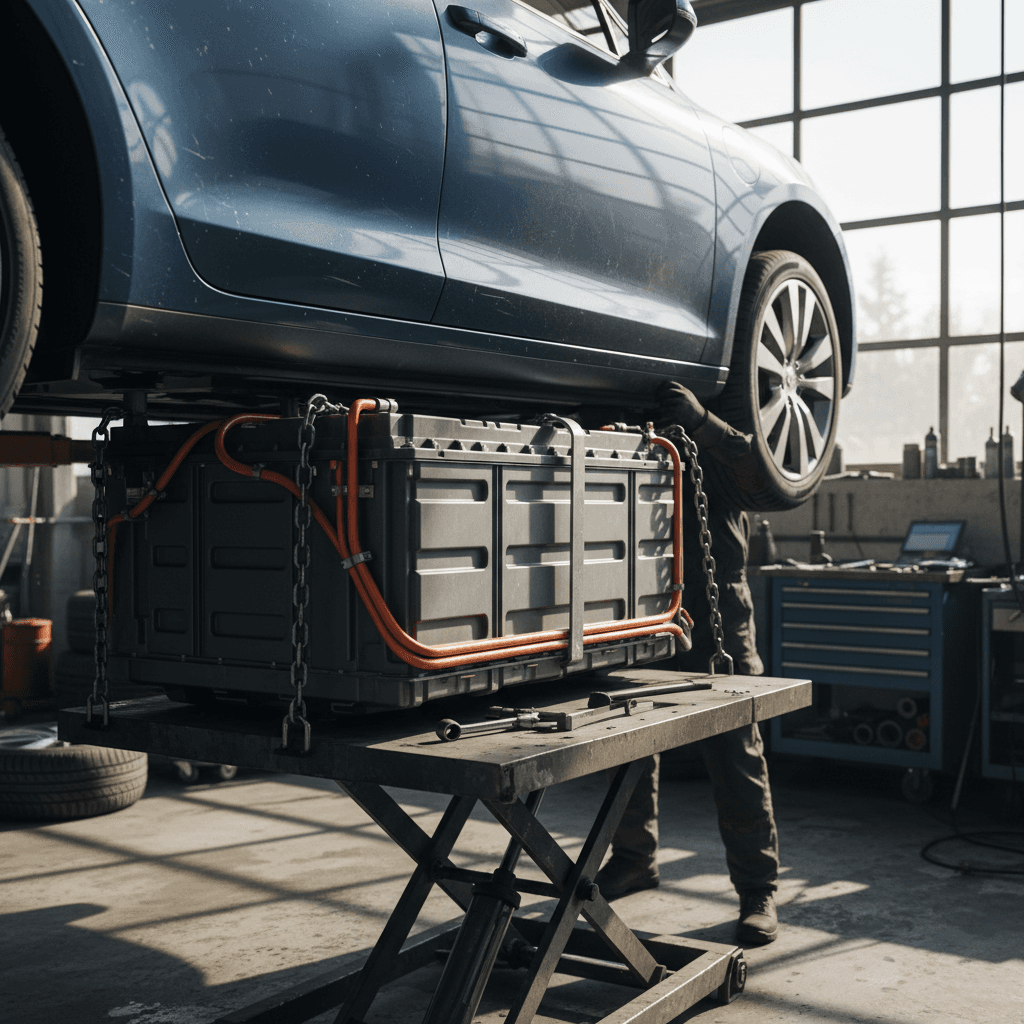
Swapping a pack is not a DIY job. Shops need high‑voltage training, a lift, special jacks, and factory software tools. Labor rates and dealership policies can push the total cost up by thousands of dollars.
Think in $/kWh, not just total price
Electric car battery costs by vehicle type
Typical 2025 EV battery replacement costs by segment
Approximate out‑of‑warranty pricing for a full high‑voltage pack, before tax, using current estimates and real‑world examples.
| Vehicle type / examples | Typical pack size (kWh) | Typical battery cost (part only) | Estimated total with labor |
|---|---|---|---|
| Compact EVs (Nissan Leaf, Mini Cooper SE) | 40–60 | $5,000–$8,000 | $6,000–$10,000 |
| Mid‑size sedans & crossovers (Tesla Model 3/Y, Hyundai Ioniq 5, VW ID.4) | 60–80 | $8,000–$15,000 | $10,000–$18,000 |
| Luxury & long‑range models (Tesla Model S/X, BMW iX, Mercedes EQE) | 90–110+ | $12,000–$20,000 | $15,000–$23,000+ |
| Electric pickups & large SUVs (Ford F‑150 Lightning, Rivian R1T/R1S) | 110–130+ | $15,000–$25,000 | $18,000–$30,000+ |
Your actual quote will depend on your VIN, dealer or independent shop, and whether you choose new, remanufactured, or refurbished packs.
Why you should never guess from a chart
Real‑world EV battery cost examples by model
Tesla Model 3 & Model Y
Recent real‑world invoices and 2025 estimates put a Model 3 Long Range battery replacement in the ballpark of $13,000–$16,000 including labor, when done through Tesla service.
- Battery pack alone is often quoted around the low‑ to mid‑teens.
- Labor and associated parts typically add $1,000–$2,500.
- Some third‑party shops offer refurbished packs closer to $9,000–$10,000 installed, with their own warranties.
Older Model S and X packs are larger and can come in several thousand dollars higher.
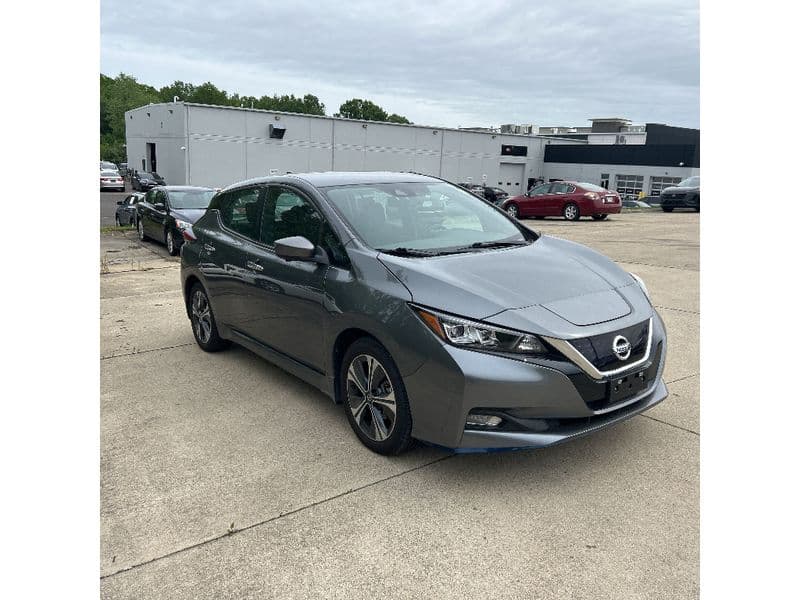
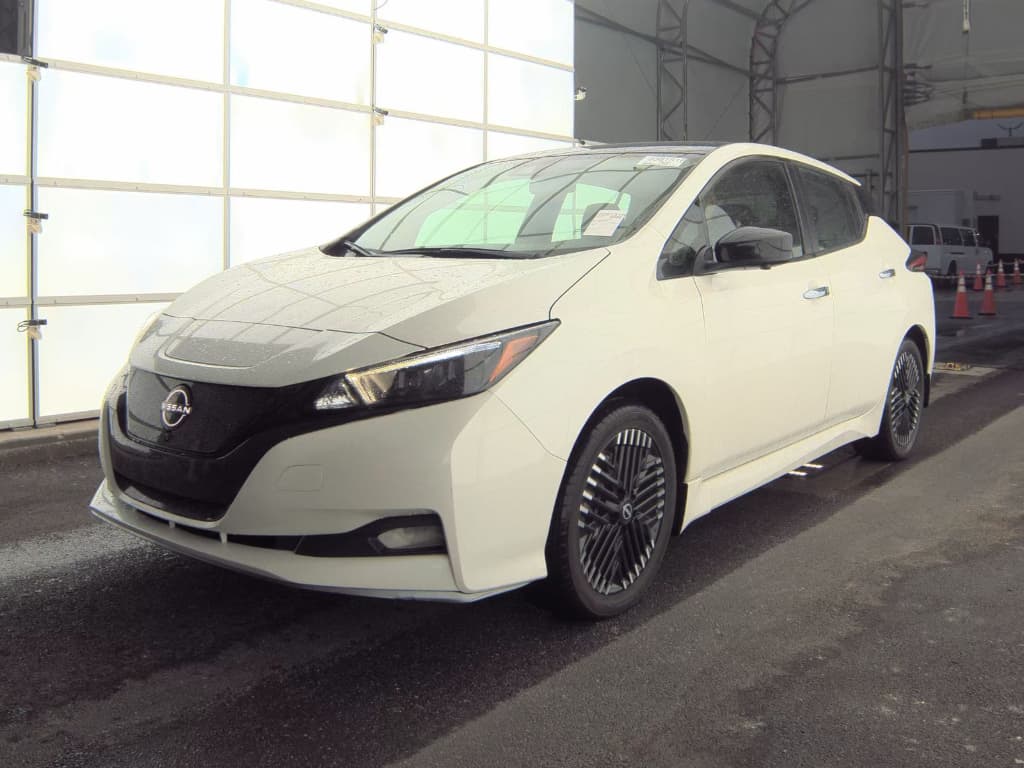
Nissan Leaf
The Leaf is a good real‑world case because many older cars are now out of warranty.
- Early 24–30 kWh packs: often $3,000–$7,000 for a used or refurbished pack, more for new‑old‑stock parts.
- Newer 40 kWh and 60+ kWh packs: commonly quoted around $6,500–$9,500 for the battery, plus installation.
Some owners have had degraded Leaf packs replaced under Nissan’s original 8‑year capacity warranty, effectively upgrading range at little or no out‑of‑pocket cost.
Other popular EVs, like the Chevy Bolt, VW ID.4, Hyundai Ioniq 5, or Ford Mustang Mach‑E, tend to land in the same broad ranges: mid four‑figures on the low end for compact packs, to the mid‑teens for larger crossovers. Electric trucks like the Ford F‑150 Lightning, with massive packs near or above 130 kWh, sit at the top of the cost spectrum.
Labor, warranty coverage, and insurance: who really pays?
What actually happens when an EV battery fails
1. Diagnostic comes first
Before anyone talks numbers, the dealer or EV shop will scan the car, check state of health, and look for fault codes. This alone can cost a few hundred dollars if you’re out of warranty.
2. Warranty coverage is checked
Most modern EVs sold in the U.S. carry <strong>8‑year / 100,000–150,000‑mile battery warranties</strong>. If your pack has a covered failure or drops below the manufacturer’s capacity threshold, the replacement is typically paid by the automaker.
3. Labor is part of the quote
Pack swaps are usually billed at manufacturer‑specified hours at prevailing labor rates, often $150–$250 per hour at dealerships. That’s how you get to $1,000–$3,000 in labor on top of the part.
4. Insurance sometimes steps in
If a pack is damaged in a crash or flood, your <strong>comprehensive or collision coverage</strong> might pay for repair or replacement, minus your deductible. This is different from warranty coverage.
5. You may see retail cost, but pay less
On a warranty job, the invoice may show the full retail price of the battery pack, say $15,000, but your out‑of‑pocket responsibility could be $0 except for incidental fees.
Battery warranty vs. bumper‑to‑bumper
How often do EV batteries really need replacing?
Based on industry data and recent 2025 market research, only a small minority of EVs, on the order of a few percent, ever receive a full pack replacement, and many of those occur under warranty. Modern packs are engineered to retain the majority of their capacity for well over 100,000 miles.
- Most EVs lose capacity gradually, not suddenly; 1–3% per year is common in normal use.
- Thermal management systems and conservative charge buffers help extend life.
- Many owners sell or trade their vehicles long before the pack reaches end‑of‑life.
- Some of the worst degradation stories you see online involve early‑generation EVs or extreme heat usage, not modern liquid‑cooled packs.
A real‑world win for used‑EV shoppers
How battery costs should shape your used EV shopping
If you’re looking at a used EV, you don’t need to be an engineer, but you do need to treat the battery pack like the engine and transmission rolled into one. A cheap EV with a weak battery can be a bad deal, while a fairly priced car with a strong pack can be an excellent long‑term value.
Smart ways to think about battery cost when buying used
Protect yourself from the small chance of a big bill.
Check remaining battery warranty
Look at both the calendar years and the mileage. A 2019 EV with 60,000 miles might still have years of battery coverage left.
Look at battery health data
Some cars display battery health in‑car. Others need an OBD reader and app. At Recharged, every vehicle includes a Recharged Score battery health report so you’re not guessing.
Balance price vs. remaining life
A higher‑mileage EV with a strong pack and warranty coverage can be a better buy than a low‑mileage car with questionable history and no battery warranty left.
How Recharged helps you de‑risk the battery question
7 ways to lower or avoid EV battery replacement costs
Practical steps you can take today
1. Prioritize battery warranty coverage
If you’re on the fence between two used EVs, the one with more battery warranty remaining is often the safer bet, even if the purchase price is slightly higher.
2. Get an independent battery health check
A proper battery diagnostic, like the testing behind the Recharged Score, can reveal pack health beyond what a simple range test shows. That’s critical if you’re buying out of warranty.
3. Avoid chronic fast‑charging
Occasional DC fast‑charging is fine; doing it daily from low state of charge, especially in extreme heat, can accelerate degradation. When you can, <strong>charge at Level 2 at home</strong> instead.
4. Don’t store at 0% or 100%
Lithium‑ion batteries are happiest in the middle. For long‑term storage, aim for roughly 40–60% state of charge and avoid leaving the car fully charged or completely empty for days at a time.
5. Keep the pack cool
Heat is the enemy. Parking in shade, using a garage, and avoiding heat‑soak after fast‑charging all help preserve long‑term health, especially in hot climates.
6. Budget realistically if buying out of warranty
If you’re intentionally buying an older EV with no battery coverage, consider setting aside a maintenance reserve. Even $50–$75 per month can build a useful cushion over time.
7. Consider total cost of ownership, not just worst‑case
Even with a hypothetical battery replacement, many EVs still beat comparable gas cars on fuel and maintenance over 8–10 years. Run the math for your situation before writing them off.
FAQ: Electric car battery costs in 2025
Frequently asked questions about EV battery costs
Bottom line: Don’t let battery cost scare you away
When you see a $15,000–$25,000 battery quote floating around online, it’s easy to panic. But in context, the odds of you personally paying that bill are low. Modern EV packs are lasting longer than early skeptics expected, warranties are generous, and only a small fraction of vehicles ever need a full pack replacement, many of those on the manufacturer’s dime.
If you’re shopping used, the smart move is to focus on battery health and warranty status instead of fixating on worst‑case numbers. That’s exactly why Recharged builds battery diagnostics and transparent Recharged Score Reports into every EV we sell, along with financing options, trade‑ins, and nationwide delivery to make the whole process straightforward.
Treat the battery like you would an engine on a gas car: know its condition, understand its coverage, and price the vehicle accordingly. Do that, and an EV can deliver years of low‑maintenance, low‑fuel‑cost driving, without the battery becoming the budget‑breaking monster some headlines make it out to be.