You don’t buy a Kia EV6 because you enjoy lingering at charging stations. You buy it because, on paper, it’s one of the quickest-charging EVs you can get: 800‑volt architecture, big battery, serious road‑trip chops. But how long does it actually take to charge a Kia EV6, at home on 120V, with a 240V Level 2, and on a high‑power DC fast charger?
Quick answer
Kia EV6 charging basics in 30 seconds
- Battery sizes: most U.S. EV6 trims use a ~77.4 kWh pack; base Light models used a smaller ~58 kWh pack.
- Onboard AC charger: up to about 11 kW on Level 2, which is what sets your maximum realistic home charging speed.
- DC fast charging: Kia says 10–80% in under 18 minutes on a 350 kW charger with ideal conditions; many drivers see 20–30 minutes in the real world.
- Connector: earlier U.S. EV6s use CCS for DC fast charging and J1772 for AC; newer models are transitioning to NACS (Tesla-style) for DC fast charging in North America.
Everything about how long it takes to charge a Kia EV6 boils down to three things: the size of your battery, the power of the charger you’re plugged into, and where you’re starting on the state‑of‑charge (SoC) gauge. The EV6 is unusually quick on DC fast chargers, but at home your experience will live or die by that humble breaker panel in the garage.
Battery sizes, trims, and onboard charger speeds
Kia EV6 battery sizes and max charging power (U.S. models)
Approximate battery capacities and max charging power by trim. Exact specs can vary slightly by model year and market.
| Trim (recent model years) | Battery (usable, approx.) | Max AC (Level 2) | Max DC fast-charge |
|---|---|---|---|
| Light (Standard Range RWD) | ~58 kWh | Up to ~11 kW | Up to ~180 kW |
| Light Long Range / Wind / GT-Line (RWD or AWD) | ~77.4 kWh | Up to ~11 kW | Up to ~240 kW |
| GT (performance) | ~77.4 kWh | Up to ~11 kW | Up to ~240 kW |
Knowing your trim’s battery and charging limits helps you predict realistic charging times.
Why the onboard charger matters
If you’re shopping used, ask which battery pack you’re getting. The smaller pack charges a bit faster in absolute hours because there’s simply less kWh to fill, but the larger pack buys you more miles between sessions. Either way, the 11 kW onboard charger is the same basic story: plug into a stout 240V circuit and you can comfortably refill overnight.
How long to charge a Kia EV6 at home
Home is where the real‑world math happens. You’ll see wildly different charge times depending on whether you’re on a standard wall outlet (Level 1) or a dedicated 240V circuit (Level 2). Let’s break it down for the common ~77.4 kWh battery, assuming you’re charging from about 10% to 100%:
Kia EV6 home charging times (approximate, 77.4 kWh pack)
Assumes charging from 10% to 100% in mild temperatures. Real times can vary with temperature, load sharing, and charging losses.
| Charger type | Typical power | Approx. time 10–100% | Miles of range added per hour* |
|---|---|---|---|
| Level 1 (120V, 12 A) | ~1.4 kW | ~55–70 hours | ~3–4 mi/hr |
| Level 2 (240V, 16 A) | ~3.8 kW | ~20–24 hours | ~9–12 mi/hr |
| Level 2 (240V, 32 A) | ~7.7 kW | ~10–12 hours | ~20–25 mi/hr |
| Level 2 (240V, 40 A) | ~9.6 kW | ~8–10 hours | ~25–30 mi/hr |
| Level 2 (240V, 48 A, near EV6 max) | ~11 kW | ~7–8 hours | ~30–35 mi/hr |
Rough planning numbers for how long it takes to charge a Kia EV6 at home.
Why the numbers are “squishy”
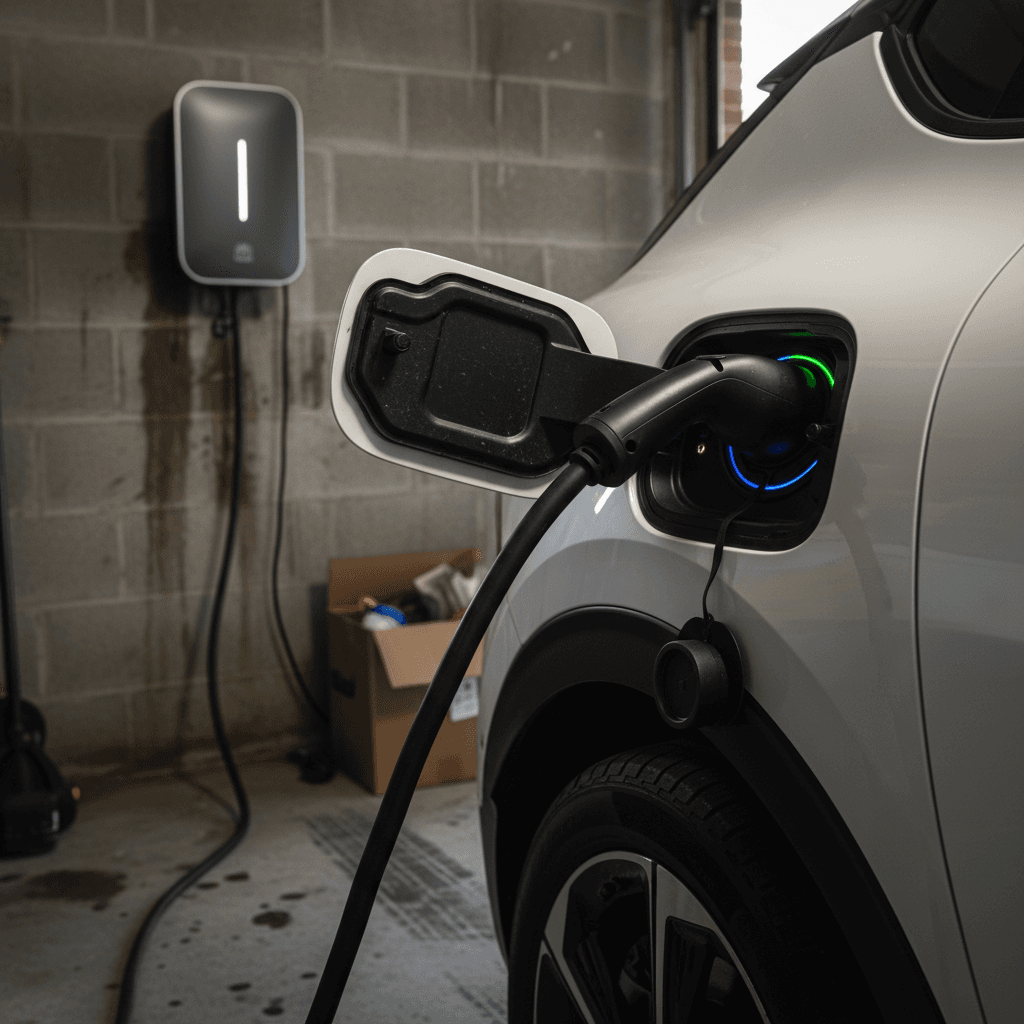
The big takeaway: on Level 1, a Kia EV6 is a slow‑motion refill. It’s fine if you drive only a few dozen miles a day and plug in every night, but it’s not what you want for frequent deep drains. A proper 240V Level 2 circuit turns the EV6 into what it was always meant to be: plug in at dinner, wake up with a full tank of electrons.
Home charging sanity check for your EV6
1. Count your daily miles
If you drive under ~40–50 miles a day and can plug in every night, Level 1 might squeak by. Over that, you’ll be happier with Level 2.
2. Peek at your breaker panel
Look for spare capacity for a 240V circuit (often 40–60 amps). A licensed electrician or installer can confirm what your home can support.
3. Match charger to EV6 limits
Avoid “overbuying” a monster wall box the EV6 can’t fully use. Target 30–48 amps (7.2–11.5 kW) for a good cost‑to‑benefit ratio.
4. Use scheduled charging
Set your EV6, or your smart charger, to run during off‑peak hours. In many utilities, that alone can cut your home charging costs by 30–40%.
Kia EV6 DC fast charging: 10–80% in the real world
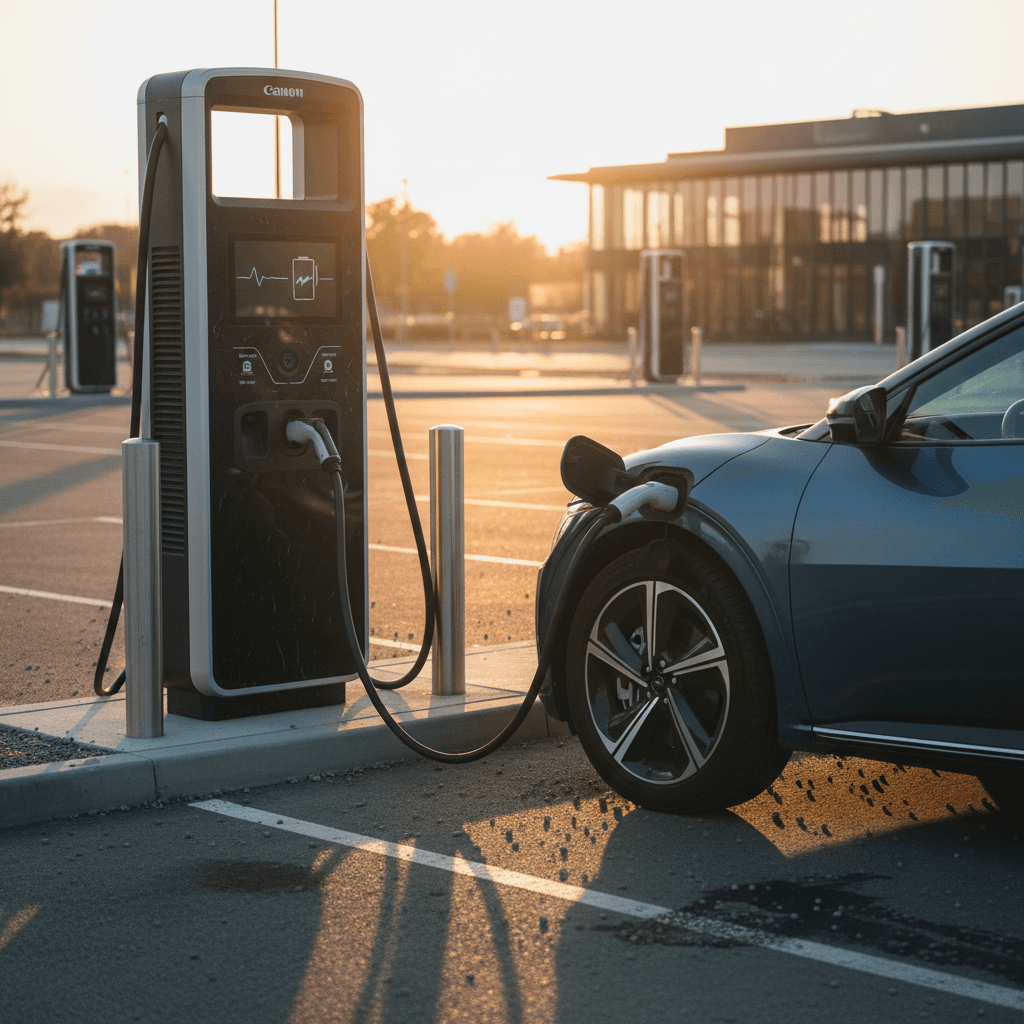
On a road trip, the conversation shifts from “full charge” to “how fast can I get from 10% to 80% and get back on the highway?” This is where the EV6 punches above its weight. Kia advertises 10–80% in under 18 minutes on a strong DC fast charger, thanks to its 800‑volt electrical architecture and peak power in the 220–240 kW range on long‑range trims.
Kia EV6 DC fast charging times (typical)
Approximate times for the long‑range ~77.4 kWh pack on a healthy, warm battery. Times assume you stop somewhere in the 10–20% range and charge to 80%.
| Charger rating | Real‑world peak power | Approx. time 10–80% | Best use case |
|---|---|---|---|
| 150 kW DC fast charger | ~130–150 kW | ~25–30 minutes | Most non‑Tesla highway sites today |
| 200–350 kW “ultra‑fast” | ~200–230+ kW | ~18–25 minutes | Premium highway sites, some newer networks |
| 50–75 kW DC fast | ~50–70 kW | ~45–70 minutes | Rural corridors, older hardware |
What to expect when fast‑charging a Kia EV6 on the road.
Don’t chase 100% on DC fast chargers
In real life, you’ll see that the EV6 absolutely hammers power into the battery between roughly 10% and 50%, then gradually tapers off into the 150 kW, then sub‑100 kW range as it nears 80%. Weather, station quality, and whether the battery is preconditioned all move the needle. A cold pack on a sleepy charger can easily turn an 18‑minute claim into 35 minutes of watching electrons amble in.
Real-world Kia EV6 charging time examples
How long to charge a Kia EV6? Three everyday scenarios
Because nobody actually charges from 0–100% every time.
Daily commuter
Scenario: You get home with ~40% on the gauge and want ~80% for tomorrow.
- Battery: 77.4 kWh
- Energy needed: about 30% ≈ 23 kWh
- Level 2 at 9.6 kW: roughly 2.5–3 hours
Plug in after dinner; you’re topped up well before bed.
Weekend road tripper
Scenario: You arrive at a highway DC fast charger with 12% and want 80%.
- Energy needed: about 68% ≈ 53 kWh
- Good 200–350 kW charger: typically 18–25 minutes
- Older 50–75 kW site: closer to 45–60 minutes
Enough time for a restroom break and coffee, not a novel.
Apartment dweller on Level 1
Scenario: You park outside and only have a 120V outlet.
- Power: ≈1.4 kW
- Overnight (12 hours): ~16–18 kWh added
- Range: roughly 40–60 miles, depending on efficiency
It’s workable if your daily mileage is modest and you plug in religiously.
What “good enough” looks like
Choosing the right home charging setup for your EV6
Level 1: the emergency rope
Level 1 charging (120V) is the inflatable space‑saver spare of the EV world. It’ll get you there eventually, but nobody brags about it.
- Good for: very low daily miles, temporary setups, or as a backup.
- Not great for: frequent deep discharges, cold climates, or shared household cars.
- Real talk: 2–3 days from near‑empty to full on an EV6.
Level 2: the real solution
Once you’ve lived with a decent 240V charger, there’s no going back.
- Sweet spot: 32–48 amps on a dedicated circuit.
- Result: 7–10 hours from low to full, or 20–35 miles of range per hour.
- Best practice: set the EV6 to stop around 80–90% for daily use.
Pro tip: let your utility pay for some of this
If you’re buying a used Kia EV6 from a place like Recharged, factor your home charging plan into the deal. A clean, well‑kept EV6 with a solid battery and a good Level 2 setup at home is a very different ownership experience from the same car trickle‑charging from a tired outdoor outlet.
Battery health: how your charging habits matter
The EV6’s battery pack is engineered to take a beating, this is the same basic 800‑volt playbook that Hyundai and Kia share across multiple models. But lithium‑ion chemistry still has opinions about how you treat it, and those opinions show up years later as range and resale value.
- Live in the middle. For daily use, keep the EV6 between about 20% and 80%. Save 100% charges for road trips or days when you truly need the full range.
- Use DC fast charging strategically. Occasional fast charging is fine, that’s what the hardware is for. Daily DC blasts from 5% to 100% are what ages a pack early.
- Let the car manage preconditioning. Many EV6s can warm or cool the pack before fast charging when you navigate to a charger. That keeps charge speeds high and stress lower.
- Don’t obsess over topping off. Plugging in more often for smaller top‑ups is generally kinder to the battery than deep drains followed by marathon sessions.
The cold truth about winter charging times
Used Kia EV6: charging and battery checks to make first
On the used market, the EV6 is one of the more desirable fast‑charging EVs, and buyers know it. That means the smartest shoppers look past the paint and straight at the charging habits baked into the battery’s history.
Four charging questions to ask about a used Kia EV6
If the seller can’t answer these, that’s your first data point.
How was it charged most of the time?
Home Level 2 to ~80–90% is ideal. A life lived on DC fast chargers from 5–100% is harder on the battery. Ask for specifics if possible.
What’s the current home setup?
If the car comes with a cheap portable charger and no 240V solution, budget for a real Level 2 install. That’s part of the true cost of ownership.
Any noticeable range loss?
Compare the displayed estimated range at ~100% with the original EPA rating. A bit of loss over years is normal; big gaps deserve more questions.
Is there a battery health report?
At Recharged, every EV, including the EV6, includes a Recharged Score Report with verified battery health. It’s the closest thing you’ll get to an EV Carfax.
Because the EV6 fast‑charges so well, some early cars have lived their lives mainlining DC power. That’s not automatically a red flag, but a proper diagnostic battery test, the kind Recharged builds into its buying process, gives you a clearer picture than any seller’s shrug and a “seems fine.”
FAQ: common questions about Kia EV6 charging time
Frequently asked questions about Kia EV6 charging times
Bottom line: what to expect from EV6 charging times
The Kia EV6 is one of the few EVs whose headline fast‑charging claims actually translate into livable road‑trip behavior. If you plug into a healthy high‑power DC fast charger with a warm battery, 10–80% in around 20 minutes is absolutely on the table. Back at home, the play is simple: invest in a solid 240V Level 2 setup, set your charge limit to 80–90%, and let the car quietly refill while you sleep.
If you’re thinking about a used Kia EV6, charging time is only half the story. The other half is battery health. That’s where a Recharged Score Report, with verified diagnostics, pricing transparency, and EV‑specialist support, earns its keep. Get the right car, set up the right home charging, and the question of “how long to charge a Kia EV6” fades into the background of your life, the way gasoline stops on your old crossover once did.