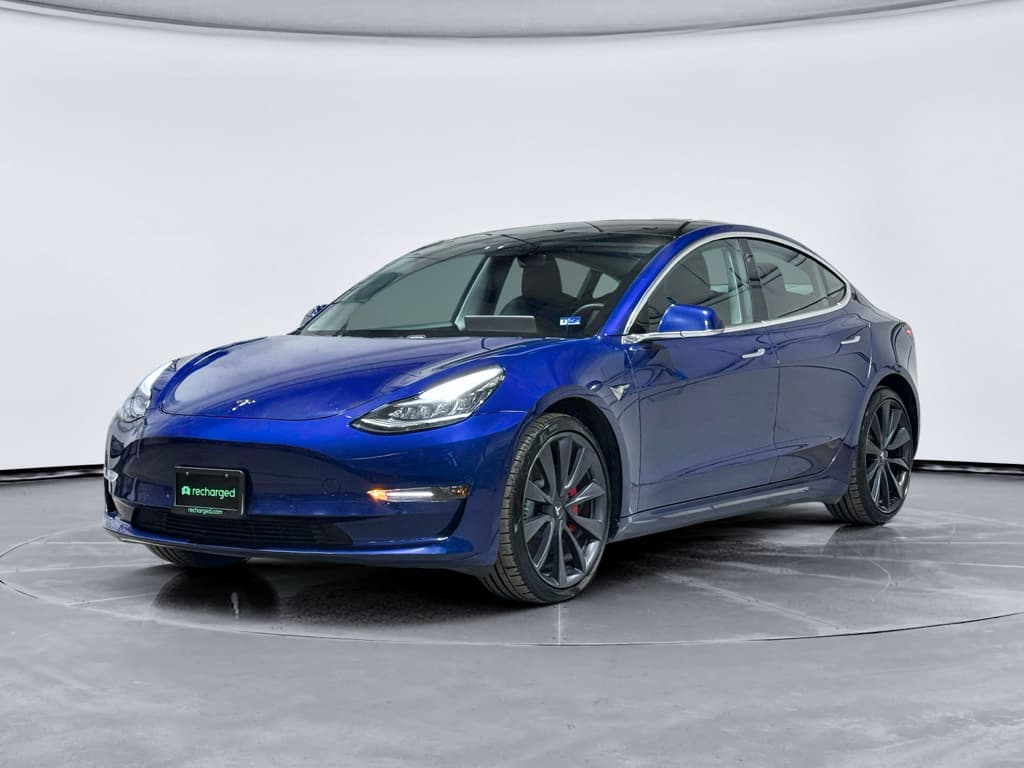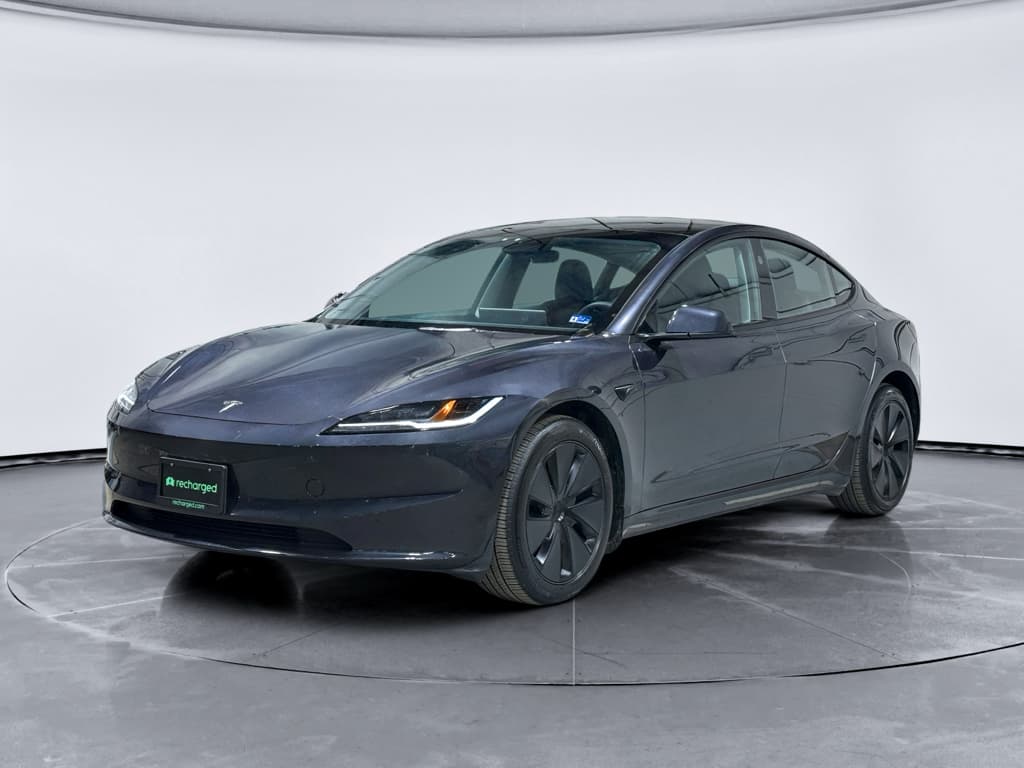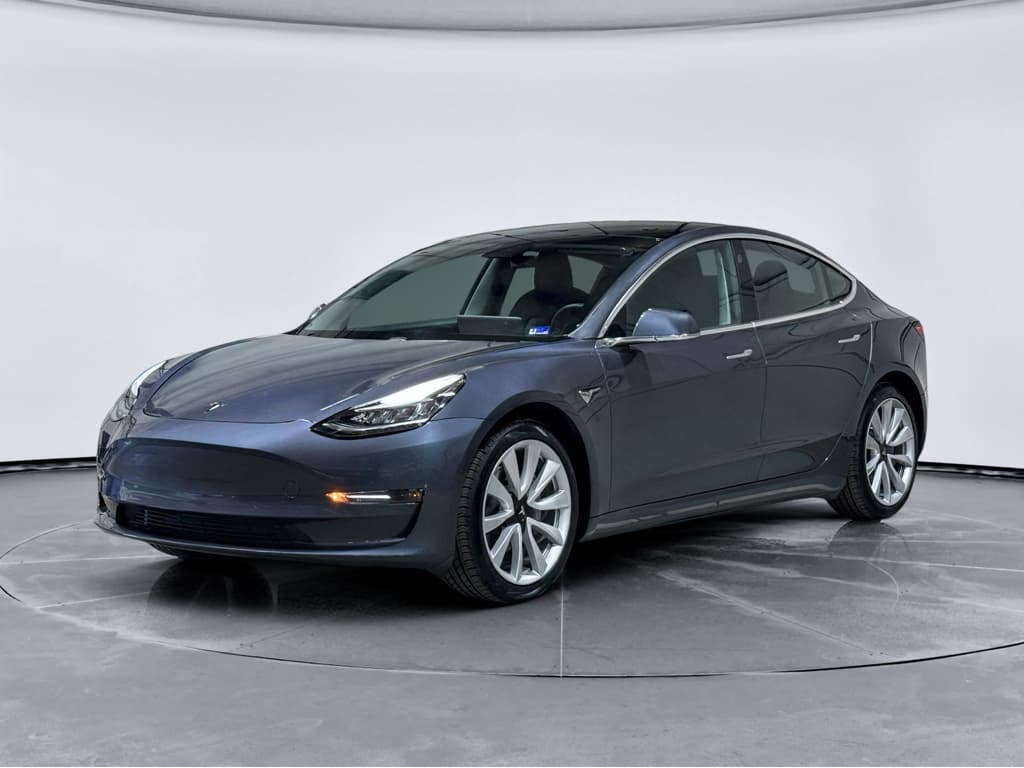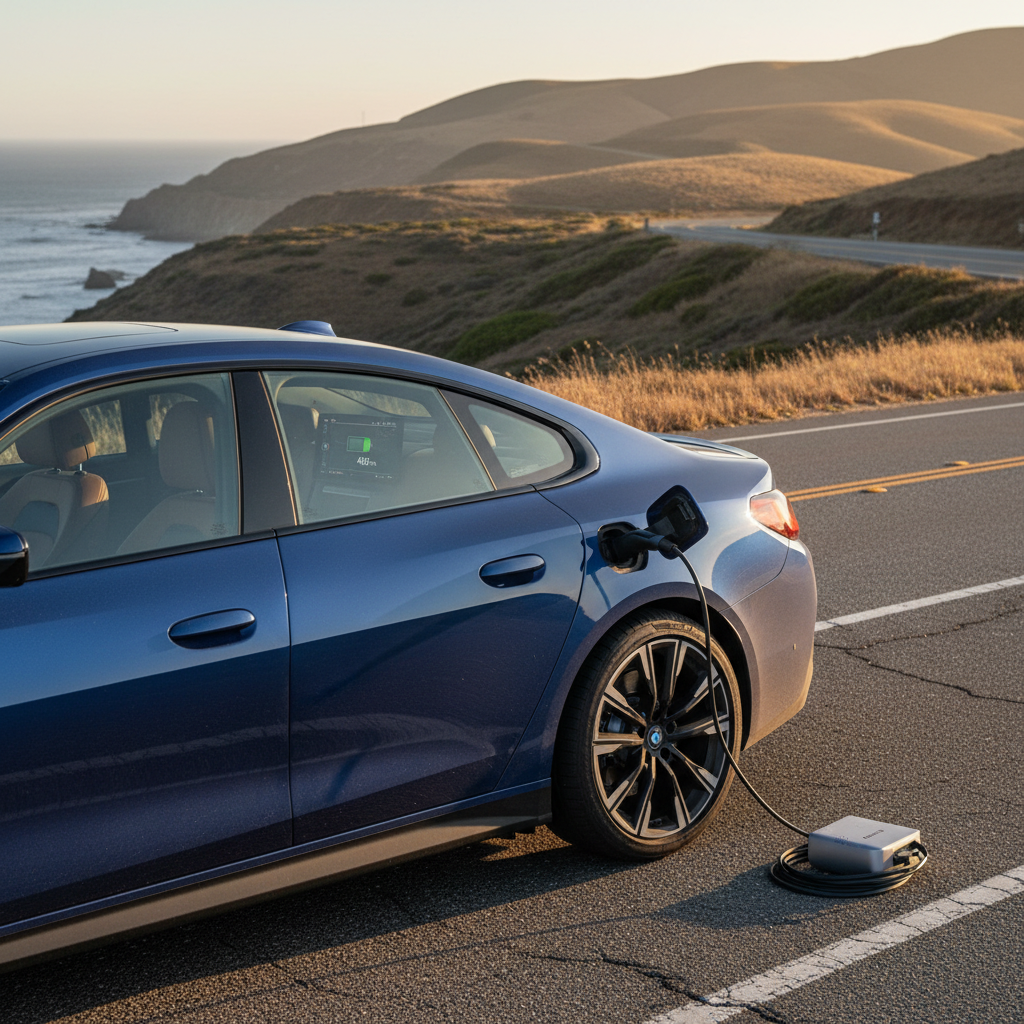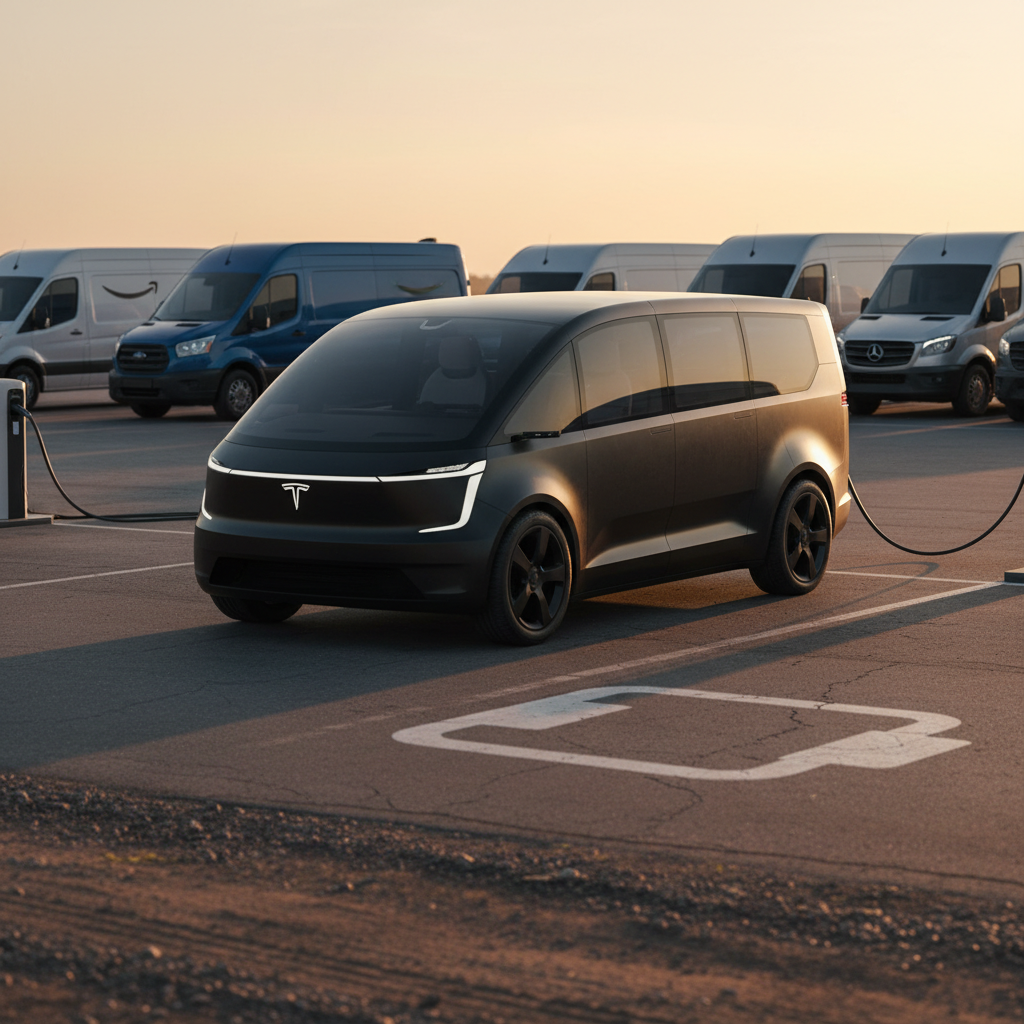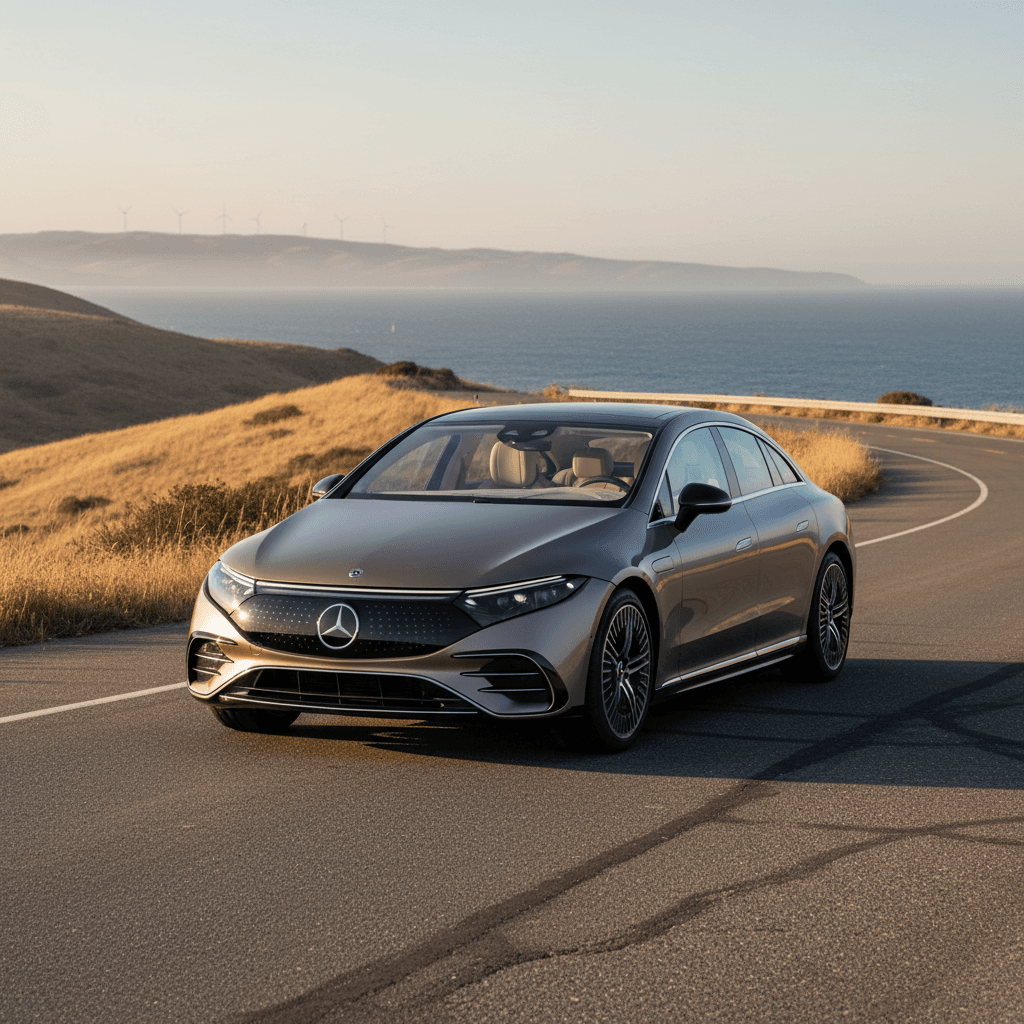
If you’re cross‑shopping a used Tesla Model 3 vs Mercedes EQE, you’re really deciding between two different visions of a luxury EV. The Model 3 leans toward minimalist performance and software, while the EQE aims for traditional Mercedes comfort and ambiance wrapped around an electric platform. On the used market, though, price, battery health, and long‑term costs matter just as much as leather and ambient lighting.
Two Different Classes of EV
Overview: Used Model 3 vs Mercedes EQE
Tesla Model 3 (used)
- Segment: Compact sport sedan
- Key strengths: Efficiency, Supercharger access, over‑the‑air software, strong performance
- Typical buyers: Tech‑focused drivers, commuters, first‑time EV owners
Mercedes EQE (used)
- Segment: Midsize luxury sedan
- Key strengths: Quiet, plush ride, high‑end cabin, three‑pointed‑star cachet
- Typical buyers: Comfort‑oriented drivers, traditional luxury shoppers, company‑car replacements
Typical Specs You’ll See on the Used Market
Those EPA ranges are for new vehicles. On the used market, real‑world range will depend heavily on battery health, previous charging habits, and climate. That’s where objective battery diagnostics, and not just an optimistic dashboard estimate, become very important.
Pricing & Value on the Used Market
On MSRP when new, the EQE sits a segment above the Model 3. Recent pricing for the EQE 350+ starts around the mid‑$70,000s new, with better‑equipped trims stretching into the $80Ks, while a new Model 3 typically undercuts that by a wide margin. That class difference carries over into the used market, and it’s why many shoppers end up comparing a newer, better‑equipped used Model 3 to an older or higher‑mileage EQE at a similar asking price.
Typical Used Price Bands (U.S. Market, Early 2025)
Approximate transaction ranges assuming clean titles and average mileage. Local supply, incentives, and condition can move these numbers materially.
| Model | Age / Mileage | Typical Asking Range | What You Usually Get |
|---|---|---|---|
| Tesla Model 3 RWD/Long Range | 3–5 years / 30k–70k mi | Low–mid $20Ks to mid $30Ks | Plenty of 250–330‑mile cars with basic Autopilot, some with FSD, basic luxury features. |
| Tesla Model 3 Performance | 3–5 years / 30k–60k mi | High $20Ks to high $30Ks | Very quick dual‑motor car, sportier chassis, still more affordable than many gas sport sedans. |
| Mercedes EQE 350+/350 4Matic | 2–4 years / 20k–50k mi | High $40Ks to mid $60Ks | Midsize luxury EV with high‑end interior, advanced driver assistance, and strong brand cachet. |
| Mercedes EQE 500 / AMG EQE | 2–4 years / 20k–40k mi | Low $60Ks and up | High‑output dual‑motor versions with more performance and more equipment, but higher running costs. |
Always compare individual vehicles, trim, mileage, options, and battery health matter more than model‑year alone.
Value Play Favors the Model 3
Range, Battery Size & Used‑EV Battery Health
Range and Battery: How They Compare
Think beyond the window sticker, used EV range is all about real battery health.
Tesla Model 3
- Battery sizes: Roughly high‑50s kWh (RWD) up to low‑80s kWh (Long Range/Performance), depending on year.
- EPA ranges when new: About 240–358 miles depending on trim and wheels.
- Efficiency: One of the most efficient EVs on the road, so you often get more real‑world miles per kWh.
Mercedes EQE
- Battery size: About 90.6 kWh usable on most U.S. EQE sedans.
- EPA ranges when new: Around 230–298 miles depending on trim, with the EQE 350+ RWD near the top.
- Efficiency: Heavier, softer‑tuned car, so it typically uses more energy than a Model 3 at highway speeds.
Because both cars launched fairly recently, fleet‑wide degradation data is still developing. In general, properly cared‑for packs in both will lose some range in the first couple of years, then level off. The difference is that Tesla has millions of vehicles in service and a long track record of over‑the‑air battery management tweaks, while the EQE is part of a younger EV effort from Mercedes with a smaller U.S. footprint.
Dash Range Isn’t a Battery Test
Every vehicle sold through Recharged includes a Recharged Score Report with objective battery‑health data. That’s especially important with cars like the Model 3 and EQE, where range and fast‑charging capability are central to the ownership experience.
Comfort, Space & Luxury Feel
Model 3: Sporty and Minimalist
- Ride & noise: Earlier Model 3s can feel firm and a bit noisy on rough pavement. Later cars have improved, but this is still the sportier of the two.
- Cabin: Simple materials, big central screen, very few buttons. Feels modern and clean, but not cushy.
- Space: Comfortable for four adults, usable trunk plus front trunk, but rear headroom isn’t as generous as in larger sedans.
EQE: True Luxury Sedan
- Ride & noise: Tuned for comfort with an impressively quiet cabin. Air suspension on some trims makes long drives feel effortless.
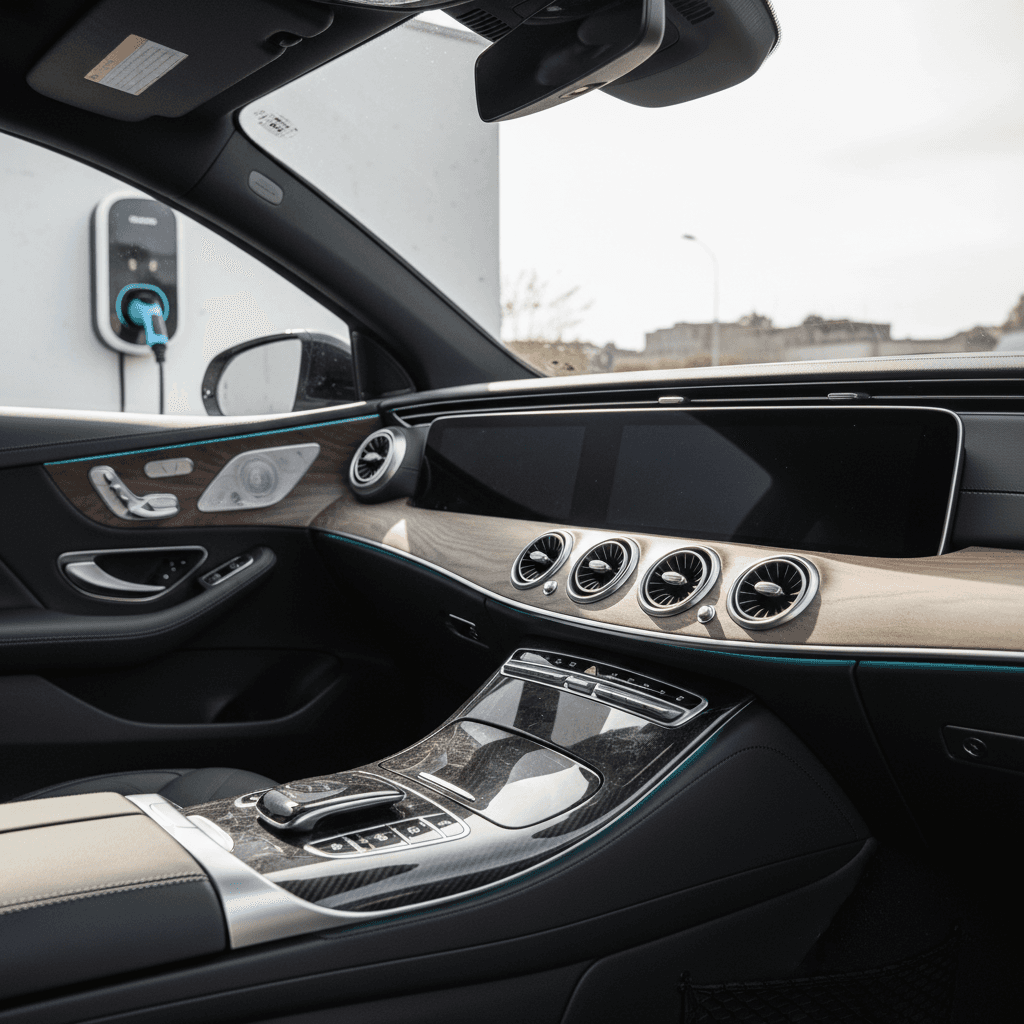
- Cabin: High‑grade materials, intricate ambient lighting, optional massive Hyperscreen, traditional Mercedes design language.
- Space: Feels closer to an electric E‑Class inside, with more shoulder room and a generally more relaxed seating position.
If You Care Most About Comfort…
Tech, Software & Driver Assistance
Both cars are loaded with tech, but their philosophies are almost opposite. Tesla treats the Model 3 like a rolling smartphone: centralized controls, frequent software updates, and a rapidly evolving driver‑assistance stack. Mercedes focuses on layering EV tech on top of its existing luxury‑car interface, with more physical controls and traditional menus.
Infotainment and Driver‑Assist: Side‑by‑Side
Think about what kind of tech you’ll actually enjoy using every day.
Tesla Model 3 Tech
- UI: Single large central touchscreen with most controls on‑screen.
- Updates: Frequent over‑the‑air updates add features and refine behavior over time.
- Driver assistance: Basic Autopilot on most cars; some have Enhanced Autopilot or the pricey Full Self‑Driving package.
- Apps: Deep integration with the Tesla app for pre‑conditioning, charging control, and service.
Mercedes EQE Tech
- UI: MBUX infotainment with a portrait or Hyperscreen layout and voice assistant.
- Interfaces: Mix of touchscreen, steering‑wheel touchpads, and some physical buttons.
- Driver assistance: Highway lane‑keeping, adaptive cruise, and advanced safety tech on most trims.
- Updates: Over‑the‑air capability exists but has been used more conservatively than Tesla’s.
Test the Interfaces Before You Buy
Charging Experience & Road Trips
Charging is one of the biggest real‑world differences between these two, and it’s changing fast. The Model 3 was designed around Tesla’s Supercharger network, while the EQE relies on third‑party DC fast‑charging networks and, increasingly, access to Superchargers via adapters or new ports depending on model year.
- At home: Both cars work very well on a 240‑volt Level 2 charger. The EQE’s larger pack will simply take longer to fill from low state of charge.
- On the road (today): Model 3 drivers enjoy a highly integrated route planner and a dense Supercharger network, especially across the U.S. interstate system.
- On the road (next few years): More non‑Tesla brands are adopting Tesla’s NACS connector and gaining Supercharger access. That will benefit EQE‑class vehicles over time, but availability will vary by model year and adapter support.
Check Real‑World Fast‑Charge Behavior
Reliability, Maintenance & Longevity
Neither car has a long, decades‑deep reliability record like a Camry, but we do have emerging patterns. The Model 3 has been on the road longer and in far greater numbers, so we’ve seen early build‑quality issues, software quirks, and some suspension wear concerns. On the other side, Mercedes EVs, including the EQE and larger EQS, have dealt with their own software bugs and occasional electronic gremlins, along with traditional luxury‑car repair costs when something does go wrong.
What to Expect in Day‑to‑Day Ownership
Patterns matter more than anecdotes when you’re choosing a used EV.
Model 3 Reliability Themes
- Later‑build Model 3s tend to be better screwed together than the earliest cars.
- Owner‑reported satisfaction with performance and software remains high, even among higher‑mileage cars.
- Suspension wear, rattles, and minor trim issues can show up as miles add up, especially in harsh climates.
EQE Reliability Themes
- Shared architecture with other EQ models means some issues overlap, software glitches, occasional driver‑assist quirks, and intermittent warning lights.
- When repairs are required outside warranty, Mercedes parts and labor tend to carry premium pricing.
- Because the EQE fleet is smaller, you’ll rely more on a thorough pre‑purchase inspection than broad owner data.
Don’t Skip a Used‑EV Inspection
Ownership Costs, Insurance & Depreciation
The EQE starts life more expensive, and that tends to echo through insurance, tires, and repair bills. It also means steeper dollar‑value depreciation, even if the percentage drop is similar to other luxury sedans. The Model 3, by contrast, has seen its pricing move with Tesla’s frequent MSRP changes and broader EV market shifts, but it generally offers a lower cost of entry and more predictable ongoing costs.
Key Cost Factors to Compare on a Specific Car
1. Insurance Quotes
Get real quotes for your ZIP code. The EQE’s higher original MSRP, parts cost, and advanced tech can push premiums up vs. a similar‑year Model 3.
2. Tire Replacement
Both cars are heavy and often run on large‑diameter wheels. Performance trims and staggered setups (common on EQE and Model 3 Performance) can dramatically increase tire costs.
3. Warranty Status
Many used EQEs will still be within their bumper‑to‑bumper and battery warranties. Older Model 3s may be out of basic coverage, but still under battery/drive‑unit warranty depending on mileage and year.
4. Depreciation Curve
Ask yourself: is this car still sliding down a steep depreciation slope, or has it stabilized? Over‑paying near the top of the curve can cost you thousands when you go to sell or trade.
Who Should Choose Which? Quick Recommendations
Used Model 3 vs EQE: Best Fit by Buyer Type
Match the car to how you actually drive, not just what looks good in the driveway.
Choose a Used Tesla Model 3 If…
- You want maximum EV for the money in the mid‑$20Ks to mid‑$30Ks.
- You care more about range, efficiency, and charging convenience than ultra‑plush materials.
- You like the idea of frequent software updates and a strong app ecosystem.
- You plan a lot of road trips and value seamless Supercharger integration.
Choose a Used Mercedes EQE If…
- You’re stepping out of a traditional luxury sedan and don’t want to give up ride comfort and quiet.
- You’re comfortable with a purchase in the $45,000+ range for a relatively new EV.
- You prioritize a rich interior, ambient lighting, and the Mercedes badge.
- You’ll mostly drive locally or regionally and don’t mind planning charging stops a bit more carefully.
How Recharged Helps with Used Model 3 and Other EVs
Choosing between a used Tesla Model 3 and a Mercedes EQE is only half the battle; finding a specific car with a healthy battery, honest pricing, and a smooth buying experience is the other half. That’s exactly what Recharged was built to solve.
- Recharged Score battery diagnostics: Every EV we sell includes a detailed battery‑health report so you can compare cars by more than just miles and model year.
- Fair market pricing: We benchmark against the market so you can quickly see whether you’re looking at a strong deal or an overpriced listing.
- Financing & trade‑ins: You can line up financing, get an instant offer or consignment option for your current vehicle, and complete the purchase entirely online.
- Nationwide delivery & EV‑specialist support: Our EV experts walk you through trim differences, charging options, and total cost of ownership, from your first question to delivery at your door.
Make the Numbers Work First
Ready to find your next EV?
Browse Vehicles