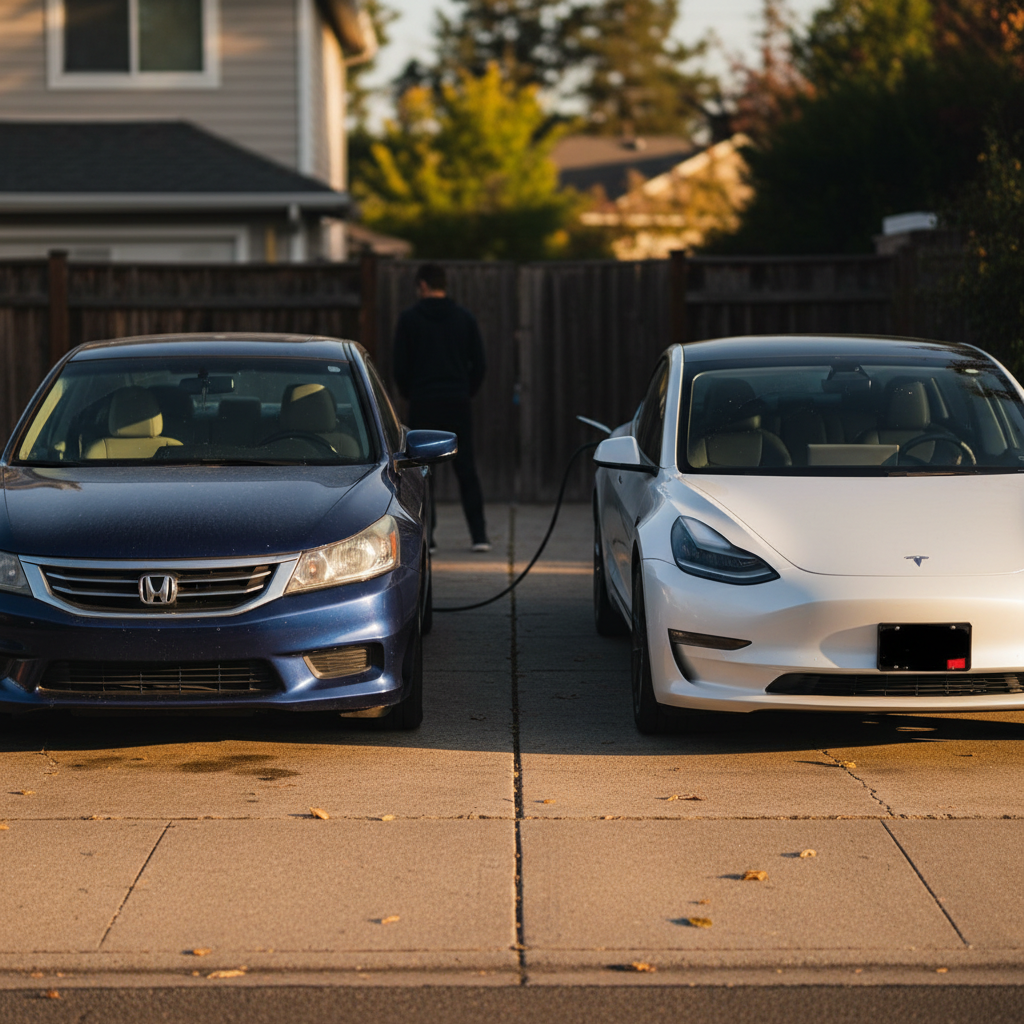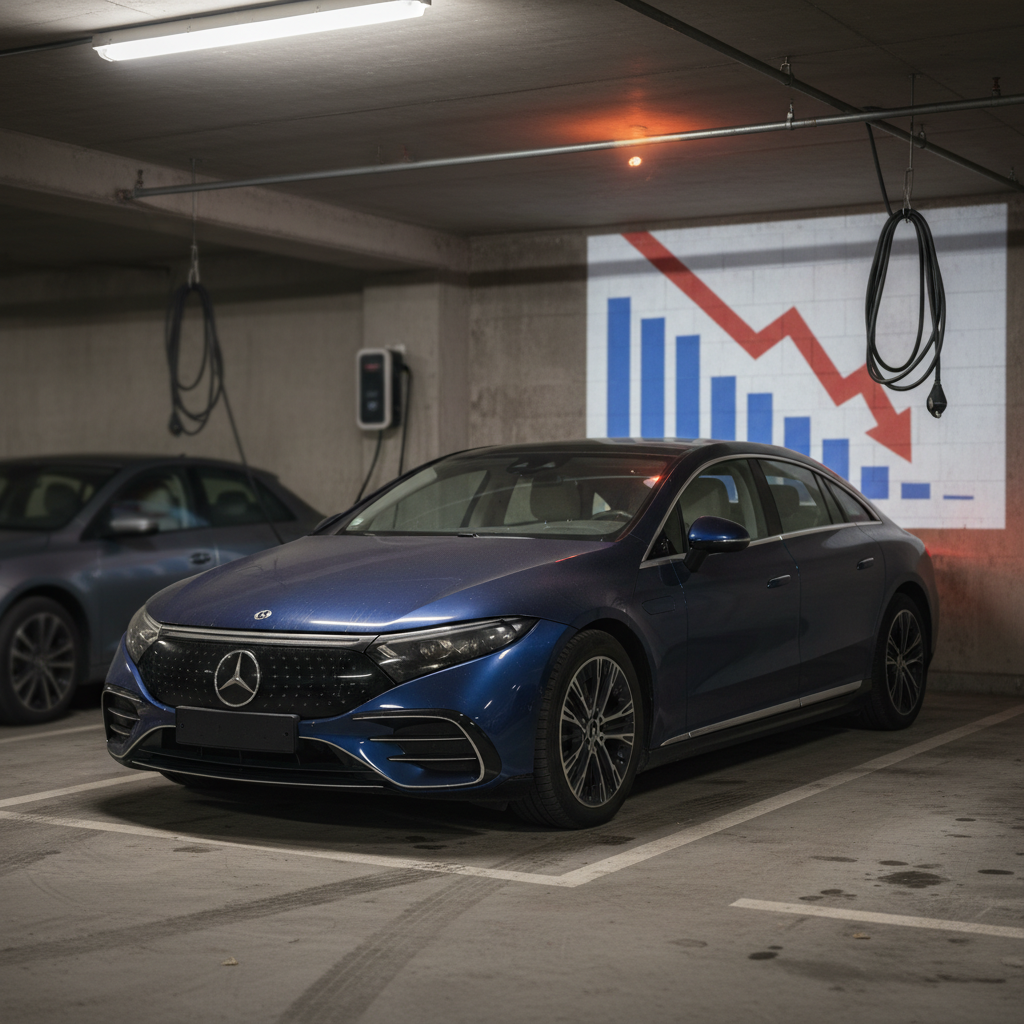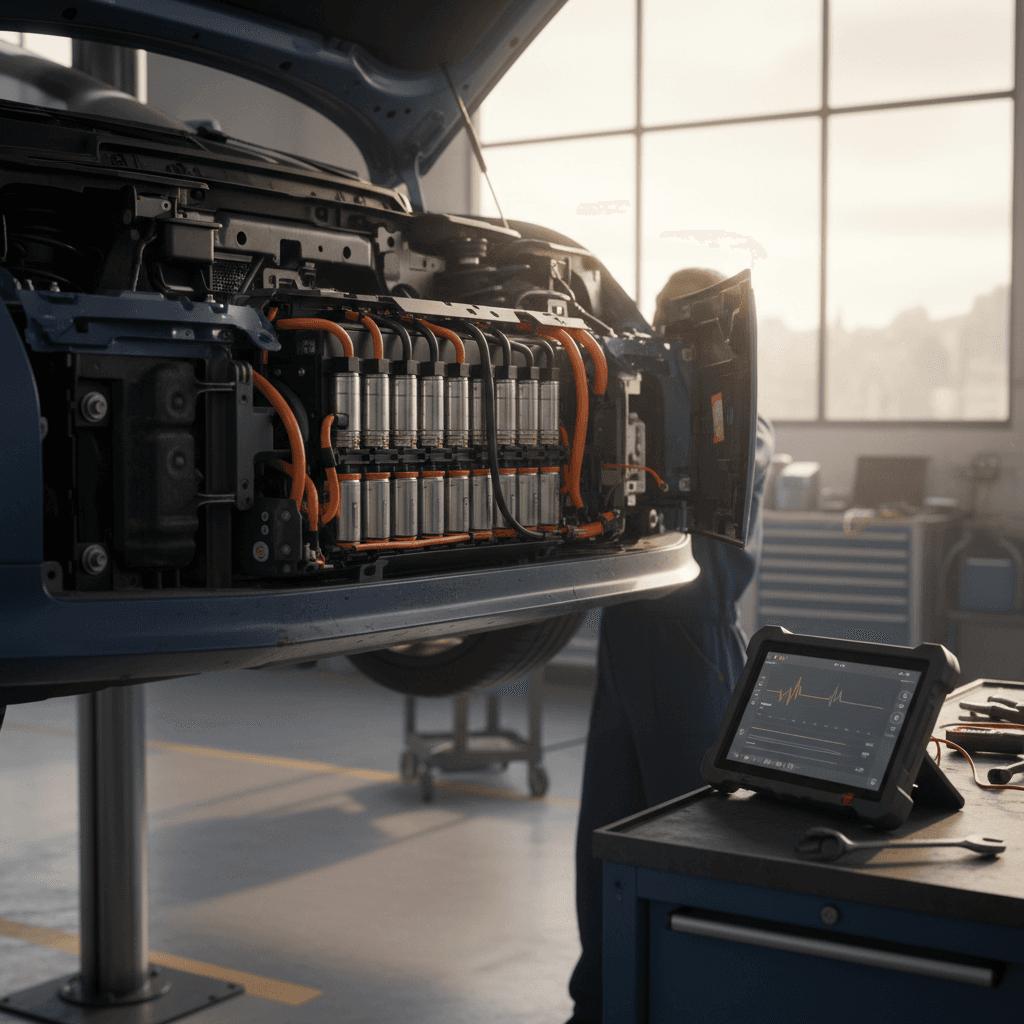
When people ask, “How long do EVs last?” they’re usually really asking two things: how long the battery will last, and whether an electric car can go 10–15 years like a gas car without becoming a money pit. The short version: modern EVs are built to last at least as long as comparable gas vehicles, and in many cases longer, especially when you buy smart and care for the battery.
Big picture
Do EVs last as long as gas cars?
In the U.S., the average car or truck on the road is now about 12.6 years old, and many vehicles easily see 15 years of service or more. Modern electric cars are squarely in that same ballpark. A 2024–2025 wave of studies and fleet data shows that today’s EVs are engineered for a similar 15–20 year design life, with the limiting factor being battery capacity rather than engines, transmissions, or exhaust systems that simply don’t exist on an EV.
How long EVs last: quick stats
Why this matters for used EVs
How long do EV batteries last in years and miles?
An EV’s battery is like its gas tank and engine combined. So when you ask how long EVs last, you’re really talking about how long that pack stays healthy enough to deliver useful range. Instead of suddenly “dying,” lithium‑ion packs gradually lose capacity over time.
- Years: For today’s EVs, many lab and utility studies converge around 12–15 years of typical battery life in moderate climates before range loss becomes a serious limitation for most drivers.
- Miles: With average annual driving around 12,000 miles, that translates to roughly 150,000–200,000 miles. Real‑world fleet data and high‑mileage owners show some packs comfortably stretching beyond 250,000–300,000 miles with reduced but usable range.
- Warranty: Most major automakers in the U.S. back their EV batteries for 8 years or 100,000 miles (sometimes more), typically guaranteeing at least 70% capacity during that period. Many batteries are outperforming those conservative assumptions in the real world.
Climate is a big swing factor
What actually happens as EVs age?
1. Battery capacity slowly shrinks
Your EV doesn’t suddenly quit. Instead, you might notice that the same full charge covers fewer miles than when the car was new. Many owners see an early drop of a few percent in the first year or two, then a slower, steadier decline of around 1–2% per year.
2. The rest of the car ages like any modern vehicle
EV motors and power electronics typically require less routine maintenance than gas engines, no oil changes, timing belts, or exhaust systems. Wear items like tires, brakes, suspension, and cabin electronics age much like they do on gasoline cars.
Most EVs feel perfectly normal to drive even as the battery ages. You still get instant torque; you just may not be able to drive quite as far between charges. At some point, often somewhere around 70–80% of original capacity, the vehicle may no longer meet an owner’s commute or road‑trip needs, and that’s when people think about replacing the pack or the car.
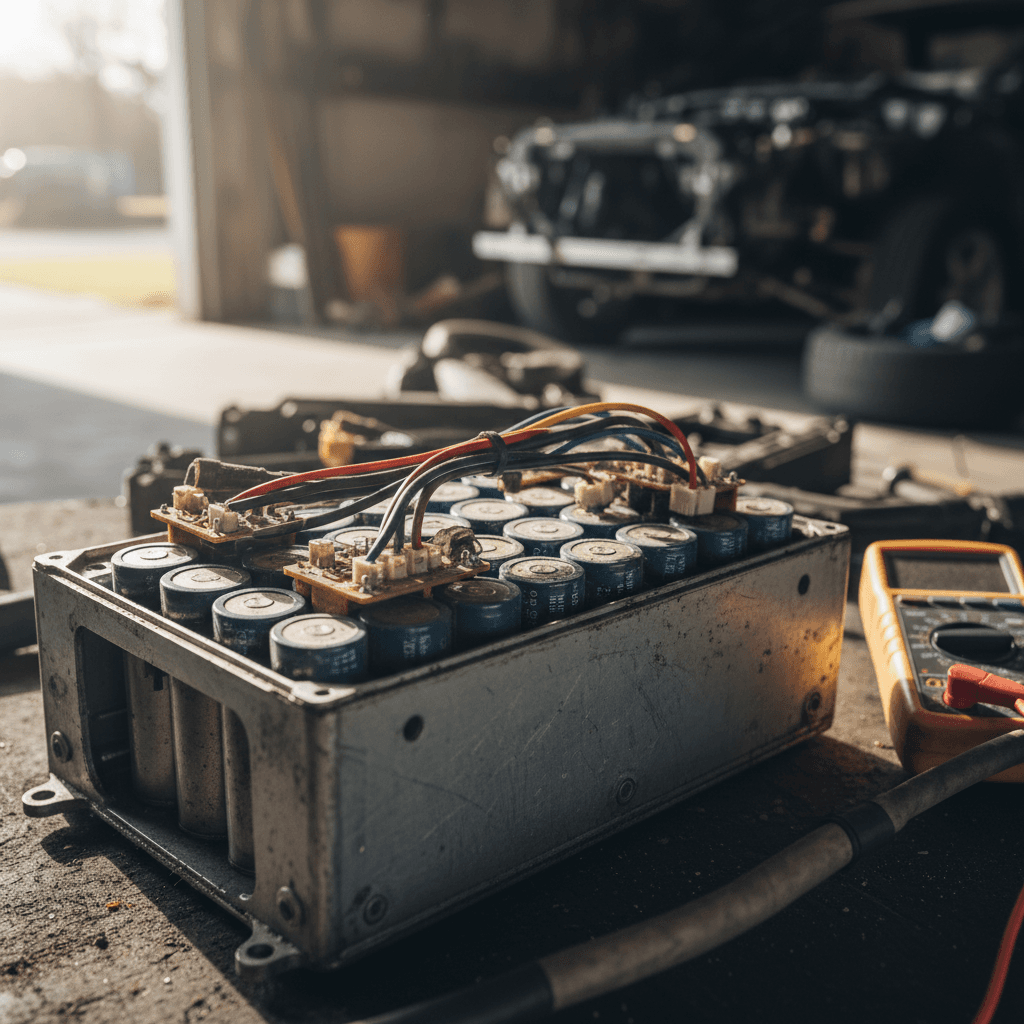
7 key factors that make EVs last longer (or shorter)
What really affects how long an EV lasts?
Driving and charging habits matter more than most owners realize.
1. Climate
Hot climates accelerate battery aging, especially when an EV sits at a high state of charge in the sun. Cold doesn’t usually damage the pack, but it temporarily reduces range in winter.
2. Fast charging vs. home charging
Occasional DC fast charging is fine. Relying on it daily, especially to 100%, can age a battery faster than mostly charging on a Level 2 home charger.
3. How often it’s charged to 100%
Keeping the pack between roughly 20–80% for daily use is easier on the cells. Regularly topping up to 100% and letting it sit there, particularly in heat, increases long‑term degradation.
4. Annual mileage
More miles means more charge cycles. That said, modern packs are tested for thousands of cycles, so high mileage alone isn’t automatically a red flag if the car was cared for.
5. Build quality & thermal management
How the pack is cooled (liquid vs. air) and the quality of the battery management system play a big role. Newer EVs generally have more sophisticated thermal control than early models.
6. Storage habits
Letting an EV sit unplugged at 0% for long periods is hard on the battery. Storing around 40–60% is ideal if the car will be parked for weeks.
The good news for everyday drivers
High‑mileage EVs: real‑world examples
If you’re wondering whether an electric car can really go toe‑to‑toe with a high‑mileage gas sedan or crossover, the real world is already answering that question. Taxi and rideshare fleets routinely log 200,000–300,000 miles on a single battery pack, and early Teslas and Nissan Leafs are aging into true high‑mileage territory.
Examples of how long EVs can last in practice
Actual and typical use cases that show what’s realistic for EV longevity.
| Use case | Approx. years | Approx. miles | Battery status |
|---|---|---|---|
| Daily commuter in a moderate climate | 10–12 years | 120,000–160,000 miles | Often still 80%+ of original range |
| Rideshare / taxi service | 6–8 years | 200,000–300,000 miles | Reduced range, but still usable for city duty |
| Early‑adopter Tesla or Nissan Leaf | 8–12+ years | 100,000–200,000 miles | Range loss depends heavily on climate and battery design |
| Careful long‑term owner (home charging, 20–80% SOC) | 15+ years | 200,000–300,000+ miles | On track for 70–80% capacity after 15 years |
Individual results vary, but these scenarios are increasingly common as EVs mature.
Why newer EVs have an edge
How long do used EVs last when you buy one pre-owned?
For used shoppers, the real question is: How many good years are left? The answer depends less on age alone and more on how the battery has been treated and what its current health looks like today.
Age & mileage guidelines
- 3–5‑year‑old EV (30k–60k miles): Often still has 85–95% of original capacity. It’s early‑middle age, with a full decade or more of useful life likely.
- 6–8‑year‑old EV (60k–100k+ miles): You’re into the heart of the battery warranty. Capacity around 75–90% is common, depending on model and climate.
- 9–12‑year‑old EV: This is where model‑to‑model differences really show. Some still perform well; others may have limited range for highway commuting.
Battery health is the real story
Two identical‑year EVs with the same odometer reading can have very different futures. One might have been fast‑charged daily in desert heat and left at 100% in the sun; the other gently charged in a temperate garage. That’s why measured battery health matters far more than model year alone.
At Recharged, every vehicle includes a Recharged Score Report that uses battery health diagnostics and telematics to estimate remaining useful life, not just quote the odometer.
How to check EV battery health before you buy
Pre‑purchase checklist: gauging how long a used EV will last
1. Look at the battery warranty status
Confirm the original battery warranty term (often 8 years/100,000 miles) and check how many years and miles remain. A car still under battery warranty carries less risk if a serious defect appears.
2. Review battery health metrics, not just range
If possible, obtain a battery health report that shows remaining capacity or state of health (SoH). A reading around 85–95% on a 3–5‑year‑old car is typical; numbers much lower than peers warrant extra questions.
3. Compare indicated range to original EPA rating
Charge to a known level (for example, 80% or 100%) and compare the estimated range to the car’s original EPA figure. A modest gap is normal; a huge gap suggests more significant degradation.
4. Ask about charging history
Frequent fast charging, especially to 100%, and long periods sitting at full charge in heat can accelerate wear. Favor cars that were mostly home‑charged on Level 2 with occasional road‑trip fast charging.
5. Check service records for software and cooling issues
Battery‑related software updates and cooling‑system maintenance (where applicable) help longevity. Unresolved warnings or repeated battery‑system faults are red flags.
6. Get an expert involved if you’re unsure
Just like you’d have a mechanic inspect a used gas car, consider an EV‑savvy inspection or buy from a specialist. Recharged builds <strong>battery diagnostics, pricing analysis, and EV‑specialist support</strong> right into every purchase.
What happens when an EV battery “wears out”?
Even when an EV battery is considered “worn out” for automotive use, it usually isn’t a dead brick. It’s simply no longer providing enough range for the original job. At that point, owners have a few options.
Your options when an EV battery no longer fits your needs
Most owners don’t go straight to the scrapyard.
1. Keep driving with reduced range
If you mostly drive short trips, a car with 60–70% of its original range might still work fine as a commuter or city runabout for several more years.
2. Replace or refurbish the pack
Full pack replacements have historically been expensive, but costs are trending down as more re‑manufactured and module‑level repair options appear. This can give the vehicle a second life.
3. Second‑life or recycling
Batteries that are no longer suitable for cars can be repurposed into stationary energy storage, then eventually recycled to recover materials like lithium, nickel, and cobalt.
Don’t assume you’ll need a replacement
FAQ: Common questions about how long EVs last
Frequently asked questions about EV lifespan
Bottom line: How long do EVs really last?
Putting all the data together, a modern electric car is built for roughly the same lifetime as a gas vehicle, often 15 years or more of useful service and well over 150,000 miles. The difference is what wears out: instead of engines and transmissions, EV longevity is mostly about battery capacity. Treat the pack reasonably well, and you’re unlikely to face a surprise early replacement.
If you’re shopping used, the smartest move is to focus on verified battery health rather than just model year or mileage. That’s where a marketplace built specifically for EVs makes a difference. Every vehicle at Recharged comes with a Recharged Score battery health report, fair‑market pricing, and EV‑specialist support from first click to delivery. That way, when you ask, “How long will this EV last?” you’re getting an answer based on data, not guesswork.