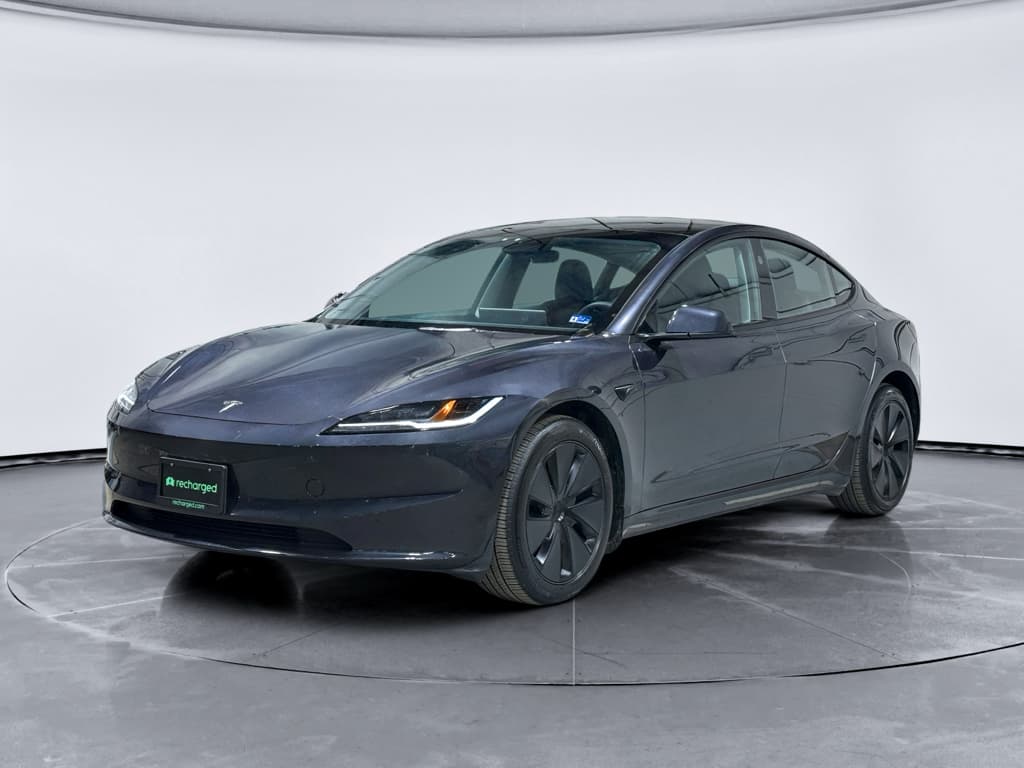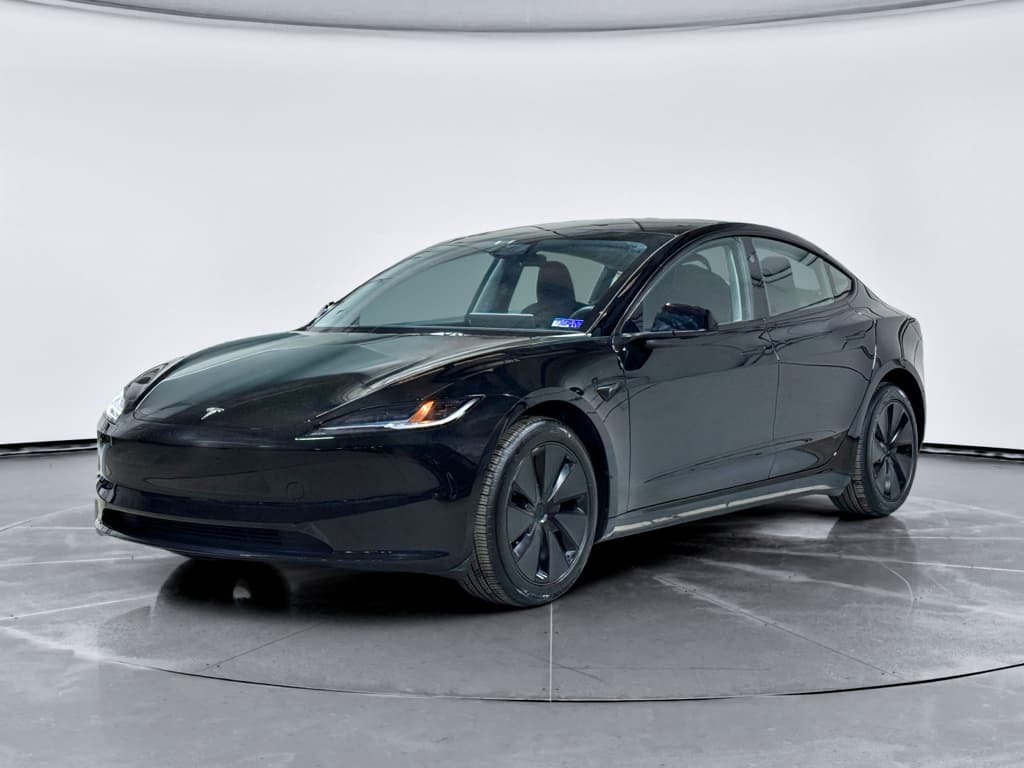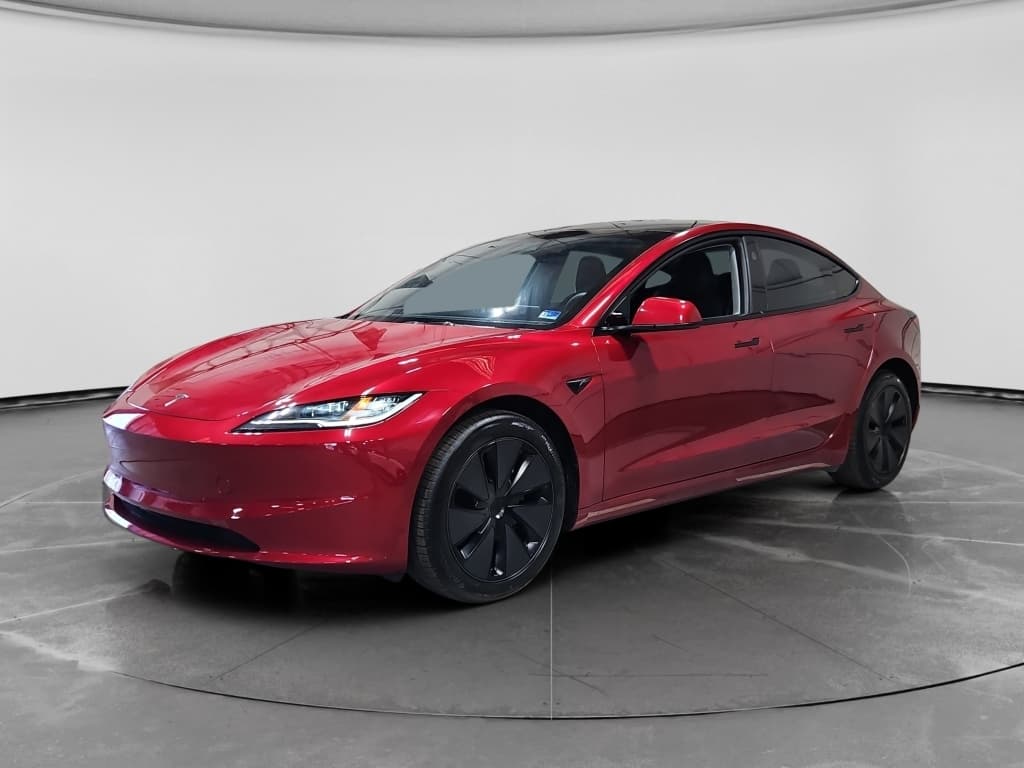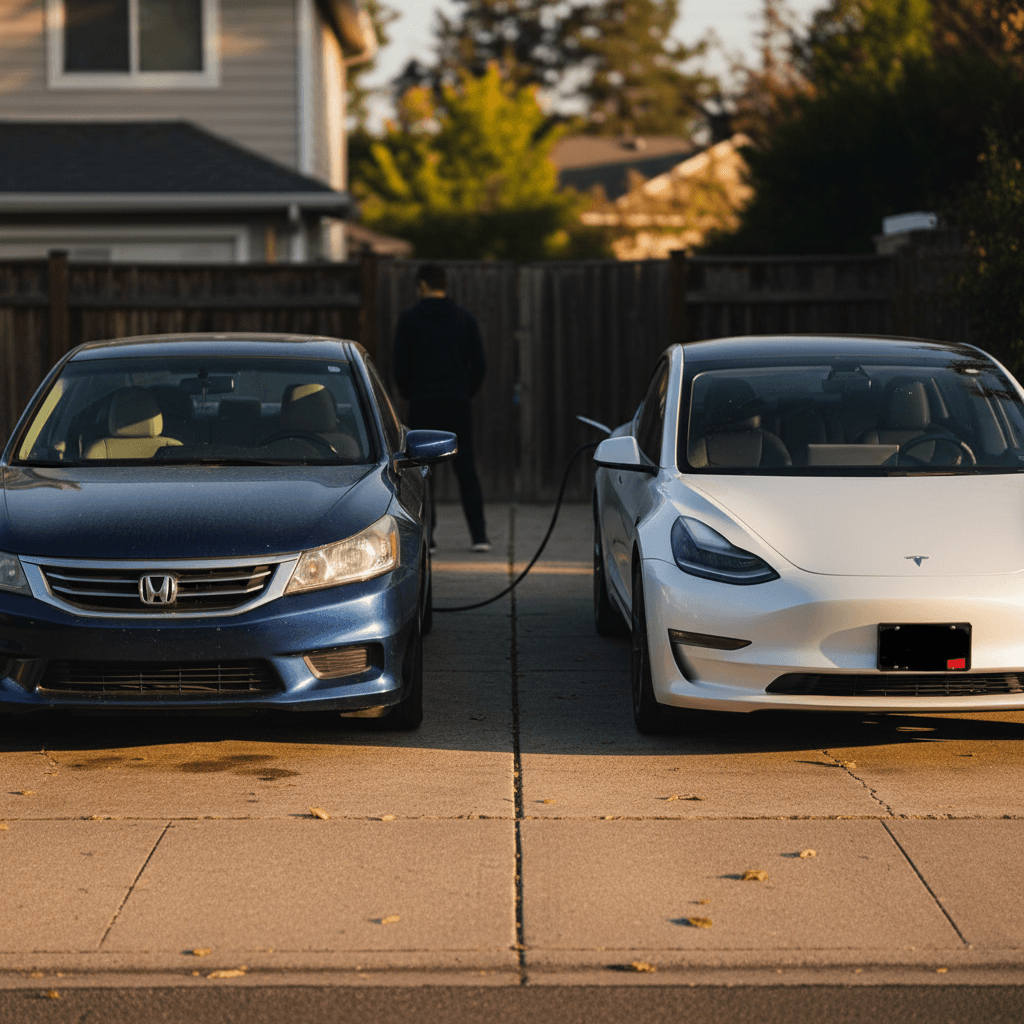
If you’ve spent years in a Honda Accord, you’re used to something simple: it just works. So when you look at a Tesla Model 3, it’s not just a new car, it’s a completely different operating system for your daily life. This review is written specifically for Honda Accord owners wondering what really changes when you switch to a Tesla Model 3, especially if you’re considering a used one.
The Accord-to-Model-3 leap
Who this review is really for
- You currently drive a Honda Accord (gas or hybrid) and are EV-curious.
- You’re cross-shopping a used Tesla Model 3 against a newer Accord or Accord Hybrid.
- You want a realistic picture of costs, charging, reliability and comfort, not just 0–60 times.
- You’re considering buying a used Model 3 through a marketplace like Recharged and want to know what to inspect first.
We’ll walk through the Model 3 experience in Accord terms: how it drives, what it costs to run, how reliable it feels, and how your day-to-day routine changes when gas stations disappear from your life.
Driving experience: Honda Accord vs Tesla Model 3
What Accord owners are used to
- Predictable, light steering and a calm ride tuned for comfort.
- Enough power, but rarely exciting, especially in non-turbo trims.
- Conventional gauges, physical controls, and a transmission you can feel shifting.
- Engine noise on highway merges and long uphill grades.
How the Model 3 feels different
- Instant torque: even the base RWD Model 3 feels like a sports sedan off the line.
- Single-speed drive: no gear changes, just one continuous surge of power.
- Much sharper steering and a firmer, more connected ride, more BMW 3 Series than Accord.
- Near-silent acceleration; road and wind noise, not engine, dominate.
Test-drive translation tip
Where the Model 3 clearly beats an Accord
Especially noticeable on your very first commute
Acceleration
One-pedal driving
Highway passing
Where some Accord owners struggle is ride and noise. The Model 3’s suspension is firmer and its 18–20 inch wheels can transmit more bumps than your Accord, especially on rough concrete. If you value a soft, floating ride above all else, you’ll want to test the Model 3 on your worst local roads, not just on a smooth dealer route.
Running costs: fuel, maintenance and insurance
Typical cost shifts when going from Accord to Model 3 (U.S. averages)
Long-time Accord owners are used to low, boring costs: modest fuel bills, cheap routine service, and reasonable insurance. A Tesla Model 3 rewrites that equation. You’ll usually save significantly on fuel and routine maintenance, but pay more for insurance and potentially individual out-of-warranty repairs.
Typical annual running costs: late-model Accord vs Tesla Model 3
Illustrative numbers for a U.S. driver at ~12,000 miles per year. Your actual costs will vary by region, driving style and model year.
| Category | Honda Accord (gas) | Tesla Model 3 (RWD) | What changes for you |
|---|---|---|---|
| Fuel / Electricity | $1,200–$1,600 | $350–$600 | Electricity is usually 60–75% cheaper than gas on a per-mile basis. |
| Routine maintenance | $500–$800 | $300–$600 | No oil changes, fewer fluids, but cabin filters, tires and brake fluid still matter. |
| Insurance | $1,800–$2,800 | $3,500–$4,500+ | Model 3 premiums tend to be materially higher than Accord rates in most markets. |
| Unexpected repairs (avg) | Low–moderate | Low–moderate, but spiky | Most years are cheap, but a single out-of-warranty repair (e.g., suspension, electronics) can be costly. |
Fuel and electricity estimates assume mixed driving and moderate energy prices; insurance is a broad national average, not a quote.
Don’t ignore insurance quotes
Charging vs gas: how daily life actually changes
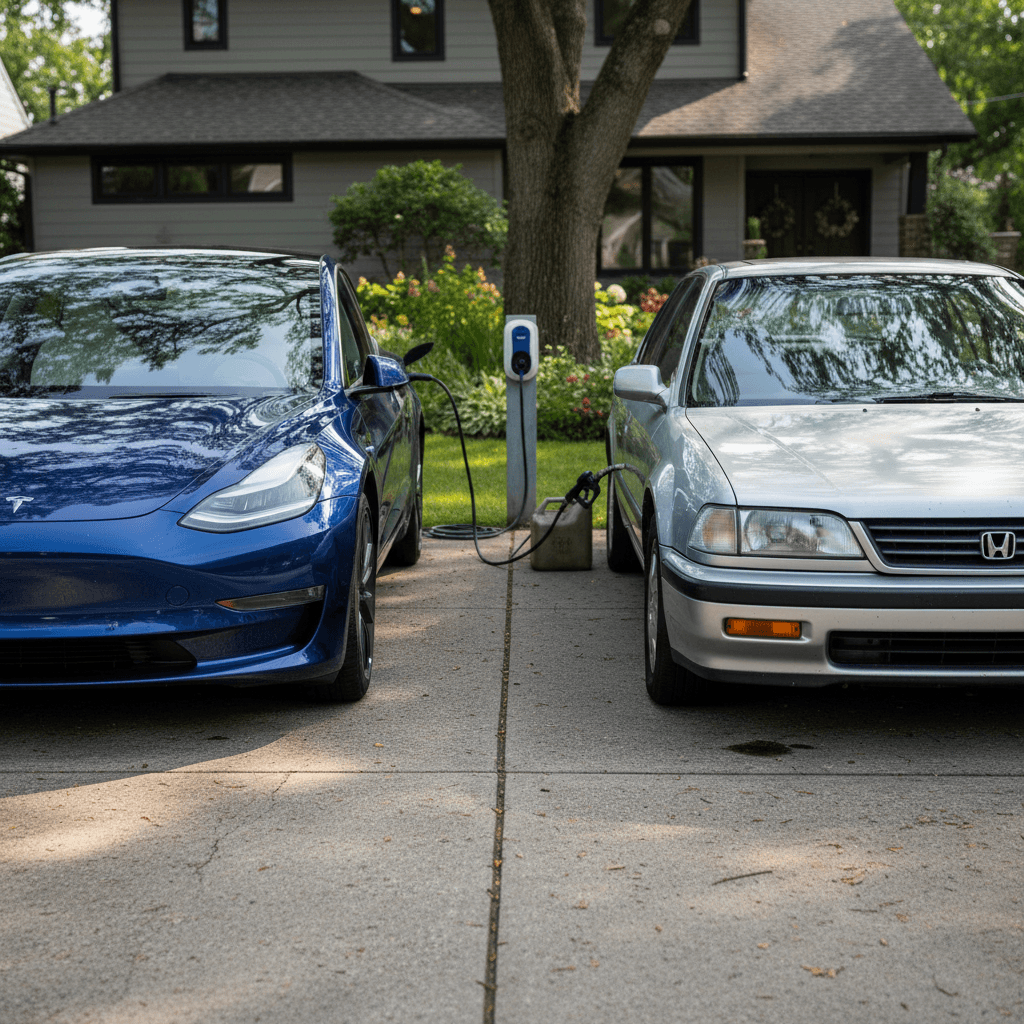
The biggest psychological hurdle for Accord owners isn’t range, it’s replacing the gas station ritual. Instead of planning when to stop for fuel, you plan where the car will be parked long enough to charge.
Your refueling routine: before and after
Same commute, very different habits
In a Honda Accord
- Gas station stops every 5–7 days.
- 5–10 minutes pumping plus detour time.
- Always full range when you leave the station.
In a Tesla Model 3
- Plug in at home overnight; you wake up with 80–100% most days.
- Rarely stop at public chargers unless on road trips.
- Charging happens while you sleep or work, not as a separate errand.
Quick charging readiness checklist for Accord owners
1. Do you have reliable off-street parking?
A driveway or garage with access to a 120V or 240V outlet makes Tesla ownership dramatically easier. Relying solely on public charging is possible, but it turns fuel into a chore again.
2. Can you install a 240V outlet or wall connector?
Level 2 charging (240V) turns an overnight plug-in into 25–40 miles of range per hour. If you’re renting, ask your landlord or consider a portable Level 2 charger that uses existing dryer or RV outlets.
3. How often do you take long road trips?
If most of your driving is local, home charging will cover nearly everything. For road trips, the Supercharger network fills the gap, but plan for 20–30 minute charging stops instead of 5-minute gas stops.
4. Is public charging near your regular routes?
Check apps like PlugShare, ChargePoint and Tesla’s own map. If you live in an apartment-heavy area without much infrastructure, a Model 3 can work, but you’ll need a clear routine.
Think in "overnights", not gallons
Comfort, space and practicality
Dimensionally, the Model 3 lives in the same neighborhood as the Accord, but it packages space differently. You lose some traditional sedan trunk height but gain a large under-floor well and a front trunk (frunk).
Space and usability: Accord vs Model 3 at a glance
How the two cars compare for passengers and cargo in everyday use.
| Area | Honda Accord | Tesla Model 3 | What Accord owners notice |
|---|---|---|---|
| Front seats | Supportive, traditional cockpit | Minimalist, more bolstered | Model 3 seats feel more enveloping; controls are moved to the touchscreen and stalks. |
| Rear seats | Plenty of knee room, generous headroom | Good knee room, tighter headroom for tall adults | 6-foot-plus passengers may feel the Tesla’s sloping roof sooner than in an Accord. |
| Cargo | Conventional trunk, wide opening | Trunk + frunk, deeper floor | Overall capacity is similar or better; the frunk is ideal for charging cables and groceries. |
| Interior controls | Buttons, knobs, analog cluster | Single central screen + stalks | Takes a week or two to build muscle memory, but daily tasks become second nature. |
Exact measurements vary by model year and trim, but this captures the experience Accord owners report when moving to a Model 3.
Screen shock is real (for a week)
Reliability and battery health when you’re coming from a Honda
This is where expectations need the most adjustment. The Honda Accord has decades of data behind it as one of the most reliable mainstream cars on the market. Tesla, and the Model 3 specifically, is more nuanced: drivetrain and battery durability are generally strong, but build quality, suspension components and some electronics don’t always live up to Honda’s reputation.
How reliability feels day-to-day
What Accord owners usually experience after switching
Battery & motor
Build & hardware
Software & electronics
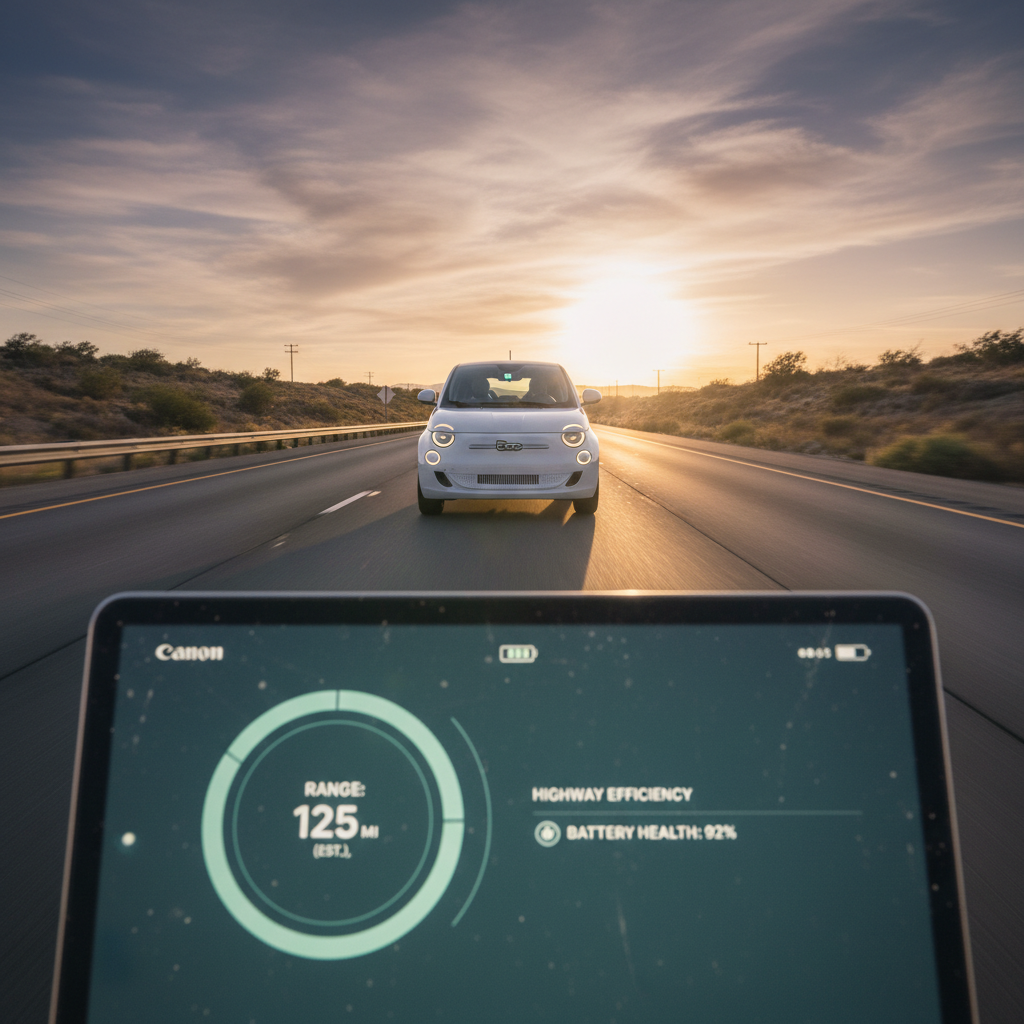
Don’t guess on battery health
“The Accord has set the benchmark for painless ownership for decades. A good Model 3 won’t be as invisible in your life as an Accord, but when you line up the driving experience and total running costs, many owners decide that trade-off is worth it.”
Used Tesla Model 3 checklist for former Accord owners
If you’re moving from an Accord to a used Model 3, you’re already used to buying cars that age gracefully. Teslas can, too, but you have to be more intentional about what you inspect.
Key items to check before you buy a used Model 3
1. Battery health and DC fast-charging history
Ask for objective battery health data, not just someone’s screenshot. Tools behind the <strong>Recharged Score</strong> look at pack behavior over time, not just one range estimate. Heavy DC fast-charging use isn’t automatically bad, but it’s a flag to interpret with data, not fear.
2. Suspension and tire wear
The Model 3’s extra weight and torque are harder on tires and suspension than an Accord. Listen for clunks over bumps, inspect tires for uneven wear, and budget for earlier replacements if you’re buying a high-mileage car.
3. Panel gaps, water leaks, and rattles
Early Model 3s, in particular, can have inconsistent panel alignment and trim. Run your hand along door and trunk seals, check the trunk and frunk for signs of moisture, and drive on a rough road to listen for interior noises.
4. Software, Autopilot and safety features
Make sure the car has all the driver-assistance and safety features you expect and that they’re working correctly. Confirm which options are tied to the car (e.g., basic Autopilot vs Enhanced) and which might require a subscription.
5. Charging equipment and connector standard
Confirm which connector the car uses (all U.S. Model 3s are moving to <strong>NACS</strong>) and what charging cables and adapters are included. Replacing missing gear can add hundreds of dollars.
6. Service history and warranty coverage
Unlike Hondas, where any independent shop can handle most work, Tesla service is more centralized. Review service invoices for recurring issues, check remaining battery and drive-unit warranty, and factor that into your offer.
Where Recharged changes the used-Tesla equation
When a Tesla Model 3 will not feel like an upgrade
It’s easy to treat the Model 3 as an automatic upgrade from an Accord. For many owners, it is. But there are clear cases where it can feel like a step sideways, or even backwards, despite the tech and performance.
- You hate firm rides. If you already think your Accord rides too stiffly on 19" wheels, the Model 3’s chassis tuning may annoy you, especially on broken pavement.
- You can’t charge at home or work. Living on public charging alone is possible but tedious. If your building or employer won’t help, an Accord (or Accord Hybrid) remains far simpler.
- Your insurance budget is tight. If an extra $80–$150 per month in premiums breaks your budget, the math can tilt back toward a gas or hybrid sedan.
- You keep cars for 12–15 years. Teslas can absolutely last, but if you tend to own vehicles well past 200,000 miles, you’re leaving the data-rich world Honda occupies and entering a less predictable frontier.
Run the full 5–7 year math
How Recharged helps Honda owners switch confidently
If you’re used to the transparency and predictability of Honda ownership, the EV learning curve can feel steep. Recharged is built to flatten that curve, especially for buyers coming out of dependable gas cars like the Accord.
What you get with a used Model 3 from Recharged
Designed for shoppers who expect Honda-like peace of mind
Recharged Score battery report
Fair, data-backed pricing
Nationwide delivery & support
Ready to find your next EV?
Browse VehiclesRecharged also offers financing options tailored to EVs, instant offers or consignment for your outgoing Accord, and an Experience Center in Richmond, VA if you’d rather talk through the switch in person before you commit.
FAQ: Honda Accord owner switch to Tesla Model 3
Frequently asked questions from Honda owners
Bottom line: should you move from Accord to Model 3?
If your Honda Accord has been the definition of low-drama transportation, the Tesla Model 3 will feel like a much more opinionated tool. It’s quicker, quieter, and more efficient, but also more demanding about how and where you "refuel," and less bulletproof in its fit-and-finish than a typical Honda.
The switch makes the most sense if you can charge at home, drive at least a moderate number of miles each year, and are comfortable trading rock-solid, old-school simplicity for software-driven performance and lower running costs. If that sounds like you, a well-vetted used Model 3, backed by a Recharged Score, transparent pricing and EV-specialist support, can be a genuinely compelling upgrade from an Accord, not just a sideways move into the latest automotive fashion.