If you’re new to electric cars or hybrids, regenerative braking can feel like a magic trick. You lift off the accelerator, the car slows down, and somehow you’re charging the battery instead of wasting energy as heat. Understanding how regenerative braking works will help you drive more efficiently, compare vehicles confidently, and know what to look for when you’re buying a used EV.
In plain English
What is regenerative braking?
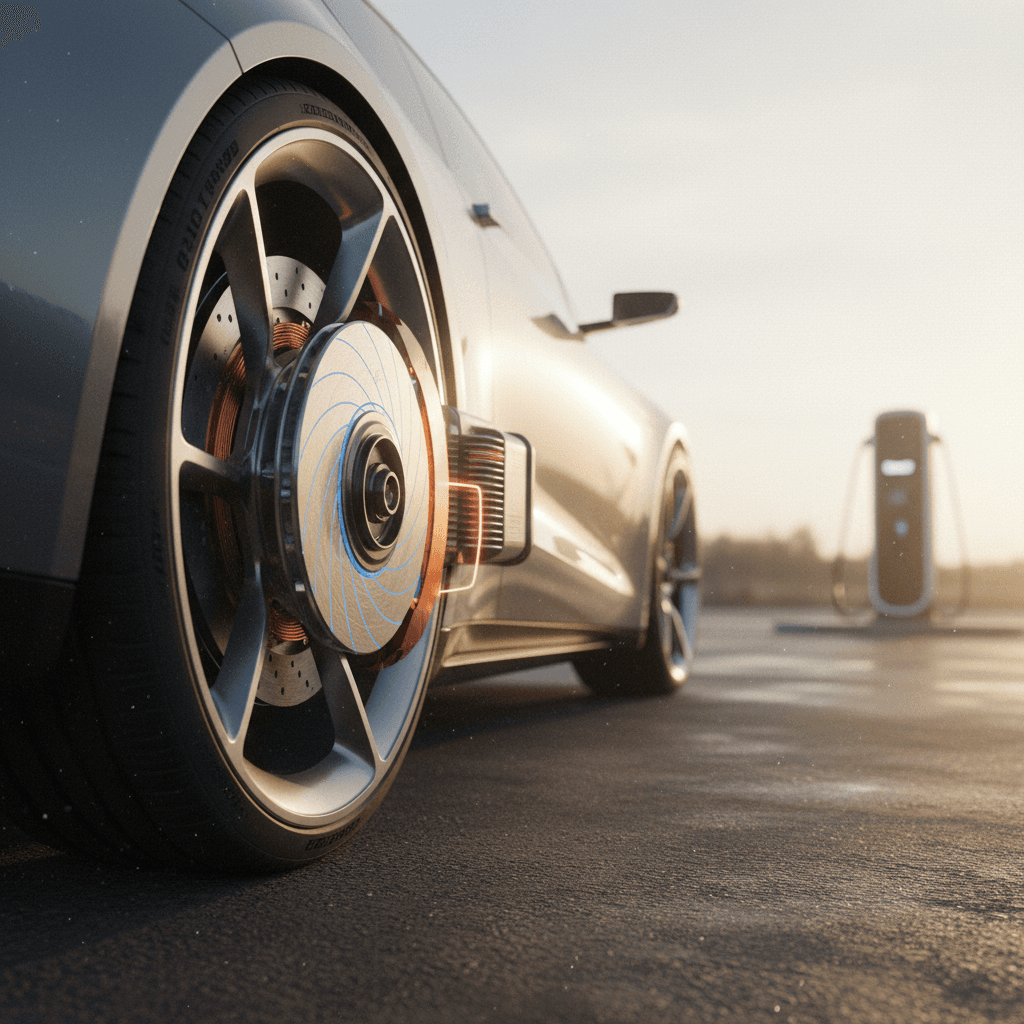
Every time you slow a gas car with conventional brakes, the car’s kinetic energy is turned into heat in the brake pads and rotors and lost forever. Regenerative braking is an energy recovery system found in hybrids and electric vehicles that captures part of that kinetic energy and converts it into electrical energy.
- In normal driving, the electric motor uses electricity from the battery to turn the wheels.
- When you slow down, the system flips the script: the wheels spin the motor, and it behaves like a generator.
- The generator sends electricity back into the high‑voltage battery for later use.
Think of it like pedaling a bicycle with an attached generator that powers a light. When you pedal, you move forward. When the wheel turns the generator, you feel drag and the light comes on. Regenerative braking does the same thing at automotive scale, and the drag you feel is what slows the car.
How much energy can regenerative braking recover?
Don’t over-read the numbers
How regenerative braking works, step by step
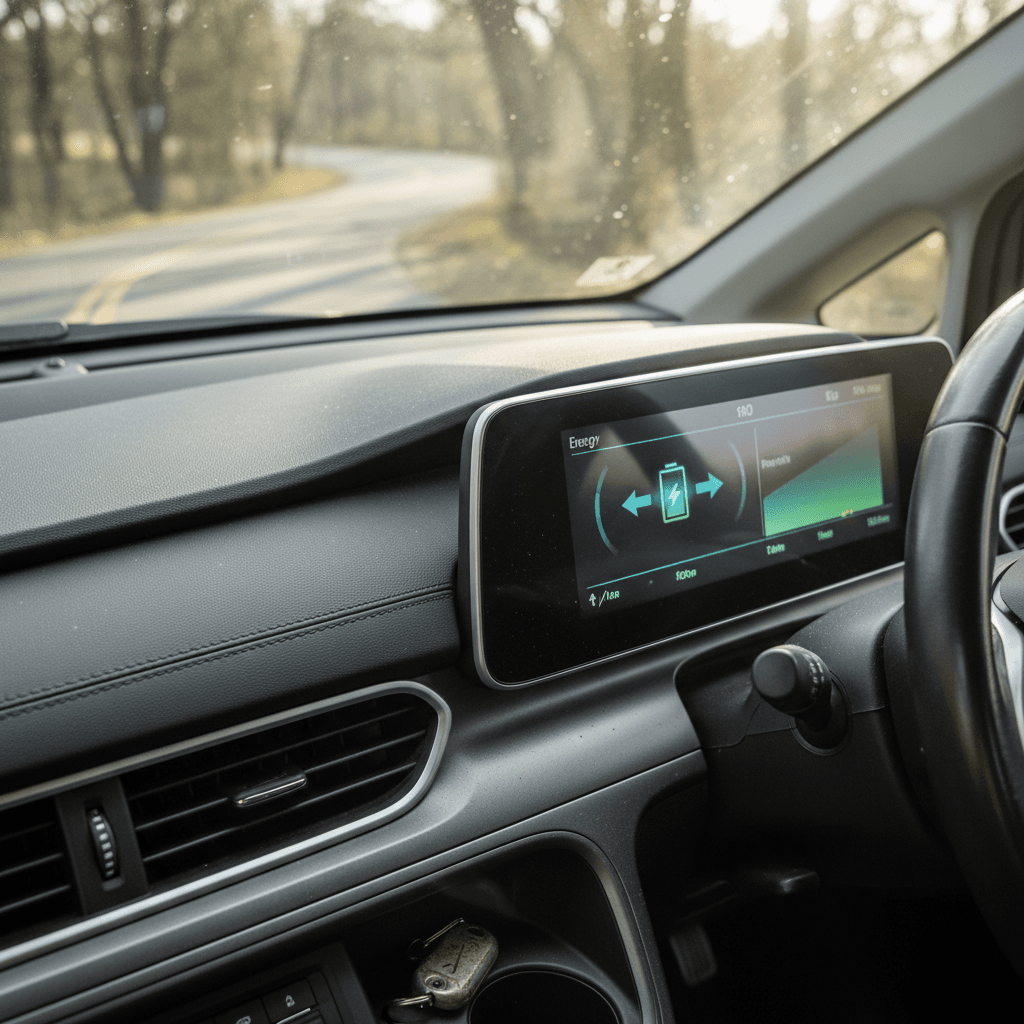
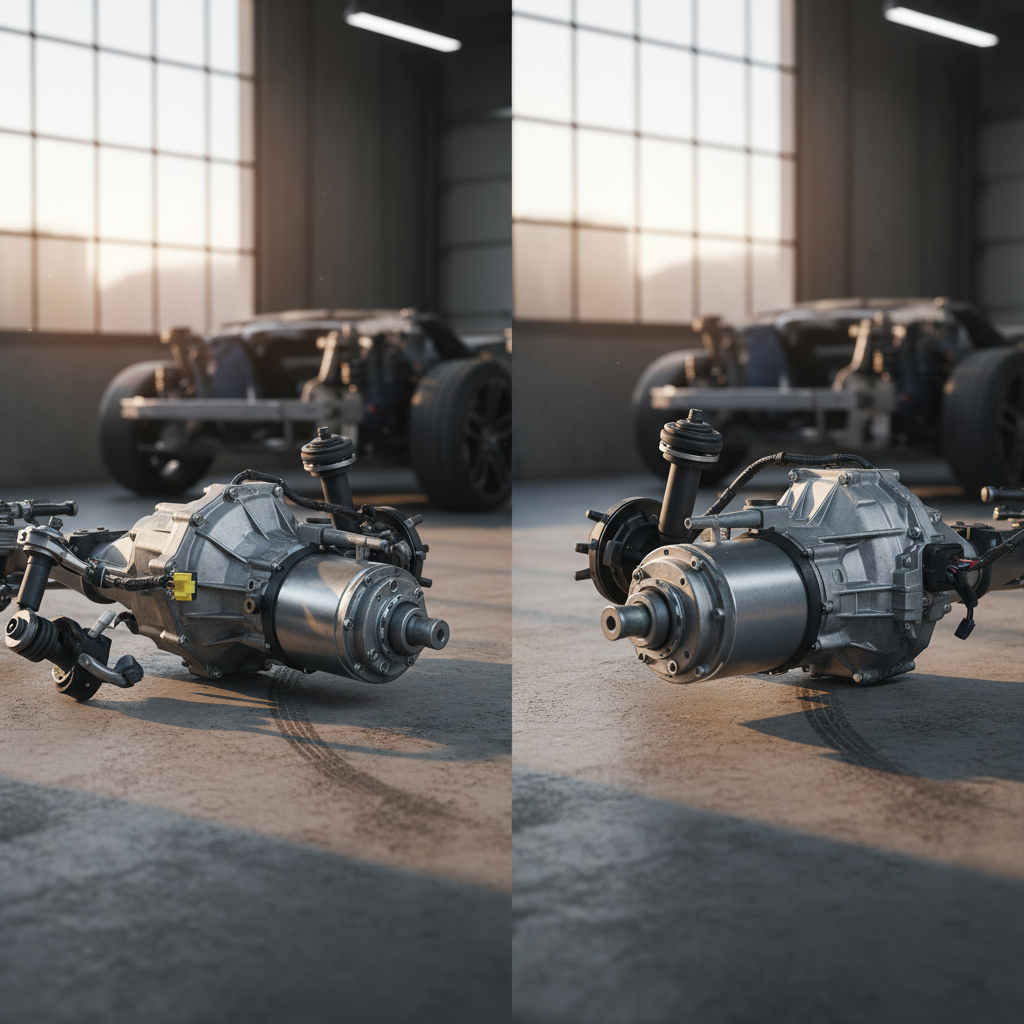
Under the skin, regenerative braking is mainly a smart way of using hardware you already have: the electric motor, inverter and battery. Here’s the basic flow.
- Acceleration: The battery sends DC power to the inverter. The inverter turns it into AC power for the motor, which creates torque and spins the wheels forward.
- Cruising: The motor uses less power but still operates in “drive” mode, maintaining speed.
- Lift-off or braking: When you lift off the accelerator or press the brake pedal, the inverter changes how the motor is controlled so that the wheels now drive the motor.
- Generator mode: Spun by the wheels, the motor becomes a generator. Instead of consuming current, it produces it, sending electricity back through the inverter to the battery.
- Electrical drag = braking force: As the generator pushes electricity into the battery, it resists turning. That resistance is felt at the wheels as a braking torque that slows the car.
Easy way to picture it
When does regenerative braking actually kick in?
Different cars handle this a little differently, but most hybrids and EVs engage regenerative braking in three common situations:
Common ways regenerative braking activates
You may feel different levels of "engine braking" depending on mode and pedal input.
1. Lifting off the accelerator
2. Pressing the brake pedal
3. Coasting downhill
Modern control systems constantly juggle driver inputs, wheel speed, grip and battery state of charge to decide how much regen is available at any moment. If the battery is nearly full or very cold, regen will be limited and the system will rely more on traditional friction brakes.
Regenerative braking vs regular friction brakes
Regenerative braking
- Uses the electric motor as a generator.
- Slows the car by creating electrical drag in the drivetrain.
- Recovers some energy and stores it in the battery.
- Strongest at moderate speeds and when the battery can accept charge.
- Produces virtually no brake dust or rotor heat.
Friction braking
- Uses pads squeezing against metal brake rotors.
- Slows the car by turning motion into heat.
- Wastes energy but works in all conditions.
- Critical for hard stops, low speeds, emergencies and when regen is limited.
- Creates wear and brake dust over time.
Blended braking is the norm
Key benefits: range, brake wear and comfort
Why regenerative braking matters to you
It’s not just a technology story, it changes ownership costs and driving feel.
More efficient driving
Less brake wear
Smoother, quieter deceleration
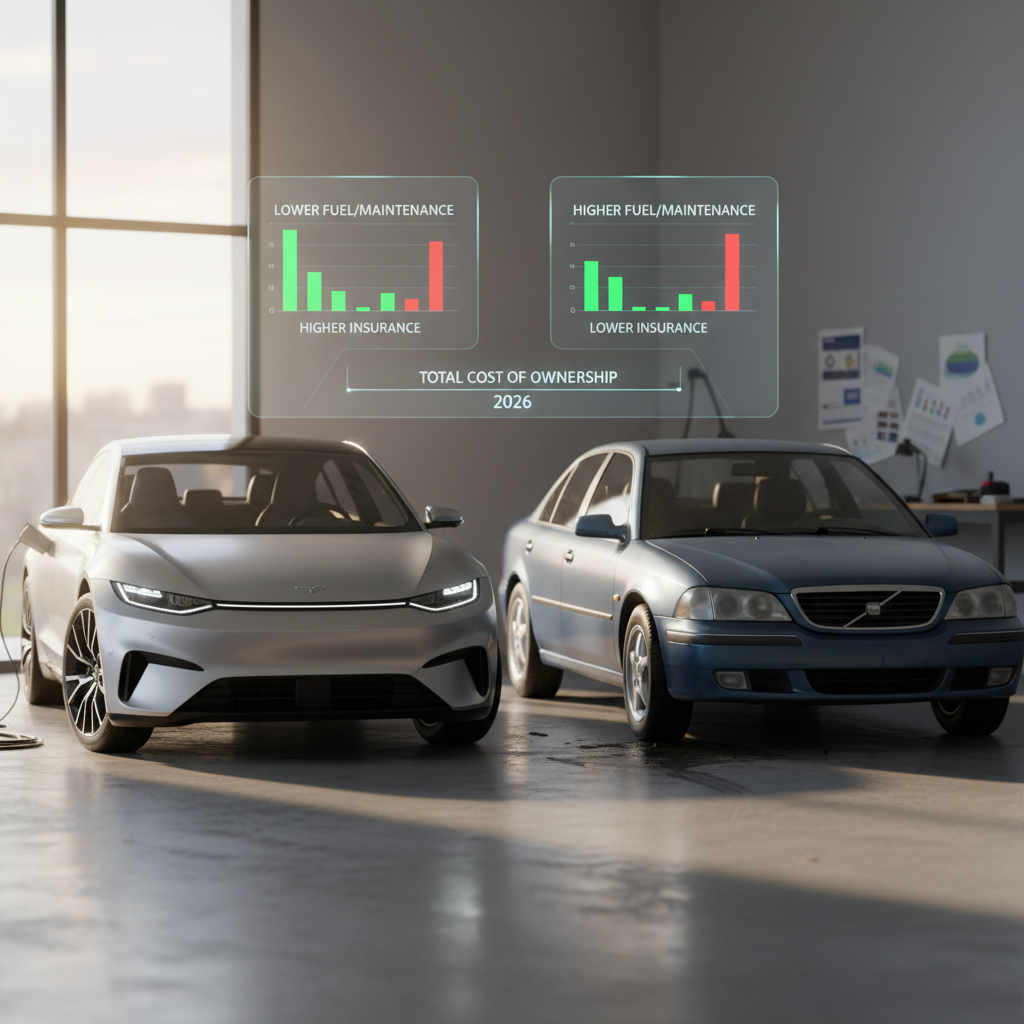
From a buyer’s perspective, these benefits translate into lower running costs, more predictable range in traffic, and a more relaxed drive once you’re used to the feel.
Limits of regenerative braking (and when it can’t help)
As impressive as it is, regenerative braking isn’t a free pass to ignore your conventional brakes or range planning. There are real limits built into the physics and the hardware.
- Battery is nearly full: If the high‑voltage battery is close to 100% state of charge, it can’t safely accept much more power. The car will sharply reduce regen and lean on friction brakes instead.
- Very cold or very hot battery: Battery chemistry prefers a comfortable temperature range. In extreme cold or heat, regen power is often limited to protect the pack, and the car again falls back on friction braking.
- Hard emergency stops: In a panic stop, the hydraulic brakes and ABS do almost all the work because they can deliver much higher peak deceleration and manage each wheel independently.
- Very low speeds and final stop: As you roll to walking pace and below, the motor’s ability to generate useful braking torque falls off, so friction brakes complete the stop.
- Traction or stability limits: On slippery surfaces where ABS or stability control is intervening, the system may reduce or disable regen to keep braking at each wheel precisely controlled.
Safety still comes first
Driving modes, regen levels and one-pedal driving
Most modern EVs let you choose how aggressive you want regenerative braking to feel. Automakers use different terms, but the ideas are similar.
Common regenerative braking settings
Names vary by brand, but these are the patterns you’ll see.
Adjustable regen levels
One-pedal driving
Adaptive / auto modes
How to get comfortable with one-pedal driving
Does regenerative braking affect battery health?
It’s natural to wonder whether constantly charging the battery with regen is "hard" on it. The short answer: regenerative braking is baked into the battery’s design envelope and is usually gentler than a fast DC charge at a public station.
- Regen power levels are typically well within what the pack and cooling system are designed to handle in normal driving.
- Battery management software limits regenerative power when the pack is very full or in extreme temperatures, which protects long‑term health.
- Compared with repeated high‑power fast charging, the pulses of regen during everyday driving are shorter and less intense.
Net positive for longevity
Regenerative braking checklist for used EV shoppers
If you’re shopping for a used EV or plug‑in hybrid, regenerative braking is one of those features that can quietly improve day‑to‑day ownership. Here’s how to factor it into your decision.
What to check about regenerative braking on a test drive
1. Try different regen modes
Cycle through Eco/Normal/Sport or "B" modes, if offered. Make sure each mode clearly changes how strongly the car slows when you lift off the accelerator.
2. Test one-pedal driving
In the strongest regen setting, see whether you can comfortably slow the car for typical stops without touching the brake pedal until the very end.
3. Feel the handoff to friction brakes
In normal stops, the transition from regen to friction braking should be smooth and predictable, not grabby or inconsistent.
4. Listen for noises and vibration
Mild whirring from the motor is normal during regen, but grinding, scraping or shuddering under braking can indicate worn rotors or pads that need attention.
5. Check for warning lights
Any ABS, stability control or brake system warnings on the dash should be investigated. Regen relies on these systems working correctly.
6. Review battery health
Because regen feeds energy back into the pack, battery condition matters. A detailed battery health report, like the Recharged Score, gives you a clearer picture before you buy.
How Recharged can help
Regenerative braking FAQs
Frequently asked questions about regenerative braking
Bottom line: what regen means for everyday driving
Regenerative braking is one of the unsung heroes of modern hybrids and electric vehicles. By turning deceleration into useful energy instead of waste heat, it stretches your range, trims your brake maintenance and changes how the car feels to drive, especially in traffic.
Once you understand how it works and how to use different regen settings, you can tailor the driving experience to your taste, from traditional coasting to nearly one‑pedal operation. And if you’re evaluating a used EV, paying attention to how smoothly regen operates, alongside a solid battery health report, will help you choose a car that feels great now and will keep delivering those benefits for years to come.