Cross-shopping the Honda Prologue vs Subaru Solterra puts two very different takes on the electric SUV formula in front of you. The Prologue leans into long-range comfort and GM-based Ultium tech, while the Solterra is Subaru’s outdoorsy AWD EV with standard X-MODE traction and a more compact footprint. Understanding how they differ on range, charging, comfort, and value will help you pick the better fit for your life, new or used.
Quick takeaway
Overview: Honda Prologue vs Subaru Solterra
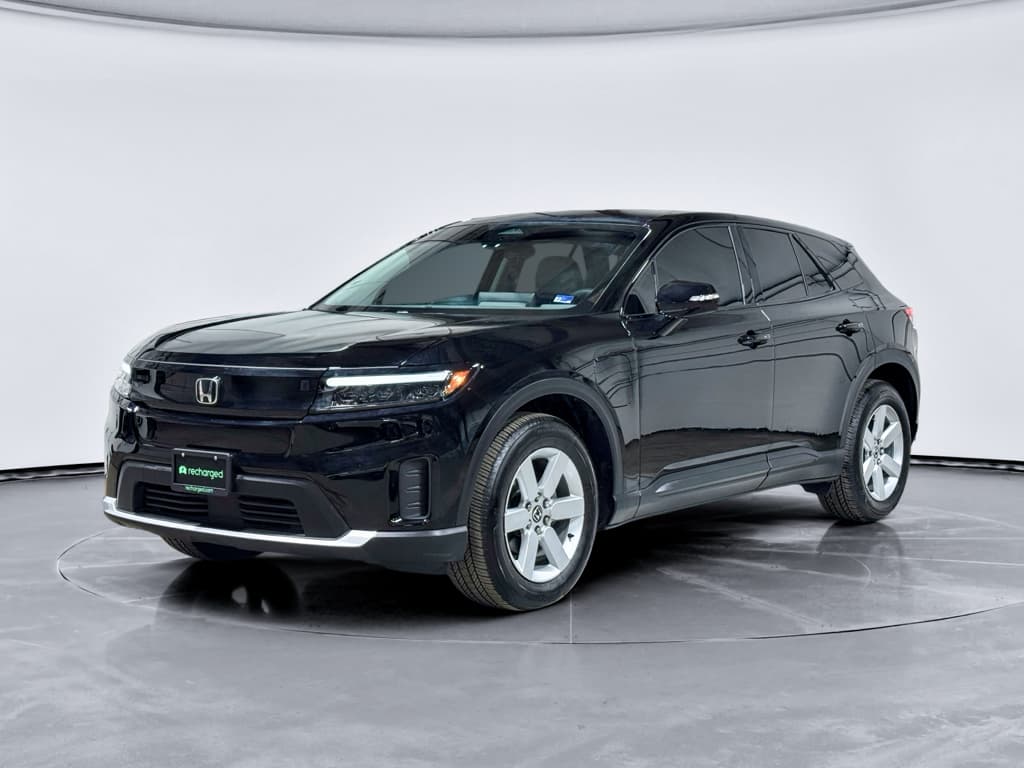
The Honda Prologue is a midsize electric SUV built on GM’s Ultium platform, sharing a lot of its hardware with the Chevrolet Blazer EV. Every Prologue uses an 85 kWh battery pack and offers front-wheel-drive or dual-motor all-wheel-drive, with EPA range up to the high-200s miles depending on trim and wheels. Honda tuned it for smooth, quiet cruising and strong DC fast-charging, more road-trip flexibility than many rivals in this class.
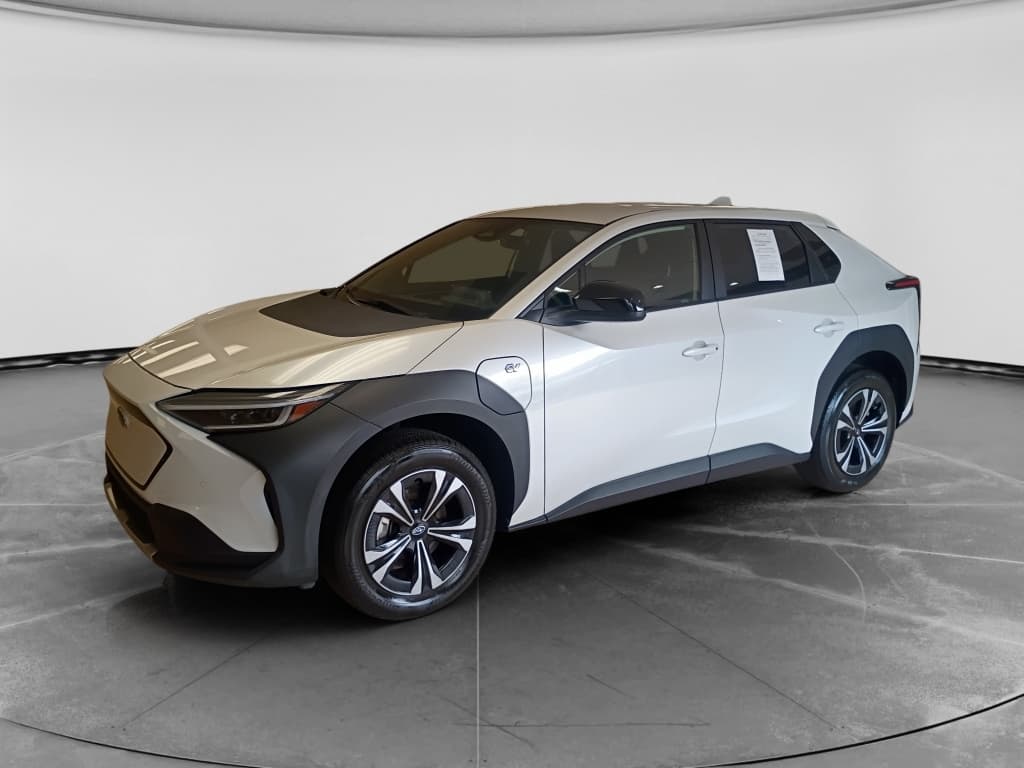
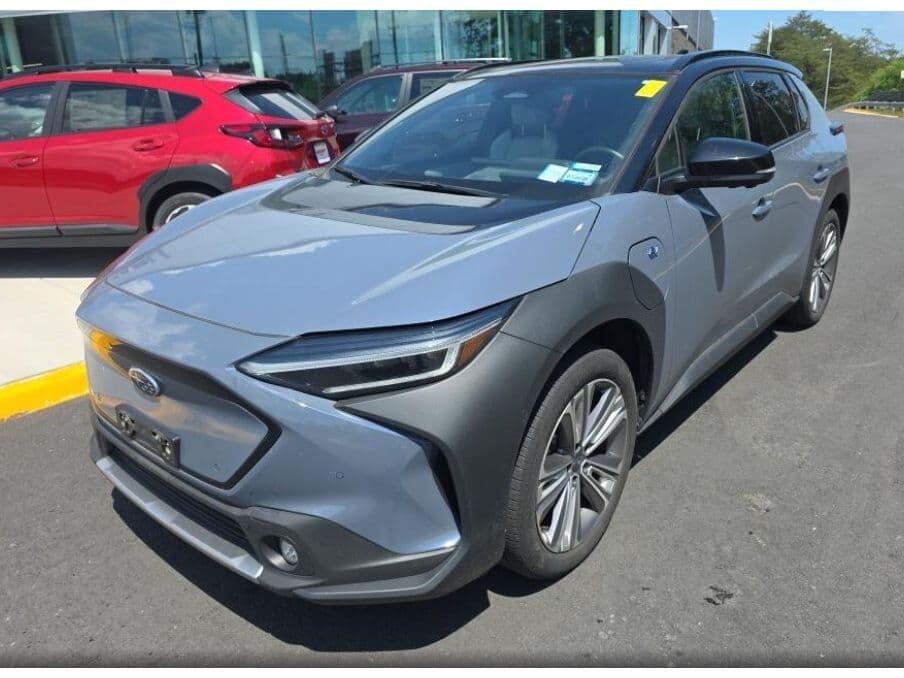
The Subaru Solterra is Subaru’s first mainstream EV, co-developed with Toyota’s bZ4X. It uses a roughly 72.8 kWh battery, comes only with dual-motor AWD in the U.S., and delivers EPA-rated range in the low-to-mid 200-mile band for 2023–2025 models. Subaru focuses on traction and efficiency more than outright speed or blistering charging, pairing its all-wheel-drive system with X-MODE and decent ground clearance for light off-roading and bad-weather confidence.
Honda Prologue vs Subaru Solterra: Fast Facts
Key Specs at a Glance
Core specs: Honda Prologue vs Subaru Solterra
High-level comparison of battery size, drivetrain, range, and charging hardware.
| Spec | Honda Prologue | Subaru Solterra |
|---|---|---|
| Battery capacity | 85 kWh (usable) | ≈72.8 kWh |
| Drivetrain | FWD or dual-motor AWD | Dual-motor AWD (US) |
| Typical EPA range* | ≈273–296 mi (FWD), mid‑200s (AWD) | ≈222–227 mi (early years), improving with software tweaks |
| Max DC fast charge | Around 150–155 kW peak | Around 100–150 kW peak, conservative curve |
| Onboard AC charger | ≈11.5 kW | 6.6 kW |
| Size class | Midsize SUV | Compact-to-midsize SUV |
| Ground clearance | More crossover than off-roader | Higher clearance with X-MODE for light trails |
| Charging port (US) | CCS today → NACS support via adapter/updates over time | CCS on earlier years, NACS port appearing on 2026+ models |
Exact range and pricing vary by model year and trim; always confirm numbers for the specific vehicle you’re considering, especially on the used market.
Spec sheet vs real life
Range and Efficiency: Who Goes Farther?
If you care most about how far you can go on a full battery, the Honda Prologue has a clear edge. Thanks to its larger 85 kWh pack and relatively slippery shape, front-drive Prologue trims can deliver around 290+ miles of EPA range in ideal configurations. All-wheel-drive versions land a bit lower, but you’re still generally looking at a useful bump over the Solterra, especially at highway speeds.
The Subaru Solterra focuses on efficiency with a smaller battery. Early U.S. models carry EPA range ratings around 222–227 miles depending on wheels and trim, though efficient drivers in mild weather often report more. Subaru’s conservative battery buffers also aim to protect long-term battery health, which helps if you’re planning to keep the vehicle for many years or buy it used once depreciation has done its work.
Range vs efficiency tradeoffs
How each SUV uses its battery in the real world
Honda Prologue: Longer legs
The Prologue’s larger pack simply gives you more usable miles per charge, especially in highway-heavy driving. If your regular routine includes 150–200 mile days or you’d rather skip a charger on a weekend trip, that extra buffer is worth a lot.
Subaru Solterra: Lean and efficient
The Solterra often posts strong mi/kWh numbers in mixed driving. You’re working with a smaller fuel tank, but it sips instead of gulps. For shorter commutes and frequent home charging, that can be more than enough.
How to think about range for your lifestyle
Charging Speed and Road-Trip Ability
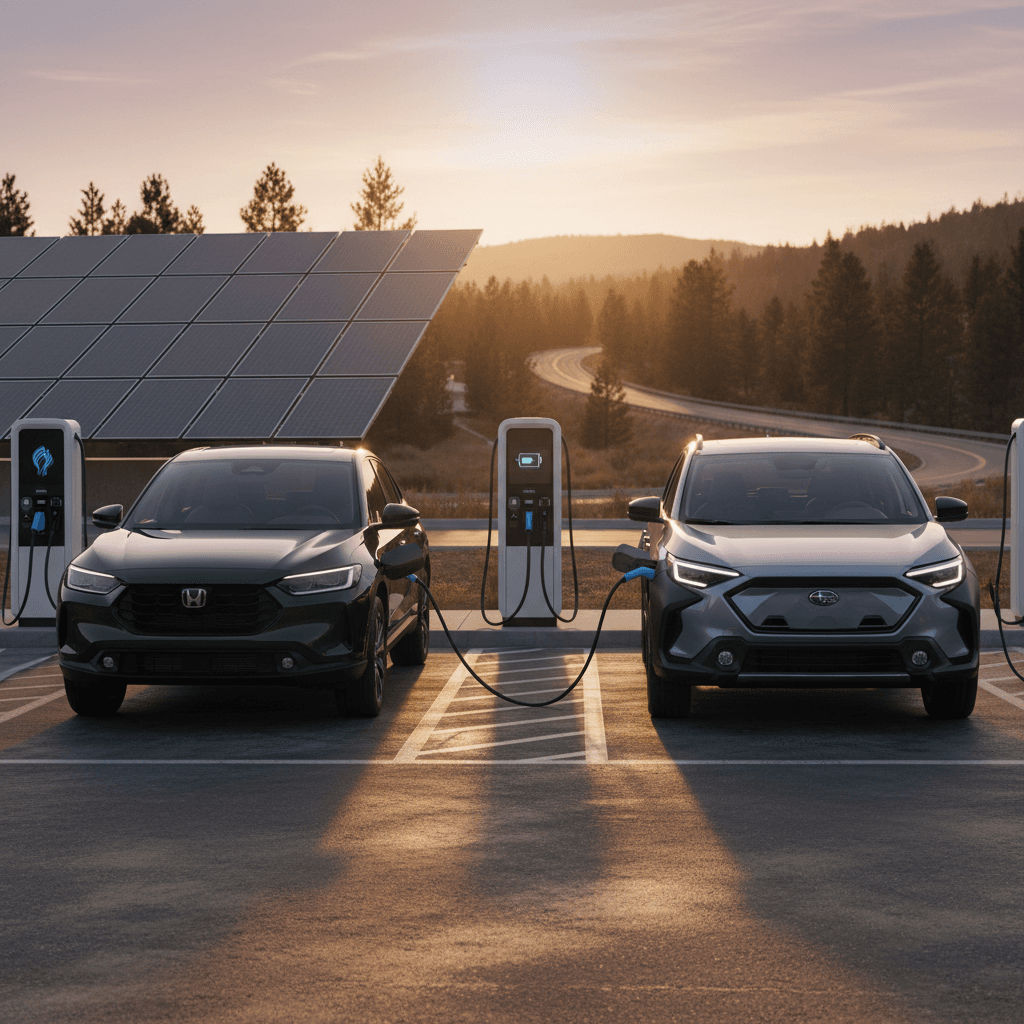
On paper and in practice, the Honda Prologue is the better fast-charging road-tripper. Its Ultium hardware supports DC fast-charging peaks around the mid‑100 kW range, and Honda quotes roughly 65 miles of range added in about 10 minutes on a strong charger for the most efficient trims. The Prologue also supports robust AC charging at around 11.5 kW, which means a full overnight refill is easy on a typical 240V Level 2 home setup.
The Subaru Solterra uses a smaller 6.6 kW onboard charger, so home charging is still fine overnight but slower if you’re trying to top off quickly between errands. DC fast-charging peaks hover closer to 100–150 kW depending on model year and battery temp, but the Solterra’s charging curve is conservative, owners often see good speeds early in the session that taper quickly. Software updates on 2024+ models improve things, but the Solterra still isn’t a class leader at piling on miles quickly at a highway charger.
Charging questions to ask yourself
1. How often will you fast-charge?
If road trips and DC fast-charging stops are a regular thing, the Honda Prologue’s stronger charging hardware and larger battery make life easier.
2. Do you already have Level 2 at home?
If you can charge at 7–11 kW overnight, both SUVs work fine. The Solterra’s 6.6 kW onboard charger is adequate; the Prologue simply has more headroom.
3. Will you rely on public Level 2 charging?
If your home or apartment forces you onto public AC stations for big charges, the Prologue’s higher AC charging rate may save you hours over a month.
4. How cold is your climate?
Both EVs lose range and charging speed in winter. The Solterra’s conservative charging profile can feel especially slow in very cold weather.
Don’t skip preconditioning
Driving Experience, Ride Comfort, and Traction
Honda Prologue: Quiet cruiser
The Prologue feels like a modern midsize crossover first and an EV second. Steering is light, power delivery is smooth, and cabin noise is well controlled. Dual-motor AWD versions bring strong passing power and confident highway merging, while FWD trims prioritize efficiency.
If you’re coming out of a Honda Passport or CR‑V and want something that just feels familiar, only quieter and quicker, the Prologue will feel right at home.
Subaru Solterra: Confident in bad weather
The Solterra drives like a Subaru should: confident grip, easygoing steering, and a chassis that feels at home on rougher roads. Standard dual-motor AWD and X‑MODE off-road drive modes help it dig out of snow, mud, or gravel better than most EV crossovers.
It’s not a performance EV, and charging quirks mean it rewards planning over spontaneity on long trips. But for mountain-town commutes and weekend trailheads, it’s in its element.
Subaru’s all-weather advantage
Interior Space, Tech, and Everyday Practicality
Inside, the Honda Prologue plays the role of the more conventional family SUV. You get a roomy back seat, a large central touchscreen, a straightforward gauge cluster, and storage that feels very similar to other midsize crossovers. It’s a good fit if you regularly haul adults in back or need maximum cargo room for road trips, strollers, or dogs.
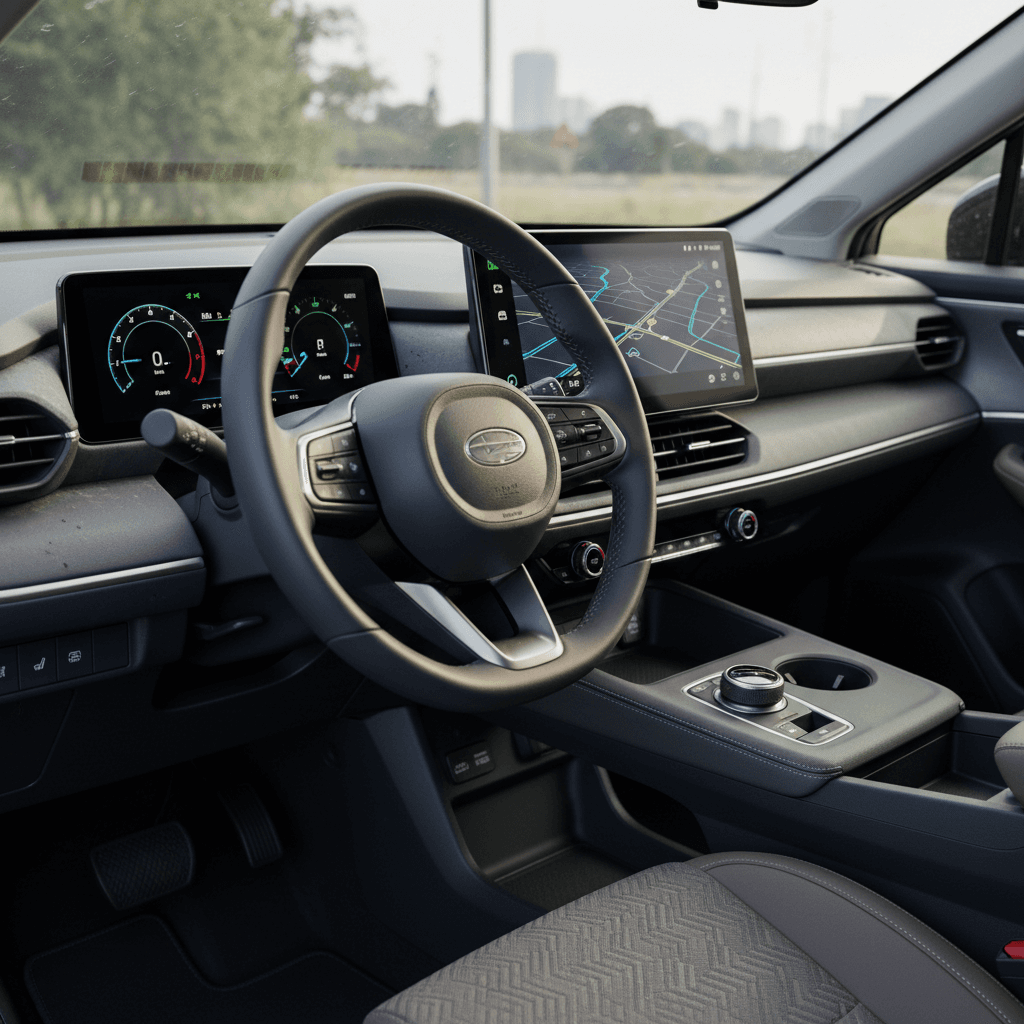
The Subaru Solterra has a slightly quirkier layout, inherited in part from its Toyota sibling. The infotainment system is functional but a bit less polished than the latest GM‑based setups, and the driver display sits high above the steering wheel. Interior and cargo space are solid for a compact SUV, just not as generous as the Prologue’s. Where it shines is visibility and the feeling that you’re driving something built for rough weather, not a delicate tech gadget.
Everyday usability: where each EV shines
Think about your commute, parking, and passengers
Family hauling
Advantage: Honda Prologue. More rear-seat legroom and cargo volume make it easier to carry kids, adults, and their stuff without creative Tetris.
City maneuvering
Advantage: Solterra. Slightly smaller exterior footprint and Subaru-style visibility help in tight parking lots and older urban neighborhoods.
Charging at home
Tie. Both work well with a properly sized Level 2 charger. The Prologue refills faster; the Solterra uses less energy on shorter trips.
Pricing, Incentives, and Used EV Value
MSRPs move around quickly in today’s EV market, but as of 2025–2026 the Honda Prologue generally starts higher than the Subaru Solterra when new, reflecting its larger battery and newer platform. Honda has already announced price cuts on certain trims to stay competitive, and some buyers may qualify for federal or state incentives depending on how final-assembly and battery sourcing rules evolve.
On the used side, both models are interesting. Early Solterras have already taken a depreciation hit thanks to modest range and charging complaints, which can translate into attractive prices for shoppers who mostly drive locally and can charge at home. The Prologue, being newer, will take longer to reach the same discounts but offers more long-term flexibility on range and charging as your needs change.
Watch IRA tax-credit rules
Which EV SUV Is Right for You?
Choose your path: Prologue or Solterra?
Daily commuter & road-tripper
You regularly drive 150+ miles in a day or take frequent highway trips.
Fast DC charging speed matters more than ultimate off-road traction.
You want a cabin that feels close to a conventional midsize SUV.
You’re considering the Honda Prologue, likely in FWD or AWD with smaller wheels for maximum range.
Snow-belt or mountain-town driver
Most of your driving is under 100–150 miles per day.
You regularly see snow, ice, or muddy trailheads.
You value Subaru’s AWD tuning and X‑MODE more than maximum highway range.
You’re leaning toward the Subaru Solterra and can live with slower fast-charging.
Budget-conscious used EV shopper
You’re open to a 1–3‑year‑old EV to save thousands vs. new pricing.
You mainly charge at home and rarely use DC fast chargers.
You’d rather buy a well‑priced Solterra or early Prologue with documented battery health than stretch for a brand-new model.
You plan to shop through a marketplace that provides third‑party battery diagnostics, such as a <strong>Recharged Score</strong> report.
Simple rule of thumb
Buying a Used Prologue or Solterra with Confidence
Both of these EVs will increasingly show up on the used market over the next few years, which is where they become especially interesting. Early Solterras are already trading well below original sticker prices, and high‑mileage Prologues will follow a similar curve as fleets and first owners cycle out of them. The key question for any used EV is simple: What’s the real health of the battery, and is the price fair for that condition?
- Look beyond displayed range. Two Solterras with the same odometer reading can have different real‑world range depending on how they were charged and driven.
- Ask for a third‑party battery health report. A data-backed score, like the Recharged Score, can quantify pack condition instead of guessing from a dash estimate.
- Compare pricing to current new incentives. In a volatile EV market, some new lease deals or tax-credit-eligible models can compete with lightly used pricing.
- Plan your charging reality. If you’ll mostly charge at home, a Solterra with conservative charging behavior may suit you fine; if you expect heavy road-trip use, a Prologue with strong DC performance is safer.
When you shop through Recharged, every vehicle comes with a Recharged Score Report covering verified battery health, fair‑market pricing, and detailed condition. That’s especially important for early EVs like the Solterra and Prologue, where software updates, charging habits, and climate can all shape how the pack has aged.
FAQ: Honda Prologue vs Subaru Solterra
Frequently asked questions
When you line up the Honda Prologue vs Subaru Solterra, the spec sheets tell only part of the story. The Prologue is the range and charging champ, better suited to long-distance driving and traditional SUV duties. The Solterra leans into Subaru’s strengths, standard AWD, all-weather confidence, and outdoorsy practicality. Decide which strengths matter most in your daily life, then shop individual vehicles with an eye on battery health, real-world range, and price. If you’re looking at a used Prologue or Solterra, starting with a Recharged listing that includes a Recharged Score battery-health report can turn a risky guess into a confident decision.