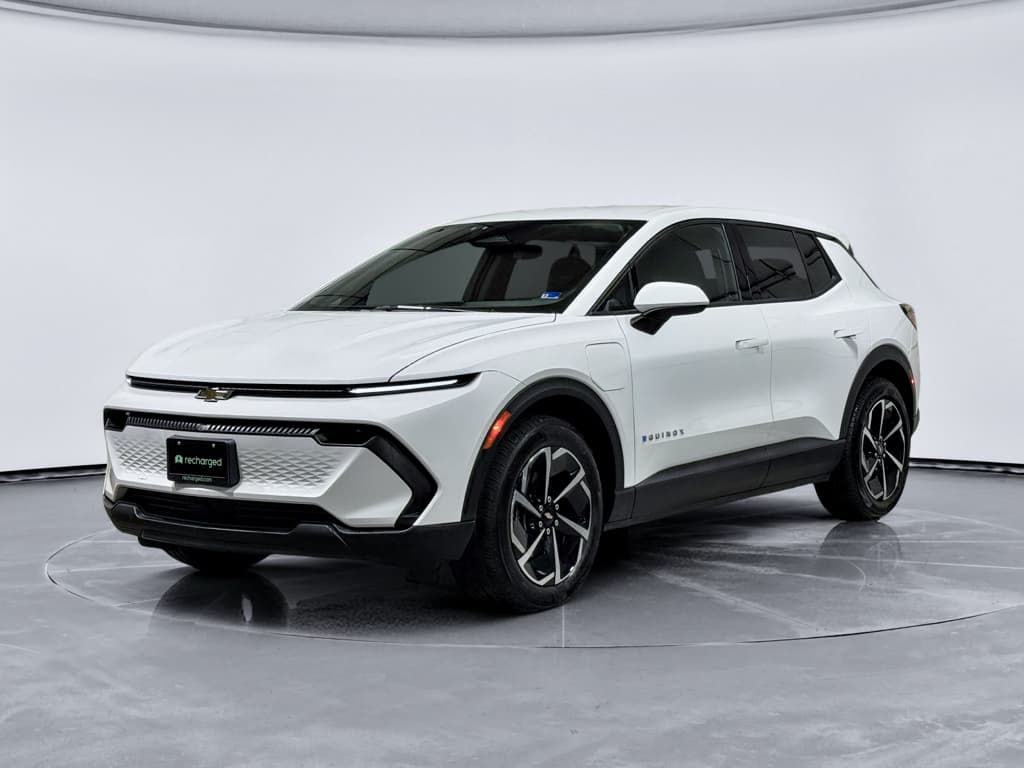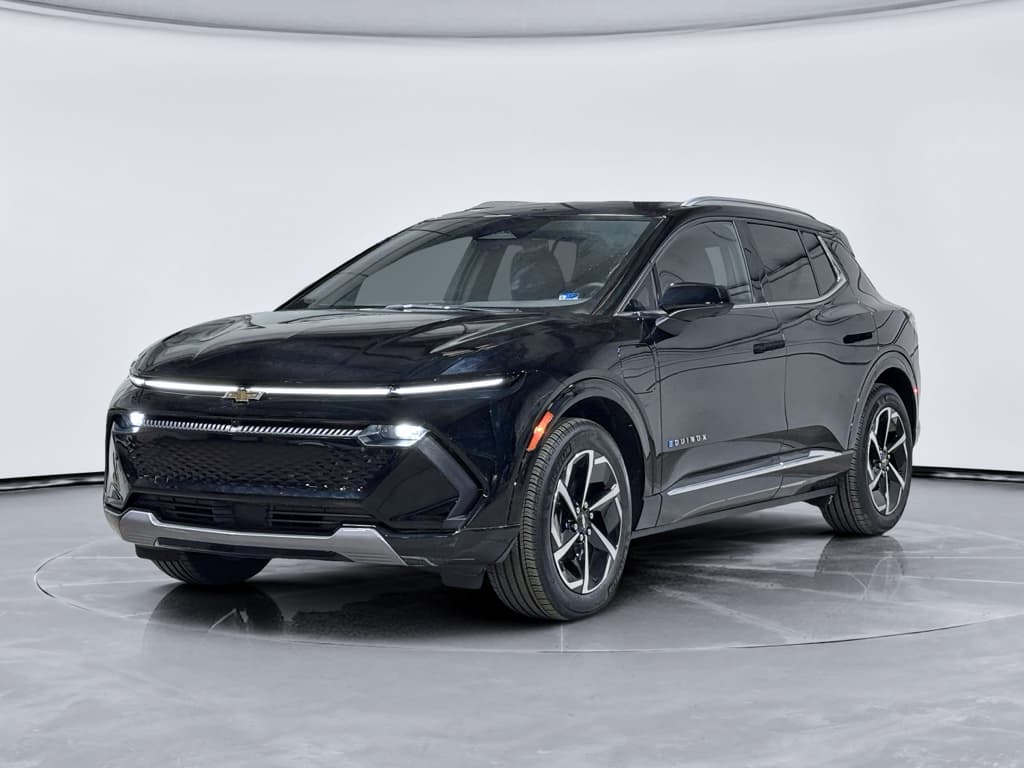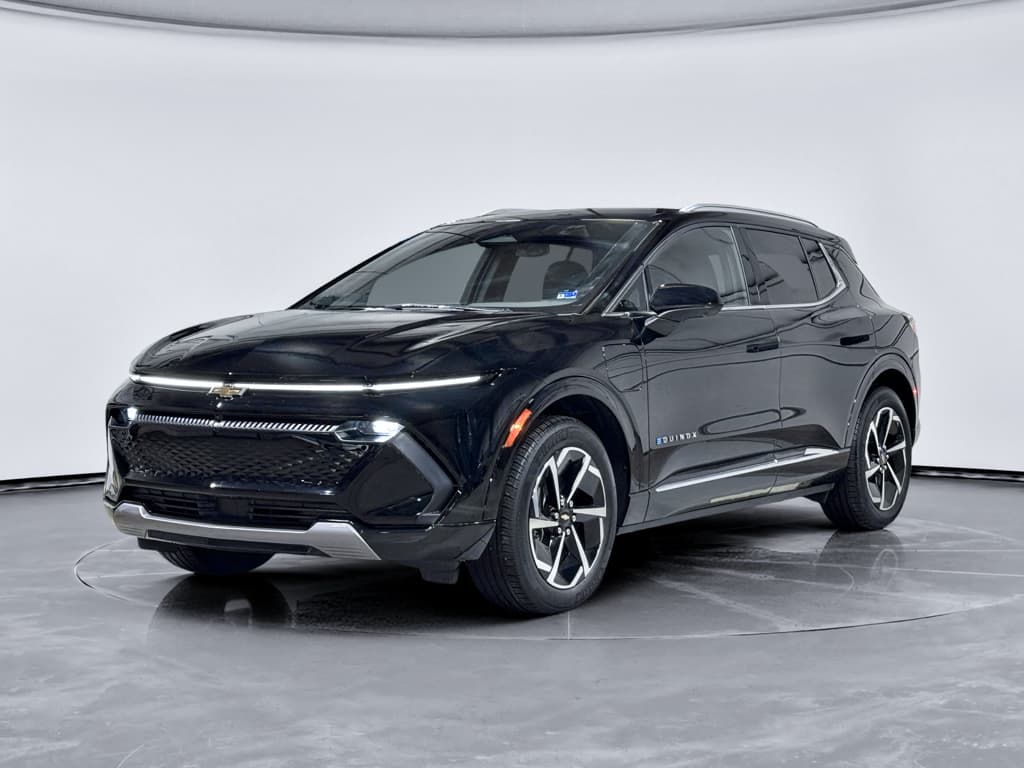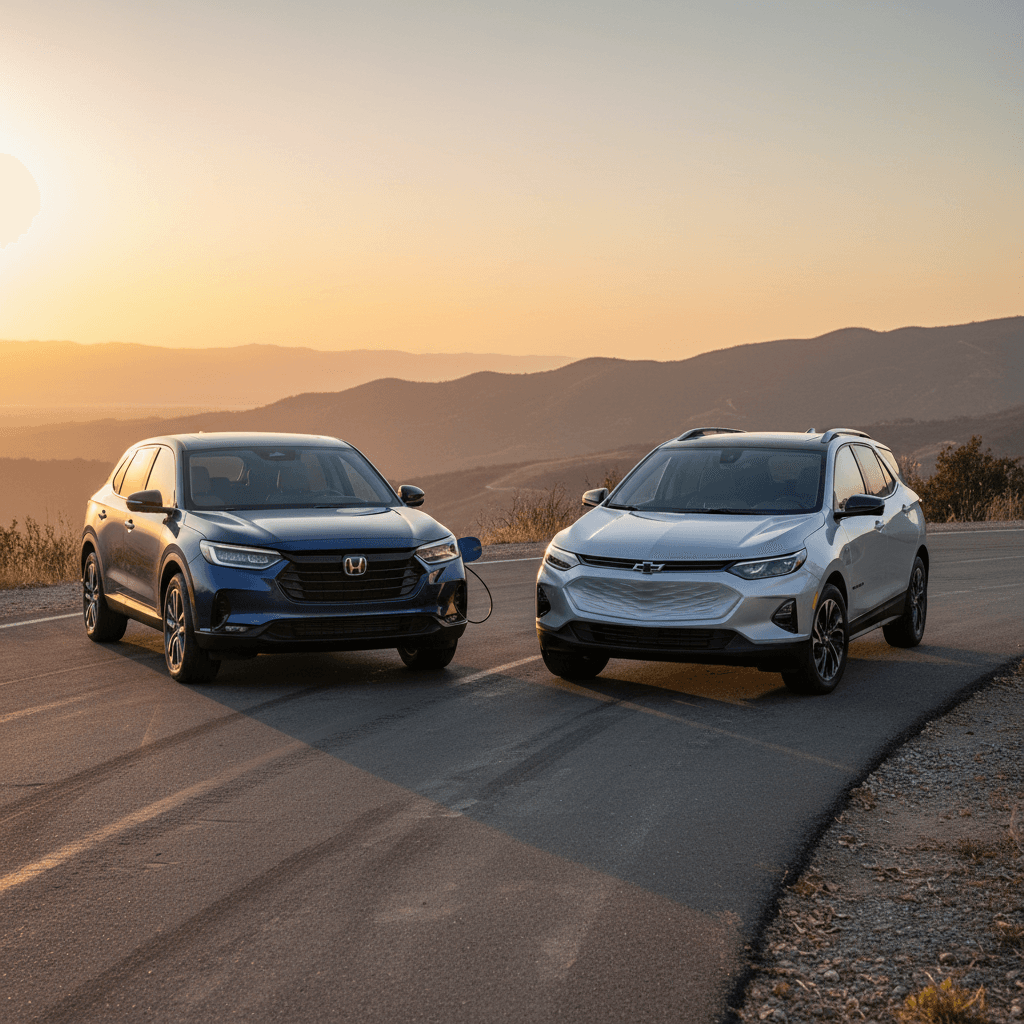
Shopping for a compact electric SUV and torn between the Honda Prologue and the Chevrolet Equinox EV? You’re not alone. Both ride on GM’s Ultium platform, both target mainstream buyers, and both promise 250+ miles of range. But they take very different approaches on price, positioning and ownership experience, differences that matter a lot if you’re planning to keep the vehicle or shop used in a few years.
Same bones, different personalities
Overview: Honda Prologue vs Chevrolet Equinox EV
From a distance, it’s easy to assume the Equinox EV and Prologue are essentially the same SUV with different badges. In practice, they’re aimed at slightly different shoppers. The Equinox EV is Chevy’s mass-market entry, positioned as “the affordable 300‑mile EV,” while the Prologue slots in as Honda’s near‑luxury EV halo, borrowing GM’s hardware but wrapping it in Honda styling, interface and dealership experience.
- Both are compact, two-row electric SUVs on GM’s Ultium platform.
- Both offer single‑motor FWD and dual‑motor AWD powertrains.
- Both deliver 280–320 miles of estimated range depending on configuration.
- Equinox EV emphasizes lower starting price and value trims.
- Prologue emphasizes design, interior quality and Honda brand loyalty.
Tip for cross-shoppers
Quick specs: Prologue vs Equinox EV at a glance
Core specs: Honda Prologue vs Chevrolet Equinox EV
Key numbers for 2024–2025 models. Exact figures vary slightly by trim; always confirm the window sticker before you buy, especially on used examples.
| Spec | Honda Prologue | Chevrolet Equinox EV |
|---|---|---|
| Platform | GM Ultium (co‑developed with GM) | GM Ultium |
| Body class | Compact 2‑row SUV | Compact 2‑row SUV |
| Battery (usable) | ~85 kWh | Similar-class Ultium pack (undisclosed capacity) |
| Max range (FWD) | Up to ~296–308 miles (trim-dependent) | Up to ~319 miles (FWD LT with larger battery) |
| Max range (AWD) | Around 273–281 miles | Around 285 miles |
| Max DC fast charge power | Up to ~150 kW | Up to ~150 kW |
| Drivetrain options | Single-motor FWD or dual-motor AWD | Single-motor FWD or dual-motor AWD |
| Horsepower (FWD/AWD) | ~212 / 288 hp | ~213 / 288 hp |
| Seats | 5 | 5 |
Approximate U.S. specs for common FWD and AWD trims as of early 2025.
Headline numbers that matter most
Pricing and value: Budget-friendly vs near-luxury
This is the first big fork in the road. The Chevrolet Equinox EV is deliberately priced to lure shoppers out of gas crossovers, while the Honda Prologue is closer to a near‑luxury EV with pricing that overlaps higher trims of the Tesla Model Y and Hyundai Ioniq 5.
Chevrolet Equinox EV: Value play
- Chevy has marketed the Equinox EV as one of the most affordable ~300‑mile EVs in the U.S.
- Lower trims with FWD and the larger battery aim squarely at middle‑class budgets.
- Feature content is solid but intentionally not over-the-top to keep MSRPs down.
- Expect more frequent incentives and dealer discounts as volume ramps up.
Honda Prologue: Near-luxury pricing
- MSRPs typically run several thousand dollars higher than comparable Equinox EV trims.
- Standard equipment is generous: big screens, ADAS, and nicer interior materials on most trims.
- Honda often uses strong lease offers to offset higher sticker prices.
- Positioned as Honda’s EV flagship rather than a bare‑bones entry model.
Watch the out-the-door price
Range, battery and charging performance
If you’re driving 12,000–15,000 miles a year, range and charging speed quickly become more important than 0–60 times. The good news: both the Prologue and Equinox EV are genuinely road‑trip capable, especially in their higher‑range FWD trims.
Range and charging: Where each EV SUV shines
Both are capable; the nuances will matter if you road-trip often.
Battery & range
- Equinox EV: Up to around 319 miles of EPA-estimated range in high‑range FWD trims.
- Prologue: Common FWD trims around 296–308 miles; AWD in the mid‑270s to low‑280s.
- Real‑world range will swing with speed, temperature and wheel choice.
Charging speed
- Both SUVs use Ultium packs and support DC fast charging at up to about 150 kW.
- You’re typically looking at roughly 65–75 miles added in 10 minutes on a strong fast charger.
- On Level 2, onboard chargers support around 11–11.5 kW for ~30–36 miles of range per hour.
Charging access
- Both use the CCS/NACS ecosystem, with growing access to major DC networks.
- Adapters and updated ports are improving access to Tesla’s Supercharger network over time.
- Either SUV works fine for a mix of home Level 2 and highway DC fast charging.
Home charging makes both easier to live with
Space, comfort and interior tech
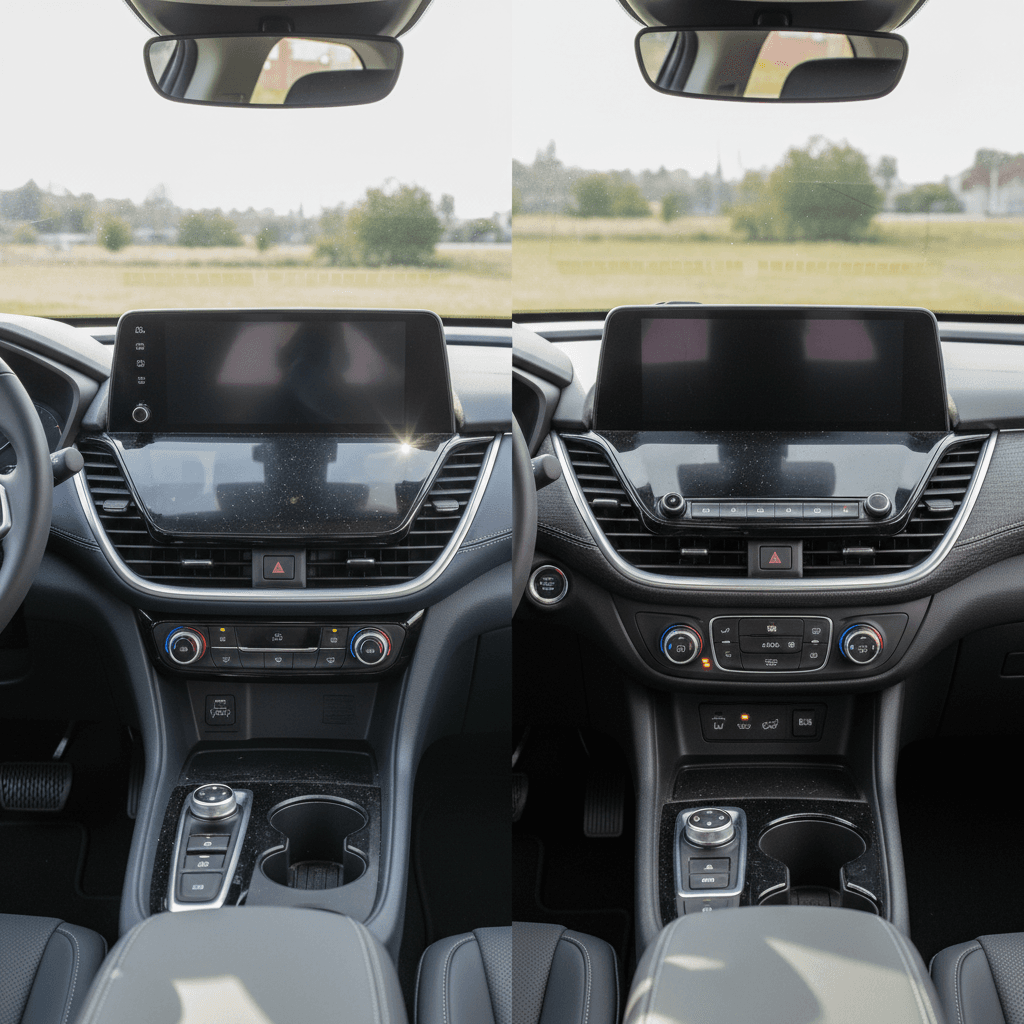
Sit in both SUVs back‑to‑back and you’ll quickly pick up on their personalities. The Equinox EV feels familiar to anyone coming out of a recent Chevy crossover, with straightforward controls and a practical vibe. The Prologue tilts more toward a clean, almost minimal Honda aesthetic with a slightly more upscale feel in many trims.
Honda Prologue: Clean and upscale
- Honda-typical ergonomics: physical climate controls, clear instrumentation, simple menus.
- Large central touchscreen with Google built‑in on many trims for native Maps, Assistant and apps.
- Cabin materials in mid and upper trims feel closer to near‑luxury rivals.
- Comfortable seating for families, with an emphasis on quiet highway cruising.
Chevrolet Equinox EV: Familiar and functional
- Chevy design language, with a driver‑oriented dash and digital cluster plus central screen.
- Plenty of storage cubbies and a practical cargo area for Costco runs and road trips.
- Some hard plastics in lower trims to keep costs down, but solid fit and finish.
- Available tech and comfort features scale up as you move into LT and RS trims.
Don’t forget cargo and kid duty
Driving experience and performance
Both the Prologue and Equinox EV share broadly similar Ultium powertrains: a single‑motor FWD setup around 210–213 hp and a dual‑motor AWD configuration close to 288 hp. That means their straight‑line performance is more alike than different. Where they diverge is tuning, steering feel and how relaxed, or lively, they feel in daily driving.
How they feel on the road
Same hardware family, different personalities.
Honda Prologue driving character
- Honda leans into a calm, composed ride with secure but not harsh suspension tuning.
- Steering feel is typically light but accurate, with a focus on confidence over sportiness.
- AWD versions offer a strong, effortless surge for highway merges and passing.
- Overall vibe: solid, refined, and slightly more grown‑up.
Chevy Equinox EV driving character
- Chevy targets a more approachable, easy-to-drive feel that won’t intimidate first‑time EV buyers.
- FWD trims are tuned for efficiency and comfort; AWD adds more punch.
- Regenerative braking and one‑pedal driving options make city driving simple once you’re used to them.
- Overall vibe: practical, friendly, and confident enough for long highway stretches.
Good news for both camps
Ownership costs, incentives and used-market outlook
Total cost of ownership depends on more than MSRP. You’ll want to consider charging costs, maintenance, insurance, incentives and potential resale value. This is where thinking ahead, especially about the used EV market, can save you real money.
Key ownership cost factors to compare
1. Federal and state incentives
Both Honda and Chevy EVs can qualify for federal and state incentives depending on how they’re built and how you buy (lease vs purchase). Check the latest IRS and state program rules, these can shift year to year.
2. Energy vs fuel savings
If you’re coming from a 22–28 mpg gas crossover, switching to an EV like the Prologue or Equinox EV can cut fuel costs sharply, especially if you can charge at home on off‑peak rates.
3. Maintenance and warranty
Ultium EVs avoid oil changes and many traditional maintenance items, but battery and powertrain coverage, plus dealer EV expertise, can vary. Honda and Chevy both offer EV‑specific warranties that are important to review line by line.
4. Insurance premiums
New EV SUVs can sometimes carry higher comprehensive and collision premiums than older gas crossovers. Get quotes for both models with your insurer before you sign anything.
5. Depreciation and resale
The first wave of Prologues and Equinox EVs is just hitting the road, so real‑world resale data is still forming. Factors like brand loyalty, perceived quality and dealer network reach will influence used values over the next 3–7 years.
6. Used EV shopping with Recharged
If you’d rather let someone else take the first‑owner depreciation hit, a used Prologue or Equinox EV can be compelling. Every EV on <strong>Recharged</strong> comes with a Recharged Score and verified battery health, so you’re not guessing about the pack’s condition.
Why battery health reporting matters
Which EV SUV fits you better? Real-world buyer profiles
Specs are helpful, but it’s often easier to decide when you map each SUV to a real‑world use case. Here are a few common buyer profiles and which model tends to make more sense.
Value-focused commuter
You want maximum range per dollar, plan to keep the car 5–8 years, and mostly drive predictable routes with occasional road trips.
- Leaning toward: Chevrolet Equinox EV (FWD, higher‑range battery).
- Lower pricing and solid efficiency keep monthly costs down.
- Chevy’s nationwide dealer footprint can be a plus in rural areas.
Brand-loyal Honda owner
You’ve had CR‑Vs and Accords for years and trust Honda’s service lane. You care more about comfort and experience than rock‑bottom pricing.
- Leaning toward: Honda Prologue.
- Interior ambiance, seating comfort and Honda’s interface may matter more than a few extra miles of range.
- Attractive lease offers can reduce the sting of a higher MSRP.
Tech-forward family buyer
You want strong driver assistance, native Google Maps, easy smartphone integration and enough space for kids and gear.
- Toss‑up: Test drive both.
- Daily usability, seating position, visibility, child‑seat fit, may trump spec sheet differences.
- Use your preferred apps in each cabin and see which setup feels more natural.
Avoid analysis paralysis
How to choose: 6-step checklist
Not sure how to move from research to a decision? Work through this simple checklist and you’ll usually see a clear winner by the time you’re done.
Six steps to pick between Honda Prologue and Chevy Equinox EV
1. Lock in your budget and deal type
Decide whether you’re leasing or buying, new or used, and what monthly payment range you can actually live with. Then compare Prologue and Equinox EV offers on that basis, not just the base MSRP in ads.
2. Define your real range needs
Map your longest regular drives and typical weekend trips. If most days are under 80–120 miles and you have home charging, either SUV’s FWD range is likely more than enough.
3. Test seating and cargo with your own gear
Bring car seats, strollers, golf bags or work equipment to the dealership. Load both SUVs and note which one makes your daily routine easier.
4. Compare charging options around home and work
Use popular charging apps to see which DC fast networks are dense along your key routes. Since both vehicles plug into the same ecosystem, coverage, not brand, is what matters.
5. Drive both back-to-back
Schedule test drives in the same afternoon so you can compare ride, noise and interface while impressions are fresh. Small differences in steering feel or seat comfort can grow big over years of ownership.
6. Consider future resale or used purchase
If you’re likely to swap vehicles in 3–5 years, investigate early resale trends and lease residuals. If you’re shopping later on the used market, plan to buy from a platform like <strong>Recharged</strong> that verifies battery health and pricing against the wider EV market.
Honda Prologue vs Chevrolet Equinox EV: FAQ
Frequently asked questions
Bottom line: How to shop these EVs smartly
When you strip away the marketing, the Honda Prologue and Chevrolet Equinox EV are two flavors of the same basic idea: a compact, long‑range electric SUV built on GM’s Ultium platform. The Equinox EV leans hard into value and accessibility, while the Prologue uses the same foundation to deliver a more refined, Honda‑flavored experience at a higher price point.
If you’re hunting for an affordable way into a roughly 300‑mile EV with mainstream branding, the Equinox EV should be on your short list. If you’re coming from a string of Hondas and want an EV that feels familiar, quiet and a bit more premium inside, the Prologue is likely the better bet. Either way, you’ll want to drive both, compare real‑world deals, not just MSRPs, and think ahead about charging, ownership costs and eventual resale.
And if you decide to let someone else take the first‑owner depreciation, consider shopping for a used Honda Prologue or Chevy Equinox EV on Recharged. You’ll get verified battery health via the Recharged Score, transparent pricing against the wider market, and EV‑specialist support from the first search to delivery, so you can focus on finding the electric SUV that actually fits your life.