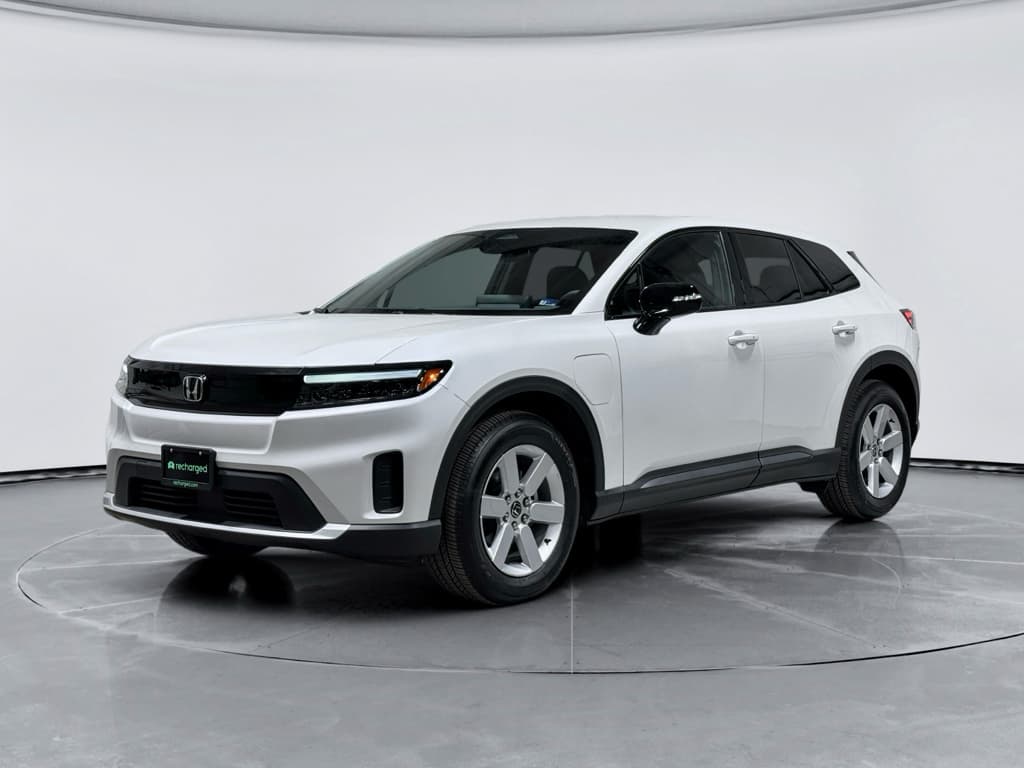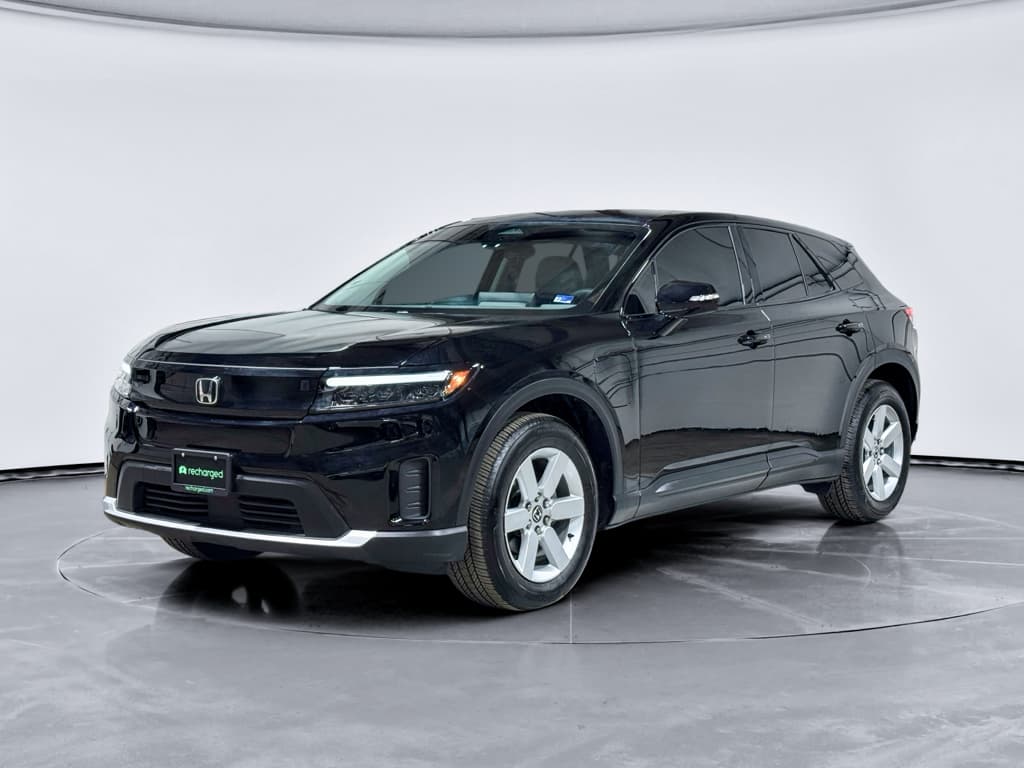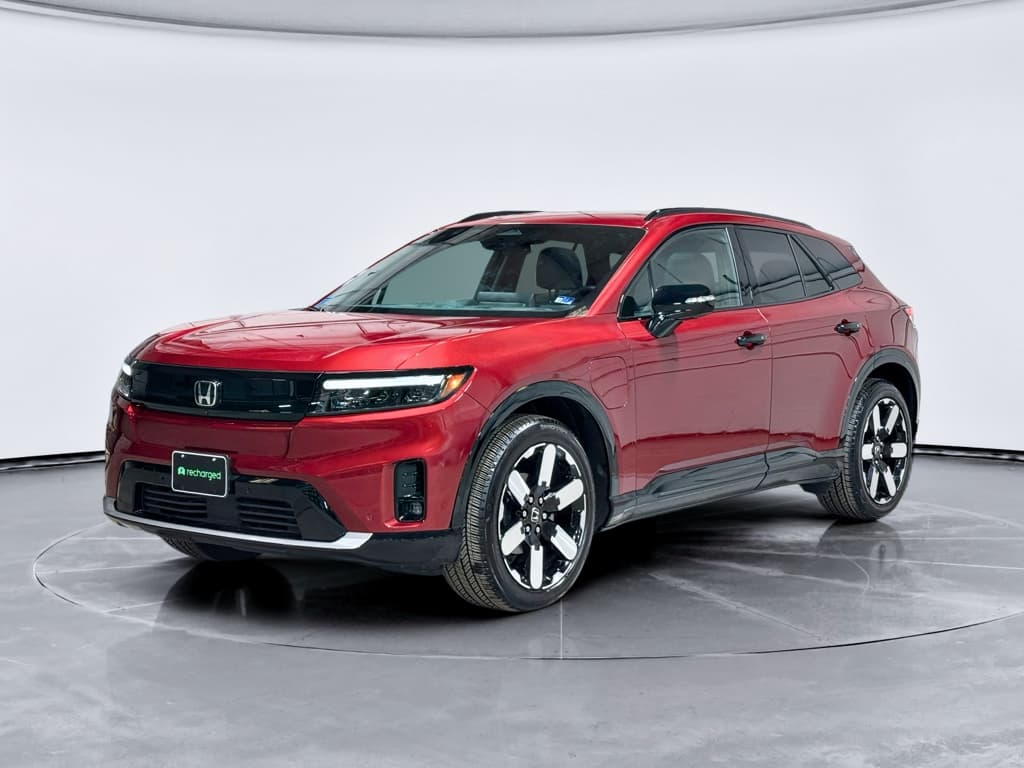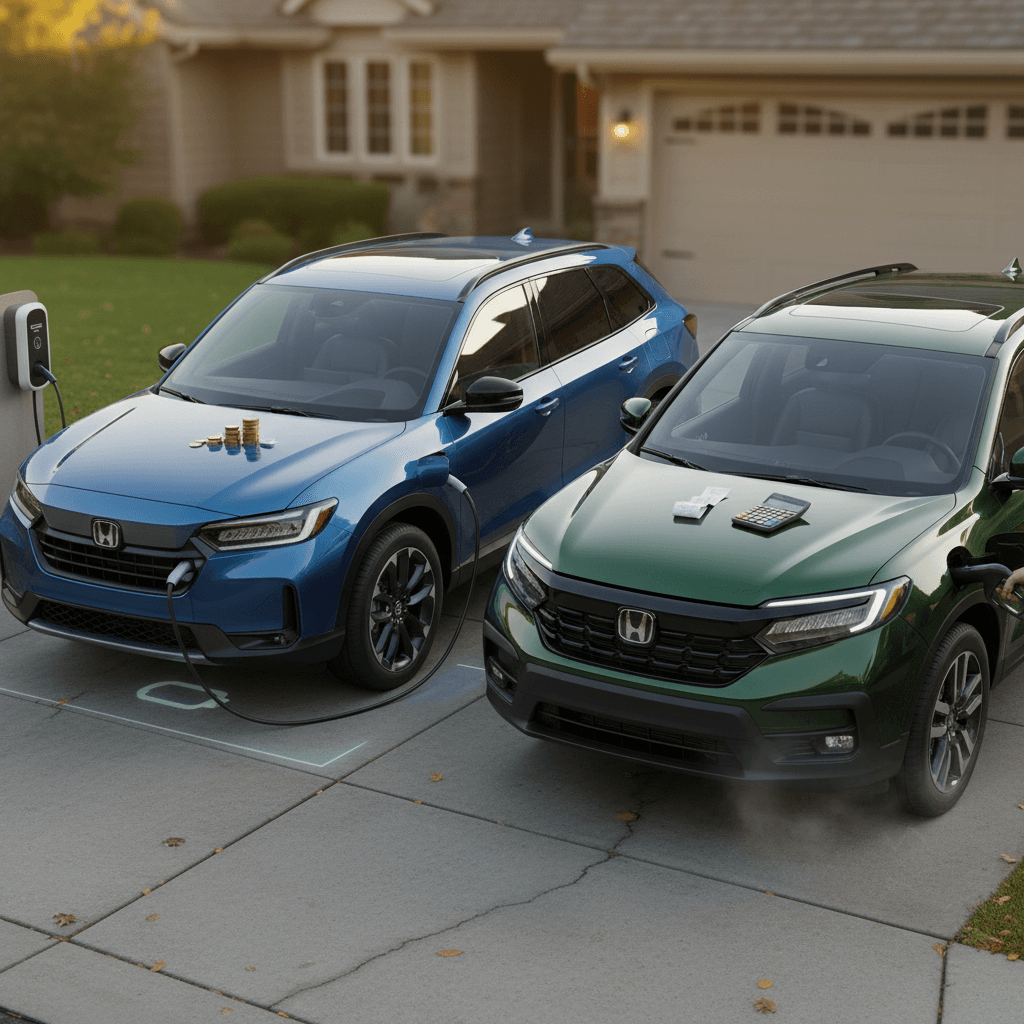
If you’re cross‑shopping the Honda Prologue with a gas SUV, you’re probably not just wondering about range or features. You want to know the big question behind every EV purchase: **will the Honda Prologue’s total cost actually beat a comparable gas car over time?** This guide walks through a clear, numbers‑driven comparison between the Prologue and a gas SUV equivalent, so you can see where the money really goes.
What this article covers
Why compare the Honda Prologue to a gas SUV?
On paper, the Honda Prologue is a midsize, two‑row crossover SUV with plenty of space and power. The buyer staring at it on a showroom floor is usually also eyeing a similarly sized **gas SUV**, often something like a Honda Passport, Toyota Highlander, or Mazda CX‑70. That’s why it makes sense to ask about **total cost vs a gas car equivalent**, not vs a compact hatchback or a luxury EV.
Instead of cherry‑picking extreme scenarios, we’ll assume a fairly typical U.S. driver: about 12,000 miles per year, mostly commuting and errands with some road trips. If your life is more road‑warrior or more work‑from‑home, we’ll talk about how that changes the math later on.
Honda Prologue vs gas SUV: quick 5‑year snapshot (typical US driver)
The gas car equivalent: what we’re comparing against
To make this real, we’ll compare the Honda Prologue to a **Honda Passport**, Honda’s own midsize two‑row SUV. It’s not a perfect mirror image, but it’s close enough in size, space, and brand feel that many shoppers will weigh them against each other.
Honda Prologue vs Honda Passport: key specs for cost comparison
Approximate U.S. specs and EPA ratings used for the cost estimates in this article. Always check current official data before you buy.
| Honda Prologue (EV) | Honda Passport (gas) | |
|---|---|---|
| Vehicle type | All‑electric midsize SUV | Gas midsize SUV |
| Drivetrain example | EX or Touring AWD | EX-L AWD |
| Battery / engine | ≈85 kWh battery | 3.5L V6 gas |
| EPA efficiency | ≈99 MPGe (≈34 kWh/100 mi) | ≈21 mpg combined |
| Fuel type | Electricity | Regular gasoline |
| Approx. new MSRP (before deals) | High‑$40Ks to mid‑$50Ks | Low‑$40Ks to low‑$50Ks |
We’re using typical trims rather than the rock‑bottom base or fully loaded halo versions.
Prices change fast
Purchase price, incentives, and financing
On day one, a Honda Prologue often **looks slightly more expensive** than a comparable Passport if you’re just glancing at window stickers. But EVs come with something gas SUVs don’t: **incentives and cheaper energy**. Let’s untangle the front‑end cost first.
1. Sticker price vs transaction price
Both vehicles live in roughly the same neighborhood on MSRP. In the real world, your payment depends on:
- How much discount you negotiate
- Any dealer add‑ons or markups
- Your interest rate and loan term
A slightly higher price on an EV can be offset by **lower fuel and maintenance** over time, so don’t judge by MSRP alone.
2. Incentives and tax credits
Depending on how you buy, a Prologue can qualify for:
- Federal EV incentives when leased (often passed through as a lower payment)
- State or local rebates or HOV lane perks in some regions
- Utility rebates or discounted EV rates for home charging
A traditional gas Passport doesn’t tap into this stack of EV‑specific perks.
Run the payment, not just the price
If you’re financing, remember that **interest magnifies price differences**. A $2,000 higher price spread over a 60‑month loan at a good rate may be only a few dollars a month, easy to erase with EV fuel savings.
Energy costs: electricity vs gasoline
This is where the Honda Prologue pulls away. Energy is a **monthly line item you never stop paying**, so even modest per‑mile savings stack up fast over five or ten years.
Step 1: Estimate the Prologue’s electricity use
Official efficiency numbers vary by trim, but a reasonable working figure for a Honda Prologue is around 34–36 kWh per 100 miles of driving. That’s roughly 2.8–3.0 miles per kWh in everyday use, lining up with real‑world owner reports.
- Annual miles: 12,000
- Energy use: ~35 kWh / 100 miles
- Annual electricity use: 12,000 ÷ 100 × 35 ≈ 4,200 kWh per year
Step 2: Apply a realistic electricity rate
U.S. residential electricity averages around **$0.15 per kWh**, but it ranges widely. Some utilities also offer **cheaper overnight EV rates**. We’ll use a conservative $0.15 for baseline math.
- Annual electricity cost: 4,200 kWh × $0.15 ≈ $630 per year
- Cost per mile: $630 ÷ 12,000 ≈ $0.05 per mile at home rates
- If half your charging is more expensive public DC fast charging, your blended cost might land closer to **$0.09–$0.13 per mile**.
Step 3: Estimate the gas SUV’s fuel use
A Honda Passport with all‑wheel drive is rated around **21 mpg combined**. Many owners see something in the high teens in city driving and low 20s on the highway. Let’s be kind and use 21 mpg as our working average.
- Annual miles: 12,000
- Fuel economy: 21 mpg
- Annual gas usage: 12,000 ÷ 21 ≈ 571 gallons per year
At $3.75 per gallon (a reasonable recent U.S. average), that’s roughly **$2,140 per year** in fuel. At $4.25 per gallon, you’re looking at about $2,425 per year.
Estimated 5‑year energy costs: Honda Prologue vs gas SUV
Ballpark energy costs for a typical U.S. driver over five years, assuming 12,000 miles per year.
| Honda Prologue (mostly home charging) | Honda Passport (gas) | |
|---|---|---|
| Assumptions | 35 kWh/100 mi, $0.15/kWh, 75% home / 25% public charging | 21 mpg, $3.75/gal |
| Cost per mile (approx.) | $0.09–$0.10 | ≈$0.18 |
| Annual energy cost | ≈$1,100 | ≈$2,140 |
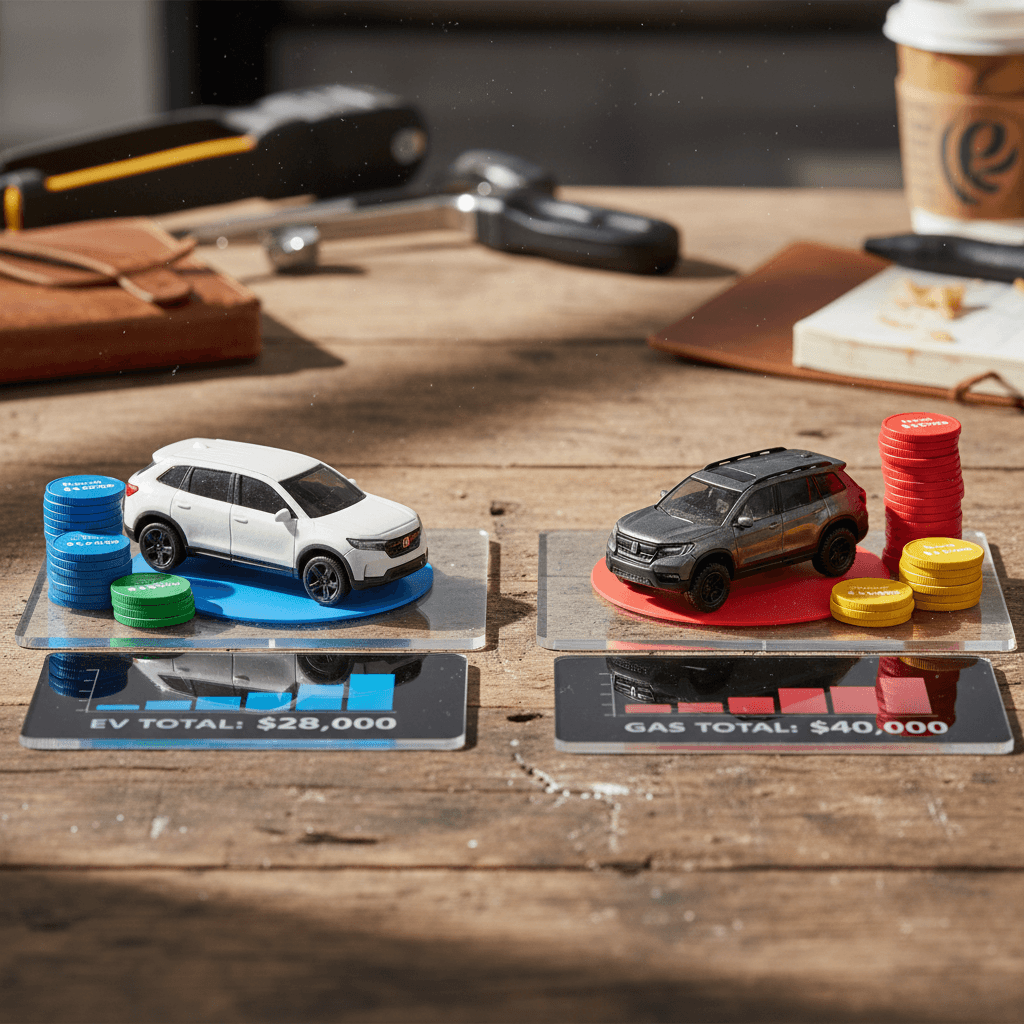
| 5‑year energy cost | ≈$5,500 | ≈$10,700 |
If gas prices spike or you charge mostly at home on off‑peak rates, the Prologue’s advantage grows.
Typical 5‑year fuel savings
Maintenance and repairs: where EVs really win
If gasoline is the headline, **maintenance is the fine print that quietly empties wallets**. EVs like the Honda Prologue sidestep some of the messiest, priciest routine services that come with a V6 SUV.
What you maintain on a Prologue vs a gas SUV
Fewer moving parts means fewer chances for big repair bills.
Oil & filters
Gas SUV: Oil + filter changes every 5–10k miles add up over the years.
Prologue: No engine oil at all. One major recurring cost gone.
Transmission & driveline
Gas SUV: Automatic transmissions need fluid services and can fail in ugly, expensive ways.
Prologue: Single‑speed reduction gear in an electric drivetrain, far fewer bits to break.
Brakes & wear items
Both: Brake pads, tires, and suspension wear over time.
Prologue advantage: Regenerative braking stretches pad and rotor life significantly.
Over five years, it’s common to see **30–40% lower routine maintenance costs** on an EV vs a comparable gas SUV. That doesn’t mean zero bills, tires on a heavy, torquey EV are not cheap, but it does mean fewer time‑consuming shop visits and fewer large surprise repairs once the basic warranty ends.
What about the EV battery?
Insurance, taxes, and fees
Insurance is one of those costs that refuses to sit still. EVs can be a touch more expensive to insure in some regions, thanks to higher MSRPs and specialized parts. But the differences between a Prologue and a similarly priced gas Passport are usually **measured in small monthly amounts**, not hundreds of dollars.
- Some states charge extra annual registration fees for EVs to make up for lost gas tax revenue.
- Others offer **reduced registration fees** or perks like HOV access.
- Your rate will depend far more on your driving record, zip code, and credit than on whether the SUV drinks gas or electrons.
Smart move: get back‑to‑back quotes
Depreciation and resale value
Depreciation is the murkiest piece of any total cost story because it depends on **future demand**. EVs have had some wild swings in the last few years, and gas SUVs are facing a long, slow squeeze from tightening emissions and fuel‑economy rules.
Right now, the Honda Prologue benefits from being a **mainstream, well‑known brand** with broad dealer coverage. A midsize gas SUV like the Passport also has a healthy resale market. For a five‑year horizon, it’s reasonable to assume **similar percentage depreciation**, with the Prologue gaining ground if EV adoption keeps accelerating.
Buying used flattens depreciation
5‑year total cost: Honda Prologue vs gas SUV
Let’s pull the big pieces together. These are **illustrative five‑year totals** for a typical U.S. driver at 12,000 miles per year. Your numbers will move around based on your deals, local electricity and gas prices, and where you drive.
Illustrative 5‑year total cost comparison (12,000 miles per year)
Rounded numbers to highlight relative differences rather than predict your exact bill.
| Category (5 years) | Honda Prologue (EV) | Honda Passport / gas midsize SUV |
|---|---|---|
| Energy (fuel/electricity) | ≈$5,500 | ≈$10,700 |
| Routine maintenance | ≈$2,000–$2,500 | ≈$3,000–$4,000 |
| Repairs out of warranty window | Low in first 5 years (under warranty) | Moderate risk by years 4–5 |
| Insurance, taxes, fees | Roughly similar, varies by region | Roughly similar, varies by region |
| Depreciation impact | Similar %; may improve as EV demand grows | Similar %; may worsen if fuel economy norms tighten |
| Estimated 5‑yr running costs (excluding purchase price) | ≈$7,500–$8,500 | ≈$13,700–$15,000 |
Assumes similar purchase price and financing; excludes tax credits passed through a lease, which would tilt the math further toward the Prologue.
Big picture savings
City vs highway driving and other what‑ifs
Total cost of ownership isn’t one‑size‑fits‑all. The Honda Prologue’s advantage grows or shrinks depending on how and where you drive.
How your driving pattern changes the Prologue vs gas SUV math
You don’t drive like an EPA test cycle. Here’s how that matters.
Heavy city and suburban driving
Great for the Prologue. EVs are most efficient in stop‑and‑go traffic thanks to regenerative braking and low‑speed efficiency. Gas SUVs sip the most fuel in traffic, so your fuel savings widen.
Mostly highway, high speeds
Narrows the gap slightly. Highway speeds reduce EV efficiency more sharply than gentle city use, but the gas SUV still burns plenty of fuel. The Prologue usually keeps an edge unless you only drive long highway trips and pay very high public charging rates.
Lots of public DC fast charging
Can erode some savings. Fast charging is more expensive per kWh and harder on the battery over many years. If you live at public chargers, factor in higher per‑mile electricity costs and more time waiting at stations.
Home charging every night
Best‑case scenario. Plugging in at home on a standard Level 2 charger, especially on a discounted EV rate plan, maximizes your energy savings and convenience. This is where EV total cost looks its best.
How a used Honda Prologue changes the math
If you really want to lean into value, a **used Honda Prologue** can be a sweet spot. You get modern range and tech, let the first owner eat the steepest depreciation, and still keep most of the fuel and maintenance advantage over a gas SUV.
Smart steps when shopping a used Honda Prologue
1. Check verified battery health
Battery condition is the heart of a used EV purchase. With Recharged, every Prologue listing includes a <strong>Recharged Score Report</strong> that shows real battery health data, not just a guess based on mileage.
2. Compare total monthly cost, not just price
A used Prologue’s payment may be similar to a newer gas SUV, but your electricity, maintenance, and even brake wear can be lower. Add payment + insurance + energy into one number and compare apples to apples.
3. Look at charging fit for your life
A used Prologue is a bargain if you can charge conveniently. If you rent or live in a condo, make sure you have access to reliable overnight charging or workplace chargers before you commit.
4. Factor in remaining warranties
Check how many years and miles of battery and drivetrain coverage are left. That warranty cushion is part of the value story versus a higher‑mileage gas SUV that’s out of powertrain coverage.
How Recharged can help
FAQ: Honda Prologue total cost vs gas car equivalent
Common questions about Honda Prologue vs gas SUV costs
Bottom line: Is the Honda Prologue cheaper to own?
When you zoom out beyond the sticker, the story becomes clear: for a typical driver with home charging, the Honda Prologue’s total cost of ownership beats a comparable gas SUV like the Passport over a five‑year horizon. You spend less on energy, make fewer service‑bay visits, and you’re not betting your wallet on whatever happens at the pump next summer.
If you lean heavily on public fast charging, or you drive very few miles a year, the financial edge narrows, but it rarely flips dramatically in favor of gas unless your local electricity prices are extreme. That’s why the right move is to plug in your own miles, utility rates, and insurance quotes and build a personal total‑cost picture.
And if you’re ready to let someone else absorb the early depreciation and you want real transparency on battery health, a used Honda Prologue can make the numbers even more attractive. On Recharged, every used EV comes with a Recharged Score Report, fair market pricing, and EV‑savvy support from test‑drive to delivery, so you’re not just saving money on fuel, you’re buying with eyes wide open.