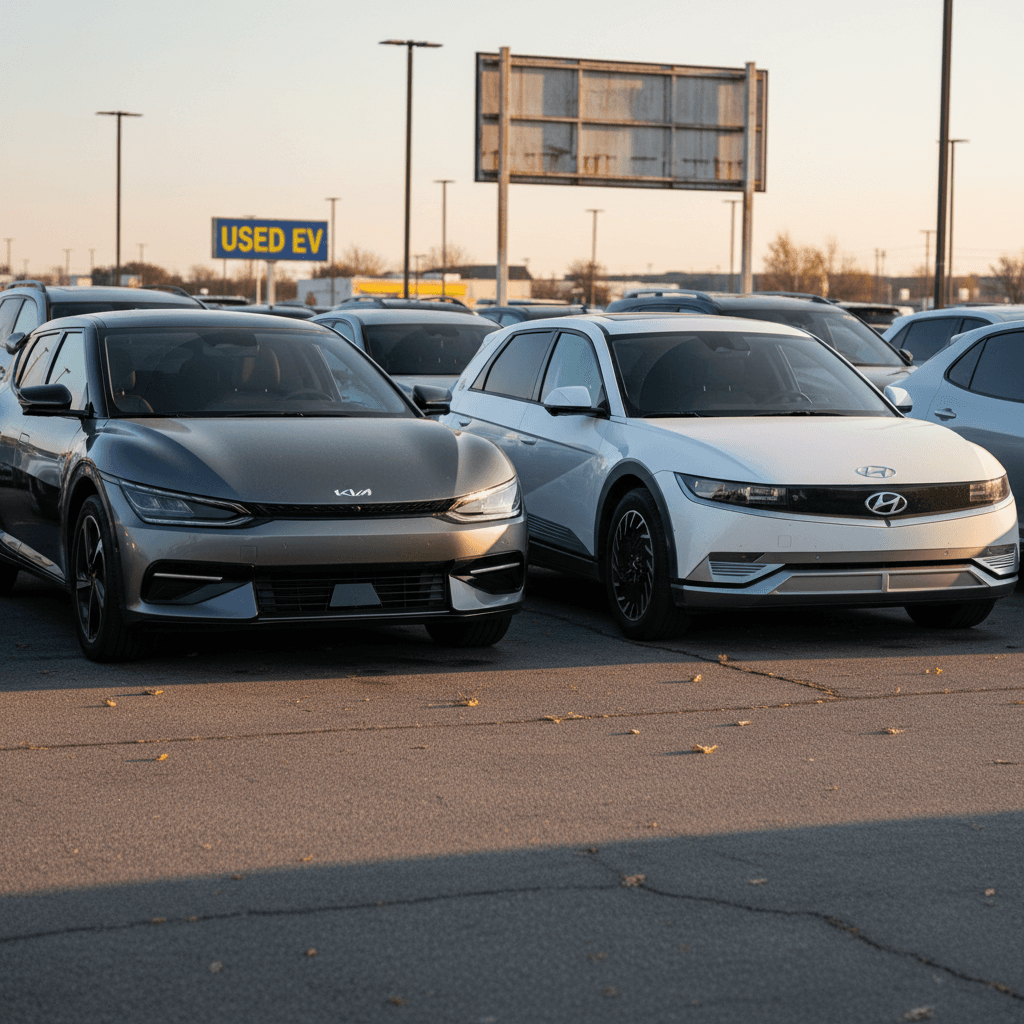
If you’re hunting for a used Kia EV6 vs used Hyundai Ioniq 5 under $30,000, you’re shopping in one of the sweetest spots in the EV world: cutting‑edge hardware at pre‑depreciated prices. Both are stylish, ultra‑modern electric crossovers that feel nothing like “old used car” territory, if you pick the right year, trim, and battery.
Used prices are finally softening
Who this comparison is really for
- You want a modern electric SUV with real highway range, not an early short‑range compliance car.
- Your max budget is about $30,000 all‑in before taxes and fees.
- You’re cross‑shopping a used Kia EV6 and a used Hyundai Ioniq 5 and need clarity, not fan‑forum noise.
- You care about battery health, DC fast‑charging, and usable space for people and stuff.
- You’re open to buying online from a specialist like Recharged instead of rolling the dice at a random lot.
Can you actually find EV6 and Ioniq 5 under $30,000?
Short answer: in many U.S. markets, yes, but mostly early years and mid‑ to higher‑mileage examples. As of 2024–2025 transaction data, 2022 Ioniq 5 SE/SEL/Limited and 2022 EV6 Light and some Wind trims have started appearing in the high‑$20Ks, especially with 40,000+ miles or in less EV‑crazy regions.
Trim and battery matter more than model year
If you’re strict about staying below $30,000, expect more Ioniq 5 inventory than EV6 at the moment. The Hyundai launched earlier and in higher volumes, and Hyundai dealers were aggressive with leases, those cars are now feeding the used market. Kia EV6s are catching up, but nice long‑range trims under $30k still take some hunting.
Specs at a glance: used EV6 vs used Ioniq 5
Key specs for typical under-$30k trims (U.S. market)
These are representative specs for common 2022–2023 trims you’re likely to see around or under $30,000. Always verify exact specs by VIN.
| Model / Trim (typical) | Battery (usable/gross) | EPA range (RWD) | EPA range (AWD) | Max DC fast charge | Onboard AC charger |
|---|---|---|---|---|---|
| Kia EV6 Light (Standard Range RWD) | ~58–63 kWh | ~230–240 miles | N/A | Up to 235–240 kW | 10.9–11 kW |
| Kia EV6 Wind / GT-Line (Long Range RWD) | ~77–84 kWh | ~300–310 miles | ~275 miles (AWD) | Up to ~235–258 kW | 10.9–11 kW |
| Hyundai Ioniq 5 SE Standard Range (RWD) | ~58–63 kWh | ~220–240 miles | N/A | Up to ~235–240 kW | ~10.9 kW |
| Hyundai Ioniq 5 SE/SEL/Limited Long Range (RWD) | ~77–84 kWh | ~290–303 miles | ~260–270 miles (AWD) | Up to ~235–240 kW | ~10.9 kW |
Battery sizes and EPA ranges vary slightly by year and wheel size; treat these as ballpark figures, not absolutes.
The big picture
Range and battery health: which ages better?
Both cars ride on Hyundai–Kia’s E‑GMP platform and share closely related battery tech. On paper, that means similar range and degradation behavior when cared for properly. In the real world, how the first owner charged and drove the car matters more than the badge on the nose.
Range realities: EV6 vs Ioniq 5 as used buys
How they behave after a few years and tens of thousands of miles.
Standard‑range trims (~58–63 kWh)
Who they suit: Commuters and two‑car households.
- Think real 180–210 miles of comfortable daily range after a few years.
- Fine if you mostly charge at home and road‑trip only occasionally.
- OE tires, climate, and speed will move those numbers up or down.
Long‑range trims (~77–84 kWh)
Who they suit: Road‑trippers and single‑car households.
- Plan on real 230–270 miles on the highway used.
- This is where both cars feel like true replacements for a gas crossover.
- Often just above $30k unless miles are higher, but worth stretching for.
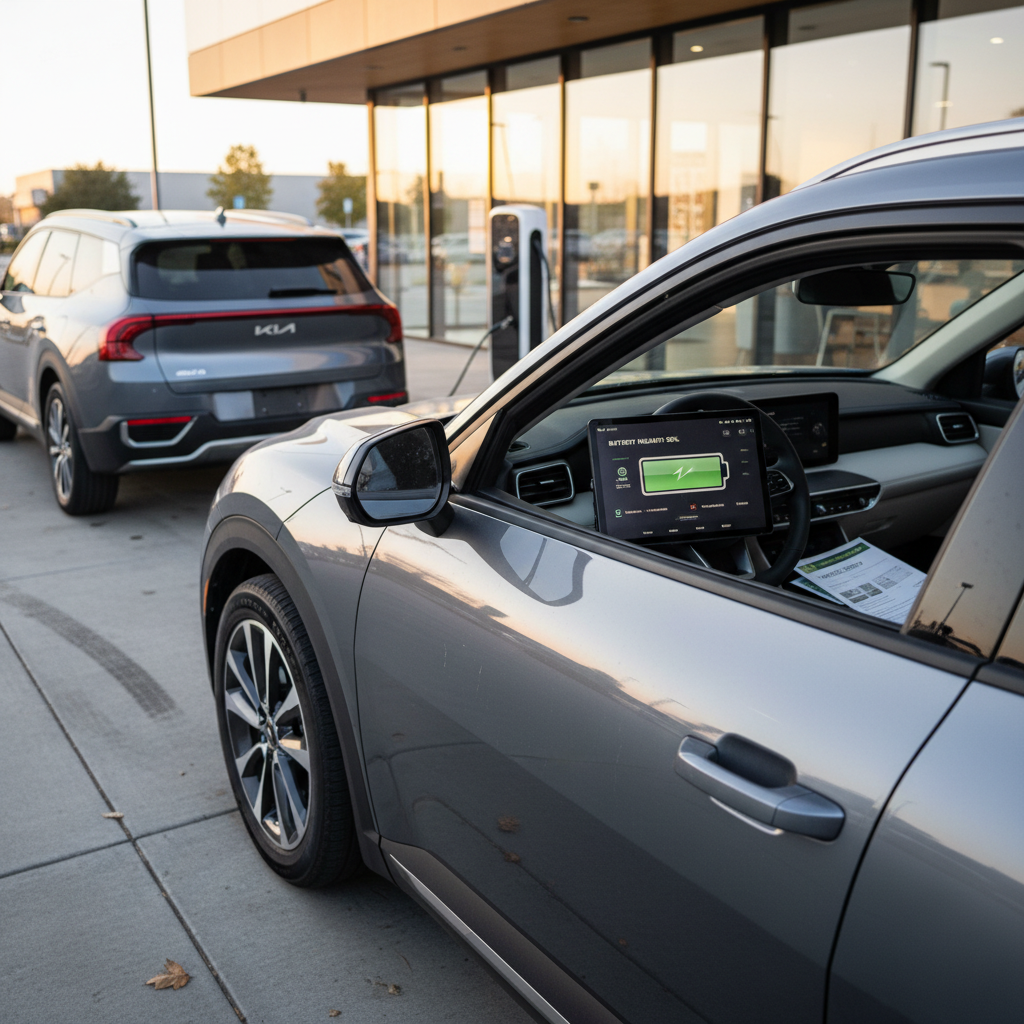
Use data, not vibes, to judge a used battery
If you’re comparing two $29k cars and one has a noticeably healthier pack, fewer DC fast‑charge sessions, lower degradation, consistent charging behavior, that car is almost always the smarter buy, even if it has slightly more miles or a less flashy trim.
Charging speed and road-trip manners
One of the best reasons to favor either of these over older used EVs is charging. The shared E‑GMP platform gives both the EV6 and Ioniq 5 an 800‑volt architecture and genuinely fast DC charging on capable stations.
Charging highlights (when the station cooperates)
Used Kia EV6 on the road
- Feels slightly more planted and sporty at highway speeds.
- Cabin is a bit quieter, especially on later‑year tires.
- Energy use can be a touch higher at 75–80 mph, but not dramatically so.
- Useful vehicle‑to‑load (V2L) outlet on many trims – power tools, camping gear, or even another EV in a pinch.
Used Hyundai Ioniq 5 on the road
- More upright, airy driving position; great visibility on long drives.
- Suspension tuning is a hair softer, which some will find more comfortable.
- Equivalent DC fast‑charging performance to EV6 in most trims.
- Also offers V2L, think tailgates, job sites, or emergency home power for essentials.
Don’t judge fast‑charging on one bad session
Space, ride, and everyday usability
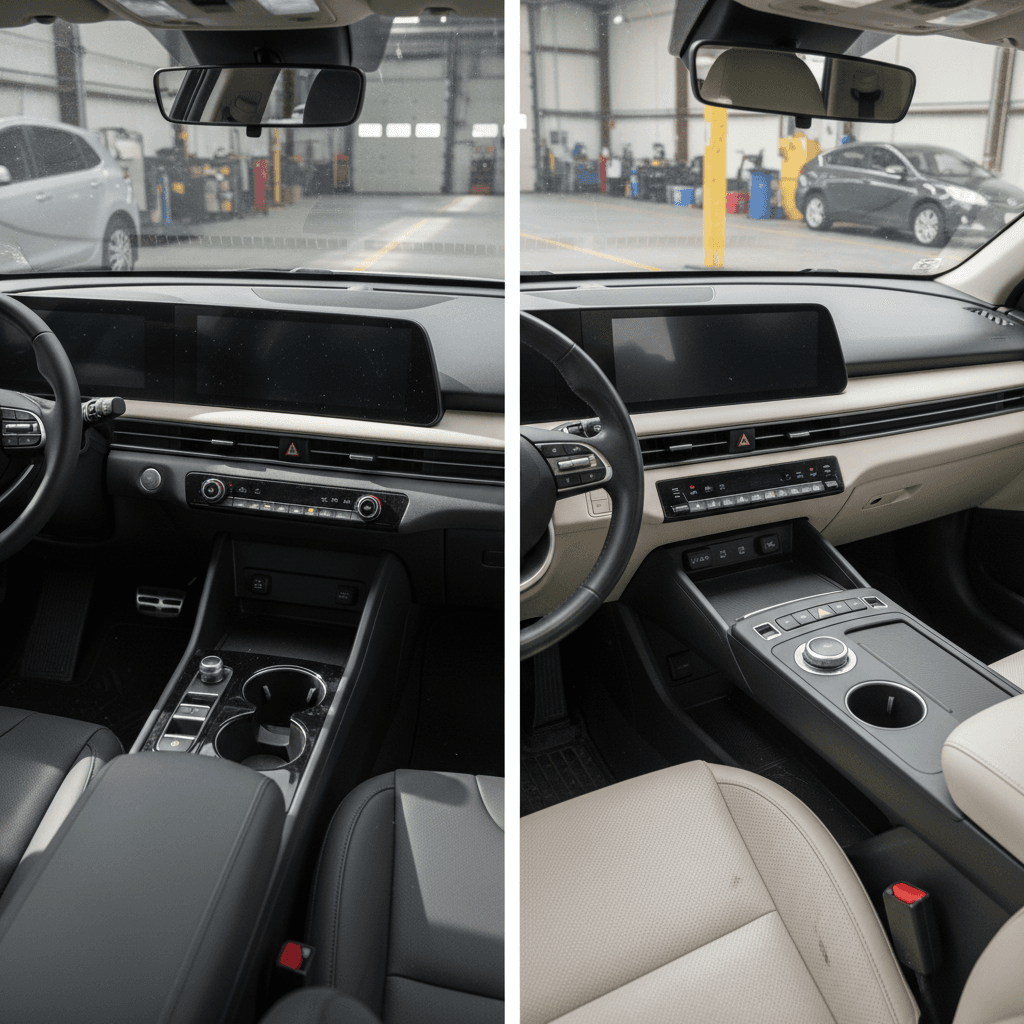
Under the skin, these two are siblings. From the driver’s seat, they feel like cousins with very different personalities. The Ioniq 5 is the airy, lounge‑like loft; the EV6 is the lower, sportier studio with mood lighting.
Living with a used EV6 vs a used Ioniq 5
Both are practical; they just prioritize different kinds of practicality.
Hyundai Ioniq 5: room and comfort
- Boxier shape and long wheelbase mean limo‑like rear legroom.
- Rear seats slide and recline; kid‑ and adult‑friendly.
- Cargo area is wide and easy to load, though spec‑sheet volume is only moderate.
- Cabin design is bright and minimalist, with twin screens and simple controls.
Kia EV6: style and sport
- Lower roofline and more coupe‑ish tail; still plenty of space but slightly tighter rear headroom.
- Trunk opening is narrower, but under‑floor storage helps.
- Interior wraps around you; more driver‑centric feel.
- Slightly firmer ride tuning gives it a more athletic vibe.
Family‑duty winner: Ioniq 5
Ownership costs, warranties, and reliability
Because these are modern Korean EVs, the big story isn’t how often they break, it’s how long the warranty safety net lasts. Both brands historically over‑deliver on value and under‑deliver on drama.
- Both EV6 and Ioniq 5 typically include a 10‑year/100,000‑mile battery warranty from original in‑service date (check the specific car’s coverage and in‑service date).
- Powertrain coverage is also strong, but bumper‑to‑bumper warranties on a 2022 car may be close to expiring as you read this.
- Common owner‑reported issues so far are relatively minor: software bugs, infotainment quirks, the occasional 12‑volt battery complaint, and a few recalls, most of which can be handled with dealer updates.
- Running costs are low: no oil changes, longer brake life (thanks to regen), and tire wear as your main recurring bill. (Both cars are heavy and torquey; buy good tires.)
Why buying from an EV specialist matters
Which should you buy? Quick recommendations
If this is your only car…
- Prioritize a long‑range battery in either model, even if it nudges you slightly above $30,000.
- If you road‑trip a lot and like a snug, quiet cockpit, lean Kia EV6 Wind/GT‑Line RWD.
- If you constantly haul humans and cargo, lean Ioniq 5 SEL/Limited Long Range.
If this is a second car or commuter…
- A clean standard‑range Ioniq 5 SE or EV6 Light can be a screaming value if your daily use is under ~80–100 miles.
- Focus on battery health, warranty time left, and service history more than extra features like panoramic roofs or leather.
- If both are equal on condition and price, pick the one you enjoy sitting in more, you’ll look at that interior every day.
Tie‑breaker logic
How to shop a used EV6 or Ioniq 5: smart checklist
7 steps to a smarter under‑$30k purchase
1. Decide your real range requirement
Write down your <strong>longest regular trip</strong> and your <strong>worst‑case winter day</strong>. If either pushes past ~160–180 miles round‑trip without easy charging, you probably want a long‑range battery.
2. Filter by battery first, trim second
In listings, focus on <strong>Standard Range vs Long Range</strong> (or battery kWh figures) before you fall in love with a particular wheel or color. A healthy big pack beats a fancy small‑pack trim almost every time.
3. Check remaining factory warranty
Look up the in‑service date by VIN and confirm how much of the <strong>10‑year/100,000‑mile battery warranty</strong> and powertrain coverage remains. This can be worth thousands to you.
4. Review charging history and habits
Ask for or rely on a <strong>third‑party battery report</strong> (like the Recharged Score) that reflects DC fast‑charge frequency, charge limits, and any signs of unusual degradation.
5. Inspect tires, brakes, and suspension
These are heavy, torquey EVs. Uneven tire wear, tired dampers, or noisy brakes can hint at <strong>hard use or poor alignment</strong>. Budget for a fresh set of quality tires if they’re nearing the end.
6. Test‑drive for software quirks
On your drive, pay attention to <strong>infotainment lag, driver‑assist behavior, and warning lights</strong>. Many issues are fixable with updates, but you want them resolved before you sign.
7. Compare total cost, not just price
Include <strong>taxes, fees, home charging setup</strong>, and expected tire replacement in your math. A slightly more expensive car with better battery health and warranty can be cheaper over five years.
How Recharged helps with used EV6 and Ioniq 5 shopping
Buying a used EV shouldn’t feel like an experiment. Recharged is built specifically around used electric vehicles like the Kia EV6 and Hyundai Ioniq 5, so you’re not teaching your salesperson how kilowatts work while you shop.
What you get when you shop EV6 or Ioniq 5 with Recharged
Less guesswork, more confidence.
Recharged Score Report
Financing & trade‑in support
Nationwide delivery & guidance
Ready to find your next EV?
Browse VehiclesFAQs: used Kia EV6 vs used Hyundai Ioniq 5 under $30,000
Frequently asked questions
Bottom line: EV6 vs Ioniq 5 under $30k
Under $30,000, both the used Kia EV6 and used Hyundai Ioniq 5 are deeply compelling. They charge faster than most rivals, ride on a sophisticated modern platform, and feel like genuinely current products, not compromises. The Ioniq 5 tilts toward space, comfort, and family duty; the EV6 leans sporty, stylish, and a touch more premium. Let range needs, battery health, and interior preference make the final call, not fan‑forum tribalism.
If you’d rather not decode kWh charts and auction histories alone, consider letting Recharged do the heavy lifting. With verified battery diagnostics, transparent pricing, financing and trade‑in options, and nationwide delivery, our job is to make sure the used EV6 or Ioniq 5 in your driveway is the right one, not just the first one you found under $30k.