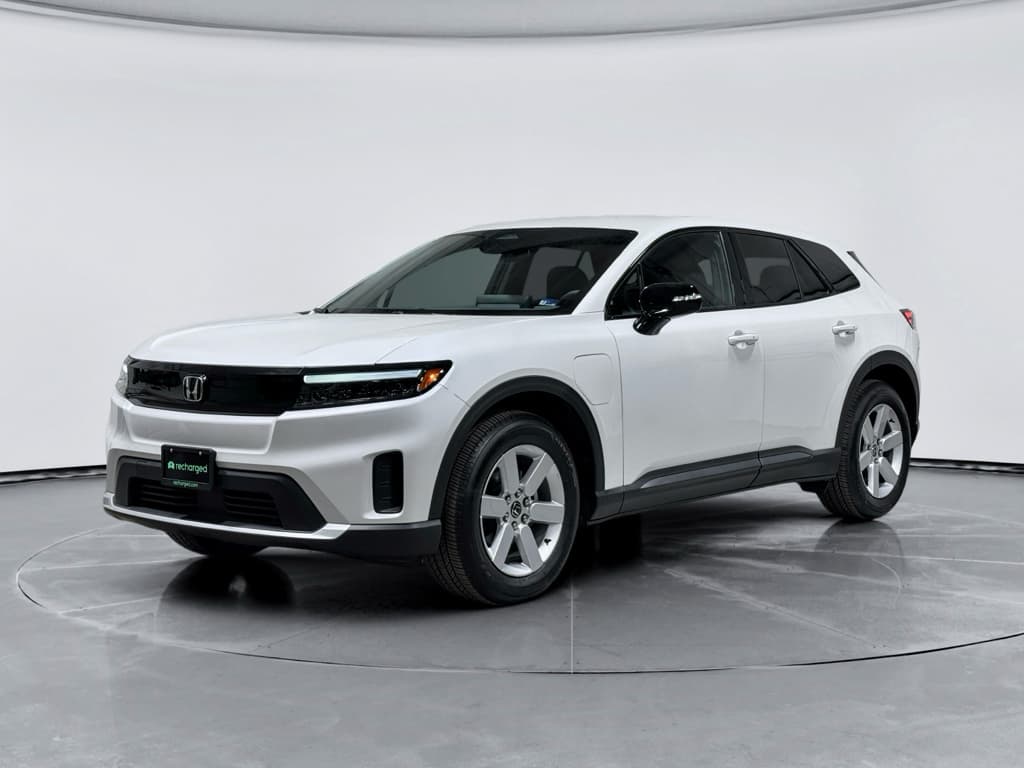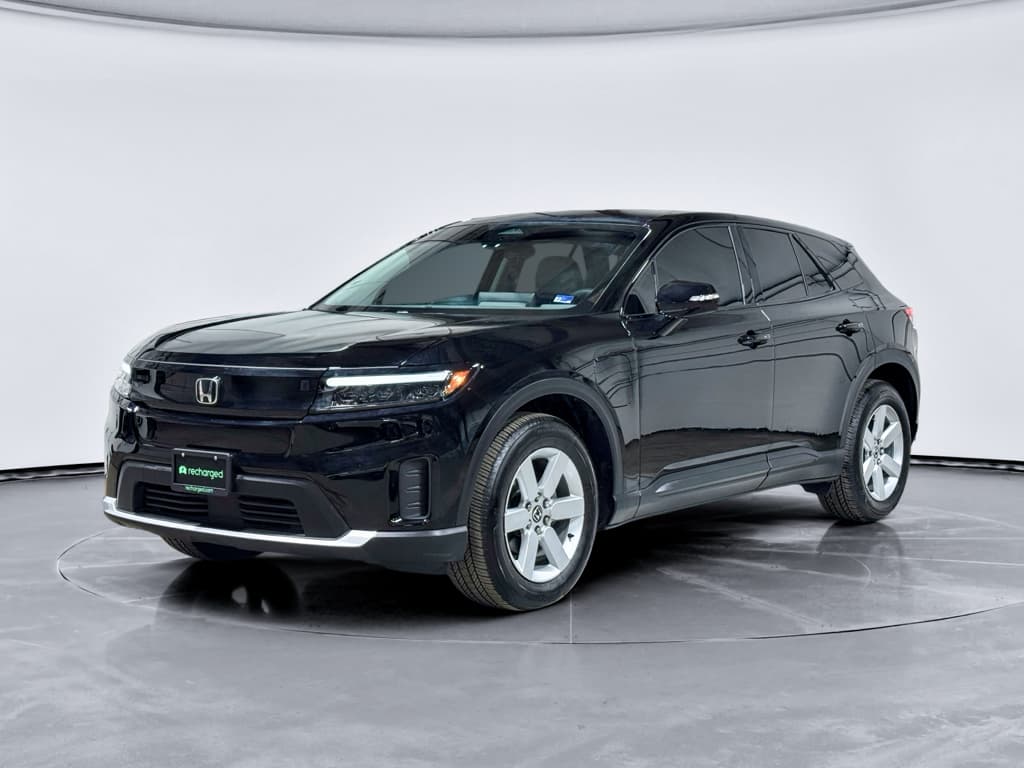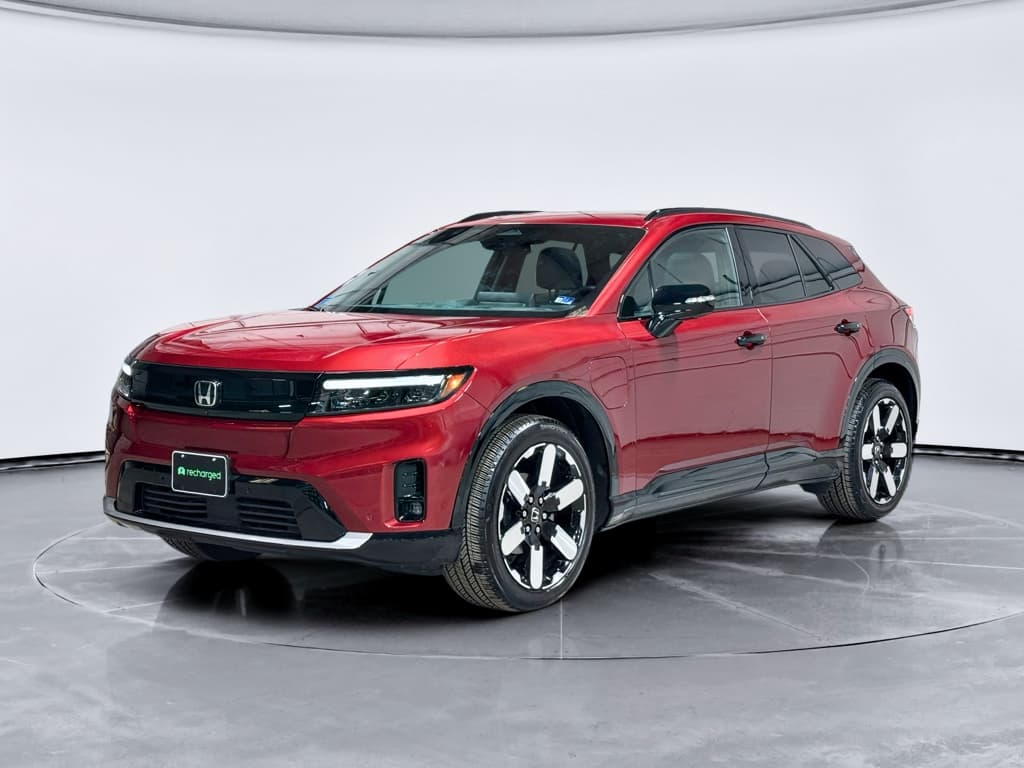
You buy an electric SUV like the Honda Prologue because the spec sheet whispers sweet nothings: up to 296 miles of range, Ultium battery, DC fast charging that promises 65 miles in 10 minutes. But spend a few hours at 70–75 mph on an interstate, and you quickly learn the truth every EV owner discovers, the highway is where EPA dreams go to die. This guide looks at the Honda Prologue’s real‑world highway range, how it compares to the brochure numbers, and what you can realistically expect on a road trip.
Why highway range matters more than city numbers
Honda Prologue highway range at a glance
Honda Prologue range & efficiency snapshot
Honda’s own data puts the 2024 Prologue at up to 296 miles EPA range for front‑wheel‑drive EX and Touring trims and 281 miles for the same trims with all‑wheel drive. The range‑topping Elite AWD, saddled with 21‑inch wheels, is rated at 273 miles on the EPA cycle. Those are competitive numbers for a midsize electric SUV on GM’s Ultium platform, but they’re optimistic for long highway stints.
In controlled 75‑mph testing, at least one major outlet has pulled about 240 miles from an Elite AWD, roughly 12% below its 273‑mile EPA rating and broadly in line with what we see from other hefty, dual‑motor SUVs running fast in real traffic. If you’re planning trips off of EPA numbers alone, that gap is where anxiety sneaks in.
Expect 15–25% less at true highway speeds
EPA vs real world: why the numbers don’t match
EPA range testing isn’t a scam; it’s just a compromise. The Prologue’s official numbers come from a standardized cycle that mixes city and highway speeds and then gets adjusted. That’s useful for comparing EVs to each other, but it isn’t a replay of your family flogging northbound at 74 mph with bikes on the hitch rack and the climate set to 70.
- Speed: Aerodynamic drag rises with the square of speed. Jumping from 65 mph to 75 mph can cost you 10–15% of your range in almost any EV.
- Temperature: Cold packs and heated cabins eat energy. A Prologue that feels like a 260‑mile SUV at 70°F might feel like a 200‑mile SUV at 20°F.
- Wheels & tires: Elite models wear 21‑inch rubber that looks terrific in the Target parking lot and quietly siphons energy on the interstate.
- Elevation & wind: Long grades and headwinds slash efficiency. On a flat map, Kansas is an EV’s best friend; on a windy day, less so.
- Driving style: Aggressive passes and yo‑yo cruise‑control will hurt more in an EV because you can’t coast inefficient driving away.
Think in watt‑hours per mile
Real‑world highway tests: what early data shows
The Prologue is new enough that we don’t yet have a thousand different YouTubers running the same loop. But we do have a few solid datapoints, all of which rhyme with the broader Ultium story: strong EPA figures, decent but not miraculous highway efficiency.
Early Honda Prologue highway range results
Approximate outcomes from 70–75 mph testing in mild conditions, starting near 100% and running close to empty.
| Trim | Drive | EPA Range | Observed Highway Range* | Highway MPGe (test) |
|---|---|---|---|---|
| Elite | AWD | 273 mi | ~240 mi | ~75 MPGe |
| EX / Touring | AWD | 281 mi | ~250–255 mi | High‑70s MPGe (projected) |
| EX / Touring | FWD | 296 mi | ~265–275 mi | Low‑80s MPGe (projected) |
These are illustrative real‑world numbers, not guarantees. Your conditions will vary.
About these numbers
If that 240‑mile figure on the Elite sounds disappointing, frame it correctly: it’s still nearly four hours of 70‑plus‑mph driving. More importantly, you’re almost never running an EV from 100% to 0% on a road trip. You’re working the middle of the pack, say, 15% to 80%, because that’s where DC fast charging is quick and the battery is happiest. In that window, what matters is how far you can go between 20–80% charges, not the absolute number painted on the window sticker.
How speed, weather and wheels hit your Prologue’s range
Three big Prologue highway range killers
All EVs suffer from these; the Prologue is no exception.
1. Speed over 70 mph
Honda didn’t build the Prologue for the German autobahn. At 65 mph, highway efficiency looks reasonable. At 75–80 mph, drag piles on, and your Wh/mi spikes.
On a long trip, backing off from 77 to 70 mph can claw back 10–20% range.
2. Winter weather
Cold batteries are lazy batteries. Below freezing, the pack resists taking or giving energy, and the HVAC system has to heat a big cabin.
In a harsh winter, expect 25–35% less highway range than the EPA number unless you precondition and drive gently.
3. Wheel & tire choice
The Elite’s 21‑inch wheels carry more rotational mass and wider tires. They look fantastic in the brochure and cost you several percent of range in the real world.
If you care about highway miles more than curb appeal, the 19‑inch FWD trims are the sweet spot.
Beware the cold‑weather road trip
Highway range by trim: FWD vs AWD
On paper, the Prologue line‑up is simple: same 85‑kWh pack across the board, with the front‑drive EX and Touring enjoying the highest EPA range, and AWD plus big wheels chipping away at it. In practice, the differences matter most when you get off the spec sheet and onto the interstate.
EPA vs real‑world highway range by Prologue trim (estimated)
Rough expectations at 70–75 mph in mild weather, starting near full and running down to low state of charge.
| Trim | Drive | EPA Range | Plausible Highway Range | Notes |
|---|---|---|---|---|
| EX / Touring 19" | FWD | 296 mi | ~265–275 mi | Best choice if you road‑trip a lot and don’t need AWD. |
| EX / Touring 19" | AWD | 281 mi | ~250–260 mi | Extra traction, modest range penalty. |
| Elite 21" | AWD | 273 mi | ~235–245 mi | Worst‑case trim for highway efficiency; still fine for most use. |
Real‑world estimates assume calm weather, 60–75°F, moderate load.
Who should favor FWD
- Live in warmer climates or cities where AWD is a nice‑to‑have, not a must.
- Do regular 200–250‑mile highway legs and want maximum cushion between charges.
- Care more about energy cost and battery health than zero‑to‑sixty heroics.
Who should favor AWD
- See real snow and ice every year and value the security of dual‑motor traction.
- Want stronger acceleration and don’t mind an extra stop on the rare long trip.
- Are eyeing the used market, where AWD Prologues may be easier to find.
The realistic sweet spot
Planning road trips in a Honda Prologue
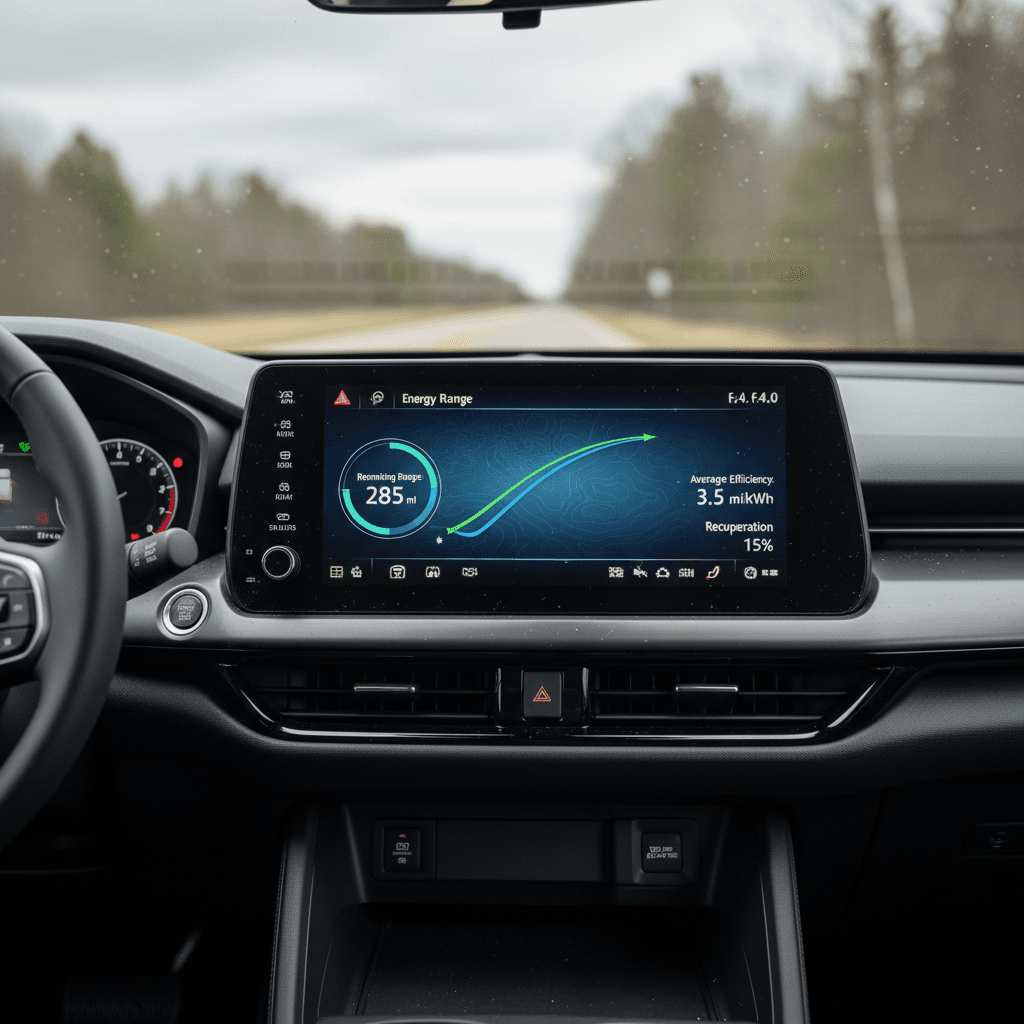
From a road‑trip perspective, the Prologue slots right into the modern EV SUV mainstream. It doesn’t have the heroic 300‑plus‑mile highway legs of the most efficient crossovers, but it’s perfectly workable if you drive like an adult and plan your charging. With its 155‑kW DC fast‑charge peak and roughly 35‑minute 20–80% times, you’re looking at a rhythm of 2.5–3‑hour stints followed by 20–35‑minute breaks, depending on how low you’re comfortable letting the state of charge drift.
Road‑trip planning checklist for Prologue owners
1. Base plans on 75–80% of EPA
Take your trim’s EPA figure and multiply by 0.75 or 0.8 to get a conservative planning number for highway legs. If your EX FWD claims 296 miles, plan around 225–240 miles per hop.
2. Target 10–80% state of charge
Charging from 10% to 80% is where the Prologue is happiest and fastest. The last 20% takes disproportionately long, so use it only when you truly need maximum reach.
3. Check charger reliability, not just location
Use apps like PlugShare or network apps to confirm recent check‑ins. An EA or EVgo station that ‘exists’ but doesn’t work is a much bigger problem for a 240‑mile EV than for one with 320 miles.
4. Layer in weather and terrain
If you’re climbing through mountains, driving into a winter headwind, or towing a small trailer, knock another 10–20% off your planning range until you see how your Prologue behaves.
5. Build in human breaks
Most families need a bathroom or snack stop every 2–3 hours anyway. If you sync those stops to your charging windows, the Prologue’s range becomes far less of an issue.
Seven tips to maximize your Prologue’s highway range
- Use adaptive cruise set a few mph lower than you normally would; 70 instead of 77 is a quiet range supercharger.
- Precondition the cabin while plugged in so you’re not burning battery to warm or cool a cold‑soaked interior.
- If your trim offers it, use an Eco or Normal drive mode instead of Sport; the throttle mapping gently discourages wasteful sprints.
- Mind your tires, keep them properly inflated and consider an efficiency‑oriented all‑season tire when it’s time to replace the factory set.
- Travel light when you can. Roof boxes, big bike racks, and unnecessary cargo all have an outsized effect on aerodynamic drag and energy use.
- On fast‑charger days, arrive with 10–20% rather than 40–50%; lower arrival SOC speeds up the initial charge ramp and shortens stop time.
- If your Prologue has route planning that factors charging, use it, but cross‑check with your own preferred networks and apps. Algorithms can be optimistic.
Treat range like a bank balance
Charging reality: DC fast speeds and spacing
The Prologue’s 155‑kW DC fast‑charge peak isn’t headline‑grabbing, but it’s enough to make the car a willing highway partner. Honda quotes about 65 miles of range in 10 minutes under ideal conditions and roughly 35 minutes to go from 20% to 80% state of charge. Again, the highway truth lives somewhere south of the brochure: colder packs, shared chargers and throttled stations can all tip those numbers.
What Prologue owners should know about highway charging
It’s not just how fast your car can charge, it’s how good the infrastructure is where you live.
Network mix matters
The Prologue leans on public networks like EVgo and Electrify America. That’s fine in dense corridors, trickier in rural gaps.
When shopping used, look at your local charger map, not just the spec sheet.
Plan around 30–40 minutes
On a long day, expect most fast‑charge stops to last about half an hour once you include plug‑in, restroom, and snack time.
If the station is busy, add a buffer for reduced power or wait times.
Protect the pack
Living on DC fast charging is hard on any battery. If you buy a used Prologue that’s lived its life on the highway, battery health matters.
At Recharged, every EV gets a Recharged Score with verified battery diagnostics so you know what you’re buying.
Used Honda Prologue: what highway‑range shoppers should look for
As early Prologues start trickling into the used market, highway range is going to be a dividing line between the cars you want and the cars you politely walk away from. Unlike a gas SUV, where a tired engine can be masked for a while, an EV with a tired pack tells on itself every time you watch the projected miles plummet faster than the odometer climbs.
Highway‑range checklist for used Prologue buyers
Ask about charging behavior
A Prologue that lived on DC fast chargers for three years on a rideshare circuit may have more degradation than one that mostly sipped Level 2 at home.
Check recent highway trips
On a test drive, reset the trip meter, hop on the highway, and compare energy use (Wh/mi) and projected range to EPA expectations.
Look at trim and wheels
If you care about range more than cosmetics, prioritize EX or Touring on 19‑inch wheels over an Elite on 21s.
Request battery health data
At <strong>Recharged</strong>, every EV comes with a <strong>Recharged Score Report</strong> that includes third‑party battery diagnostics, so you see how much usable capacity remains before you buy.
Factor your routes, not someone’s YouTube run
If your daily life is 40 miles of suburban errands and an occasional 200‑mile visit to family, you don’t need the same cushion as a weekly 500‑mile commuter.
The Prologue’s story isn’t that it’s a 300‑mile marvel; it’s that it’s a thoroughly competent 240‑mile highway SUV in a world that mostly drives 40 miles a day.
FAQ: Honda Prologue real‑world highway range
Frequently asked questions about Honda Prologue highway range
Bottom line: is the Honda Prologue a good highway EV?
The Honda Prologue’s real‑world highway range isn’t about shattering records; it’s about being quietly adequate. Figure on something in the mid‑200‑mile neighborhood at 70–75 mph in good weather, more if you’re gentle, less if the weather or wheels conspire against you. That puts it squarely in the current EV‑SUV mainstream: competitive, livable, and entirely capable of handling real American road trips if you’re willing to plan your charging like you once planned gas stops in the pre‑smartphone era.
If you’re considering a Prologue, especially on the used market, don’t just stare at the EPA number. Look at how and where you drive, which trim you’re eyeing, and what the charging map around you actually looks like. And when you’re ready to shop, a marketplace like Recharged can help you compare real EVs with verified battery health data, transparent pricing, financing, trade‑in options, and nationwide delivery, so you end up in a Prologue (or another EV) whose range fits your life, not someone else’s press release.