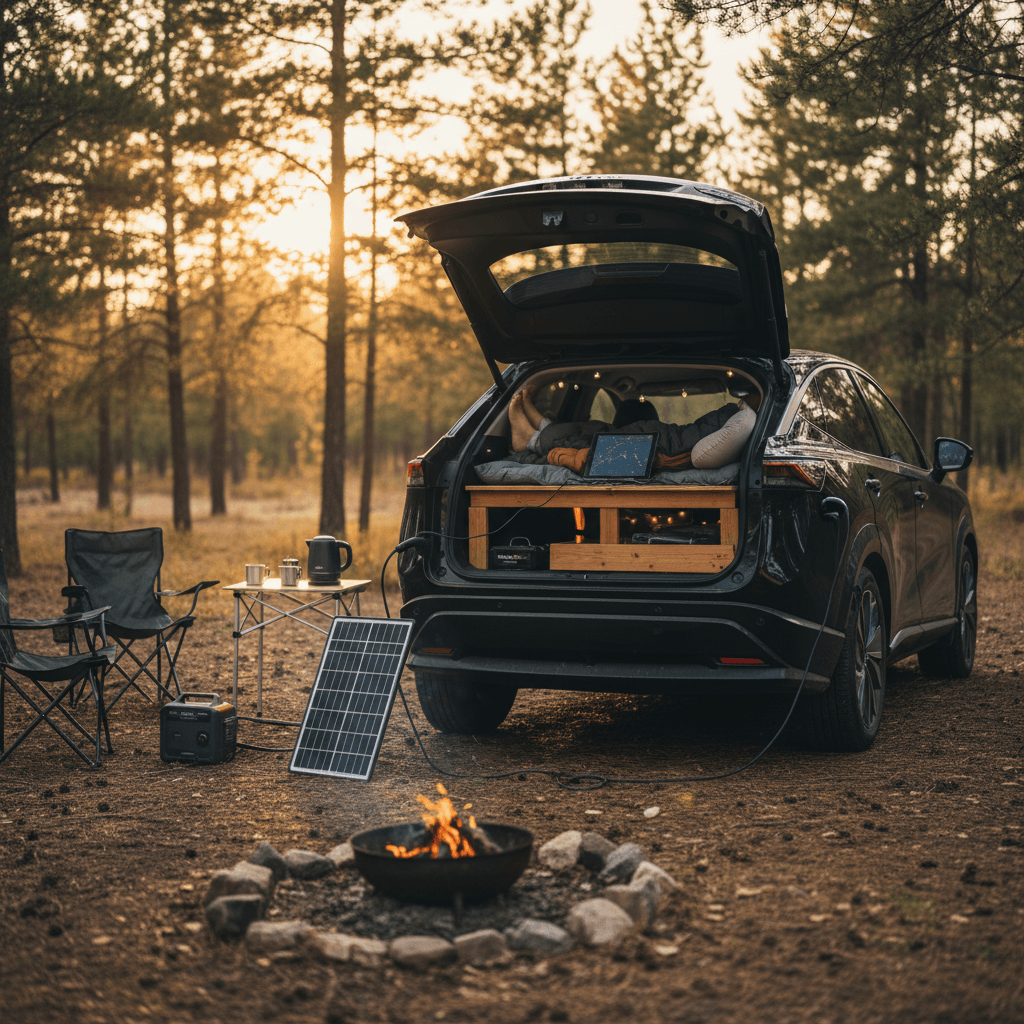
You can sleep in a Nissan Ariya, but how comfortable and practical it feels depends on how you set it up. The Ariya’s flat cargo floor, generous rear-seat space, and quiet EV drivetrain make it a surprisingly capable “mini camper” for road trips, rest stops, and the occasional night off the beaten path. The key is knowing its dimensions, climate-control quirks, and a few EV‑specific tricks.
Short answer
Is it actually possible to sleep in a Nissan Ariya?
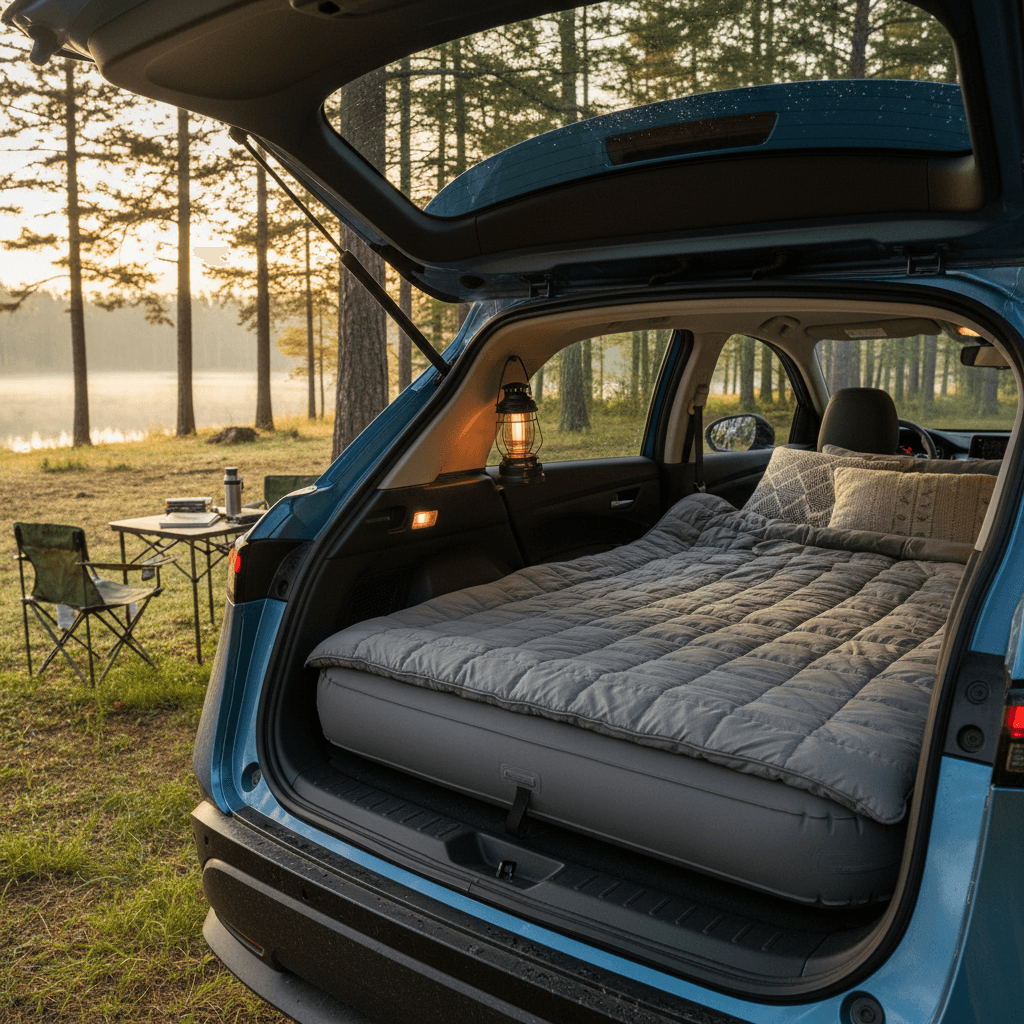
From a pure space and comfort standpoint, the answer is **yes**. The Nissan Ariya is a two‑row electric crossover with a **flat‑folding 60/40 rear seat** and a low, level cargo floor. With the second row folded, total cargo volume is about **59.7 cubic feet**, comparable to many compact and midsize SUVs, which is plenty for a camping pad, sleeping bag, and weekend gear.
Owners who use the Ariya for light camping typically describe it as comfortable enough for **one tall adult or two average‑height adults** lying diagonally or front‑to‑back. It’s not a full‑blown camper conversion, you’ll still be working around wheel wells and the taper of the hatch, but it’s far better than trying to sleep upright in the front seats.
What the Ariya does NOT have
Nissan Ariya interior and cargo dimensions for sleeping
Key Nissan Ariya cargo and interior numbers
Exact interior dimensions vary slightly by trim, but most U.S.‑market Ariya models share the same basic shell. Behind the rear seats you get about **22.8 cubic feet** of cargo space. Fold the **60/40 split rear seatbacks** and that jumps to roughly **59.7 cubic feet**, with a mostly flat load floor that is far more sleep‑friendly than in many crossovers.
In real‑world terms, that translates into **about six feet of usable length** if you slide the front seats forward a bit, and a **floor width in the mid‑50‑inch range** near the back of the cargo area. Taller adults (over 6'2") will usually sleep diagonally; couples often sleep slightly staggered or with knees bent.
Test it before your first trip
Best sleeping setups in a Nissan Ariya
Three practical sleeping layouts for the Ariya
Pick the one that fits your height, gear, and trip style
1. Full flat cargo bed
Best for: Solo sleepers or couples up to average height.
- Fold both rear seatbacks flat.
- Slide front seats forward, lean backs slightly.
- Lay down a tri‑fold memory‑foam mattress or thick camping pad (roughly full‑size width).
This is the simplest, most comfortable setup for most people.
2. Diagonal solo setup
Best for: Tall drivers who need the extra length.
- Fold the wider (60%) rear section.
- Recline the corresponding front seat and slide it forward.
- Sleep diagonally from the hatch corner toward the front seatback.
You gain a few extra inches without totally sacrificing front‑seat comfort.
3. One‑side sleeper + gear
Best for: Solo road‑trippers with lots of luggage.
- Fold only one side of the rear seat (usually the 60% section).
- Sleep on the flat side; stack gear on the upright side.
- Use soft duffels along the hatch to extend your legroom if needed.
Great balance of sleeping space and secure storage.
Quick checklist: setting up your Ariya for sleep
Choose the right mattress or pad
Aim for a pad that’s about the width of a full‑size mattress (but slightly shorter). Tri‑fold memory‑foam pads or thick air mattresses work well and can bridge any minor step between seatbacks and cargo floor.
Level out bumps and gaps
The Ariya’s floor is mostly flat, but you may feel small transitions where the rear seats meet the cargo floor. Fill those with foam blocks, a folded blanket, or a cargo liner to create a uniform surface.
Protect the interior
Lay down a sheet, tarp, or fitted cargo liner first. It keeps dirt, sand, and moisture off the carpet, and makes it easier to slide your mattress in and out.
Decide head‑toward‑hatch vs. head‑toward‑front
Some people prefer their head toward the hatch for easier exits; others like it toward the front for more privacy. Try both at home and see which feels more natural.
Plan where your gear will live
Use the front footwells, under‑floor storage, and space beside the mattress for duffels. Keeping heavier items low and secured prevents them from shifting while you drive or sleep.
Practice a quick conversion
If you’ll be moving between driving and sleeping often, rehearse your routine, where the pillows go, how the mattress folds, which panels slide forward, so you can convert the cabin in a couple of minutes.
Comfort, privacy, and storage tips
Dial in comfort
- Bring real bedding. A proper pillow and familiar blanket make the Ariya feel much closer to a tiny bedroom than an improvised back seat.
- Use seat heaters wisely. If your trim has heated seats, they’re nice for taking the edge off a cold evening before you shut the car down for the night.
- Control condensation. Crack two windows slightly on opposite sides or use small vent shades to keep fresh air moving and glass clearer.
Preserve privacy
- Window shades or DIY curtains. Reflective sunshades or cut‑to‑fit blackout panels work well for the hatch and rear windows.
- Use dark tint if legal. Factory tint plus legal aftermarket tint makes overnighting far less conspicuous.
- Be discreet with lights. Turn off the dome lights in the menu and keep screens dim so the cabin doesn’t glow like a lantern.
Because the Ariya has plenty of hidden and under‑floor storage, you can tuck away valuables and keep the main cabin uncluttered for sleep. Charging cables, tools, and emergency gear live nicely under the cargo floor, while soft bags and clothing can ride on the unused seat section or in the front footwells.
Good news on noise and ride
Running climate control while you sleep
One of the biggest advantages of sleeping in an EV is **silent, engine‑off climate control**. The Ariya doesn’t have an official “camp mode,” but you still have a few workable options to keep the cabin comfortable for naps or full nights.
Ways to keep the Ariya comfortable overnight
Each method trades convenience, battery use, and peace of mind
1. MyNissan app pre‑conditioning
Best for: Short naps, getting the cabin set before bedtime.
- Use the MyNissan app to start climate remotely.
- Expect it to run for roughly 10–15 minutes per activation.
- Good for a quick warm‑up or cool‑down, not for all‑night use.
2. Car left in "READY" with climate on
Best for: Longer stretches in extreme heat or cold.
- With the car in Park, leave it powered on (READY mode) with climate set to Auto and your preferred temperature.
- The system will cycle the HVAC to maintain temperature, drawing from the high‑voltage battery.
- Plan battery state of charge carefully before using this for many hours.
3. Windows cracked + bedding layers
Best for: Mild nights when you want to conserve battery.
- Skip active climate and rely on breathable bedding and small window vents.
- Use reflective shades to keep radiant heat out and privacy in.
- Ideal at campsites where noise and light discipline matter.
Safety first with climate control
Battery drain, safety, and range planning
How much battery you’ll use overnight depends on **outside temperature, your set cabin temperature, and how airtight your window setup is**. In mild conditions, many EVs can idle HVAC for the better part of a night and use only a modest chunk of the pack. In very hot or cold weather, consumption rises quickly.
Very rough battery‑use scenarios for overnighting
These are ballpark scenarios to help you think about range. Your real‑world results will vary.
| Scenario | Outside temp | Climate strategy | Estimated overnight impact |
|---|---|---|---|
| Rest‑stop nap, 1–2 hours | 60–75°F (mild) | Short app‑based pre‑conditioning, windows cracked | Negligible – a few percent at most |
| Cool, dry night camping | 40–55°F | READY mode with low fan, moderate temp | Low to moderate – plan for roughly 5–10% battery use |
| Cold snap or heat wave | Below freezing or 90°F+ | READY mode with higher fan, frequent cycling | Moderate to high – give yourself 15–25% buffer |
| Battery‑saver night | 50–65°F, mild | No active climate, only bedding and venting | Near zero – HVAC off, just standby losses |
Assumes a mid‑pack Ariya battery and a healthy vehicle. Always allow extra margin in unfamiliar conditions.
Always leave yourself a morning buffer
Using vehicle‑to‑load for camping
On certain trims, the Ariya offers **vehicle‑to‑load (V2L)** capability via a dedicated outlet or accessory adapter. That lets you run small household devices, like camp lights, a fan, a laptop, or an induction cooktop, directly from the high‑voltage battery. Output is typically capped around **1,500 watts**, which is plenty for most camp gear but not for energy hogs like space heaters or big hair dryers.
- Use low‑draw LED lighting instead of large lanterns.
- Boil water with an efficient electric kettle or induction plate, then switch off.
- Charge phones, cameras, and laptops while you’re awake rather than overnight.
- Avoid resistive heaters; they pull big power and are a fire risk in small spaces.
- Route cords neatly around the sleeping area to avoid tripping or tangling in the dark.
Think of the Ariya as your silent generator
When a Nissan Ariya is a good overnight camper, and when it isn’t
Where the Ariya shines
- Spontaneous overnights. Perfect for road‑trip naps, quick overnights in safe rest areas, or staying close to trailheads.
- Stealthy urban stops. Dark tint and quiet operation make it less conspicuous than a van or roof‑top tent.
- EV‑friendly campgrounds. If you can plug in at Level 2 while you sleep, you can often run climate liberally and still wake up with plenty of charge.
Where it falls short
- Extended off‑grid trips. Without reliable charging, frequent overnight HVAC use can eat into your range margin.
- Families with older kids. Two adults can make it work; more than that gets cramped fast.
- Harsh climates. In very hot or very cold weather, you’ll be balancing comfort, condensation, and battery usage carefully.
"The best car‑camping setups come from treating the vehicle like a small, versatile room, not a tent on wheels. The Ariya’s flat floor, quiet drivetrain, and smart packing can make an overnight remarkably civilized, as long as you respect the limits of space and battery."
FAQ: Sleeping in a Nissan Ariya
Frequently asked questions about sleeping in a Nissan Ariya
Thinking about a used Ariya for road trips and camping?
If your main question was **“can you sleep in a Nissan Ariya?”**, the answer is a confident yes, as long as you treat it like a thoughtfully packed tiny room, not a full‑size RV. The flat cargo floor, quiet drivetrain, and available vehicle‑to‑load power make it an appealing choice for road‑trippers who like the idea of an occasional night in the back instead of a hotel.
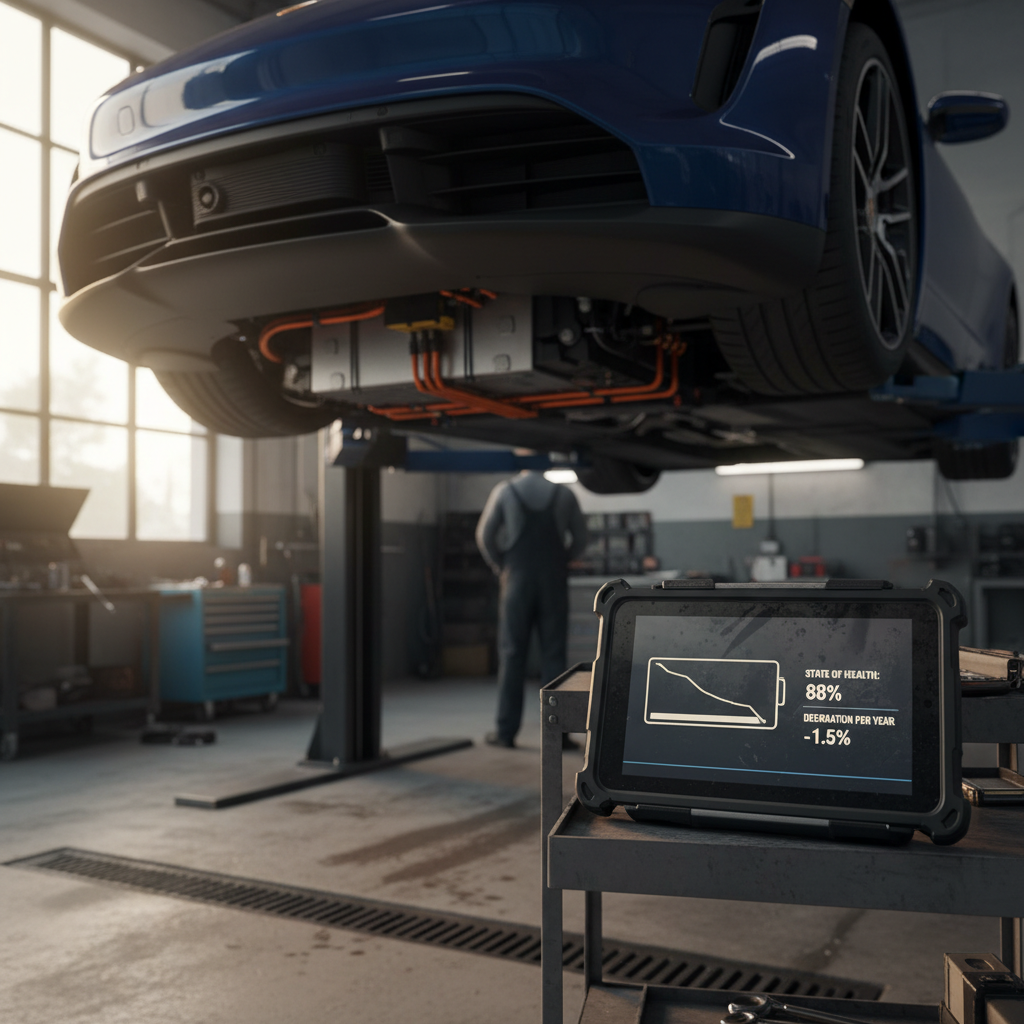
Where things really matter for long‑term enjoyment is **battery health** and charging behavior. That’s where a used Ariya from Recharged can simplify the decision. Every vehicle on our marketplace comes with a Recharged Score battery‑health report, fair‑market pricing, and expert EV guidance, so you know exactly how much real‑world range you’re working with before you plan that camping loop. If you’re curious how an Ariya, or any used EV, would fit your road‑trip life, you can explore options, compare models, and even arrange financing and delivery entirely online.