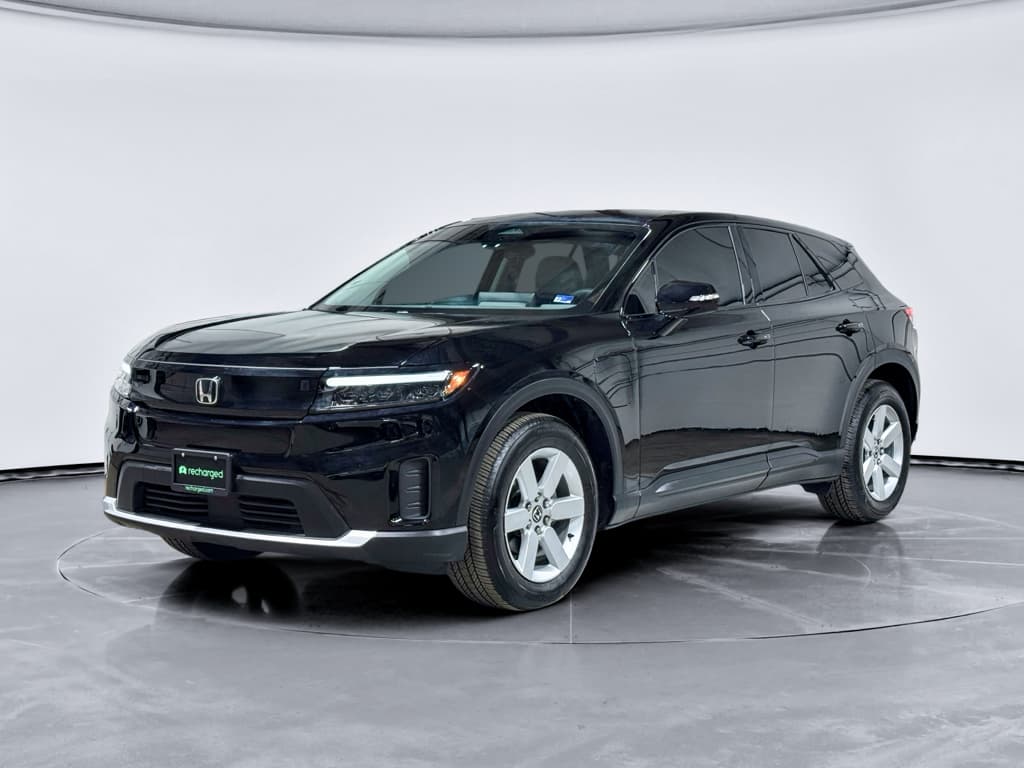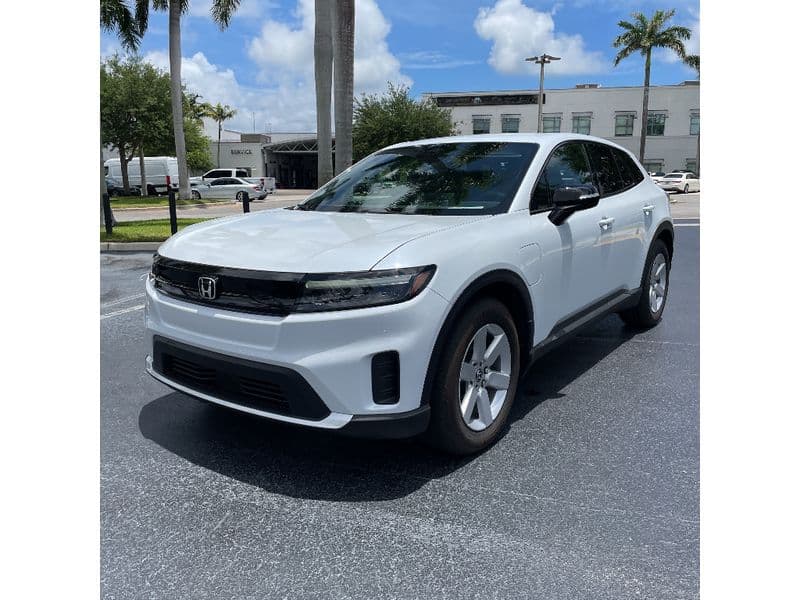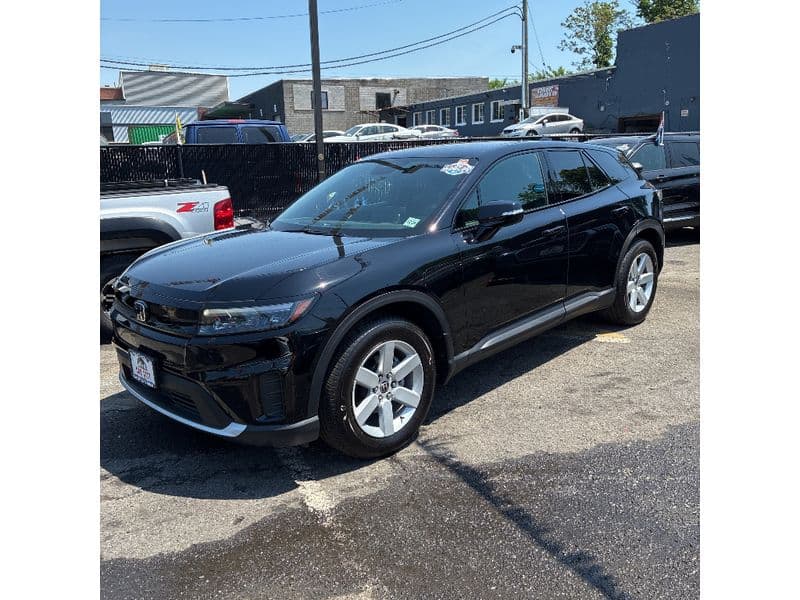
If you’re considering a Honda Prologue, you’re probably not just comparing horsepower and screen sizes, you want to know the *real* Honda Prologue long term ownership cost. How much will you spend over five years on charging, maintenance, insurance and depreciation, and how does that compare with a gas SUV or a used EV alternative?
At-a-glance takeaway
Why Honda Prologue long-term ownership costs matter
The Prologue is Honda’s first mass-market electric SUV, sized and priced against mainstream crossovers like the Hyundai Ioniq 5, VW ID.4 and Toyota bZ4X. It rides on GM’s Ultium platform, but Honda is targeting familiar buyers who might otherwise be considering a CR‑V Hybrid or Passport. That means **monthly cost, not just MSRP**, will determine whether this EV really makes sense for you.
- EVs shift a big portion of your costs from gas to electricity, which is generally cheaper but varies by state.
- Maintenance looks low at first, but tires and out-of-warranty repairs can show up around years 4–6.
- Depreciation is still the single biggest cost, especially in the first 2–3 years.
- Federal and state incentives can radically change your effective purchase price, especially if you buy used or qualify for point-of-sale tax credits.
Think in “cost per mile,” not just monthly payment
Honda Prologue price range, incentives and what you actually pay
2026 Honda Prologue MSRP by trim (before incentives)
Approximate starting prices for the 2026 Honda Prologue lineup in the U.S.
| Trim | Drivetrain | Approx. MSRP |
|---|---|---|
| EX | FWD | $47,000–$48,000 |
| EX | AWD | ~$50,000 |
| Touring | FWD | ~$51,500 |
| Touring | AWD | ~$54,500 |
| Elite | AWD | ~$57,900 |
Actual transaction prices vary by region, inventory and incentives.
With destination and typical dealer fees, most new Prologue buyers will see **out-the-door prices from the low $50,000s to low $60,000s**. That’s before incentives, which can be substantial:
- Federal EV tax credit: Depending on final IRS guidance and assembly/battery sourcing, certain Prologue configurations may qualify for up to $7,500, sometimes applied instantly at the dealer as a point-of-sale discount.
- State incentives: Many states add $1,000–$5,000 in rebates or tax credits for EVs, plus separate rebates for installing home charging.
- Utility rebates: Some utilities pay $200–$1,000 toward a Level 2 charger or offer reduced overnight rates.
Incentive fine print
5-year Honda Prologue cost to own: what the data shows
New Honda Prologue: 5‑year cost to own snapshot (estimates)
Third‑party cost‑to‑own calculators that have modeled the 2025–2026 Honda Prologue show **total 5‑year costs clustered around the low–to–mid $50,000s** when you add depreciation, charging, insurance, taxes, financing, maintenance and repairs. Depreciation alone accounts for roughly **half** of those costs.
Typical annual cost profile (years 1–5)
- Year 1: Highest depreciation and taxes, relatively low maintenance.
- Years 2–3: Depreciation slows, insurance and charging stay steady.
- Years 4–5: First out-of-warranty repairs and tire replacements show up.
What that means in real dollars
For a typical driver, it’s reasonable to expect the Prologue to cost about $8,000–$11,000 per year to own over the first five years, including depreciation. Your out‑of‑pocket cash flow will look lower if you finance over a longer term, but the underlying economics don’t change.
Charging cost vs gas: how efficient is the Honda Prologue?
Efficiency is where the Honda Prologue starts to pay you back. Front‑wheel‑drive Prologue models are rated around **104 MPGe combined**, or about **32–33 kWh per 100 miles**. Real‑world mixed driving will land most owners in that ballpark.
Estimated Honda Prologue charging cost vs gas SUV
Approximate fuel cost over 5 years at 12,000 miles per year.
| Vehicle | Energy use | Cost per 100 mi | Annual fuel cost (12,000 mi) | 5‑year fuel cost |
|---|---|---|---|---|
| Honda Prologue (FWD) | 32.5 kWh/100 mi | $5.20 | ~$624 | ~$3,120 |
| Efficient gas SUV (30 mpg) | 3.3 gal/100 mi | $12.38 | ~$1,485 | ~$7,425 |
| Midsize gas SUV (24 mpg) | 4.2 gal/100 mi | $15.63 | ~$1,875 | ~$9,375 |
Assumes electricity at $0.16/kWh and gas at $3.75/gal; your local prices may vary substantially.
Typical charging savings
If you live somewhere with **cheap overnight electricity**, your savings increase. If you rely heavily on **expensive DC fast charging**, your cost advantage over gas narrows, but you still avoid oil changes and many engine‑related repairs.
Home charging is where the savings are
Maintenance and repair costs: where EVs save you money
Like most EVs, the Honda Prologue has **no oil changes, spark plugs, timing belts, or exhaust system** to maintain. That’s the good news. The more nuanced picture is that tires, brakes (even with regen), and coolant service for the battery and drive unit still show up in the long‑term budget.
Honda Prologue maintenance: what to expect by year
These are generalized expectations based on EV norms and early cost-to-own models.
Years 1–2: Minimal costs
- Tire rotations, inspections
- Cabin air filter (if due)
- Very low likelihood of repairs
Expect a few hundred dollars per year at most.
Years 3–4: Tires & fluid checks
- First set of tires for higher‑mileage drivers
- Brake fluid and coolant inspections or service per Honda schedule
- Small chance of out‑of‑warranty repairs emerging
Year 5 and beyond
- Another set of tires likely around 40k–50k miles
- More frequent wear‑item replacements (wipers, brakes, etc.)
- Potential for a few hundred dollars per year in repairs once warranty ends
Battery and drivetrain warranty
Over the first 5 years, it’s reasonable to pencil in **$500–$1,300 per year for maintenance and occasional repairs**, with the higher numbers reflecting premium tire replacements or higher‑mileage driving. That’s broadly competitive with, or better than, a similarly sized gas SUV, particularly once engine‑related work starts on the ICE vehicle.
Insurance, taxes and fees for a Honda Prologue
Insurance on a new EV SUV like the Prologue tends to run slightly higher than a comparable gas model, mostly because of higher vehicle value and expensive collision repairs. On the other hand, some insurers now offer **EV discounts** or lower rates for drivers with telematics‑verified low risk.
- Insurance: Many owners will see premiums in the **$1,000–$1,800 per year** range depending heavily on age, location, driving history and credit.
- Registration & property tax: Some states levy higher registration fees on EVs to replace gas tax revenue, while others discount EV registration. Over 5 years this can easily add or subtract **$500–$1,500** from your total ownership cost.
- Charging equipment: A quality Level 2 charger plus installation can run **$800–$2,000**. Some utilities and state programs reduce that via rebates.
Watch for EV-specific fees
Honda Prologue depreciation and resale value
Depreciation, how fast the vehicle loses value, is the **single biggest line item** in your Honda Prologue long‑term ownership cost. Early estimates from cost‑to‑own tools suggest about **$25,000–$31,000 of value lost over five years** for a new Prologue driven at average mileage.
Why Prologue values may hold better than some EVs
- Honda brand equity: Historically strong resale and perceived reliability can support used values.
- Practical packaging: Generous rear-seat and cargo space keeps it attractive on the used market.
- Reasonable efficiency: Around 3.3–3.4 mi/kWh makes it competitive with other electric SUVs.
Forces that could push values down
- Rapid improvements in battery tech and range on newer EVs.
- Future price cuts on new EVs as competition intensifies.
- Uncertainty about Ultium‑platform long‑term perception and reliability.
This is why **buying used** can dramatically reduce your cost per mile: the first owner eats the steepest part of the depreciation curve.
How Recharged can help on depreciation
New vs used Honda Prologue: which has lower long-term cost?
If you care about total cost of ownership more than being the first owner, a **used Honda Prologue** is usually the smarter move. Someone else has already taken the steepest hit on depreciation, and EV drivetrains are mechanically simple enough that a 2–3‑year‑old Prologue with a strong battery can be a very rational buy.
New vs used Honda Prologue: cost-of-ownership trade-offs
How buying new compares to buying a 2–3‑year‑old Prologue from a cost perspective.
| Factor | New Prologue | 2–3‑year‑old Prologue |
|---|---|---|
| Purchase price | Highest; full MSRP minus available incentives | 15–35% lower than new, depending on miles and market |
| Depreciation | Steep in years 1–3 | Much slower after initial drop |
| Warranty | Full bumper‑to‑bumper and battery coverage | Portion of original warranty remaining; battery still under warranty in most cases |
| Technology | Latest software and safety features | Very similar; Prologue is a recent design |
| Tax credits | Potential federal and state incentives on new purchase | Some states and lenders support used‑EV incentives or low‑APR financing |
| Total 5‑year cost | Highest overall dollars, lowest age/miles | Typically lower cost per mile, especially if you buy intelligently |
Assumes both vehicles are financed and driven similar annual miles.
Why a used Prologue pairs well with Recharged
Ready to find your next EV?
Browse Vehicles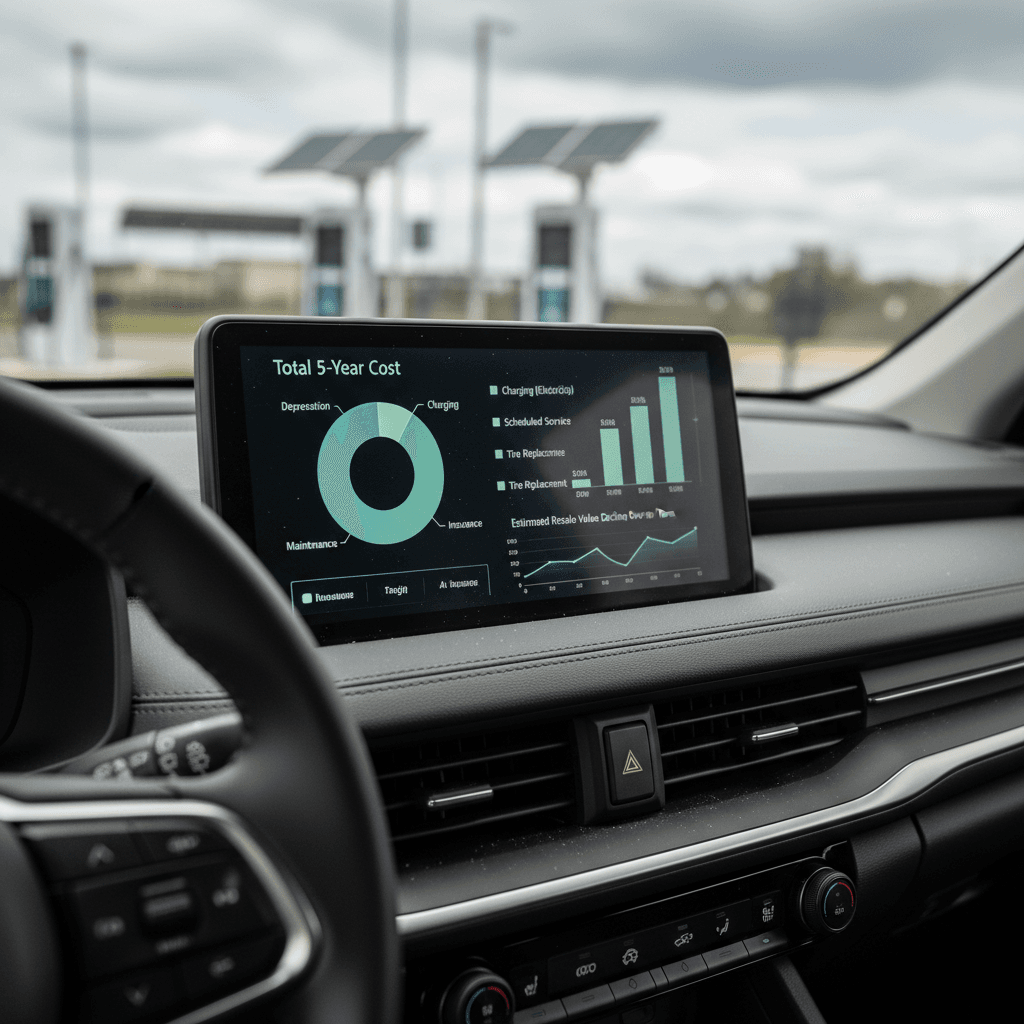
7 ways to lower your Honda Prologue long-term ownership cost
Practical steps to reduce Prologue ownership costs
1. Right-size your trim and options
Skip features you don’t truly value long term. An EX or Touring trim may meet your needs just as well as an Elite while saving thousands up front and reducing depreciation exposure.
2. Buy slightly used instead of brand new
A 1–3‑year‑old Prologue has already absorbed the largest depreciation hit. Buying through a platform like Recharged lets you see battery health and pricing transparency so you’re not guessing.
3. Charge primarily at home on off‑peak rates
Use a Time‑of‑Use (TOU) rate plan if possible. Scheduling your Prologue to charge overnight can cut your per‑kWh cost dramatically compared with daytime or DC fast charging.
4. Take tire wear seriously
EVs are heavy and torque‑rich, which can chew through cheap tires. Rotate regularly, keep pressures in spec, and choose efficient, long‑wear all‑season tires to avoid surprise $1,000+ tire bills.
5. Avoid unnecessary dealer add-ons
Paint sealants, nitrogen fills and extended warranties are high‑margin items that often don’t pencil out. Put that money toward your charging setup or a larger down payment instead.
6. Shop insurance annually
Quote your Prologue with multiple insurers every renewal. EV rates are evolving quickly, and some companies are far more competitive on electric SUVs than others.
7. Protect the battery’s long-term health
Avoid regularly fast‑charging from very low state‑of‑charge to 100%. Parking in shade, using scheduled charging, and limiting 0–100% cycles helps preserve range, which supports resale value.
Costly habits to avoid
FAQ: Honda Prologue long-term ownership costs
Frequently asked questions about Honda Prologue long-term costs
Bottom line: Is the Honda Prologue cheap to own long term?
Viewed purely through a cost‑of‑ownership lens, the Honda Prologue is a **financially rational choice** if you drive a typical or higher‑than‑average number of miles per year, have access to home charging and plan to keep the vehicle beyond the steepest years of depreciation. Its charging efficiency, relatively low maintenance needs and potential access to incentives offset the higher sticker price compared with a traditional gas SUV.
If you want to tilt the math clearly in your favor, the sweet spot is often a **2–3‑year‑old Prologue with a healthy battery, bought at a fair market price**. That’s exactly where a used‑EV specialist like Recharged adds value: transparent Recharged Score battery diagnostics, clear pricing, financing and trade‑in support, and nationwide delivery, all designed to make EV ownership as predictable as possible. When you treat the Prologue as a long‑term cost‑per‑mile decision instead of just a monthly payment, it can be a compelling, practical electric SUV.