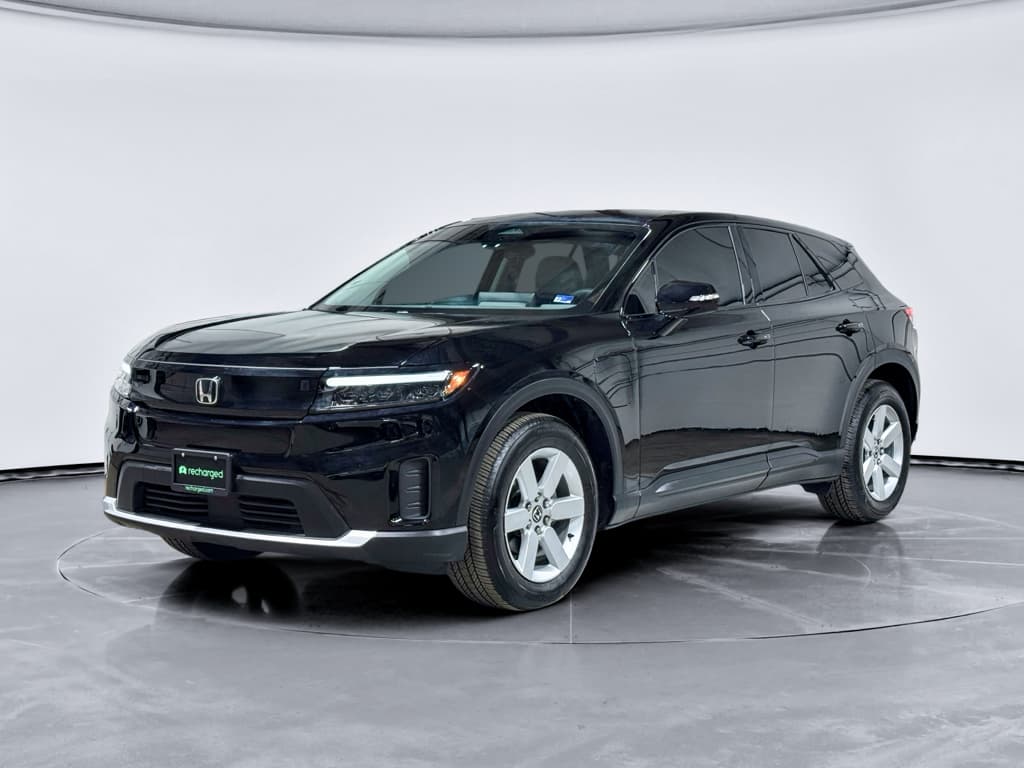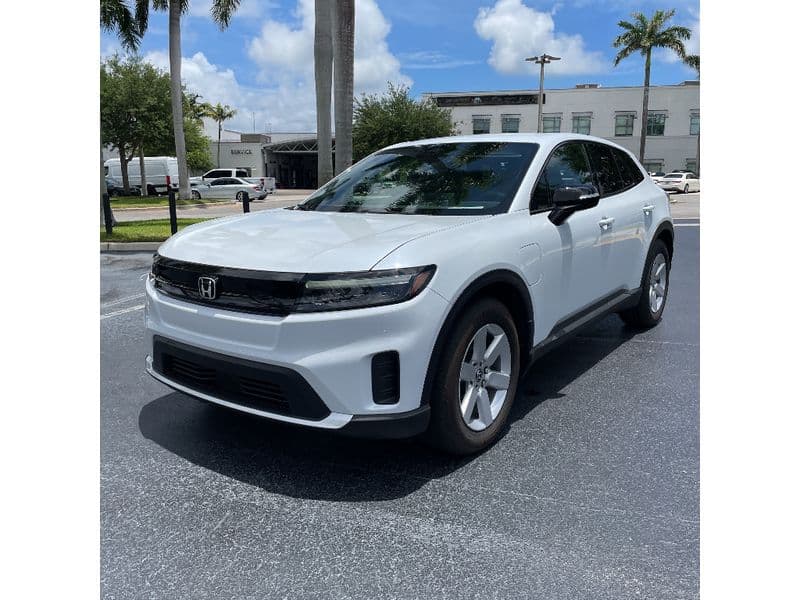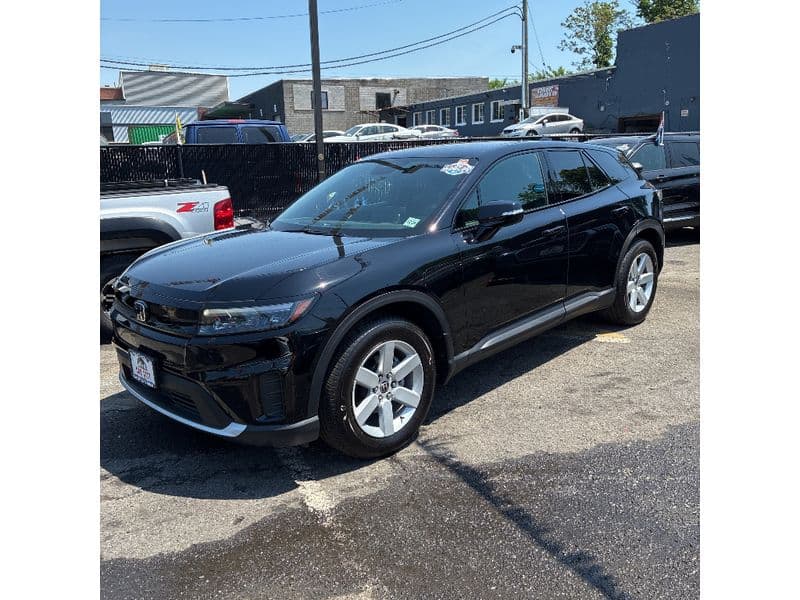
If you’re cross‑shopping the Honda Prologue against gas SUVs, you’re probably wondering what the **Honda Prologue annual maintenance cost** really looks like once the new‑car shine wears off. The short answer: routine maintenance on a Prologue is usually **hundreds of dollars per year, not thousands**, and it’s noticeably cheaper than a comparable gas Honda SUV.
Quick answer
How much does Honda Prologue maintenance really cost?
Honda Prologue maintenance at a glance
There’s no single magic number that fits every driver, but you can build a realistic budget by looking at what the Prologue actually needs: **tire rotations, inspections, filters, and occasional fluids**, plus wear items like wiper blades. Over a typical 5‑year period, that tends to land most Prologue owners in the **$1,250–$2,000 total maintenance** range, depending on mileage and service choices.
Don’t confuse maintenance with repairs
Why EVs like the Honda Prologue are cheaper to maintain
Under the skin, the Honda Prologue is a **battery‑electric SUV**. That means there’s no engine oil, spark plugs, timing belt, exhaust, or multi‑speed automatic transmission to service. Multiple large‑scale ownership studies in the U.S. show that battery‑electric vehicles typically cost **about 30–50% less** to maintain than comparable gas vehicles once you average things out over several years of driving.
- No oil changes or oil filters
- No spark plugs, fuel filters, or engine air filters
- No transmission fluid changes for a traditional multi‑gear automatic
- Less brake wear thanks to strong regenerative braking
- Fewer moving parts overall in the drivetrain
For the Prologue, the practical effect is that **scheduled maintenance visits are mostly about tires, inspections, and a few filters and fluids**. You’ll still visit a service bay, but less often, and for shorter, cheaper jobs than a similar gas SUV would require.
EV savings compound over time
Honda Prologue maintenance schedule and typical pricing
Honda’s official Prologue maintenance schedule is built around **tire rotations roughly every 7,500 miles**, periodic inspections, and a handful of time‑ or mileage‑based items like the cabin air filter and high‑voltage system coolant. Below is a simplified view for planning and budgeting in the U.S. (dealer pricing varies by region):
Typical Honda Prologue maintenance items and costs (U.S.)
Approximate retail pricing for routine Prologue services at a Honda dealer, before tax and shop fees. Independent shops may be cheaper.
| Interval (whichever comes first) | Service | What’s done | Typical price (dealer) |
|---|---|---|---|
| Every 7,500 miles / ~12 months | Tire rotation & multi‑point inspection | Rotate tires, check brakes, suspension, fluids, software updates if needed. | $60–$120 |
| Every 15,000 miles / ~2 years | Rotation + inspection (repeat) | Tire rotation and inspection; some dealers bundle cabin filter check. | $80–$150 |
| Around 30,000 miles / ~3 years | Cabin air filter replacement | Replace cabin dust & pollen filter that feeds HVAC system. | $80–$160 |
| Every 5 years or ~100,000 miles | High‑voltage coolant service | Drain/fill EV system coolant for battery, drive unit, and power electronics per Honda guidance. | $350–$600 |
| As needed (often 3–5 years) | Wiper blades, key fob batteries, etc. | Wear‑and‑tear consumables replaced as needed. | $50–$150 |
| Tires: ~30,000–50,000 miles | Tire replacement & alignment | Set of four tires and an alignment; cost depends on brand and wheel size. | $900–$1,400 |
Actual prices vary by dealer and region; always confirm with your local service department.
Complimentary maintenance on new Prologues
Estimated annual maintenance cost by mileage
To translate the schedule into something you can actually budget around, it helps to look at **annual maintenance cost bands** for different driving patterns. These estimates assume typical dealer pricing in the U.S., with some owners using independents or tire chains for simple jobs like rotations and tires.
Annual Honda Prologue maintenance cost estimates
Approximate average over the first 5 years of ownership in the U.S.
Light‑mileage driver
Under 8,000 miles per year
- One visit per year for inspection & rotation
- Cabin filter every ~3 years
Estimated average: $200–$300 per year
Typical commuter
8,000–15,000 miles per year
- 1–2 rotations per year
- Cabin filter once in 5‑year period
Estimated average: $250–$450 per year
High‑mileage driver
15,000–20,000+ miles per year
- 2+ rotations per year
- More frequent tires and inspections
Estimated average: $400–$650 per year
These figures include a realistic share of tire and wiper costs spread out annually. They **do not** include insurance, registration, charging costs, or unexpected accident‑related repairs, those sit in other parts of your total cost of ownership.
5‑year maintenance cost outlook for a Honda Prologue
Put together, here’s what a **5‑year Honda Prologue maintenance budget** looks like for a typical U.S. owner who drives about 12,000 miles per year and uses a mix of dealer and independent shops:
Sample 5‑year Honda Prologue maintenance budget (12,000 mi/year)
Illustrative cost breakdown for a typical Prologue owner in the U.S., excluding insurance, registration, charging, and unexpected repairs.
| Year | Key services | Estimated annual maintenance cost |
|---|---|---|
| Year 1 | Tire rotation & inspection (possibly covered), wipers if needed | $0–$200 |
| Year 2 | Rotation & inspection (often last free one), minor items | $50–$250 |
| Year 3 | Rotation, cabin air filter, basic checks | $250–$450 |
| Year 4 | One or two rotations, possible early tire wear, wipers | $300–$600 |
| Year 5 | Rotations, potential tire set, basic checks | $350–$700 |
Assumes some complimentary maintenance in years 1–2 and standard wear on tires.
Totaling that range, a realistic **5‑year maintenance cost** for a Honda Prologue lands around **$1,250–$2,200** for a typical driver, not counting accident repairs. By contrast, similar‑size gas SUVs often fall in the **$2,500–$3,500** range over five years because of engine and transmission service, more brake wear, and more frequent fluid changes.
EV vs. gas: maintenance math
Dealer plans vs. pay‑as‑you‑go
If you’ve shopped a new Prologue, you’ve probably been pitched **prepaid maintenance packages** or dealer “protection plans.” For a gasoline car, those sometimes make sense because there are lots of oil changes and big multi‑point services. For a Prologue, the calculus is different.
What dealer plans usually cover
- Extra inspections that duplicate Honda’s built‑in schedule
- Tire rotations you might get free at a tire shop
- Cabin air filter changes, wipers, and other low‑cost items
Some Prologue owners have reported dealer plans priced in the $500–$800 range for a 3‑year lease that mainly cover tire rotations and a cabin filter.
When pay‑as‑you‑go wins
- Rotations can be done for $20–$40 at independent shops, or free at some tire chains.
- Cabin filters are easy DIY jobs, often $25–$50 for parts.
- EV brakes last a long time; expensive brake packages are usually overkill.
For many Prologue drivers, paying for service as needed ends up cheaper and more flexible than locking into a front‑loaded package.
Be wary of gas‑car style upsells
How to save money on Honda Prologue maintenance
Practical ways to keep Prologue maintenance costs low
1. Use Honda’s EV maintenance schedule, not generic dealer menus
Always start with the official schedule in the owner’s manual or app. If a dealer quote includes engine or transmission work, that’s a red flag you’re looking at a generic gas‑vehicle menu.
2. Rotate tires on time
Tire rotations every ~7,500 miles help you avoid premature tire replacement, a big single‑year expense. If you buy tires from a national chain, rotations are often free for the life of the tire.
3. DIY simple items
Cabin air filters and wiper blades are straightforward to replace yourself with basic tools. Doing those at home can cut the price by half or more compared with dealer parts and labor.
4. Shop around for tires
When the factory tires wear out, compare quotes from Honda dealers, warehouse clubs, and local tire shops. An extra 10–15 minutes of research can easily save you $200–$300 on a full set.
5. Avoid unnecessary brake work
Thanks to regenerative braking, many EVs need pads and rotors far less often than gas cars. Ask the technician to measure brake thickness and show you the numbers before approving major brake jobs.
6. Use software and app alerts
Pay attention to maintenance reminders in the Prologue’s infotainment system and app. Staying on schedule helps you catch small issues early, before they turn into more expensive repairs.
Leasing vs. owning and maintenance
Maintenance costs and used Honda Prologues
If you’re considering a **used Honda Prologue**, the good news is that the maintenance picture doesn’t suddenly get scary after the first owner. The drivetrain is still simple, and most of what you’ll face is predictable: tires, filters, and the occasional fluid service.
How maintenance fits into a used Honda Prologue purchase
What to check before you buy
1. Battery health & thermal system
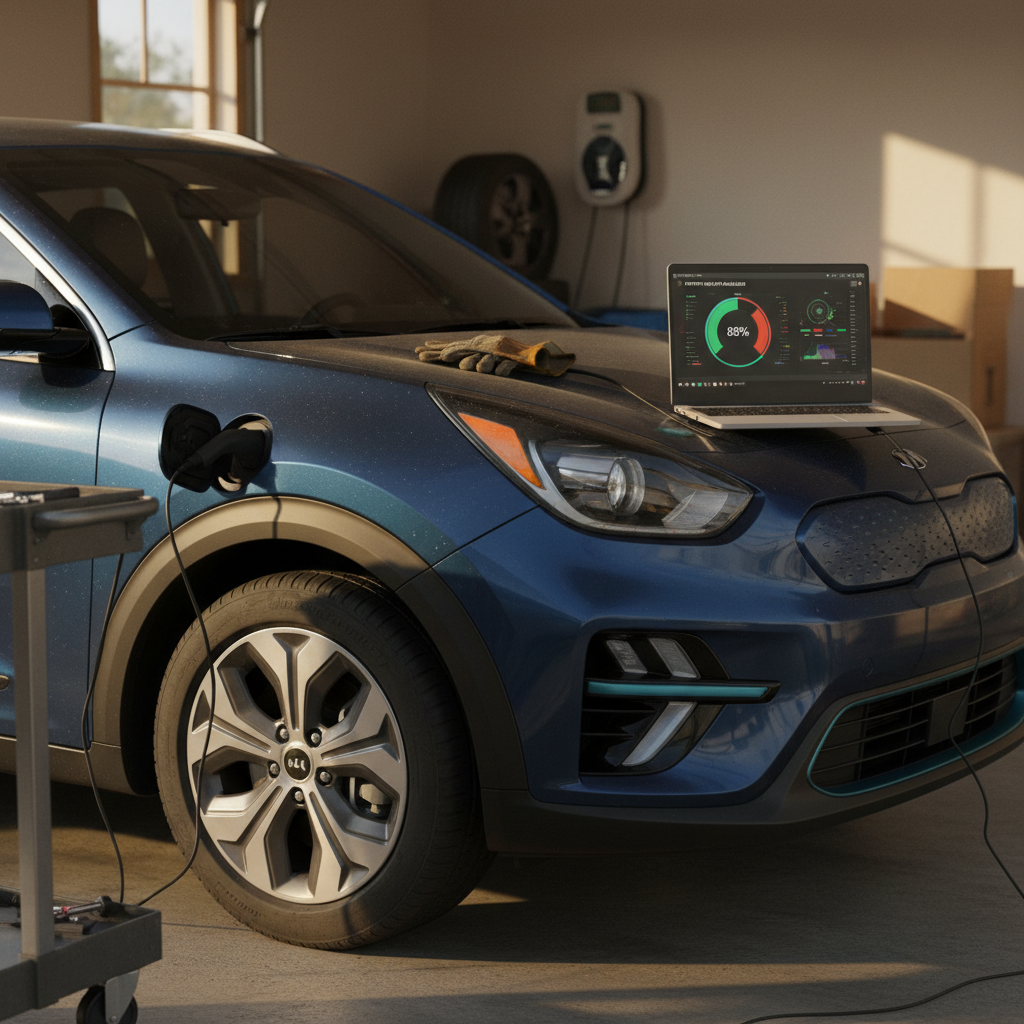
Battery packs and their cooling systems are durable but expensive if something goes wrong. A high‑quality used EV evaluation should include a battery health report and checks for any cooling system warnings or prior repairs.
2. Tires, brakes, and suspension
On a used Prologue, expect to budget for tires and potentially an alignment if the prior owner wasn’t diligent about rotations. Brake wear should still be modest, but verify pad thickness and rotor condition.
This is where a seller that specializes in used EVs can make your life easier. At Recharged, every vehicle comes with a **Recharged Score Report** that includes verified battery health, tire and brake condition, and fair‑market pricing. That lets you see, up front, how much real maintenance is likely in the next few years, before you commit.
FAQ: Honda Prologue annual maintenance cost
Frequently asked questions about Honda Prologue maintenance costs
Bottom line: Is the Honda Prologue expensive to maintain?
Looking strictly at **annual maintenance cost**, the Honda Prologue lands on the **cheap‑to‑own** side of the SUV world. Expect to budget a few hundred dollars a year for rotations, inspections, and minor wear items, with an occasional bigger year when tires enter the picture. Because so many traditional engine and transmission services disappear, the Prologue’s maintenance burden is usually **meaningfully lower than a comparable gas SUV** over a 5‑year horizon.
If you’re comparing EVs or deciding whether a used Prologue makes sense for your budget, knowing these maintenance numbers up front is powerful. And if you prefer to skip the guesswork entirely, you can shop used EVs on Recharged, where every vehicle comes with verified battery health, transparent pricing, and EV‑specialist support from your first question to delivery.