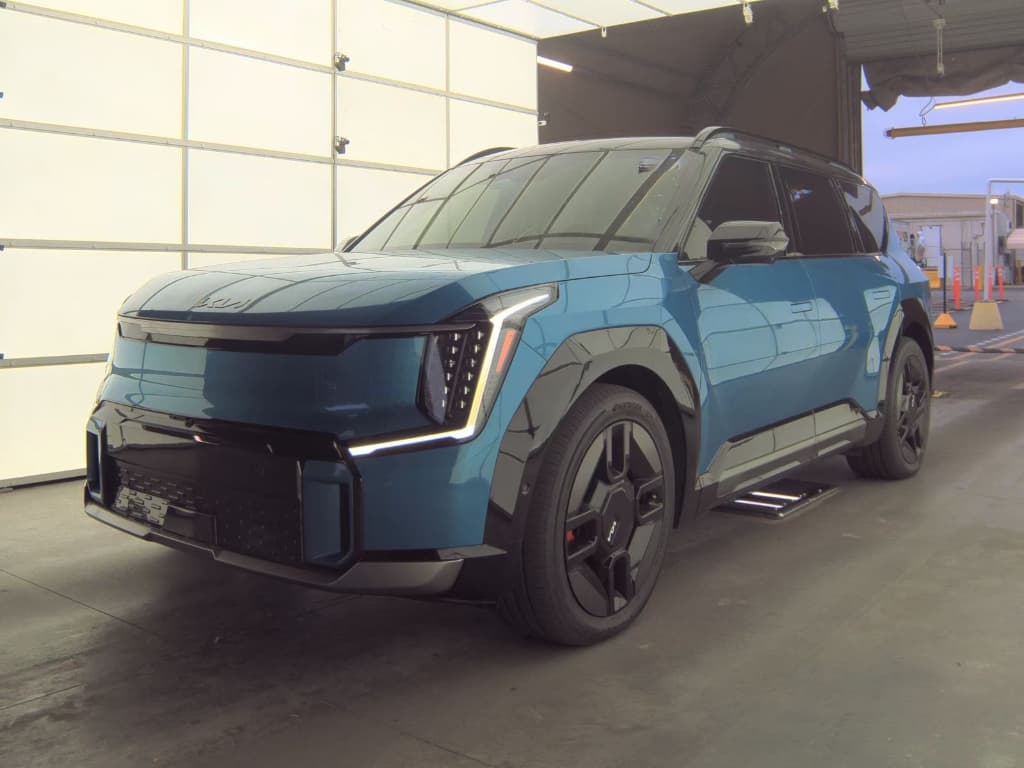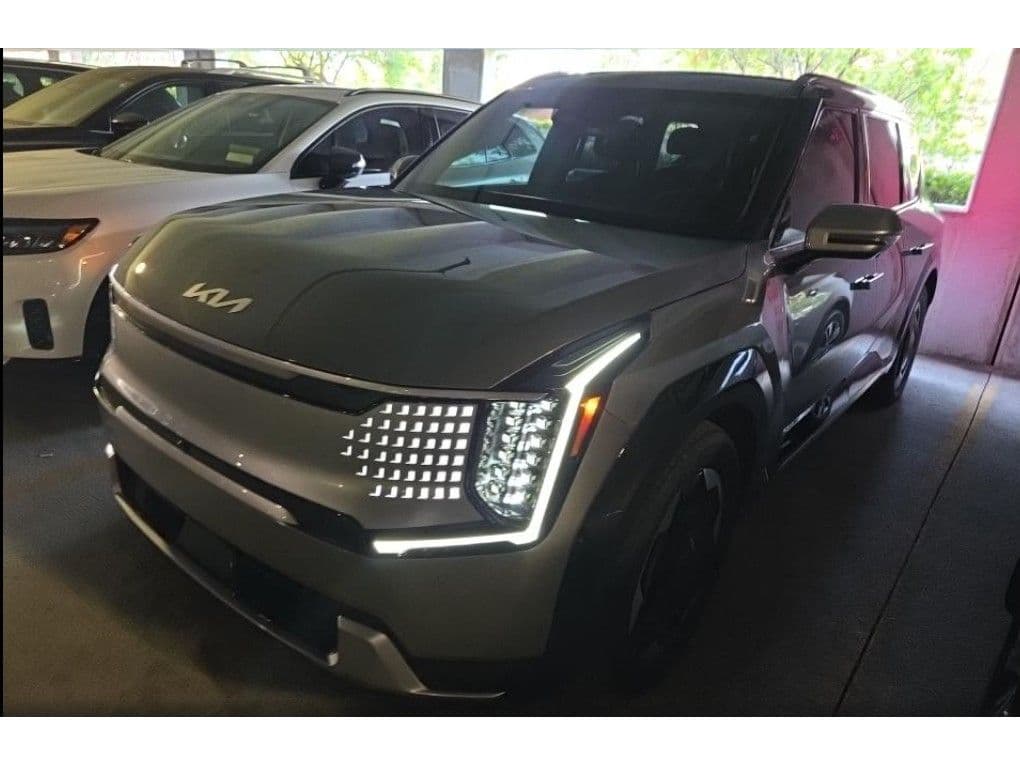
If you’re cross-shopping a Kia Telluride vs. Kia EV9, you’re not just comparing features and styling. You’re deciding between gas and full electric for the next 5–10 years of your life, and your budget. Total cost of ownership (TCO) is where the EV9 can quietly catch up to, or even beat, the Telluride, especially if you drive a lot or keep vehicles a long time.
What “Total Cost of Ownership” Really Means
Why Compare Kia Telluride vs. Kia EV9 on Total Cost?
The Telluride has become a go-to three-row SUV for families who want space and comfort without paying luxury-brand money. The EV9 aims at the same buyer, but with a fully electric drivetrain and a higher upfront price. On paper, the Telluride is cheaper to buy; in practice, the EV9’s lower running costs and potential incentives can narrow that gap over time.
- Both seat up to seven or eight passengers and can handle family duty or road trips.
- The Telluride uses a 3.8-liter V6 gas engine; the EV9 is fully electric with a large battery pack.
- The EV9 is eligible in many cases for federal and state EV incentives, while the Telluride is not.
- Fuel prices are volatile, while electricity costs tend to move more slowly and can be cheaper per mile, especially if you can charge at home.
Think in Miles, Not Just Years
Kia Telluride vs. EV9: Quick Total Cost Takeaways
High-Level Cost Factors: Telluride vs. EV9
Telluride vs. EV9: Fast TCO Snapshot
Where each SUV tends to win on cost
Telluride Advantages
- Lower upfront price.
- Simple fueling, gas stations everywhere.
- Strong demand in the used market today.
EV9 Advantages
- Much lower fuel cost per mile if you charge at home.
- Lower routine maintenance, no oil, no exhaust, fewer fluids.
- Potential federal and state EV incentives.
Toss-Up Areas
- Insurance can be similar, depending on trim and location.
- Resale will depend heavily on gas prices and EV adoption.
- Charging access vs. gas convenience in your daily life.
All Numbers Are Estimates
Sticker Price: Telluride vs. EV9
To understand total cost, you need a reasonable baseline for upfront price. Exact MSRPs vary by trim, options, and dealer discounts or markups, but you can think of the Telluride as a mid-$40,000 three-row SUV and the EV9 as a mid-to-high-$60,000 electric SUV before incentives. In the used market, both are already trading at a discount to new, though the EV9 is newer and supply is still thinner.
Typical New Pricing Ranges (Approximate)
Representative new-vehicle pricing bands to frame total cost, not formal quotes.
| Model | Powertrain | Typical New Price Band | Notes |
|---|---|---|---|
| Kia Telluride | 3.8L V6 gas | ~$40,000–$55,000 | LX/EX lower, SX Prestige X-Pro at the top end. |
| Kia EV9 | All-electric | ~$55,000–$75,000 | Light trim on the lower end, GT-Line and higher trims toward the top. |
Always check local dealer listings or marketplaces for current pricing.
Sticker Price Is Only the First Chapter
Fuel vs. Electricity: What Power Really Costs
This is the line item where the EV9 can quietly claw back thousands of dollars over time, especially if you mostly charge at home and drive at least 12,000 miles per year.
Telluride: Gasoline Costs
The Telluride’s V6 returns roughly 20–23 mpg combined, depending on driving mix and drivetrain. If you assume:
- 12,000 miles per year
- 21 mpg average
- $3.50 per gallon of gas
That’s around $2,000 per year in fuel, or about $10,000 over five years, more if gas spikes or you drive more miles.
EV9: Electricity Costs
The EV9’s energy use will depend on wheel size, driving style, and climate, but a fair planning number is about 2.5–3.0 miles per kWh.
- 12,000 miles per year
- 2.7 mi/kWh average
- $0.15 per kWh home electricity rate
That’s roughly $670 per year in home charging, about one-third of the Telluride’s fuel bill. Public DC fast charging will cost more per kWh, but most owners still do the majority of charging at home.

Run Your Own Fuel vs. Electricity Math
Maintenance and Repairs: Where EVs Usually Win
A big advantage for the EV9 is what it doesn’t have: no engine, transmission, spark plugs, timing chains, or exhaust system. The Telluride is a relatively straightforward gasoline SUV, but it still carries the usual list of wear-and-tear items and fluid services.
Typical Maintenance Profiles: Telluride vs. EV9
Not exact schedules, but realistic patterns over 5 years
Kia Telluride
- Regular oil and filter changes (2–3 per year for many drivers).
- Transmission fluid service on schedule.
- Engine air filter, spark plugs, belts, and hoses.
- Brake pads/rotors may wear faster due to less regenerative braking.
Kia EV9
- No oil changes or engine-related services.
- Coolant for battery and drivetrain checked on schedule.
- Tires can wear faster due to weight and torque.
- Brakes often last longer thanks to regenerative braking.
EV9’s Likely Edge on Maintenance
Insurance, Taxes, and Fees
Insurance is a wild card because it depends on your age, driving record, location, and how insurers view the relative risk and repair costs of each model. In many U.S. markets, EVs can run slightly higher in premiums than similar gas models due to higher repair costs and parts pricing, but the differences are often modest compared with fuel and depreciation.
- The EV9’s higher MSRP can nudge premiums upward compared with a base or mid-trim Telluride.
- Some states charge extra annual registration fees on EVs to recoup lost gas-tax revenue, factor this into your calculations.
- Local property or excise taxes (if applicable) are often tied to vehicle value, which tends to be higher for the EV9 early on.
Get Actual Quotes for Both SUVs
Tax Credits and EV Incentives
Here’s where the EV9 can get meaningful help that the Telluride simply doesn’t qualify for. Depending on how your EV9 is configured and where it’s built, buyers may be able to claim a federal clean vehicle tax credit and, in some states, additional rebates or HOV lane perks. The Telluride, as a conventional gas SUV, does not tap into these programs.
Incentive Checklist for EV9 Shoppers
Confirm Federal Eligibility
Check the latest federal clean vehicle credit rules for the EV9’s specific trim and whether you qualify based on income and tax liability.
Look for State and Local Rebates
States and utilities in parts of the U.S. offer additional rebates for EV purchases or home charger installation. These can cut thousands more off your effective cost.
Ask About Point-of-Sale Credits
Some incentives can be applied at purchase time through the dealer, lowering your financed amount and monthly payment.
Consider Used EV Incentives
If you’re shopping a used EV9, research the separate federal used clean vehicle credit rules, certain pre-owned EVs and buyers may qualify.
Incentives Change, Check Before You Buy
Resale Value and Depreciation
Resale is where the story gets more nuanced. The Telluride has, so far, held value very well in the used market thanks to strong demand, limited supply at launch, and its reputation as a solid family hauler. EVs have seen sharper depreciation in recent years as new models arrive quickly and pricing pressure builds, but that trend can shift as EV adoption grows and incentives change.
Telluride Resale Dynamics
- Strong name recognition among shoppers.
- Conventional powertrain reassures buyers who aren’t ready for EVs.
- Resale can track overall gas-SUV demand and fuel prices.
If gas prices spike, some buyers may move away from thirsty SUVs; if prices stay moderate, demand can remain robust.
EV9 Resale Dynamics
- Depreciation will depend heavily on battery health and range competitiveness.
- New EV incentives and price cuts on new EVs can pressure used values.
- As charging infrastructure and consumer comfort with EVs grow, long-range three-row EVs like the EV9 may become more desirable used.
A well-documented EV9 with strong battery health can hold its own, especially in markets with high gas prices.
Battery Health Is the Big Variable for Used EV9s
5-Year Cost Comparison: Sample Scenarios
To make this concrete, let’s walk through a simplified five-year ownership snapshot for a typical U.S. driver doing 12,000 miles per year. These aren’t quotes, but they illustrate how the main pieces interact. (Assume no major accidents or out-of-warranty failures.)
Illustrative 5-Year Cost of Ownership Snapshot
Very rough, directional math for a mid-trim Telluride vs. a comparably equipped EV9, including estimated fuel/energy and maintenance.
| Category (5 years) | Kia Telluride (Gas) | Kia EV9 (Electric) | Notes |
|---|---|---|---|
| Upfront price (net of incentives) | $45,000 | $60,000 | Assumes typical mid-trim examples and no incentives for Telluride; EV9 before any EV credits. |
| Fuel / Electricity | ~$10,000 | ~$3,500 | Telluride: ~$2,000/yr in gas; EV9: ~$700/yr home charging. |
| Maintenance (routine) | ~$3,000 | ~$1,500 | Oil changes, engine service vs. EV’s simpler maintenance. |
| Extra EV fees / registration | $0 | ~$500 | Some states add annual EV fees; varies widely. |
| Insurance difference | Baseline | +~$1,000 | Assume ~$200 more per year for EV9; your quotes may differ. |
| Estimated resale value | Higher % of original | Still evolving | Telluride currently has proven, strong resale; EV9’s long-term curve is still forming. |
Use this as a framework, substitute your own prices, incentives, and mileage for a personal estimate.
What the Sample Math Suggests
Charging Needs and Home Setup Costs
Fueling a Telluride is as simple as pulling into a gas station. The EV9 requires a little more planning up front, especially around home charging. That adds to cost in year one, but the payoff runs throughout the ownership period.
Upfront Charging vs. Fuel Convenience
Short-term spend vs. long-term savings
Home Charging Setup
- Many EV9 owners opt for a 240V Level 2 charger at home.
- Installation can range from a few hundred dollars to a couple thousand depending on panel capacity and distance.
- Once installed, home charging is typically the cheapest, most convenient way to "fuel" an EV9.
Gas Station Model
- No home install cost for the Telluride.
- All fueling done at retail pump prices.
- Time cost: regular trips to the station instead of plugging in at home overnight.
Leverage Utility Rebates for Home Chargers
Buying Used: Telluride vs. EV9
If you’re shopping used, the total-cost calculus changes again. Depreciation has already done some of the work for you, and you’re weighing ongoing operating costs against remaining life and risk.
Used Kia Telluride
- Historically strong resale, but you can now find off-lease and higher-mileage examples at meaningfully lower prices than new.
- Maintenance history matters, look for service records and pre-purchase inspections.
- Fuel and maintenance profiles remain similar to new; you’re just starting further down the depreciation curve.
Used Kia EV9
- The EV9 is newer to market, so used inventory is smaller but growing.
- Battery health and charging history are critical, these drive both performance and resale.
- Some used EV9s may still be within original factory battery and powertrain warranties.
On Recharged, every used EV comes with a Recharged Score, including verified battery health data, so you can compare used EV9s and other electric SUVs on more than just mileage and model year.
Don’t Buy a Used EV9 Blind
Who Should Choose the Telluride vs. the EV9?
The Kia Telluride and Kia EV9 can both be smart money decisions, just for different kinds of buyers and driving patterns. Total cost of ownership turns on how you use the vehicle, how long you keep it, and how comfortable you are with charging.
Which SUV Fits Your Cost Profile?
Match your driving and budget to the right Kia
Telluride May Fit Better If…
- You drive relatively few miles per year and fuel savings are modest.
- You don’t have easy access to home charging or can’t install it.
- You prefer proven gas-SUV tech and strong resale history.
EV9 May Fit Better If…
- You drive 12,000–20,000+ miles a year and want lower cost per mile.
- You can reliably charge at home and maybe at work.
- You value quiet, smooth EV driving and lower maintenance.
You’re Open Either Way If…
- Your miles are moderate, and you’ll likely swap cars in 3–5 years.
- You’re focused on monthly payment and can compare real finance offers on both.
- You’re shopping used and can find strong deals on either model.
FAQ: Kia Telluride vs. Kia EV9 Cost of Ownership
Frequently Asked Questions
Bottom Line: How to Decide Confidently
When you put the full picture together, the Kia Telluride vs. Kia EV9 total cost of ownership question comes down to how much you drive, how long you keep vehicles, and whether home charging fits your life. The Telluride asks for less money up front and offers a familiar ownership experience. The EV9 costs more to buy, but it gives you cheaper energy, simpler maintenance, and potential tax credits that can significantly narrow, or in some cases erase, the long‑term cost gap.
If you’re leaning toward an EV9 or another electric SUV but want transparency around real operating costs, a used EV marketplace like Recharged can help. Every vehicle comes with a Recharged Score, including verified battery health and fair‑market pricing, plus EV‑savvy support from first question to final paperwork. That way, whether you end up in a Telluride today or an EV9 tomorrow, you’re making a decision with your eyes wide open, and your long‑term budget in focus.