When you’re hunting for good second cars to buy, you’re not just repeating the search you did for your main family vehicle. A second car usually has a narrower mission: school runs, commuting, backup duty or helping you test the waters with a used electric vehicle. Getting clear on that job is the key to choosing something that’s easy to live with and cheap to run.
Quick definition
Why a “good second car” is different from a first car
Your main car has to do almost everything: long trips, family vacations, bad‑weather duty and daily errands. A second car rarely needs to cover all that. That difference opens up smarter, cheaper options, especially if you’re willing to consider a used EV for local driving while keeping a gasoline SUV, minivan or truck for road trips and towing.
How second-car priorities usually differ
Same household, very different job description
Lower mileage
Lower budget
Perfect EV use case
Think in terms of "jobs, not cars"
Step 1: Define the job your second car must do
Common jobs for a second car
1. Daily commuter
Short to medium highway trips, often solo. Priorities: fuel or energy efficiency, comfort, safety tech and rock‑solid reliability.
2. School‑run shuttle
Multiple short trips with kids and gear. Priorities: easy loading, good visibility, strong safety ratings and low running costs.
3. City car and errand‑runner
Tight parking and stop‑and‑go traffic. Priorities: small footprint, easy maneuvering, simple tech and great efficiency.
4. Backup / "emergency" car
Sits more than it drives but must start every time. Priorities: proven reliability, low insurance, modest purchase price.
5. EV “test bed”
You’re EV‑curious but not ready to go all‑in. Priorities: used EV with healthy battery, home charging and realistic range for local driving.
Avoid overlapping roles
Great second cars to buy for families
For many households, a second car backs up the main family hauler. It might handle school runs while the larger SUV does road‑trip duty, or it might be the weekday workhorse while the truck waits for weekends. In that role, a compact crossover or efficient hatchback tends to shine.
Why crossovers and small SUVs make excellent second cars
Good second cars to buy for family duty
Representative examples of practical, relatively affordable used choices. Exact pricing depends on model year, trim and condition.
| Model type | Why it works as a second car | Best for |
|---|---|---|
| Compact hybrid SUV (e.g., Toyota RAV4 Hybrid, Honda CR‑V Hybrid) | Room for kids and gear, excellent fuel economy, good resale value. | Families who want SUV practicality without the gas bill of a larger three‑row. |
| Non‑hybrid compact SUV (e.g., Mazda CX‑5, Hyundai Tucson) | Easier to park than a big SUV, still comfortable on highways. | Suburban families with a large primary SUV or minivan already. |
| Compact hatchback (e.g., Toyota Corolla Hatchback, Mazda3) | Lower cost than SUVs, still works for school runs and errands. | Households that don’t need a second tall‑riding vehicle. |
| Used three‑row crossover (e.g., Kia Sorento, Hyundai Palisade) | Gives you flexible seating when the primary vehicle is in use. | Larger families that sometimes need two three‑row vehicles at once. |
Think of these as starting points, always confirm pricing and history on specific vehicles near you.
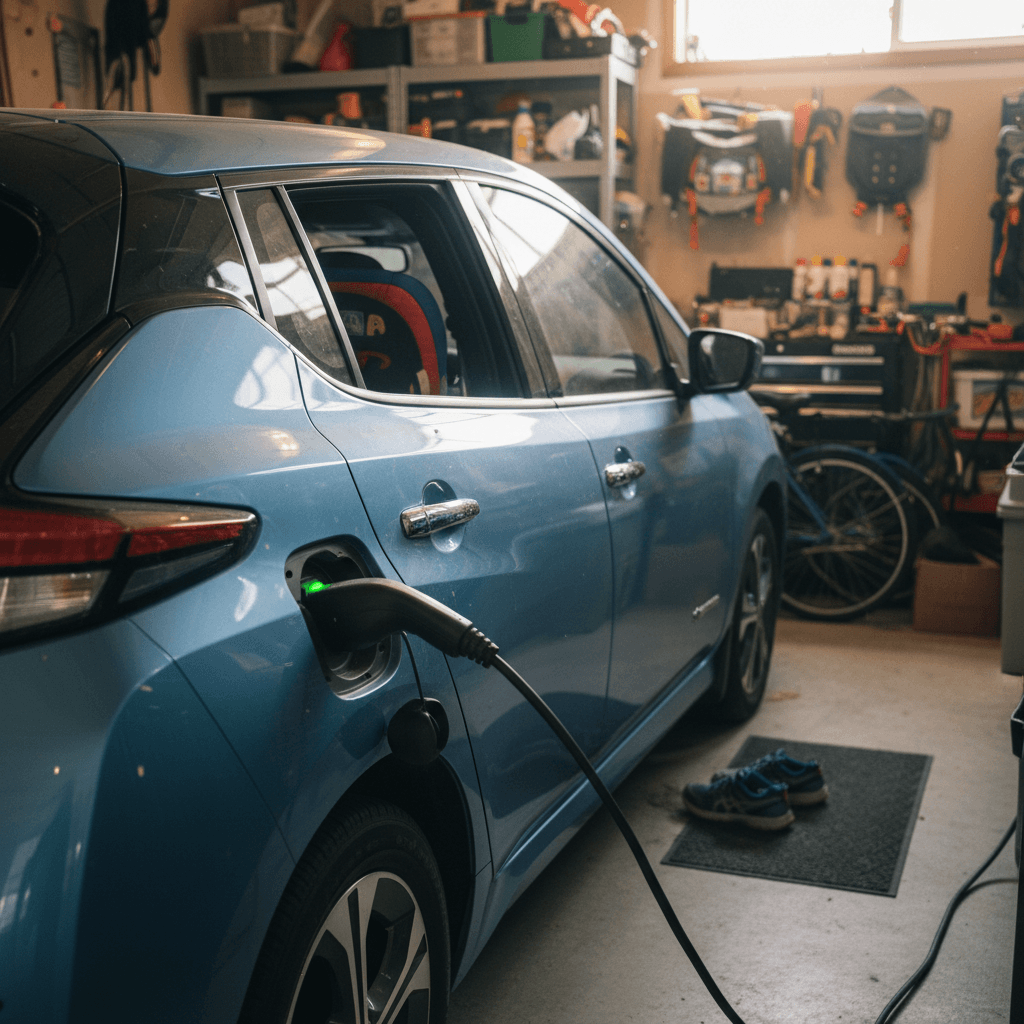
How a used EV fits here
Good second cars for commuters and city drivers
If commuting or city errands are the main job, you want something that makes traffic and parking less painful. Here, sedans, hatchbacks and smaller EVs stand out. You don’t need the bulk, or the gas bill, of another big SUV just to crawl through rush‑hour traffic.
Best traits for a commuter second car
- Comfortable seat and driving position for 30–60 minutes at a time.
- Adaptive cruise control and lane‑keep assist to ease highway slogging.
- Excellent fuel economy or range to keep costs low.
- Calm, quiet cabin so you arrive at work less stressed.
Best traits for a city / errand car
- Short overall length and tight turning circle for parallel parking.
- Simple, durable interior you don’t worry about scuffing.
- Good visibility for pedestrians, bikes and tight alleys.
- Easy smartphone integration for maps and calls.
Examples of good second cars for commuting and city use
Mix and match these templates with what’s available used near you
Reliable midsize sedan
Compact hatchback
Small used EV
Match car to parking reality
Why a used EV makes a brilliant second car
From a purely numbers standpoint, the second‑car spot in your driveway is often the best place to start with an EV. You keep your gasoline vehicle for long trips and towing, while a used electric car quietly slashes fuel and maintenance costs on the short, repetitive trips that get expensive in stop‑and‑go traffic.
Used EV as a second car: a numbers snapshot
The catch: battery health
This is exactly the problem Recharged was built to solve. Every EV listed on the marketplace includes a Recharged Score Report with verified battery health, detailed usage history where available, and a pricing analysis so you know if you’re paying a fair number for the remaining life of the pack.
Examples of good used EVs to consider as a second car
The right used EV for you will depend on budget, local inventory and how far you drive in a typical day. But a few patterns show up again and again among smart second‑car choices.
Used EV examples that work well as second cars
Representative models that often offer strong value, good range and family‑friendly practicality on the used market.
| Use case | Example EVs | Why they make good second cars |
|---|---|---|
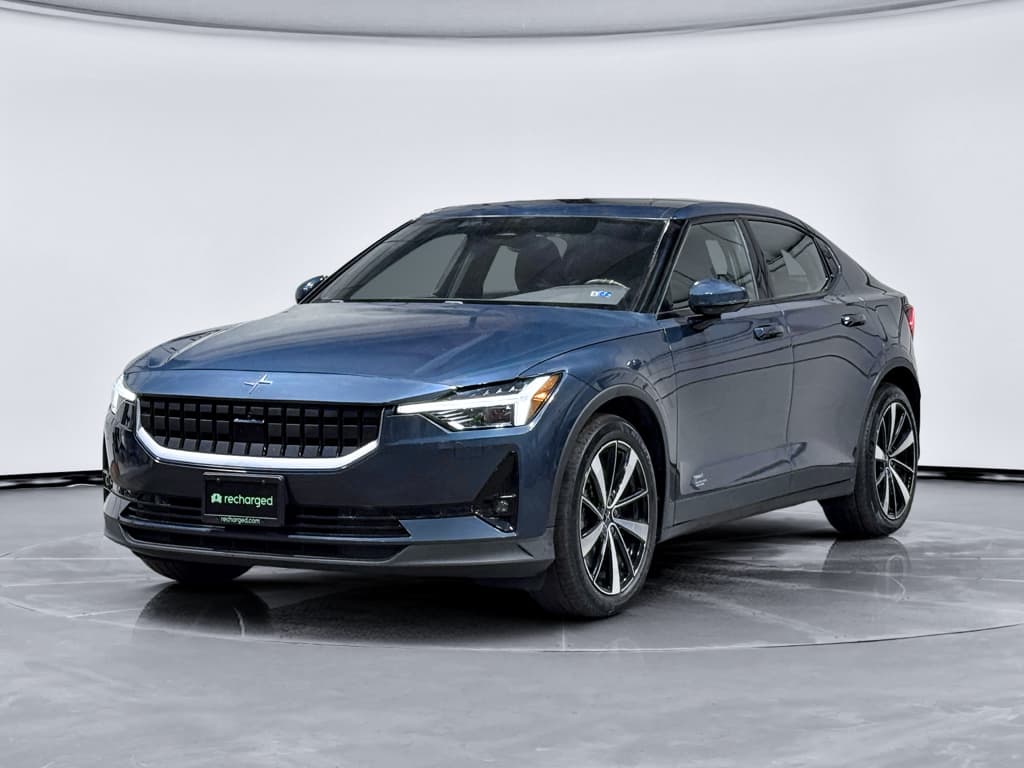
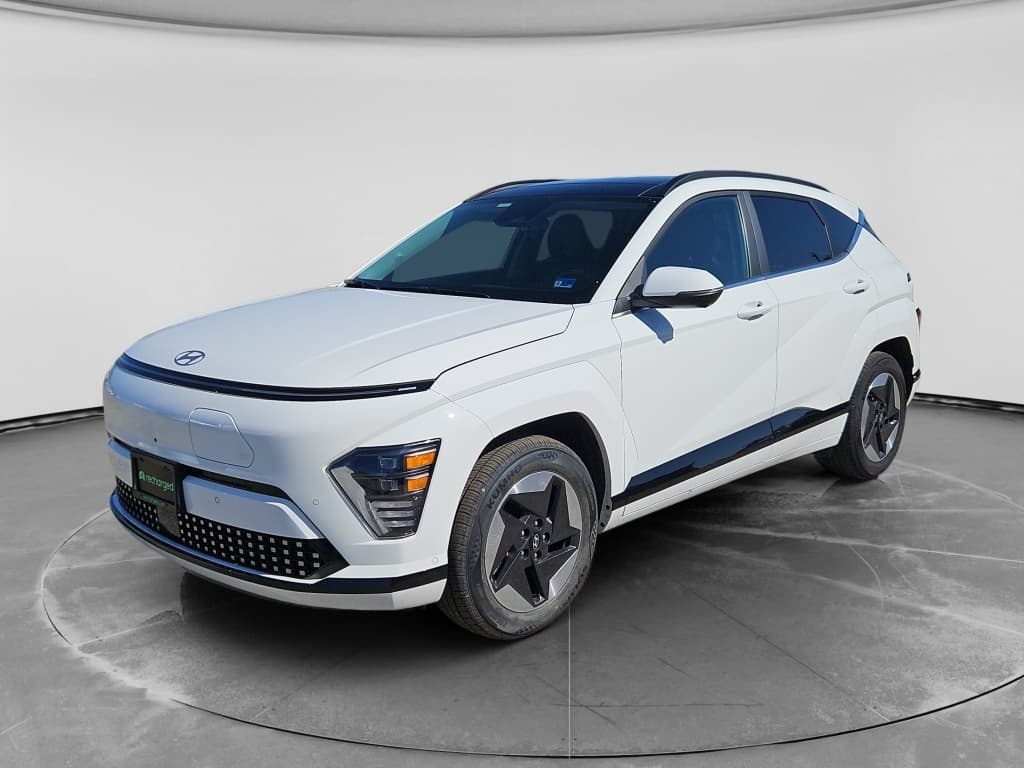
| Budget commuter and city car | Chevrolet Bolt EV, Nissan Leaf, Hyundai Kona Electric | Compact size, easy to park, generally lower prices than larger EVs. Great for solo commuting and errands. |
| Family-friendly crossover | Hyundai Ioniq 5, Kia EV6, VW ID.4, Chevrolet Equinox EV | More space for kids and cargo, still efficient for school runs. Many offer 200+ miles of range. |
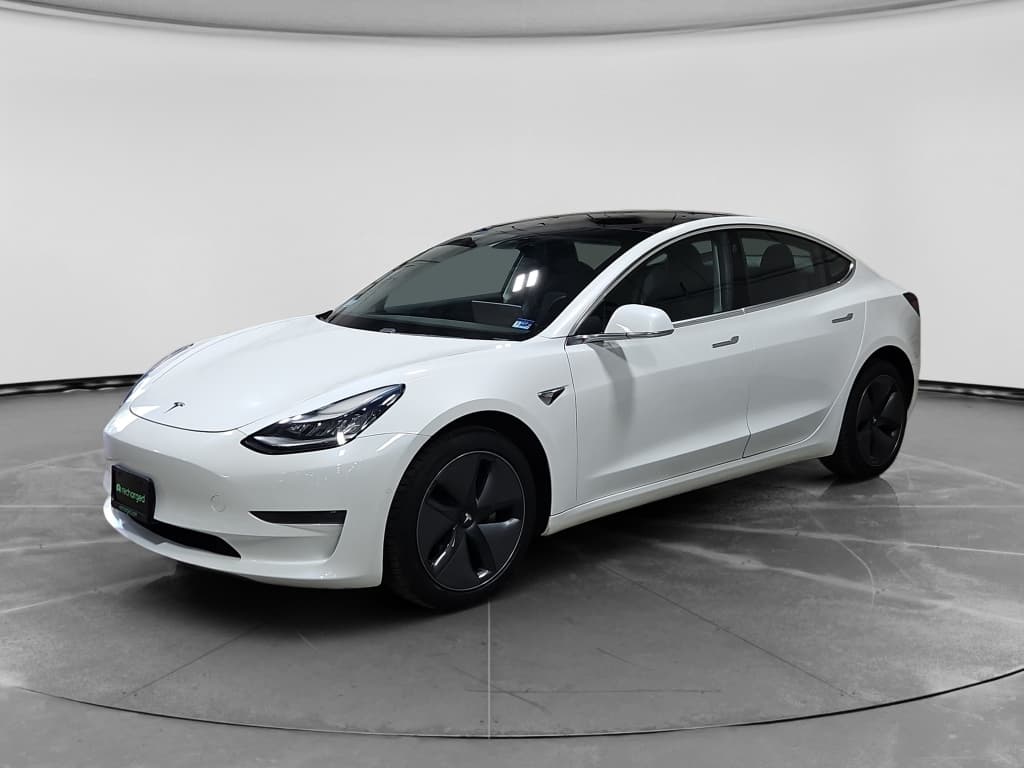
| Premium but practical | Tesla Model 3, Tesla Model Y, BMW i4 | Long range and strong charging networks. Good fit for households that road‑trip in the gas car but want a comfortable electric daily driver. |
| Adventure / utility second vehicle | Rivian R1T, Ford F‑150 Lightning | Overkill for some, but ideal if your second car also hauls, camps or lives at a vacation property. Consider carefully whether you’ll use the capability. |
Always verify battery health, charging history and any remaining warranty coverage before you buy.
Charging reality check
How to buy a second car the smart way
Whether you’re leaning toward a traditional gasoline model or a used EV, the smartest way to shop for a second car is to work backward from your budget and your daily use, then evaluate individual vehicles with your head, not just your heart.
Second-car buying checklist
1. Fix a realistic all‑in budget
Include purchase price, taxes, registration, insurance, expected fuel or electricity, and routine maintenance. For many households, the second car should be the cheaper of the two.
2. Decide how many miles it must cover
If the second car will handle 80% of your household miles, it may deserve more budget, and an EV often shines. If it’s rarely used, prioritize low purchase price and reliability.
3. Shortlist body styles that really fit your life
Don’t default to “SUV.” If your main vehicle already handles big‑load duty, a sedan, hatchback or compact EV might fit your driveway, and budget, better.
4. For EVs, demand real battery data
Ask for a <strong>battery health report</strong>, not just a photo of the dashboard range estimate. On Recharged, that’s baked into the Recharged Score for every vehicle.
5. Check insurance before you fall in love
Call your insurer with specific model years and trims. Sometimes a “cheap” second car is quietly expensive to insure.
6. Test drive with the real users
If this is primarily your partner’s commuter or your teenager’s first car, have them drive it. Their comfort and confidence matter more than your impressions from the passenger seat.
Don’t forget parking and charging
Financing, insurance and total cost of ownership
Good second cars to buy are rarely the ones with the flashiest sticker price. They’re the ones that don’t quietly drain your budget every month. That’s where smart financing and an honest look at total cost of ownership come in.
Financing your second car
- Keep the term shorter than your expected ownership so you’re not making payments on a car you no longer want.
- Compare rates from your bank or credit union with dealer or marketplace financing.
- On an older second car, avoid stretching beyond 60 months, repairs may show up before the loan is gone.
Why used EVs can shine on TCO
- Lower fuel cost per mile than gasoline for most drivers, especially with home charging.
- Fewer moving parts means fewer routine services over time.
- Some states still offer local incentives or HOV perks that add extra value, even as federal incentives change.
How Recharged can help
Ready to find your next EV?
Browse VehiclesFrequently asked questions about good second cars to buy
FAQ: Good second cars to buy in 2025
Key takeaways: choosing a good second car in 2025
A good second car isn’t just a cheaper version of your main car. It’s the vehicle that best fits the leftover jobs in your life, commuting, school runs, errands or backup duty, at the lowest total cost and hassle. For many households today, that means a smaller, more efficient car or a well‑vetted used EV rather than another big SUV.
Start by defining the job, not the badge. Shortlist body styles that truly match your daily reality, then compare specific models on reliability, running costs and (for EVs) verified battery health. If you decide an electric second car makes sense, a marketplace like Recharged, with its Recharged Score Report, EV‑savvy support and digital buying process, can help you find the right car, finance it and have it delivered without leaving your couch.