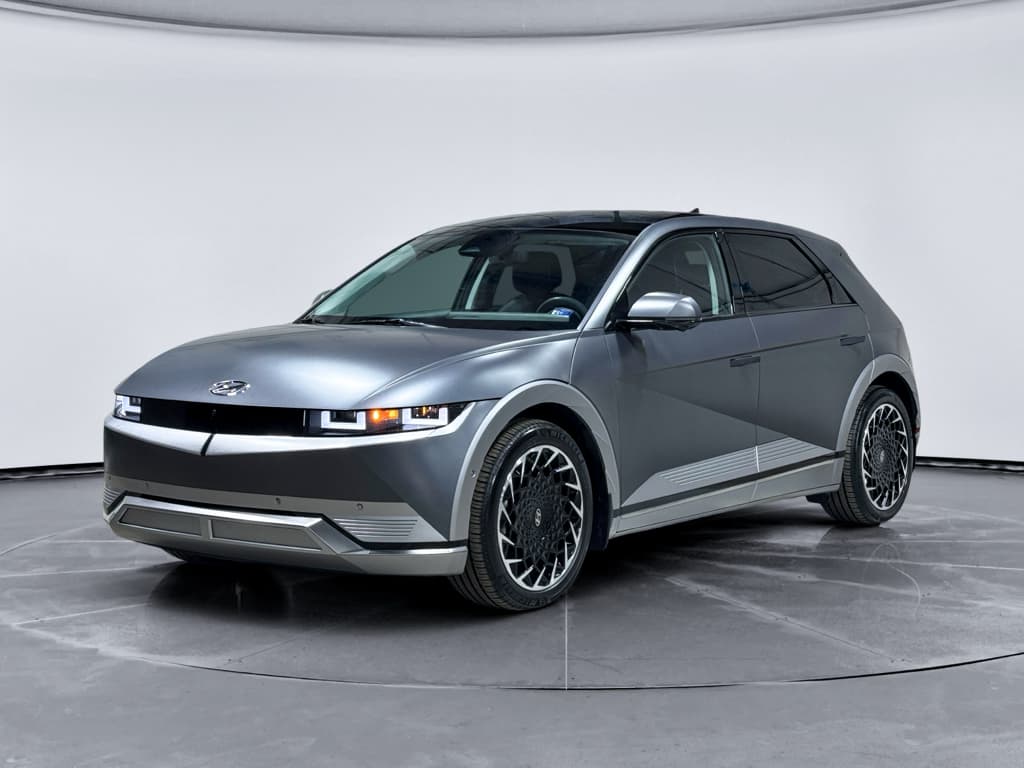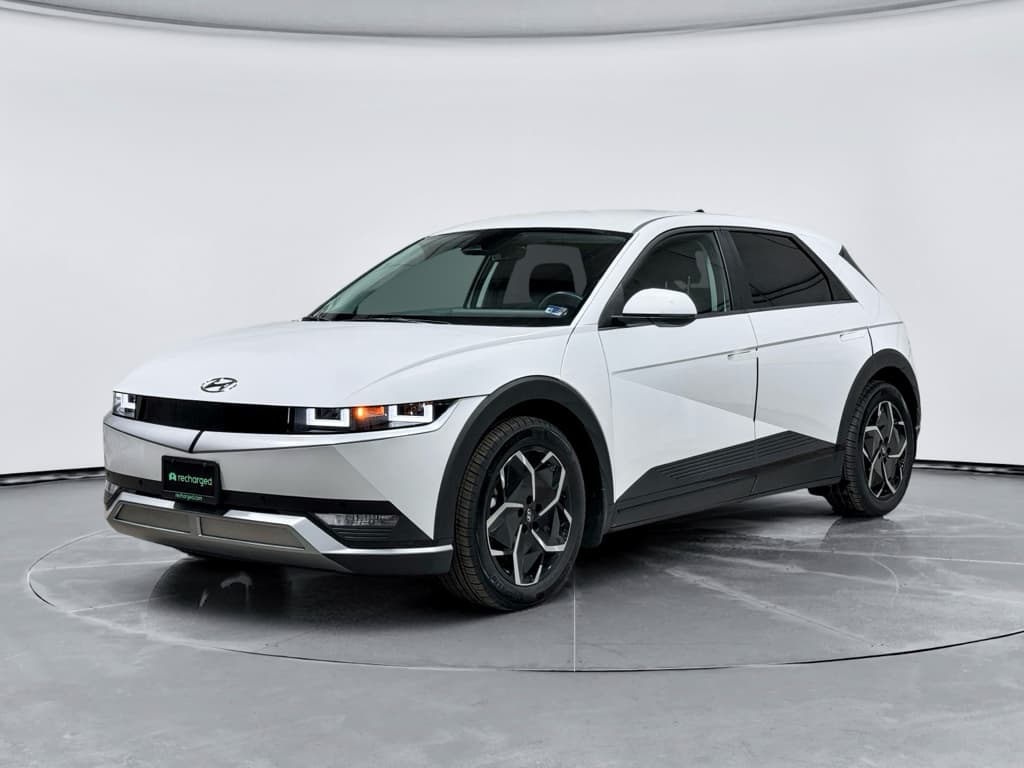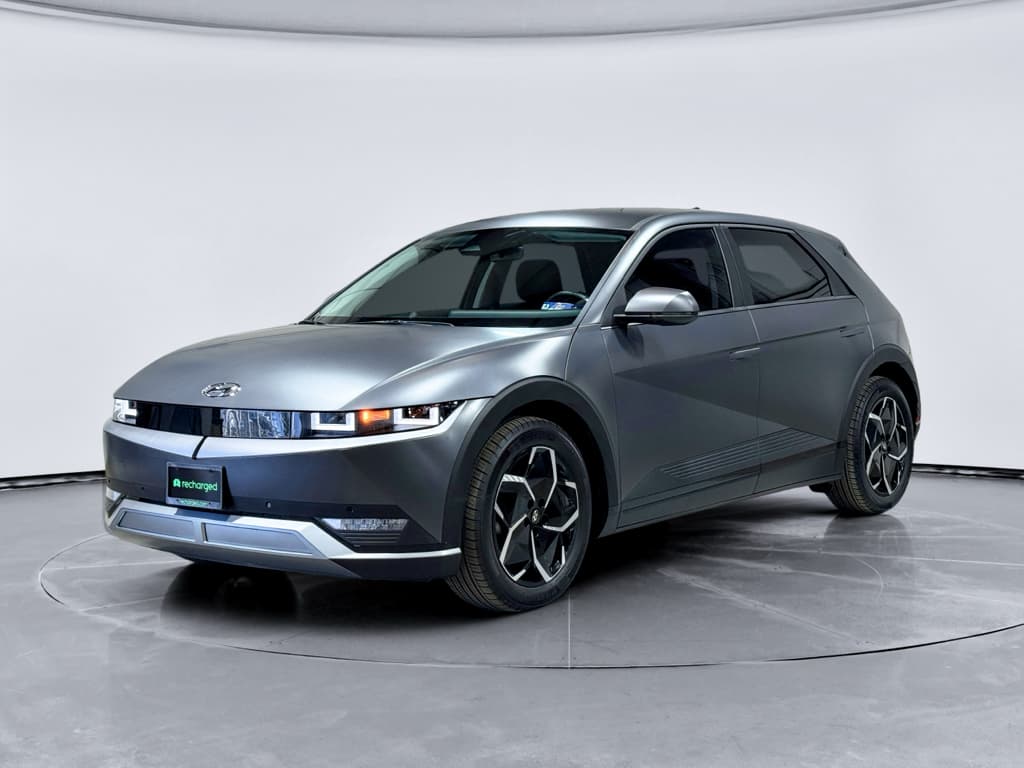
If you’re getting ready to sell your Hyundai Ioniq 5, you’re in a very different market than the one this EV launched into. Used EV prices have cooled, incentives have come and gone, and buyers are a lot more focused on battery health and charging than they were in 2022. A generic “used car” checklist won’t cut it. You need a selling checklist built specifically around how shoppers evaluate an Ioniq 5 today.
Who this checklist is for
Why a Hyundai Ioniq 5 selling checklist matters in 2026
The Hyundai Ioniq 5 has gone from hot, hard‑to‑find new EV to a common sight in the used market. Early models were leased heavily and discounted later, which means there are a lot of them coming off lease at the same time. At the same time, shoppers have learned to ask tougher questions about range, fast‑charging performance, and software updates. A structured checklist helps you get ahead of those questions and present your Ioniq 5 as the safe, informed choice.
- Different battery sizes (Standard Range vs Long Range) confuse buyers and impact value.
- Shoppers worry about fast‑charging speed and degradation on high‑mileage cars.
- Warranty coverage is great, but only if you can explain what’s still in effect for a second owner.
- The market is flooded in some regions, so clean presentation and documentation are what make your car stand out.
Use this as a printable checklist
Step 1: Decide how you want to sell your Ioniq 5
Before you wash a wheel or take a photo, decide what “success” looks like. Is it squeezing every last dollar out of the car, or is it getting fair value with the least hassle? Your answer determines how you should sell your Ioniq 5.
Main ways to sell a Hyundai Ioniq 5
Pick the path that matches your priorities on price, time, and effort.
Dealer trade‑in
Best for: Convenience when buying another vehicle.
- Fast and simple paperwork.
- Lower price than private sale in most cases.
- May be less EV‑savvy about battery health and options.
Private party sale
Best for: Maximizing sale price if you’re willing to do the work.
- Requires marketing, screening buyers, and handling payments.
- Buyers will expect detailed answers on range and charging.
EV specialist / marketplace
Best for: EV‑specific valuation and broad buyer reach.
- Platforms like Recharged focus on used EVs.
- Services can include inspections, battery health reports, financing, and nationwide delivery.
Where Recharged fits in
Step 2: Get a realistic value range for your Ioniq 5
The Ioniq 5 has seen sharper depreciation than many gas SUVs, especially as new‑car incentives grew and used‑EV demand cooled. Instead of fixating on the original MSRP or your lease residual, you want a grounded value range based on how similar Ioniq 5s are actually selling today.
Hyundai Ioniq 5 pricing checklist
Check multiple valuation tools
Start with sites like KBB, Edmunds, and major classifieds to see the <strong>asking prices</strong> for Ioniq 5s that match your year, trim, mileage, and drivetrain (RWD vs AWD). Don’t forget to look at completed listings where possible, not just active ads.
Account for battery and trim
A 58 kWh Standard Range Ioniq 5 is worth less than a 77.4 kWh Long Range version. SEL and Limited trims with features like digital side mirrors (where offered), premium audio, and more driver‑assist tech will usually bring stronger money than SE base models.
Compare private party vs trade‑in
Most tools show both <strong>private sale</strong> and <strong>trade‑in</strong> values. Expect trade‑in and instant cash offers to land near the low end of the range, with a clean private sale near the high end, assuming your car is well‑presented and properly prepared.
Adjust for your region and timing
In some urban markets with good charging, Ioniq 5 demand is stronger. In others, buyers are wary of EVs. Look at local listings specifically and be prepared to price more aggressively if there are many similar Ioniq 5s sitting unsold.
Don’t price off what you still owe
Step 3: Document battery health and charging history
For a used Ioniq 5, battery health is the ballgame. Buyers know Hyundai’s traction battery warranty is long, but they also know out‑of‑warranty packs are expensive. Anything you can do to prove the pack is healthy and well‑treated will set your car apart immediately.
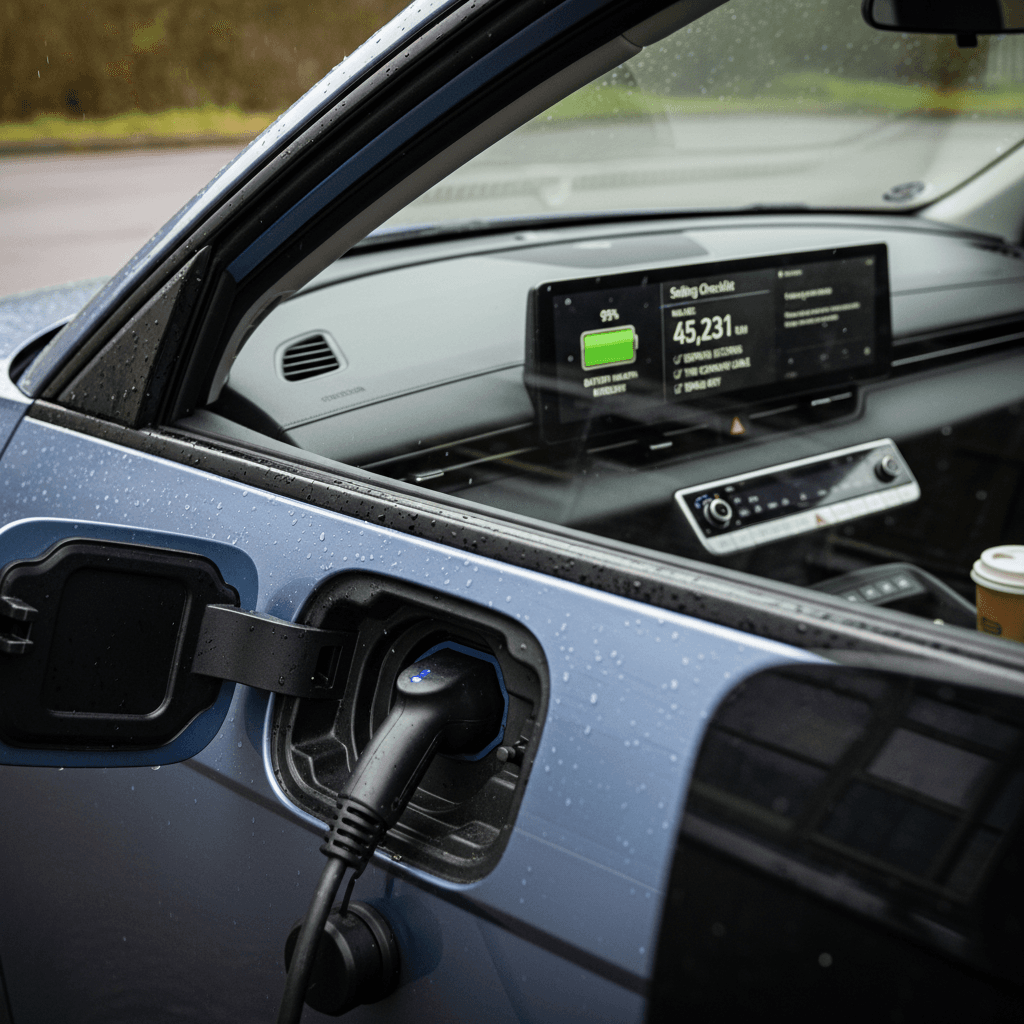
- Show the current maximum displayed range at 100% charge on the dash and infotainment.
- Note your typical charging pattern (mostly home Level 2 at 20–80%, occasional DC fast charging, etc.).
- Gather any service records related to the high‑voltage battery, battery management system (BMS) updates, or charging issues.
- If possible, get a third‑party or dealer battery health check that estimates remaining capacity.
Use a Recharged Score Report
Explain remaining battery warranty
Most U.S. Ioniq 5s include long high‑voltage battery coverage from the original in‑service date, and much of that warranty transfers to subsequent owners. Buyers don’t always understand what’s left, so spell it out in your listing and during conversations.
- Original in‑service date from your purchase or Carfax.
- Current mileage.
- Years and miles of battery coverage remaining.
Show your charging behavior
Buyers like to hear that you:
- Mostly charge at home on Level 2.
- Rarely charge to 100% except before trips.
- Don’t live at DC fast chargers daily.
If you used public fast charging heavily, be honest, but couple it with proof of healthy capacity and trouble‑free service history.
Step 4: Fix issues and complete basic maintenance
Even though the Ioniq 5 is an EV, buyers still expect a vehicle that feels tight, quiet, and cared for. A few inexpensive fixes and checks can keep shoppers from mentally deducting thousands of dollars over small flaws.
Pre‑sale maintenance checklist for a Hyundai Ioniq 5
Address warning lights and recalls
If your dash shows any warning lights, get them diagnosed before listing. Also check for open recalls or software campaigns and have them completed at a Hyundai dealer, buyers love seeing "all recalls up to date."
Service tires and brakes
Confirm that tires have even tread and no sidewall damage. Rotate or replace as needed. Because EVs are heavier, uneven wear can spook buyers. Have brakes inspected; even though EVs use regenerative braking, rotors can rust if driven infrequently.
Replace low‑cost wear items
Cabin air filter, wiper blades, and burned‑out bulbs are cheap to replace and remove obvious objection points. Top off washer fluid and make sure the charge port door works smoothly.
Update software where practical
If your Ioniq 5 is eligible for software updates that improve charging curves, driver‑assist performance, or infotainment, have them done before you list the car. Buyers appreciate "latest software" almost as much as extra options.
Be careful with aftermarket tweaks
Step 5: Detail and stage your Ioniq 5 for sale
A clean, odor‑free Ioniq 5 photographs better, test drives better, and justifies a higher asking price. Think of it as prepping a modern living room on wheels, minimal, tech‑forward, and bright, rather than a traditional SUV.
- Remove all personal items, kids’ gear, and accessories that aren’t included in the sale.
- Vacuum carpets and seats, including under the rear seats and cargo area.
- Wipe down the dash, console, and door panels with a non‑shiny cleaner so the broad Ioniq 5 surfaces don’t look greasy in photos.
- Clean the panoramic glass, both inside and out, to reduce streaks in bright daylight photos.
- Wash the exterior thoroughly and consider a light hand wax or professional detail if the paint is dull or swirled.
Stage it like a product, not a project
Step 6: Take photos that actually sell an EV
Most online shoppers will decide whether to click your ad based on the first three photos. With an Ioniq 5, they’re subconsciously looking for clues about range, tech, and how the car has been treated. Give them all of that in your photo set.
Essential Hyundai Ioniq 5 photo checklist
Aim for 20–30 clear, well‑lit photos that show the whole vehicle and the EV‑specific details buyers care about.
| Category | Specific shots to capture | Tips |
|---|---|---|
| Exterior basics | Front 3/4, rear 3/4, both sides, wheels and tires | Turn wheels slightly for front 3/4; show wheels straight‑on for condition. |
| EV details | Close‑up of charge port open and closed, cable and any adapters included | Photograph charge port with cable plugged in to highlight EV readiness. |
| Interior | Front seats, rear seats, dash straight‑on, center console, cargo area with seats up/down | Remove clutter and set screens to an attractive home screen. |
| Tech & screens | Gauge cluster showing mileage and state of charge, infotainment system, drive‑mode screen | Avoid low‑battery warnings in photos; charge to 60–80% before shooting. |
| Flaws & wear | Any curb rash, scratches, dings, or interior wear | Showing flaws honestly builds trust and avoids surprises at inspection. |
Shoot in daylight, avoid harsh shadows, and keep your background simple so the car stands out.
Horizontal, level, and consistent
Step 7: Gather title, keys, and Ioniq 5–specific paperwork
A buyer who’s ready to say yes can change their mind quickly if they sense you’re disorganized or missing paperwork. Having everything ready to go, especially EV‑specific items, makes the closing feel safe and professional.
Documents and items to have ready
Vehicle title or lender information
If you have the title, confirm that all names and addresses are correct. If there’s a loan, call your lender to understand their payoff and title release process before you list the Ioniq 5.
All keys and digital access
Have all physical key fobs, plus instructions for removing your profile and adding a new owner in the Hyundai app or infotainment system. Buyers appreciate a clean handoff of connected services.
Service and charging records
Print or save PDFs of maintenance invoices, recall letters, and any high‑voltage system work or inspections. If you’ve kept a log of DC fast‑charging use on road trips, that can also reassure detail‑oriented shoppers.
Owner’s manuals and accessories
Include the original owner’s manual, cargo cover, OEM mats, portable charge cable, and any included adapters. Missing an EVSE (charge cable) is a bigger red flag in an EV than a missing floor mat in a gas car.
Step 8: Write a compelling listing just for the Ioniq 5
A strong listing does more than recite options. It answers the EV‑specific questions buyers are already thinking about: How far will it go? How fast does it charge? How was the battery treated? What’s special about this particular Ioniq 5?
Must‑include details
- Model year, exact trim (SE, SEL, Limited), and RWD vs AWD.
- Battery size (Standard Range vs Long Range) if known.
- Current mileage and a one‑sentence summary of usage (e.g., "commuter," "road‑trip car").
- Home charging setup (garage, 240V outlet, Level 2 charger brand if you’re selling it with the car).
- Warranty highlights and how long the battery coverage lasts based on in‑service date.
Sample listing opener
"2023 Hyundai Ioniq 5 SEL AWD Long Range in excellent condition. One‑owner commuter EV with 32,500 miles, always charged at home on Level 2 between 20–80%. Includes Hyundai portable charge cable, all manuals, and two key fobs. Battery health check recently completed with clean report and all recalls/software campaigns up to date."
From there, list options and recent maintenance, then close with why you’re selling and how flexible you are on price.
Don’t oversell range
Step 9: Screen buyers, test drives, and remote sales
Good buyers ask detailed questions. Scammers and time‑wasters tend to push for shortcuts, weird payment methods, or sight‑unseen deals at too‑good‑to‑be‑true prices. A little structure keeps you safe and protects your time.
Safe buyer screening and test‑drive checklist
Pre‑qualify via message or phone
Ask a few basic questions: How will they pay? Do they understand it’s an EV and have charging access at home or nearby? Are they familiar with the Ioniq 5, or is this their first EV test drive?
Choose a safe meeting spot
Meet in a public, well‑lit area, ideally near a public Level 2 or DC fast charger so they can see how charging works. Bring a friend if possible and never meet at your home for the first visit.
Control the keys on test drives
Check their driver’s license, ride along on the drive, and set boundaries on route and duration. Use the opportunity to explain one‑pedal driving, regen settings, and the car’s driver‑assist systems.
Be cautious with remote buyers
Out‑of‑area buyers are common for desirable EVs, but be extra careful. Use secure payment methods, insist on a video call to show the car live, and consider a trusted intermediary or marketplace, Recharged, for example, handles remote buyers and nationwide delivery regularly.
Step 10: Close the deal safely and get paid
Once you and the buyer agree on a price, the rest should feel procedural, not improvisational. Having a plan for payment, paperwork, and digital access transfer keeps last‑minute nerves from derailing the sale.
- Agree on a payment method in advance (cashier’s check, bank‑to‑bank transfer, or handling everything at the buyer’s or seller’s bank).
- Prepare a simple bill of sale with VIN, mileage, price, and "as‑is" language unless you’re providing any written guarantee.
- Complete the title transfer exactly as your state requires and make copies or clear photos for your records.
- Remove your personal data from the Ioniq 5 (profiles, navigation history, garage doors, paired phones, and app access).
- Cancel or transfer insurance only after the buyer has taken possession and the paperwork is complete.
Stay away from risky payment schemes
Hyundai Ioniq 5 selling checklist: quick summary
Selling a Hyundai Ioniq 5 in 2026 is all about confidence, yours and the buyer’s. When you decide on the right selling channel, price to the current market, document battery health, and present a clean, well‑maintained EV with crystal‑clear photos and paperwork, you move your Ioniq 5 out of the “question mark” pile and into the “worth paying for" pile. Do the work once and you’ll feel better about every offer that comes in.
15‑minute final check before you list
1. Selling path chosen
You’ve decided whether you’re trading in, selling privately, or using an EV marketplace like Recharged, and you know the pros and cons of each.
2. Price range set
You’ve checked multiple sources and have a realistic asking price and a private bottom line, based on your Ioniq 5’s year, trim, mileage, and battery.
3. Battery story ready
You can clearly explain how you’ve charged, what range you see today, what warranty is left, and you have documentation or a battery health report.
4. Car cleaned and photographed
Your Ioniq 5 is detailed, staged, and photographed using the shot list above, including interior, EV details, and any honest flaws.
5. Paperwork and plan
Title or payoff info, keys, manuals, service records, and a closing plan are all sorted, so when the right buyer says yes, you’re ready to say yes back.