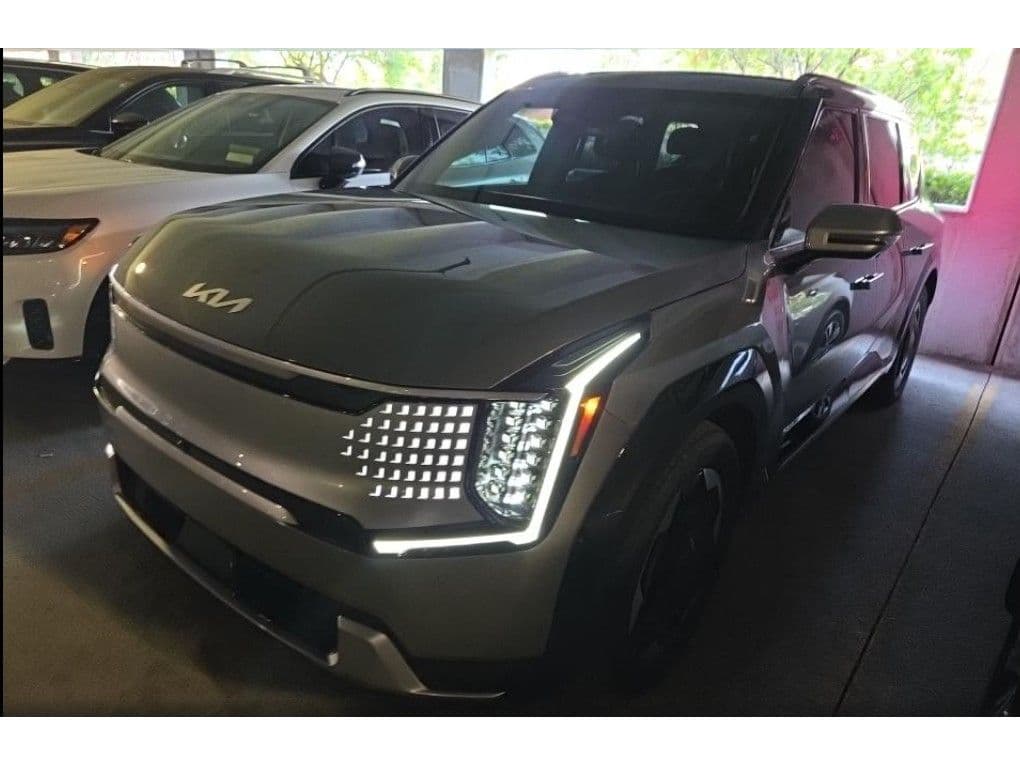
If you own a Kia EV9 and you’re eyeing your next EV, your Kia EV9 trade in value in 2026 is a big part of the equation. The early years of any new model are volatile, and the EV9 is no exception: incentives have swung wildly, used prices are finally normalizing, and battery health is starting to separate the best examples from the rest. This guide breaks down what your EV9 is likely worth in 2026, what moves the number up or down, and how to walk into a dealership or marketplace with realistic expectations.
Quick context
Why Kia EV9 trade‑in value matters in 2026
The EV9 only hit U.S. showrooms in late 2023 as a 2024 model, so 2026 is the first year we see meaningful trade‑in and lease‑return volume. That’s when residual values get tested for real. Kia priced the EV9 aggressively for a three‑row EV SUV, and early on it benefited from sizable rebates and tax credits. Now that some of those incentives have been reduced or reshuffled, used values are moving on their own fundamentals: demand for a family‑size EV, range, charging speed, and how well individual vehicles have been cared for.
For current owners, that means two things. First, you’re no longer guessing about resale; there’s enough data to bracket realistic trade‑in ranges. Second, the spread between a "rough" EV9 and a clean, well‑documented one is widening. If you’ve kept miles in check and stayed on top of maintenance, you’re in a better position than owners who treated their EV9 like an anonymous rental.
Kia EV9 value snapshot in 2026 (U.S., early data)
Don’t anchor on original MSRP
What Kia EV9s are worth in 2026: Ballpark numbers
By spring 2026, there are finally enough used EV9s on the market to see meaningful patterns. New 2026 EV9s generally start in the mid‑$50,000s before options, while lightly used 2024–2025 examples often sit several thousand below that on dealer lots, especially in high‑inventory regions.
Illustrative Kia EV9 value bands in 2026
These ranges are directional, based on typical mileage and condition seen in early 2026. Your specific vehicle may fall outside these bands.
| Model year & trim (examples) | Typical miles in 2026 | Dealer retail ask (clean example) | Likely trade‑in range |
|---|---|---|---|
| 2026 EV9 Light / Light Long Range | <15,000 | $54,000–$60,000 | $47,000–$53,000 |
| 2025 EV9 Wind / Land | 20,000–35,000 | $48,000–$56,000 | $41,000–$49,000 |
| 2024 EV9 Wind / Land (early builds) | 30,000–50,000 | $42,000–$50,000 | $35,000–$43,000 |
| 2024 EV9 GT‑Line, low miles | <25,000 | $52,000–$60,000 | $44,000–$52,000 |
Retail prices represent what dealers may ask; trade‑in reflects what they might offer you for the same vehicle.
These are ranges, not quotes
7 key factors that move your EV9 trade‑in value
What buyers and dealers really care about
These seven levers explain most of the spread between a weak and strong offer.
1. Mileage
2. Accident & title history
3. Battery health
4. Maintenance & software updates
5. Trim, options & color
6. Region & season
7. Market timing & incentives
How dealers actually price a Kia EV9 trade‑in
From the outside, trade‑in numbers can feel arbitrary. Inside the store, most appraisers follow a fairly consistent workflow built around auction data and risk management. Understanding that process helps you prepare and negotiate.
Typical Kia EV9 trade‑in pricing workflow
1. Pull live market and auction data
Appraisers look at recent auction sales and local retail listings for comparable EV9s, same year, trim, mileage, and condition. This sets the wholesale baseline they’re comfortable paying without losing money.
2. Inspect bodywork and interior
They walk the vehicle, looking for prior damage, repainting, wheel rash, windshield chips, interior wear, odors, and evidence of pets or smoking. Each flaw is effectively a line item they’ll subtract from the baseline.
3. Test basic functions & features
Lights, climate controls, power doors and seats, driver‑assist tech, infotainment, and charge‑port operation all get a quick test. Any warning light or inoperative feature gets baked into the offer as reconditioning cost.
4. Evaluate tires and brakes
Four worn tires or thin brake pads can easily represent $1,000+ in retail reconditioning. Dealers assume they need to bring the vehicle up to their retail standard and discount your offer accordingly.
5. Estimate battery and range health
Some stores rely on the cluster’s range readout and a quick drive; others use more advanced tools. EV‑literate buyers and EV‑focused marketplaces will dig deeper into usable capacity and fast‑charging performance.
6. Factor in days‑to‑sell risk
A well‑optioned EV9 in a major metro might sell fast; a quirky spec in a slow market might sit. The harder they think it will be to retail or wholesale your EV9, the more conservative the bid.
7. Add margin & adjust for deal structure
Finally, they overlay target profit, any pack‑of‑the‑month incentives, and what they’re doing on the vehicle you’re buying. A strong discount on the new car can be offset by a thinner trade‑in number and vice versa.
Get multiple data points
Battery health: how much it really matters
The EV9’s large battery pack is one of its biggest assets and one of the first things serious buyers ask about. While Kia’s high‑voltage battery warranty helps protect you against major failures, it doesn’t equalize every EV9 on the used market. Two identical‑looking SUVs can have very different usable capacity and fast‑charging behavior, especially if one lived on DC fast chargers and the other mostly charged gently at home.
Why battery diagnostics beat guesses
Most generic appraisal tools still treat EVs like gas SUVs, inferring value mostly from age and miles. That’s a problem for a three‑row EV like the EV9, where long‑trip usability and fast‑charge performance are core to why people buy it.
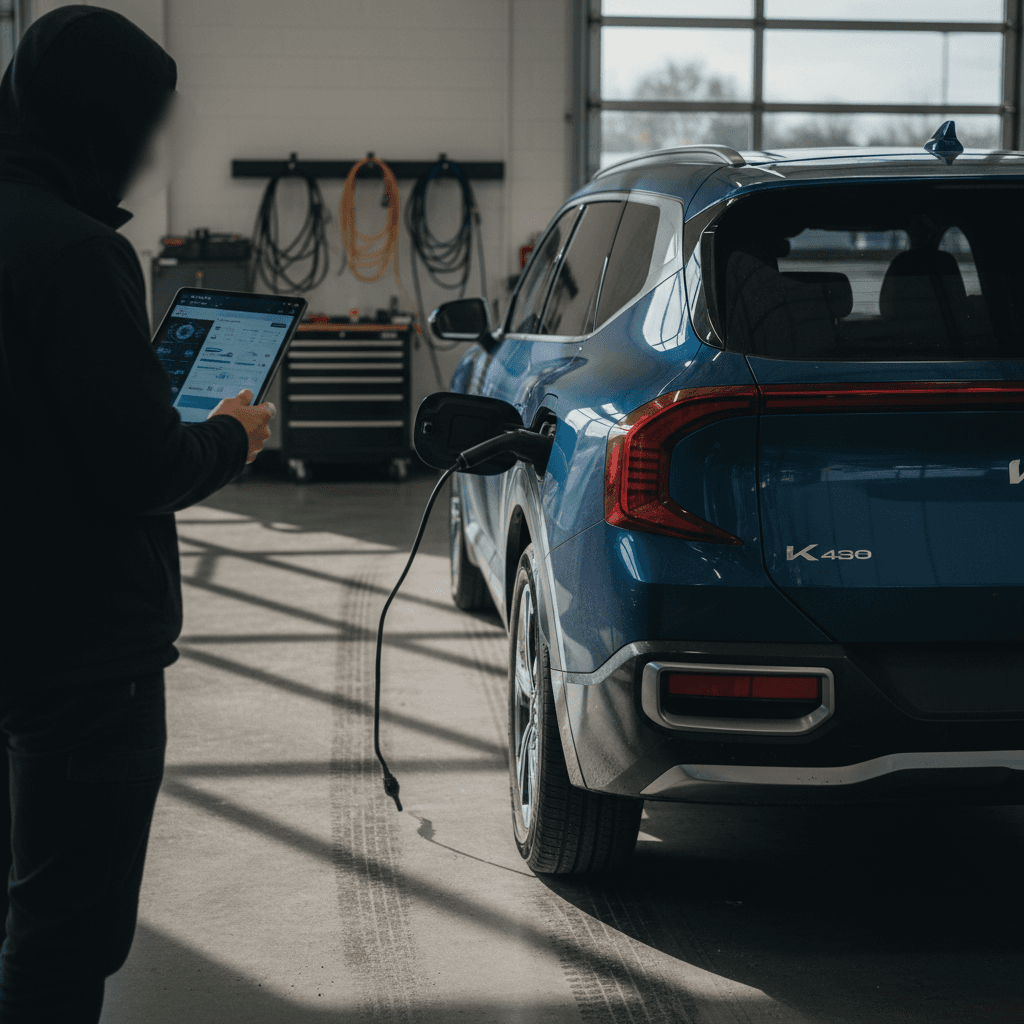
Objective diagnostics that read pack health, cell balance, and charging history give a far tighter picture of real‑world value. A pack that’s still delivering near‑original capacity and predictable DC fast‑charge curves supports a stronger trade‑in number than one that’s noticeably degraded.
What hurts perceived battery value
- Visible warnings: high‑voltage battery or charging system alerts.
- Noticeably reduced range versus EPA estimates under similar driving.
- Inconsistent fast‑charge speeds compared with other EV9s at the same station.
- Evidence of chronic 100% fast charging and deep discharges.
You can’t fix degradation overnight, but you can document what’s normal for your vehicle and show that it’s performing consistently, which reassures informed buyers.
Where Recharged fits in
Step‑by‑step: maximizing your Kia EV9 trade‑in offer
You can’t control the macro EV market, but you can control how your specific EV9 presents. Think like an appraiser: fix the cheap stuff, document the big stuff, and eliminate question marks before someone uses them to justify a low number.
Eight smart moves before you ask for a number
1. Pull your history reports
Download your Carfax/Autocheck if you can, gather Kia service records, and keep any recall or software‑update documentation handy. A tidy paper trail makes it easier for an appraiser to check boxes and move on.
2. Get a fresh battery‑health check
If you have access to a third‑party EV diagnostic tool or a marketplace like Recharged that can run a pack‑health scan, do it. A clear, recent report is one of the best ways to defend your EV9’s value.
3. Fix low‑hanging cosmetic issues
Detail the vehicle inside and out, remove personal items, and address inexpensive repairs such as a cracked windshield, missing charge‑port door, or obvious curb rash if the fix is cost‑effective.
4. Replace worn tires strategically
If your tires are barely legal, the appraiser will assume a full set. Pricing out a mid‑range replacement set yourself can help you decide whether to replace them or use an estimated cost in negotiation.
5. Check for open recalls and software updates
Use Kia’s website or your dealer portal to confirm that all open campaigns and software updates are complete. An EV9 that’s fully up to date looks lower‑risk to the next owner and to the buyer writing the check.
6. Gather both keys, charger, and accessories
Missing keys, charge cables, or seat‑back screens cost real money to replace. Bringing everything you received at delivery tells the buyer they won’t have to chase down parts later.
7. Photograph your EV9 in good light
Even if you plan to trade instead of sell privately, having a clean photo set on your phone helps remote buyers and online marketplaces evaluate the vehicle quickly and may speed up firm offers.
8. Shop your trade to an EV‑savvy buyer
Before you sign anything at a traditional dealer, compare their offer with an EV‑specialist marketplace like Recharged. Buyers who live in the EV world 24/7 often pay closer to true market value, especially on well‑kept examples.
Trade‑in vs. private sale vs. selling to an EV specialist
Once you know roughly what your EV9 is worth, the next decision is how to turn it into money. Each path, traditional trade‑in, private sale, or selling to an EV‑focused buyer, has its own balance of effort, risk, and return.
Dealer trade‑in
- Fastest, most convenient path if you’re buying something from the same store.
- Tax advantages in many states, since you’re taxed on the price of the new vehicle minus your trade.
- Usually the lowest raw dollar amount, since the dealer bakes in auction risk and reconditioning costs.
Private sale
- Often yields the highest price if you’re patient and comfortable screening buyers.
- Requires you to manage test drives, payment logistics, and post‑sale questions.
- Some buyers are still wary of used EVs and battery health, which can slow the process.
EV‑specialist buyer (like Recharged)
- Combines professional appraising with EV‑specific expertise.
- Battery diagnostics and EV knowledge can support stronger offers on clean examples.
- Digital process with pickup and streamlined paperwork, especially helpful if you’re out of state.
Think in “net change,” not just trade number
How Recharged evaluates Kia EV9 trade‑ins
Recharged focuses exclusively on electric vehicles, which changes how we look at your EV9 compared with a traditional dealership juggling everything from used pickup trucks to aging compact cars. We care about the same basics, condition, miles, options, but we put extra weight on EV‑specific data that generic book values often miss.
What’s different when you sell or trade your EV9 with Recharged
EV‑specific diagnostics and market data drive our offers.
Recharged Score battery diagnostics
Real‑time EV market pricing
Fully digital process, nationwide
Flexible options: instant offer or consignment
Ready to find your next EV?
Browse VehiclesIf you’re moving out of your EV9 and into another EV, Recharged can also help on the other side of the transaction with financing, trade‑in support, and nationwide delivery of your next used EV, backed by the same Recharged Score battery diagnostics you used as a seller.
Kia EV9 trade‑in FAQ for 2026
Frequently asked questions about Kia EV9 trade‑ins in 2026
Bottom line on Kia EV9 trade‑in value in 2026
By 2026, the Kia EV9 is no longer an unknown quantity. Early data shows that it depreciates, like any new three‑row SUV, but its combination of space, tech, and DC fast‑charging keeps demand solid in the right markets. Your personal Kia EV9 trade in value in 2026 will be shaped by miles, history, and especially battery health, which means the work you’ve put into caring for your EV9 really does show up in the number.
The smartest move is to treat trade‑in like any other major transaction: prepare the asset, gather objective data, and get multiple offers from buyers who understand EVs. Whether you end up trading at a dealer, selling privately, or working with an EV‑first marketplace like Recharged, those steps will put you in control of the conversation and help you squeeze the most value out of your EV9 when it’s time for the next chapter.