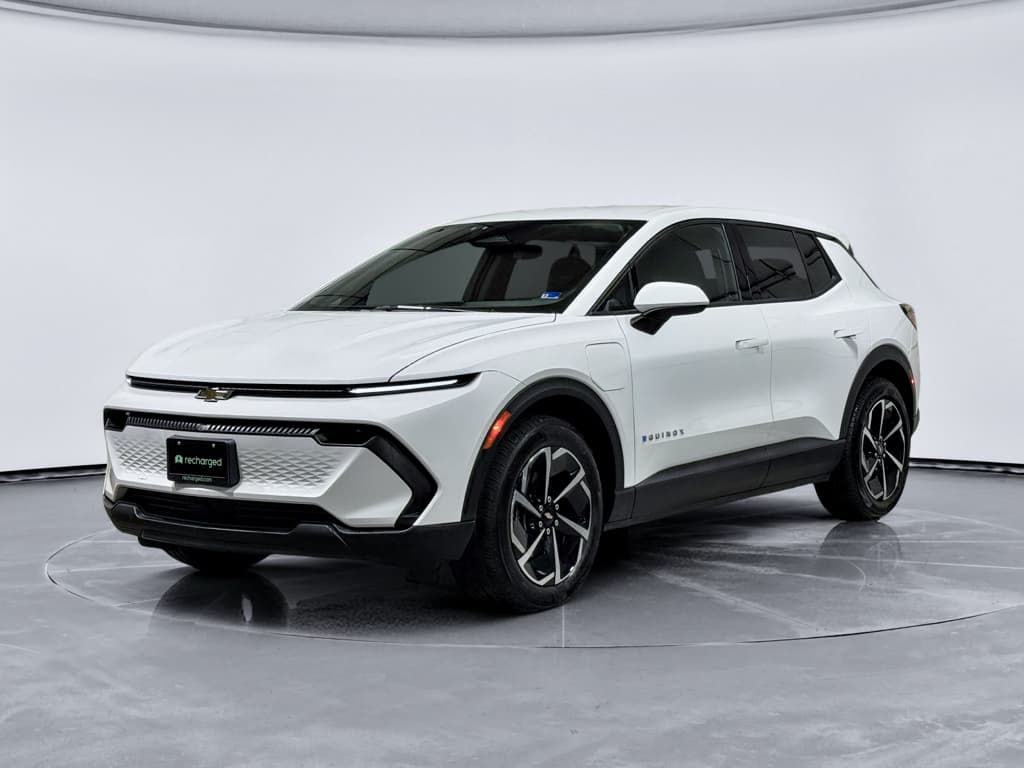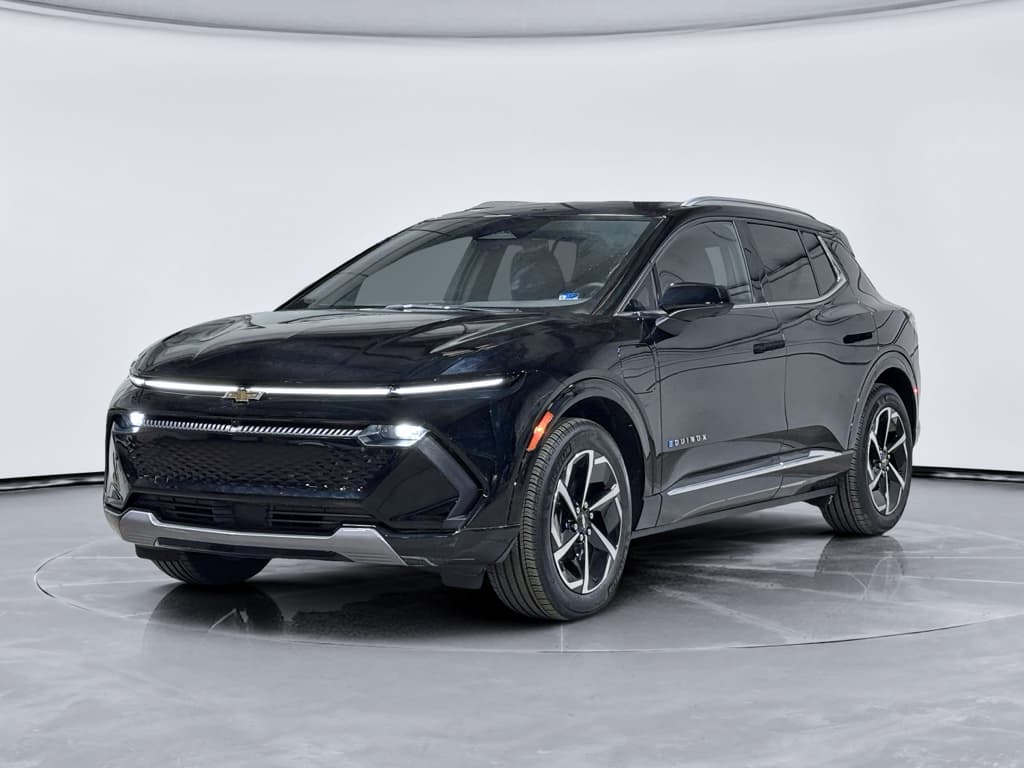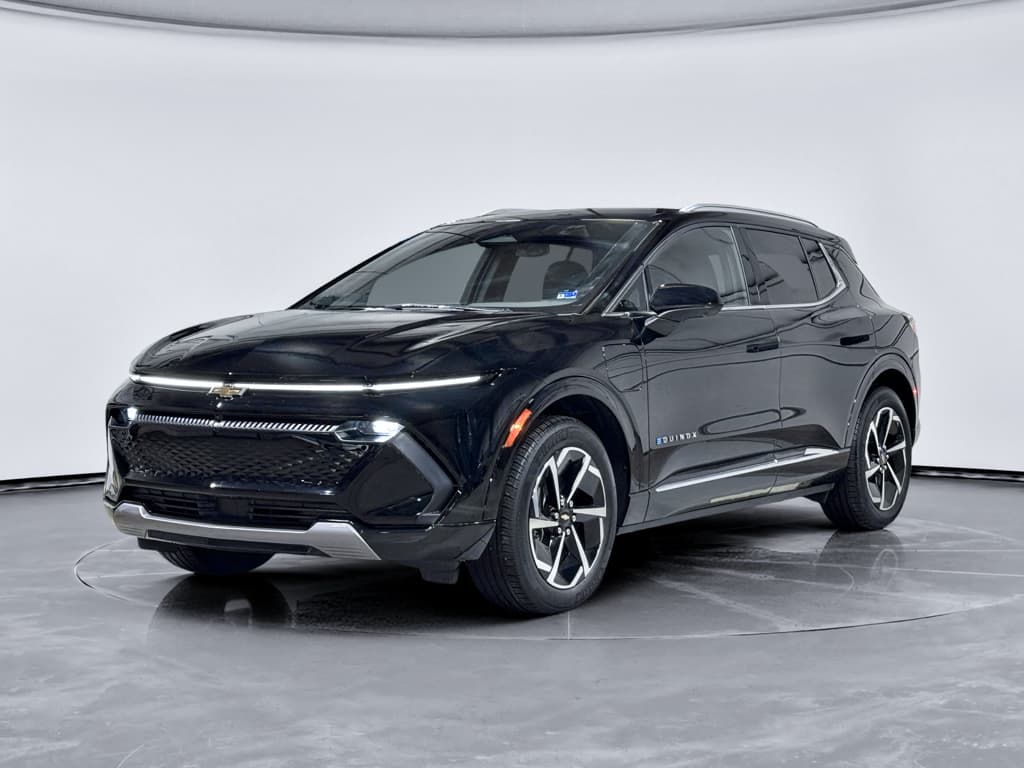
If you’re considering a Chevrolet Blazer EV, Cadillac Lyriq, GMC Hummer EV or another GM Ultium-based model, the EV battery warranty is one of the most important, and least understood, parts of the deal. GM advertises an 8‑year/100,000‑mile Ultium battery warranty, but what does that really protect, and how does it work if you buy the vehicle used?
Quick summary
Why GM’s Ultium EV battery warranty matters
In a gasoline car, an engine replacement is rare. In an EV, the propulsion battery is the single most expensive component, often one‑third or more of the vehicle’s value. On modern GM EVs built on the Ultium platform, that pack can easily run into five figures if you ever had to pay out of pocket. A clear understanding of GM’s battery warranty helps you: - Judge how much long-term risk you’re taking on. - Compare GM’s coverage to other brands. - Decide whether a used GM EV is priced fairly. - Know when an issue is a warranty problem versus normal wear. That’s exactly where buyers tend to get nervous, and where good information can give you confidence, especially in the used market where service history and battery health matter a lot.
GM Ultium EV battery warranty at a glance
GM Ultium EV battery warranty basics: years, miles and brands
GM’s EV battery warranty is marketed under each brand, Chevrolet, GMC, Cadillac, but the core promise is similar across Ultium models sold in the United States:
- Duration: 8 years from the original in‑service date.
- Mileage limit: 100,000 miles, whichever comes first, for most GM EVs including Blazer EV, Equinox EV, Silverado EV, Hummer EV, and Cadillac Lyriq/SUVs.
- Covers: The high‑voltage propulsion battery pack and internal components, plus related high‑voltage hardware called out in the warranty booklet.
- Transferable: The battery warranty typically stays with the vehicle, so later owners can still be covered within the time/mileage window.
You may also see references to a “propulsion battery limited warranty” or “EV propulsion system warranty” in GM materials. Those usually refer to this same 8‑year/100,000‑mile Ultium coverage, sometimes bundled with drive units, inverters and other high‑voltage parts.
Where to confirm the exact warranty on a specific GM EV
What the GM EV battery warranty actually covers
GM’s Ultium battery warranty isn’t a blanket guarantee that your range will always feel like new. It’s written to cover defects in materials or workmanship in the high‑voltage battery and related components during the warranty period. In practical terms, that usually means coverage in four main areas:
Four pillars of Ultium battery coverage
How GM’s EV battery warranty shows up in the real world
1. Internal battery defects
2. Pack-level failures
3. High-voltage hardware
4. Excessive capacity loss
When a warranty claim is approved, GM normally chooses whether to replace individual modules, swap the whole pack, or install a remanufactured pack that’s appropriate for the vehicle’s age and mileage, not necessarily a brand-new pack in every case.
What isn’t covered: common Ultium battery warranty exclusions
Like every automaker, GM draws some hard lines in its EV battery coverage. Knowing those in advance can keep you from unintentionally voiding coverage, or assuming something is “on GM” when it isn’t.
- Normal degradation over time. All lithium‑ion packs gradually lose capacity. A few percent in the first year and a slower taper after that is generally treated as normal wear, not a defect.
- Damage from abuse or improper use. Using non‑approved modifications, physical damage to the pack, ignoring critical warnings, or using incorrect jump‑starting procedures can give GM a reason to deny a claim.
- Flood, fire and collision damage. These are typically insurance claims, not warranty repairs, unless a recall or known defect is involved.
- Accessories and home chargers. GM’s Ultium battery warranty is separate from coverage on GM‑branded home chargers or third‑party charging equipment. Those have their own terms, and some are currently the subject of separate disputes and lawsuits.
- Routine wear items. 12‑volt batteries, tires and brake components aren’t part of the EV propulsion warranty.
Don’t count on the warranty to fix neglect
Battery capacity loss: when will GM replace an Ultium pack?
Range loss is where expectations and reality most often collide. GM acknowledges that its Ultium packs will lose some energy storage over time, just like any battery. The critical question is: how much loss triggers warranty action?
Normal vs. abnormal degradation
GM doesn’t publish a simple chart like “you’ll lose X% in Y years,” but real‑world experience and GM’s own guidance suggest:
- A modest drop in range during the first year is common.
- After that, capacity typically declines more slowly, assuming normal use and charging habits.
- Hot climates, frequent DC fast charging, and constant high‑speed driving can accelerate loss, but are still often considered normal use.
When GM may step in
On GMC and Chevrolet’s latest Ultium trucks and SUVs, GM states that the propulsion battery warranty covers cases where capacity falls below an internally defined threshold, often framed around 70–75% of original usable capacity, during the 8‑year/100,000‑mile period.
If the dealer verifies capacity below that floor without signs of abuse, GM can authorize repair or replacement appropriate for the vehicle’s age and mileage.
How capacity is measured for warranty purposes
Other EV warranties that interact with the battery
It’s easy to focus on the 8‑year Ultium warranty and forget the rest of the picture. In reality, several overlapping warranties shape your total protection on a GM EV:
How GM’s EV warranties stack together
High-level view of warranty layers on a typical GM Ultium EV sold in the U.S.
| Coverage type | Typical term | What it covers |
|---|---|---|
| Bumper-to-bumper limited warranty | 3 years / 36,000 miles | Most components across the vehicle except wear items and specific exclusions. |
| Powertrain / electric drive components | Varies by brand/model | Drive units, reduction gears and select high-voltage components (see booklet). |
| High-voltage battery (Ultium) | 8 years / 100,000 miles | Propulsion battery pack, internal components and qualifying capacity loss. |
| Corrosion / rust-through | Up to 6 years / 100,000 miles | Body and sheet-metal corrosion, including rust-through. |
| Roadside assistance & towing | Often 5–8 years | Towing to the nearest dealer and basic roadside help if the vehicle becomes disabled. |
Always confirm exact coverage in the warranty booklet for your model year.
These layers matter because some issues that look like “battery problems” at first might actually be covered under the general new‑vehicle warranty instead, especially in the first few years.

Real-world ownership: how long Ultium batteries are built to last
GM developed Ultium after years of experience with earlier batteries in the Chevy Volt and Bolt EV. Company engineers have publicly claimed that Ultium packs are designed to outlast earlier systems, which routinely made it well past their warranty periods in normal use.
Ultium design choices aimed at long life
Why GM is confident enough to back these packs for 8 years
Advanced cell chemistry
Module-level serviceability
Thermal management
No battery system is perfect, and some early Ultium launches have had software and hardware growing pains. But overall, the warranty is structured around the expectation that the pack will remain serviceable, and useful for daily driving, well beyond the 8‑year mark for most owners.
Used GM EVs: how much Ultium warranty is left?
This is where the Ultium battery warranty becomes especially important for shoppers on the used market. A 3‑year‑old Cadillac Lyriq or 2024 Blazer EV with 30,000 miles on the clock still has roughly five years and 70,000 miles of battery coverage left, assuming a standard 8‑year/100,000‑mile term and no prior buyback or salvage history.
Checklist: evaluating Ultium warranty on a used GM EV
1. Confirm in‑service date
Warranty starts when the vehicle is first placed in service, not the model year. A 2024 Blazer EV sold in early 2025 will be covered until roughly early 2033 or 100,000 miles, whichever comes first.
2. Verify current mileage
Subtract the odometer reading from 100,000 to estimate remaining mileage coverage. A used GM EV with 65,000 miles has about 35,000 miles of standard battery warranty left.
3. Ask for a dealer warranty summary
Have a franchised GM dealer pull the VIN and print the warranty summary. This will show open recalls, completed battery campaigns and warranty end dates.
4. Review any battery repair history
Multiple prior pack or module replacements aren’t automatically bad, but you’ll want to know why they occurred and whether they reset or extended coverage in any way.
5. Get objective battery health data
Whenever possible, use a third‑party battery health report or telematics‑based assessment, not just a dash‑displayed range estimate. That’s exactly what a <strong>Recharged Score</strong> report is built to do.
6. Check for salvage or lemon history
If the vehicle has a branded title or was bought back under a state lemon law, factory coverage may be limited or modified. Confirm details before assuming any battery warranty remains.
How Recharged helps on Ultium used EVs
Ready to find your next EV?
Browse VehiclesHow to protect your Ultium battery, and keep coverage intact
You don’t have to baby an Ultium pack, but a few habits can help preserve both its health and your warranty protection.
- Follow GM’s charging guidance. Use the included Level 1 or a properly installed Level 2 charger, and stick to reputable DC fast‑charging networks. Avoid sketchy adapters or non‑approved modifications.
- Keep software up to date. Many GM EVs receive over‑the‑air updates that refine thermal management, charging behavior and diagnostic tools. Skipping updates can work against you in a warranty claim.
- Monitor warnings promptly. If you see repeated high‑voltage or battery alerts, don’t wait. Get the vehicle into a dealer and document the concern while you’re still well within warranty limits.
- Document your charging environment. If you live in a very hot or very cold climate, a simple log of typical storage and charging conditions can help show that you’re using the car as intended.
- Avoid sustained 0–100% extremes. The occasional full charge for a trip is fine, but living at 100% or routinely running to almost 0% can accelerate wear. Aim for a comfortable middle band when you don’t need max range.
- Keep service records. Even basic visits and warranty inspections help create a paper trail showing that you’ve taken reasonable care of the vehicle.
The fastest way to invite a denied claim
GM Ultium vs. other EV battery warranties
From a distance, most modern EV battery warranties look similar, roughly 8 years and around 100,000 miles. That’s the case with GM, Ford, Hyundai, Kia, Tesla and others. The meaningful differences are usually in the fine print:
Where GM is typical
- Term: 8 years / 100,000 miles is right in the mainstream for North America.
- Defect coverage: Like rivals, GM covers defects in materials or workmanship, plus specific high‑voltage components.
- Transferability: Coverage generally follows the vehicle, which is good news for used‑EV buyers.
Where details differ
- Capacity guarantee language: Some brands spell out exact thresholds in public marketing; GM often references capacity criteria more in dealer and internal documents.
- Mileage caps: A few competitors offer higher mileage caps on certain models, though 100,000 miles remains common.
- Sub‑brand nuances: Cadillac, GMC and Chevrolet may frame the same underlying warranty slightly differently in their literature.
The headline, though, is simple: GM’s Ultium warranty is competitive with the broader market and is long enough that, for most drivers, battery failure during the coverage period should be unlikely, and covered if it happens.
Should you buy extra coverage beyond GM’s battery warranty?
Extended coverage on an EV can take several forms: dealer‑sold service contracts, third‑party warranties and specialized EV protection plans that focus on charging hardware. Whether they make sense depends on how long you plan to keep the vehicle and how much risk you’re trying to avoid.
Pros and cons of adding coverage on a GM Ultium EV
Think about your ownership plans, not just worst‑case scenarios
Pros
- Can extend protection beyond 8 years or 100,000 miles for non‑battery components.
- May include roadside assistance and rental coverage.
- Peace of mind if you drive far more than average.
Cons
- Up‑front cost can be high relative to likely repair risk.
- Not all plans cover degradation in a clear, customer‑friendly way.
- Fine print and claim limits can be restrictive.
Middle ground
- Consider coverage that focuses on high‑cost systems you’re truly worried about.
- For many drivers, the factory Ultium warranty plus a solid used‑EV inspection is enough.
- On a used EV, put some of that money toward a higher‑quality vehicle with better battery health.
How Recharged fits in if you’re financing
FAQ: GM Ultium EV battery warranty
Frequently asked questions about GM’s Ultium battery warranty
Bottom line: how to use GM’s Ultium battery warranty to your advantage
GM’s Ultium EV battery warranty is meant to do one thing: give you confidence that the most expensive part of your electric vehicle won’t surprise you in its first decade on the road. The headline 8‑year/100,000‑mile term is competitive in today’s market, and when you understand what it covers, and what it doesn’t, you’re in a much stronger position whether you’re buying new or used.
If you’re shopping a used GM EV, combine that warranty knowledge with real battery health data. At Recharged, every vehicle comes with a Recharged Score Report that verifies pack condition, remaining range and fair‑market pricing, plus expert EV‑specialist support and optional nationwide delivery. That way, you’re not just relying on a promise in a brochure, you’re seeing how the Ultium warranty and the actual battery in front of you line up in the real world.