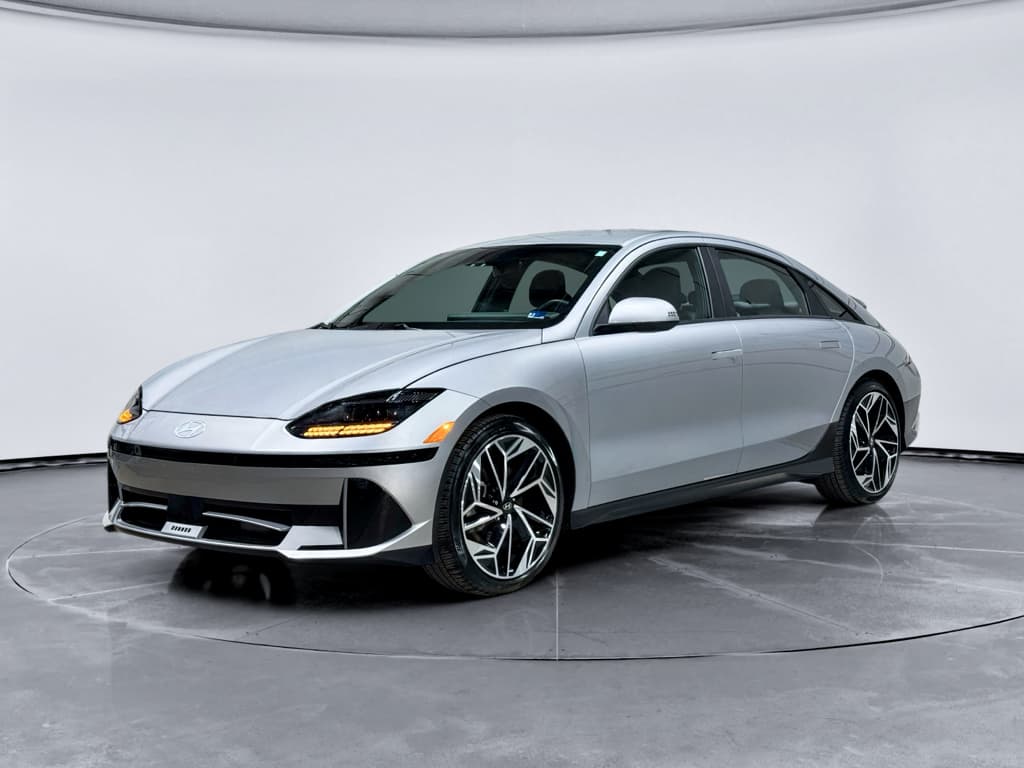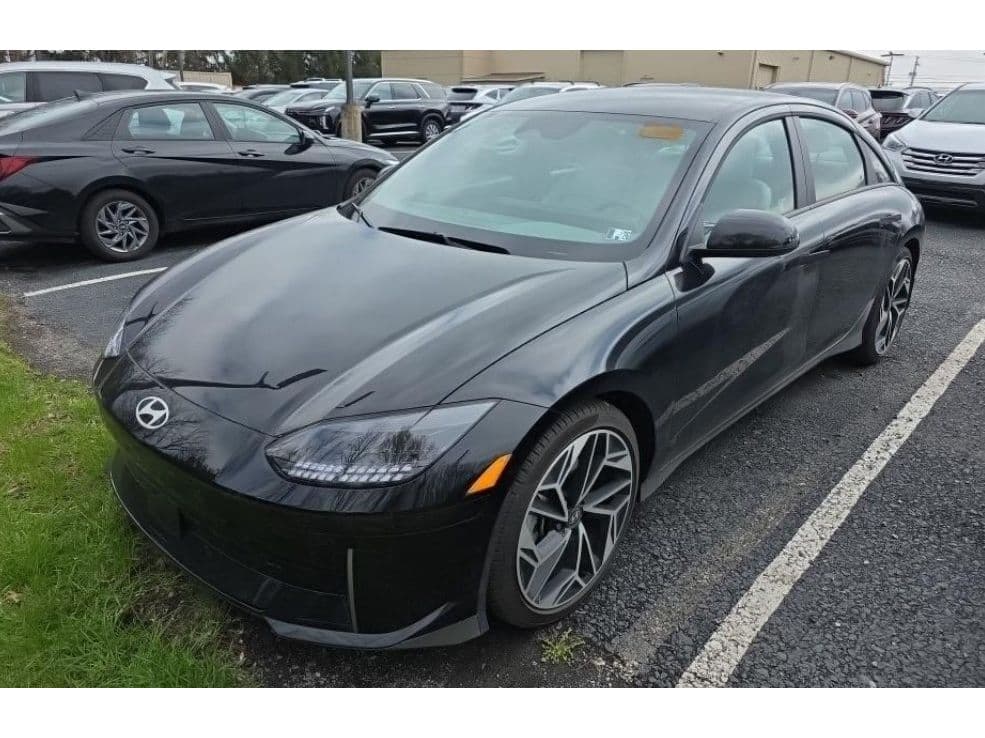
If you’re shopping for a sleek electric sedan, the Hyundai IONIQ 6 vs BMW i4 matchup is probably on your short list. Both are stylish, long‑range EVs with real highway legs, but they take very different approaches to performance, comfort, and price. Let’s break down where each car shines, where it falls short, and which one is likely to fit your life (and your budget) better, especially if you’re considering a used EV.
Two very different takes on the electric sedan
Hyundai IONIQ 6 vs BMW i4 at a glance
Key numbers: Hyundai IONIQ 6 vs BMW i4
Core spec comparison: IONIQ 6 vs BMW i4
Approximate U.S. specs for popular trims as of recent model years. Exact figures vary slightly by wheels and model year, so always double‑check a specific car’s window sticker or Monroney label.
| Hyundai IONIQ 6 SE Long Range RWD | Hyundai IONIQ 6 Limited AWD | BMW i4 eDrive40 | BMW i4 M50 | |
|---|---|---|---|---|
| Horsepower | 225 hp | 320 hp | 335 hp | 536 hp |
| Drivetrain | RWD | AWD | RWD | AWD |
| Battery (usable approx.) | 77.4 kWh | 77.4 kWh | 81.1 kWh | 81.1 kWh |
| EPA range (18" wheels, best case) | 361 mi (RWD) | ~270 mi | 307 mi | 271 mi |
| 0–60 mph (manufacturer est.) | ~7.4 sec (RWD) | ~5.0 sec | ~5.5 sec | ~3.7 sec |
| Max DC fast‑charge rate | Up to ~233 kW | Up to ~233 kW | Up to ~200 kW | Up to ~200 kW |
Specs focus on the most common long‑range, non‑performance versions shoppers see on the new and used market.
Where to focus as a shopper
Driving feel and performance
Hyundai IONIQ 6: Relaxed, composed, quietly quick
The IONIQ 6 is tuned more like a smooth long‑distance cruiser than a back‑road carver. In rear‑wheel‑drive form, its 225 hp feels plenty punchy around town and confident on the highway. Dual‑motor AWD bumps output to around 320 hp, with a sub‑5‑second 0–60 mph time that will surprise passengers.
- Steering is light but accurate, easy to live with in traffic.
- Low center of gravity and long wheelbase make it stable on the interstate.
- Drive modes let you choose between laid‑back and mildly sporty.
If you care more about a calm, refined drive than constant adrenaline, the Hyundai is on your wavelength.
BMW i4: Classic sport sedan energy
The BMW i4 feels exactly like what it is: an electric BMW. Even the base eDrive40 (single‑motor RWD, ~335 hp) delivers strong mid‑range punch and a more connected steering feel than the Hyundai. Step up to the i4 M50 and you’re in bonafide performance‑EV territory with about 536 hp and a 0–60 mph dash in the mid‑3‑second range.
- Heavier, but the chassis is beautifully sorted.
- Adaptive suspension (on many trims) balances comfort and control.
- Rear‑drive dynamics will appeal to enthusiast drivers.
If your daily drive includes twisty roads, or you just want that familiar BMW sport‑sedan feel, the i4 is the sharper tool.
Performance verdict
Range, efficiency and battery tech
Range and efficiency are where the IONIQ 6 really stretches its legs. Hyundai’s dedicated E‑GMP platform and slippery aero design deliver exceptional miles per kWh, while BMW leans more toward performance and premium feel than ultimate efficiency.
Real‑world range expectations
EPA numbers are a starting point, your driving style, climate, and wheels matter just as much.
Hyundai IONIQ 6
- SE Long Range RWD: up to 361 miles EPA on 18" wheels.
- AWD versions and larger wheels trade some range for grip and style.
- Exceptionally efficient at highway speeds thanks to its aero profile.
BMW i4 eDrive40
- EPA range up to roughly 307 miles on 18" wheels.
- Still competitive, but typically uses more energy per mile than the IONIQ 6.
- Heavier chassis and sportier tires can nibble at range.
BMW i4 M50
- EPA range up to about 271 miles with more power and wider rubber.
- Think of it as a performance EV first, long‑range cruiser second.
- Drive it enthusiastically and expect real‑world range to drop noticeably.
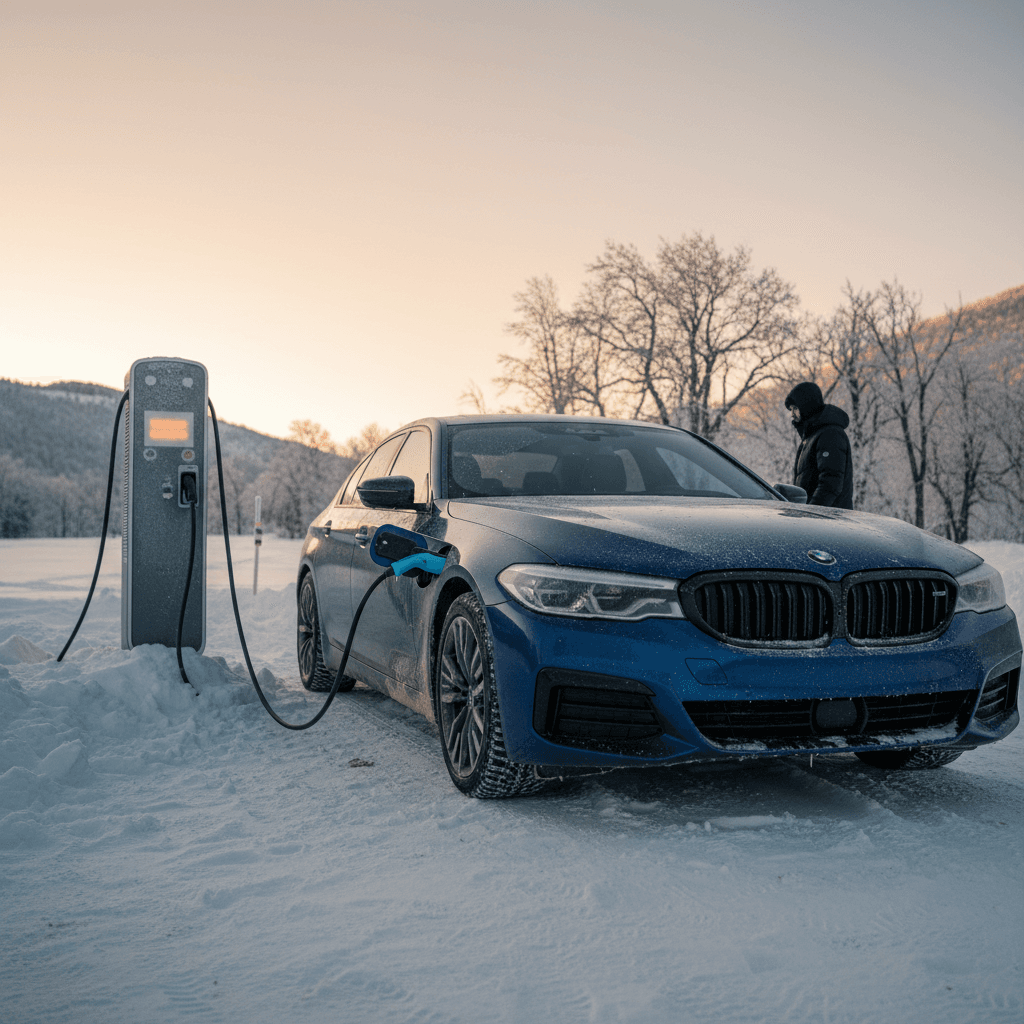
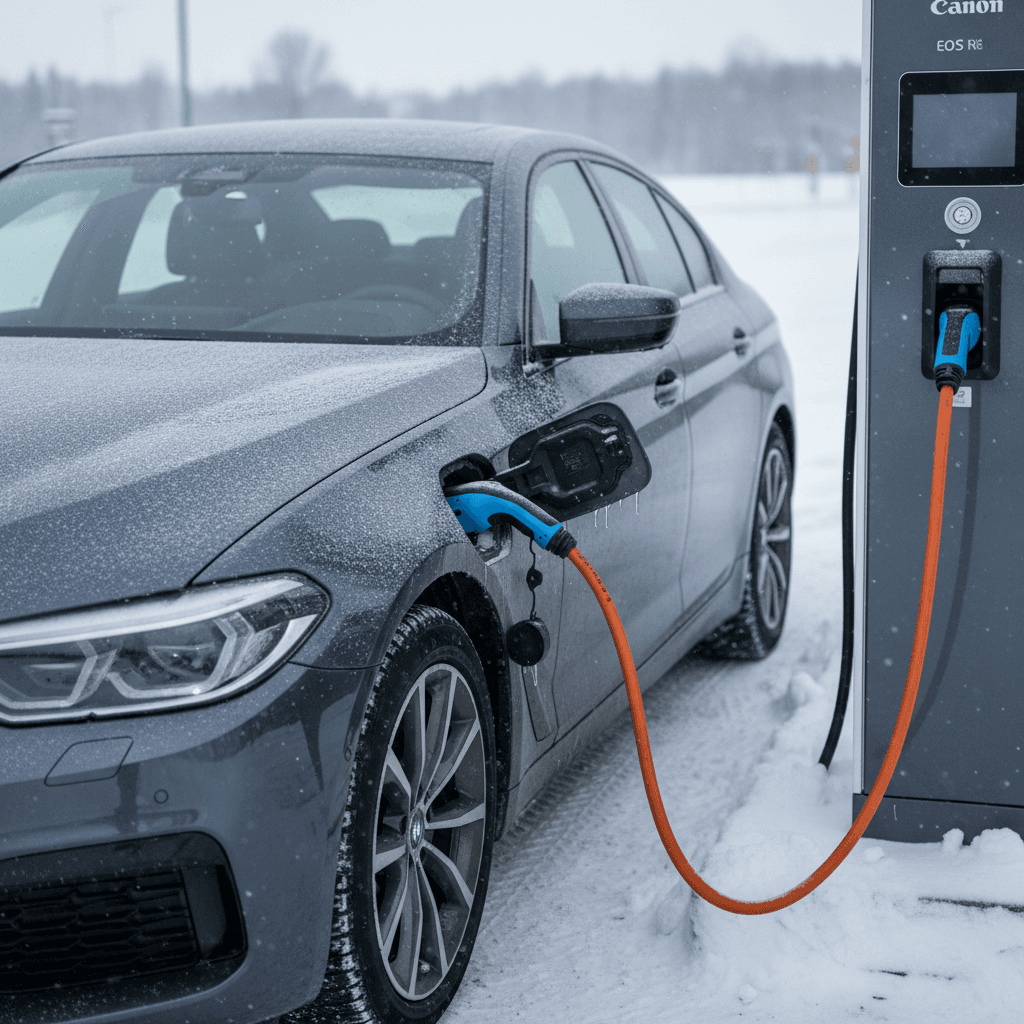
Cold weather reality check
On the battery‑tech side, both cars use modern liquid‑cooled packs designed for long life. The IONIQ 6’s 800‑volt architecture is unusual at this price, bringing ultra‑fast charging and excellent efficiency. The BMW’s 400‑volt system is more traditional but proven, with a slightly larger usable battery in most trims.
Charging speed and road-trip confidence
If you road‑trip regularly, charging speed and network access matter just as much as peak range. This is where Hyundai’s E‑GMP platform gives the IONIQ 6 some bragging rights, but BMW’s setup is no slouch, especially as more high‑power DC fast chargers roll out across the U.S.
Charging comparison: IONIQ 6 vs BMW i4
Approximate manufacturer claims on high‑power DC fast chargers under ideal conditions.
| Hyundai IONIQ 6 (E‑GMP) | BMW i4 | |
|---|---|---|
| Architecture | 800‑V (with 400‑V compatibility) | 400‑V |
| Max DC rate (best case) | Up to ~233 kW | Up to ~200 kW |
| 10–80% DC fast charge | ~18 minutes on a 350 kW charger | ~30–31 minutes on a high‑power DC charger |
| On‑board AC charger | ~10.9–11 kW | ~11 kW |
| Home charging (Level 2) | Full charge in roughly 7–8 hours | Similar 7–9 hours, depending on battery size and charger |
Real‑world charging speeds depend on temperature, your starting state of charge, and the health of the charging station itself.
Plan around networks, not just specs
Comfort, interior and tech
IONIQ 6: Lounge‑like, modern, minimalist
Inside, the IONIQ 6 feels airy and futuristic. A flat floor, light colors, and dual 12.3‑inch screens give it a “rolling living room” feel more than a traditional sedan vibe.
- Pros: Excellent visibility, simple controls, lots of storage cubbies.
- Seats: Comfortable and supportive for long drives, with available ventilation.
- Tech: Straightforward infotainment, solid driver‑assist suite, available head‑up display.
The cabin skews toward comfort and ease of use, with a design that feels distinctly EV rather than adapted from a gas car.
BMW i4: Classic BMW, thoroughly modern
The i4 shares much of its cabin with the 4 Series Gran Coupe, which means premium materials, snugger seating, and a clear driver‑centric layout. Recent model years add BMW’s curved display and updated iDrive system.
- Pros: Rich materials, excellent driving position, satisfying switchgear.
- Seats: Firmer and more bolstered, ideal if you like a sportier seating feel.
- Tech: Deep feature set, strong navigation and voice control, but more menus.
If you love that cocooned, premium sport‑sedan feel, the i4 delivers in a way few EVs do.
Driver-assistance and safety
Practicality, space and ride comfort
Daily‑use practicality
Both cars seat five, but their personalities are different when you start loading people and stuff.
Passenger space
- IONIQ 6: Longer wheelbase and flat floor give excellent legroom, especially in back.
- BMW i4: More traditional sedan space; comfortable but a bit tighter in the rear.
Cargo and usability
- IONIQ 6: Trunk around 11 cu ft with split‑fold rear seats; opening is on the small side for big boxes.
- BMW i4: Hatchback design with a larger opening makes bulky items easier to load.
Ride quality
- IONIQ 6: Softer, quieter ride that shrugs off most pavement flaws.
- BMW i4: Firm but controlled, especially on M Sport or M50; great for drivers, less ideal if your passengers hate firm rides.
Wheel size vs comfort
Ownership costs and used EV value
New, the BMW i4 generally costs more than a comparably equipped IONIQ 6. On the used market, both have already started to feel the same downward pressure as the rest of the EV world: fast‑moving tech, shifting incentives, and plenty of off‑lease cars returning to market.
Key cost factors to compare
1. Purchase price and depreciation
Hyundai’s lower starting prices and aggressive new‑car incentives often mean steeper percentage depreciation, which can make used IONIQ 6s particularly attractive values. BMWs tend to hold a bit more brand‑driven value, but you’ll usually still pay more for a comparable i4.
2. Insurance
The BMW’s higher MSRP, performance focus, and parts prices can translate into higher insurance premiums. Always get quotes for both models before you fall in love with one particular car.
3. Maintenance and repairs
EVs skip oil changes and most routine engine work, but tires, brakes, suspension, and electronics still wear. BMW parts and labor are typically pricier than Hyundai’s; that’s one reason many shoppers look closely at extended coverage or certified pre‑owned options.
4. Charging costs
Electricity cost per mile will be similar at home, but the Hyundai’s efficiency advantage can save you money over high‑mileage ownership, especially if you rely on DC fast charging, which is more expensive than home charging.
5. Incentives and tax credits
Used EV tax credits, state rebates, or local incentives can tilt the math in favor of one car or the other. These programs change often, so check current rules before you sign anything.
How Recharged can help
Ready to find your next EV?
Browse VehiclesHyundai IONIQ 6 vs BMW i4: who should choose which?
Choose the Hyundai IONIQ 6 if…
- You want maximum efficiency and range for the money.
- You value a smooth, quiet ride and lounge‑like interior.
- You do a lot of highway miles and want ultra‑fast 800‑V charging.
- You prefer lower expected running and repair costs.
- You’re shopping used and want strong value without sacrificing modern tech.
In short, the IONIQ 6 is the rational pick: incredibly efficient, tech‑forward, and comfortable, without feeling boring.
Choose the BMW i4 if…
- You prioritize driving feel and brand cachet.
- You want a cabin that feels like a classic premium sport sedan.
- You’re okay trading some range for sharper handling and stronger acceleration.
- You regularly haul bulky items and like the practicality of a hatch.
- You’re specifically eyeing the i4 M50 as a luxury performance EV.
The i4 is the emotional choice: a true BMW at heart that just happens to run on electrons instead of premium unleaded.
How to shop smart for a used IONIQ 6 or BMW i4
Both of these EVs are now showing up in meaningful numbers on the used market. That’s your opportunity to let the first owner eat the steepest part of the depreciation curve, as long as you do your homework on battery health, equipment, and charging history.
Used IONIQ 6 vs BMW i4 checklist
Confirm battery health, not just mileage
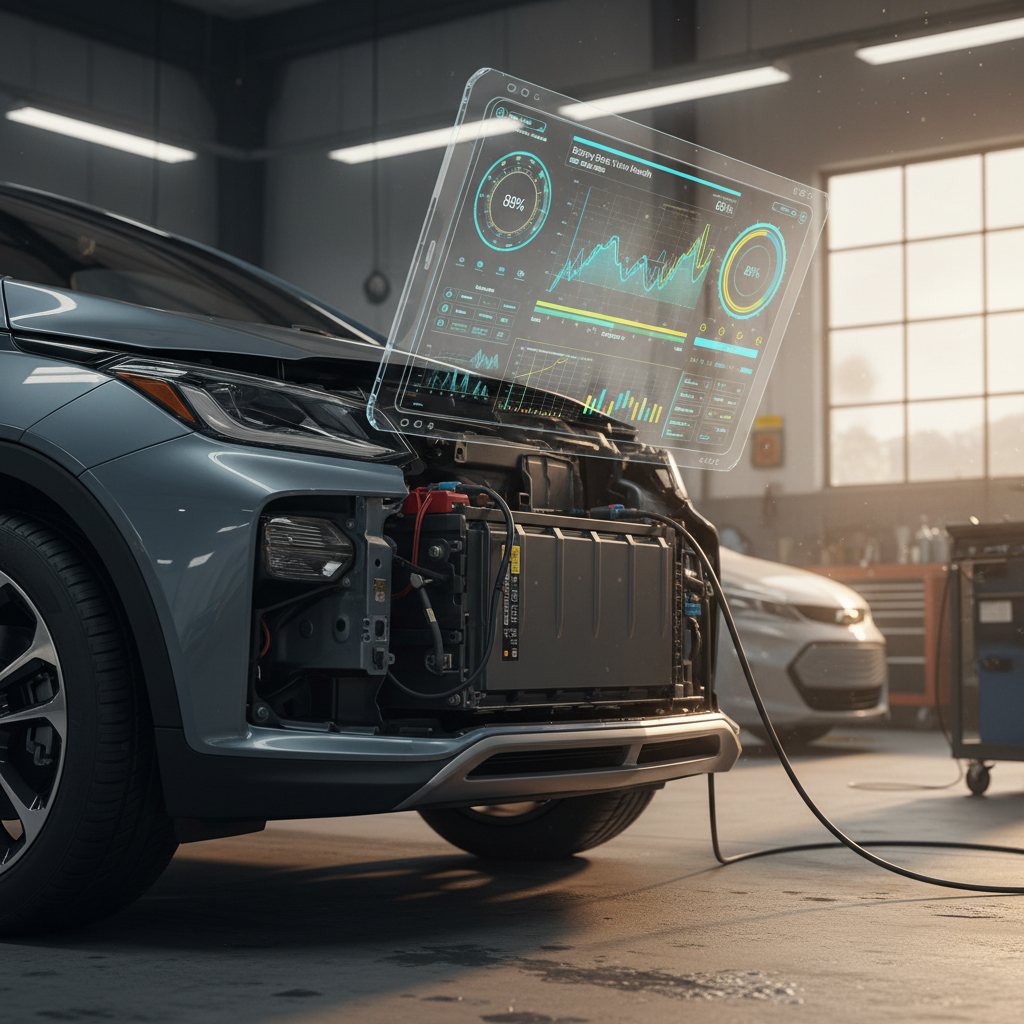
Two cars with identical mileage can have very different battery health depending on how they were charged and stored. Look for a <strong>third‑party battery health report</strong>, Recharged includes a Recharged Score battery diagnostic so you know how much usable range remains.
Check DC fast-charging history
Frequent DC fast charging isn’t automatically bad, but a car that lived on DC fast chargers and was often charged to 100% may show more degradation. Ask for charging history when possible and favor cars that mostly charged on Level 2 at home or work.
Verify options and trims
On both models, key features, like advanced driver‑assistance packages, premium audio, or larger batteries, can be tied to specific trims or options. Cross‑check the VIN build sheet or window sticker so you know exactly what you’re getting.
Inspect tires and brakes
EVs are heavy and torquey. Sports‑oriented trims like the BMW i4 M50 can chew through tires quickly, especially if driven hard. Confirm tire condition and budget for a replacement set if they’re close to the wear bars.
Test charging at home and public stations
If you can, plug the car into a Level 2 charger and a DC fast charger during your test period. You’re looking for consistent charging speeds and no warning lights. Slow or inconsistent charging can hint at battery or charging hardware issues.
Use expert support
If you’re new to EVs, having someone in your corner makes a big difference. Recharged’s EV specialists can walk you through battery reports, charging options at your home, and whether a Hyundai IONIQ 6 or BMW i4 better fits your actual driving patterns.
FAQ: Hyundai IONIQ 6 vs BMW i4
Frequently asked questions
Choosing between the Hyundai IONIQ 6 and BMW i4 isn’t about which car is “better” on paper, they’re both excellent. It’s about matching the car to the way you actually live and drive. If you want serene efficiency, fast charging, and standout value, the IONIQ 6 is hard to beat. If a premium cabin, sharp handling, and BMW character make you smile every time you press the start button, the i4 earns its place in your driveway. Either way, going electric opens the door to lower running costs and a quieter, more relaxing drive, and with tools like the Recharged Score Report and EV‑specialist support, you can make that leap into a used IONIQ 6 or BMW i4 with real confidence.