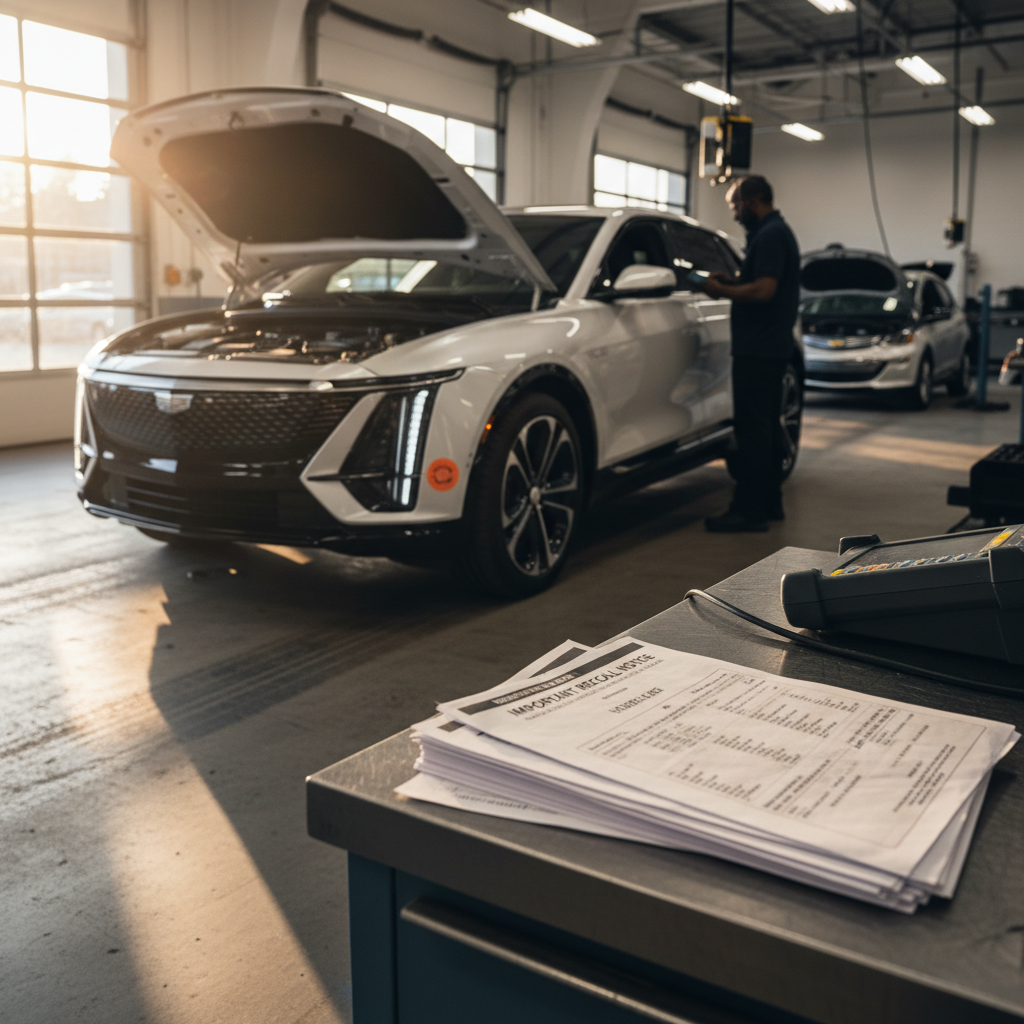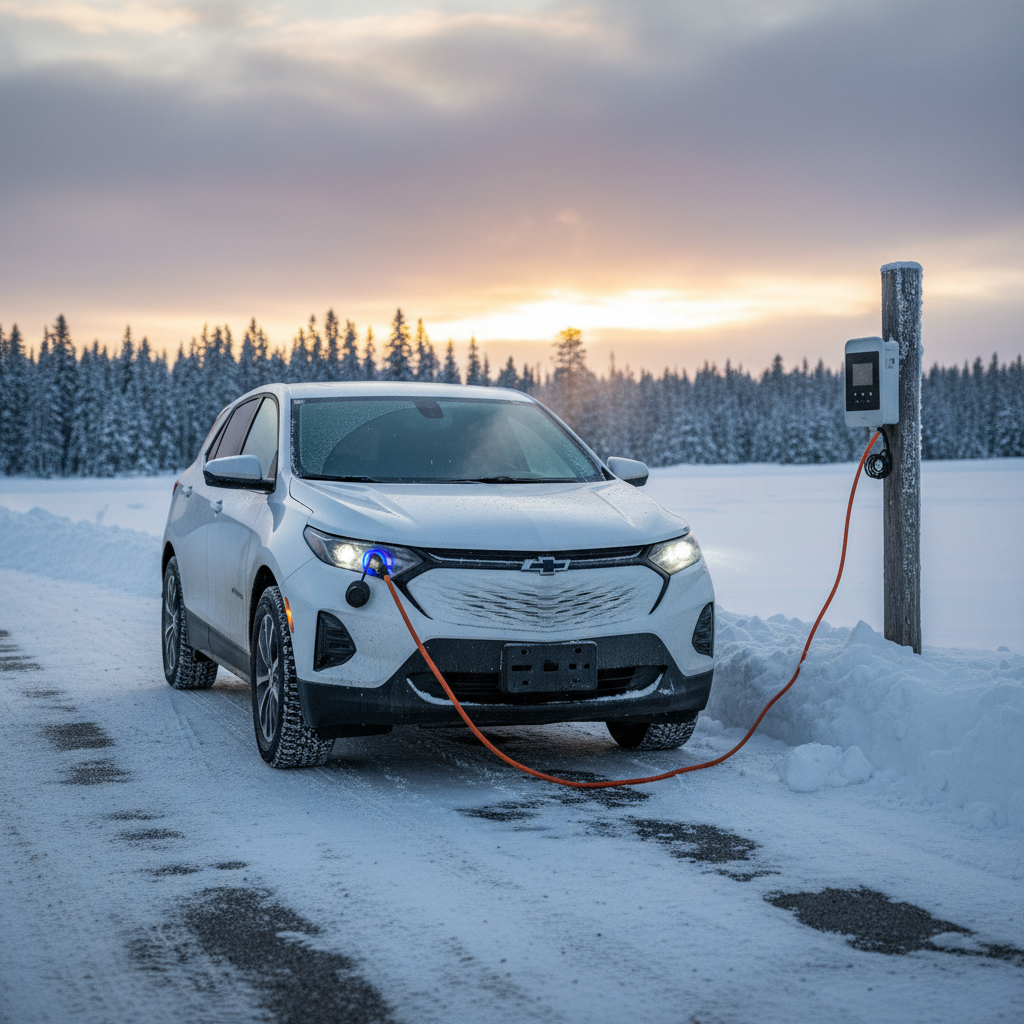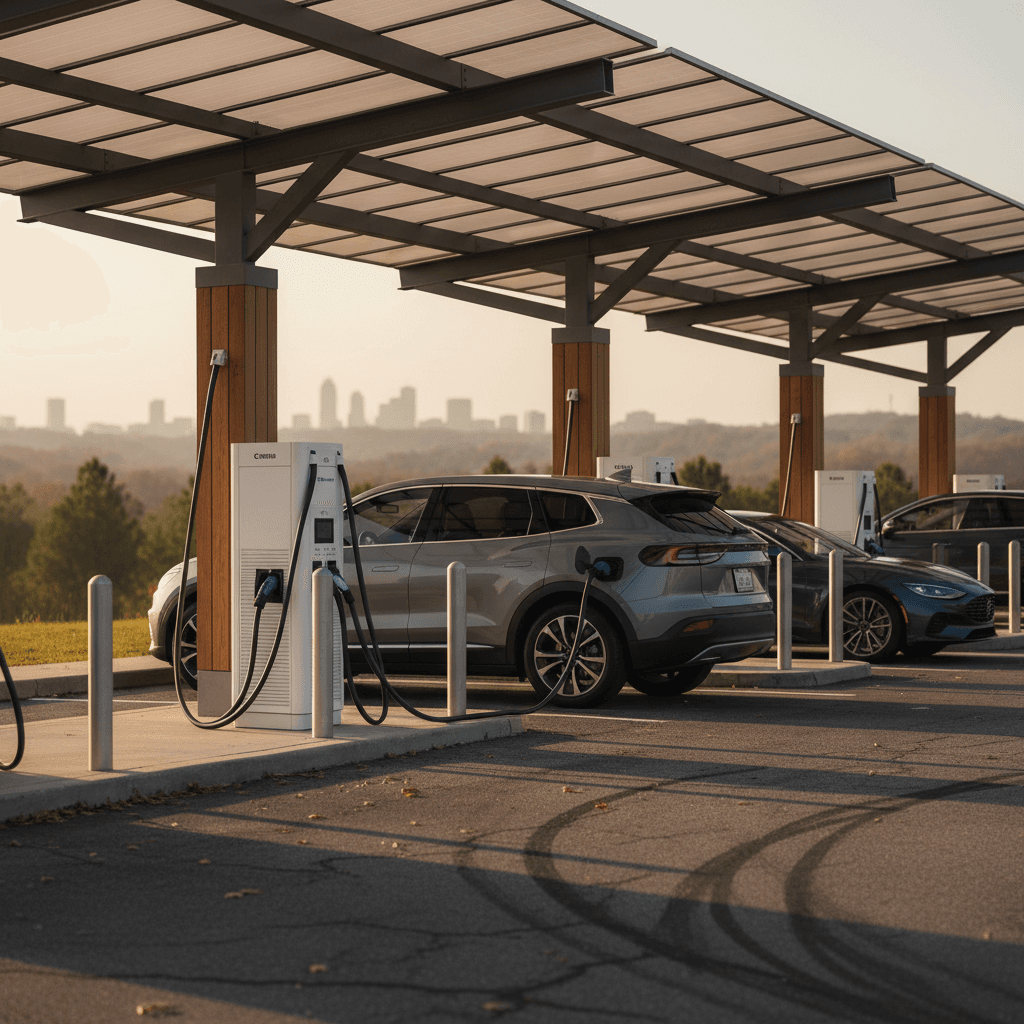
If you drive or are considering buying an electric car in Georgia, the strength of the Georgia electric car charging network is no longer an abstract policy question, it’s the difference between an easy commute or road trip and a stressful one. The good news: between Georgia Power, federal NEVI funding, and private networks, the state is rapidly stitching together a much more robust web of Level 2 and DC fast chargers.
Georgia at a glance
Why Georgia’s EV charging network matters right now
Georgia isn’t just another EV market; it’s turning into a manufacturing and logistics hub for electric mobility, with major investments by automakers and battery suppliers. That puts more EVs on the road faster, which in turn raises the stakes for a charging network that can serve commuters around Atlanta, delivery fleets, and families driving from Savannah to the mountains.
Key numbers behind Georgia’s charging build-out
Growing pains are real
What actually makes up Georgia’s electric car charging network?
When people talk about the “Georgia electric car charging network,” they’re really talking about a patchwork of overlapping pieces that together determine how easy your life with an EV will be:
- Utility-owned and utility-enabled chargers – chiefly Georgia Power’s Level 2 and DC fast chargers, plus sites built with its Make Ready infrastructure funding and other rebate programs.
- National networks – Electrify America, EVgo, Tesla Supercharger, ChargePoint, FLO, BP Pulse and others operating public stations in Georgia.
- Local government and institutional sites – chargers at county libraries, animal services facilities, universities, hospitals, and municipal parking, like the new public chargers at Fulton County’s Metropolitan Library and Animal Services Facility in Atlanta.
- Private destination sites – chargers at hotels, Walmarts and other big-box retail, workplaces, apartments, and attractions.
- Home and workplace charging – not public, but crucial in reducing pressure on public networks, especially in Metro Atlanta.
Level 2 AC charging
Level 2 chargers use 240V and are the backbone of day‑to‑day charging. You’ll see them in workplaces, apartments, public parking decks, and county facilities. They typically add 25–50 miles of range per hour depending on power level and your EV’s onboard charger.
DC fast charging (DCFC)
DC fast chargers along interstates and major highways are what make road trips possible. In Georgia, new NEVI‑funded sites are required to provide at least four DC fast chargers that can run simultaneously, often at 150–350 kW, which can add 150+ miles of range in 20–30 minutes for many EVs.
Where to find chargers in Georgia today
On the ground, Georgia’s charging landscape feels very different in Midtown Atlanta than it does along a rural stretch of I‑16. The patterns are worth understanding before you buy, or before you plan a long drive.
Major players in Georgia’s public charging scene
Use multiple apps and networks to keep your options open.
Georgia Power community charging
Georgia Power operates a growing set of community Level 2 and DC fast chargers across the state with kWh‑based pricing. These tend to be well‑placed for everyday use around cities and regional centers.
Electrify America & EVgo
Electrify America already lists 30+ DC fast‑charging stations in Georgia, and EVgo has sites in and around Atlanta and along key corridors. Both are especially important for CCS‑equipped non‑Tesla EVs.
Tesla Supercharger & NACS
Tesla’s Supercharger network blankets Metro Atlanta and major interstates, and more sites now include CCS compatibility or NACS access for non‑Teslas. Check your carmaker’s app for which locations you can use and whether you need an adapter.
Use multiple apps

Fast-charging corridors and Georgia road trips
For most drivers, the real test of Georgia’s charging network is whether you can comfortably drive from Atlanta to the coast, the mountains, or neighboring states without worrying about getting stranded. That’s where designated EV corridors and NEVI‑funded hubs matter.
Key Georgia EV charging corridors
These routes already have, or are slated to receive, federally compliant DC fast‑charging hubs roughly every 50 miles.
| Corridor | Typical trip | Charging status (2025–2026) | What to watch for |
|---|---|---|---|
| I‑75 | Atlanta ↔ Florida / Tennessee | Strong DC fast coverage at Pilot/Flying J, Electrify America sites, Tesla Superchargers; GM–EVgo–Pilot truck‑stop hubs are expanding along the route. | Plan stops near major interchanges (Macon, Valdosta) and truck stops that offer food and restrooms. |
| I‑85 | Atlanta ↔ Greenville/Charlotte | Already designated an EV corridor, with a goal of fast chargers roughly every 50 miles and multiple private‑network sites. | Watch for new NEVI‑backed hubs closing remaining gaps between Atlanta and the South Carolina line. |
| I‑20 | Atlanta ↔ Birmingham/Augusta | Growing mix of EA, EVgo, and utility‑enabled sites, plus Tesla coverage. | Coverage thins out between major cities, avoid arriving with single‑digit state of charge. |
| I‑16 | Macon ↔ Savannah | Historically sparse but targeted in Georgia’s NEVI plan and recent funding rounds focused on rural gaps. | Expect new four‑stall DC hubs at travel centers and highway exits; confirm which ones are live before a coastal trip. |
| US‑Highways | US 82, US 441, other routes | Select towns and travel centers will receive NEVI‑funded hubs operated by companies like Pilot Travel Centers, Love’s, and regional providers. | These will be lifelines for cross‑state travel that doesn’t stick to the Interstates. |
Always confirm current status in your charging app before you leave; some NEVI projects funded in late 2025 will still be under construction through 2026.
24/7 chargers at familiar stops
Pricing: how much does public charging cost in Georgia?
Because Georgia allows kWh‑based pricing, you’ll usually pay per unit of energy rather than per minute. Exact rates vary by network and membership, but it’s possible to get a ballpark sense of what you’ll pay compared to home charging.
Typical public charging prices in Georgia
Always check current rates in the app, these figures are snapshots, not guarantees.
Georgia Power community chargers
- Level 2: around $0.28/kWh
- DC fast: around $0.48/kWh
At these prices, a 60 kWh session on DC fast (roughly 200 miles in many EVs) would be about $29 before any idle fees.
Third‑party networks
Electrify America, EVgo, Tesla, and others use dynamic pricing that often ranges higher than utility‑run stations, especially for pay‑as‑you‑go users. Membership plans or automaker partnerships can significantly lower your per‑kWh rate.
Beware idle and parking fees
Utility and government programs shaping the network
Behind every charger on your map is a tangle of utility rate cases, federal formula funds, and state grants. You don’t need to memorize the acronyms, but understanding the big programs helps you predict where coverage will improve next, and what support might be available if you manage property or a fleet in Georgia.
Major programs behind Georgia’s charging build-out
Georgia Power Make Ready Infrastructure Program
For business, municipal, and multifamily sites installing six or more ports or at least one DC fast charger, Georgia Power will design, build, and own the electrical infrastructure up to (but not including) the chargers themselves, covering up to hundreds of thousands of dollars in make‑ready costs and running through at least 2028, while funding lasts.
Georgia Power business & home incentives
Separate rebates and managed charging pilots can offset Level 2 hardware for businesses and pay residential customers to charge off‑peak. If you’re planning workplace or fleet chargers, start with Georgia Power’s incentive pages before you spec equipment.
Federal NEVI Formula Program
Georgia is slated to receive roughly $135 million over five years to build fast‑charging hubs every ~50 miles along Alternative Fuel Corridors. The state has already awarded funds for dozens of sites, each with at least four DC fast chargers that must operate 24/7.
Federal 30C Alternative Fuel Infrastructure Tax Credit
Businesses, nonprofits, and municipalities that install charging in eligible census tracts can get a federal tax credit of up to 30% of project costs, capped at $100,000 per charger, through 2032, stackable with other programs when structured correctly.
Thinking about installing chargers at your property?
Urban vs. rural charging in Georgia
From a charging perspective, Georgia is two very different states. Metro Atlanta is approaching the kind of density where you can improvise a bit; rural areas are still firmly in “plan every stop” territory.
Metro Atlanta and large cities
- Dense mix of Level 2 and fast charging around downtown, Midtown, Buckhead, and major job centers.
- Growing presence of chargers in county buildings, libraries, and parking decks after local initiatives added public EV stalls.
- More options in private parking (workplaces, apartments, big‑box retailers) that may or may not be shown in third‑party apps.
Here, the limiting factor is often pricing and congestion at popular DC fast sites rather than complete absence of options.
Smaller cities and rural Georgia
- Coverage clustered at interstate exits, travel centers, and a few downtown Level 2 sites.
- Long stretches of US highways with no DC fast charging yet; Level 2 may be your only fallback in some towns.
- NEVI‑funded sites will help, but many are in planning or construction phases through 2026.
In these areas, driving like you do in a gas car, waiting until you’re nearly empty to stop, can be a recipe for anxiety.
Don’t trust the last 10%
Planning your charging: daily driving vs. road trips
The same Georgia charging map looks very different depending on whether you’re mostly commuting around Atlanta or driving from, say, Athens to the Florida line. Your strategy should change accordingly.
Dialing in your charging strategy in Georgia
1. For daily driving, lean on home or workplace Level 2
If you can charge at home or where you work, you’ll rarely need public DC fast charging. A 7–11 kW Level 2 charger can refill 40–50 miles of commuting in just a couple of hours.
2. Use public Level 2 as a safety valve
Metro areas in Georgia increasingly offer Level 2 parking at libraries, county buildings, and commercial garages. They’re slower but usually cheaper than DC fast and great for topping up while you’re doing something else.
3. For road trips, build your route around DC hubs
On a Savannah–Atlanta run or heading north into the Carolinas, choose your <strong>anchor stops</strong> at known DC hubs along interstates, then check if there’s a secondary option within 20–30 miles as backup.
4. Check connector types and power levels
Make sure a site has connectors your car can use, CCS, NACS, or CHAdeMO for older Nissan Leafs, and enough power to make the stop worthwhile. A 50 kW unit might be fine for a coffee break; 150+ kW is better when you’re in a hurry.
5. Watch network policies on adapters and extensions
Some networks explicitly prohibit high‑power extension cables and third‑party adapters beyond OEM‑approved options, citing safety concerns. Don’t assume you can solve a short cable problem with aftermarket hardware.
6. Keep battery health in mind
Frequent DC fast charging in Georgia’s summer heat can accelerate battery wear. If you’re a heavy road‑tripper, factor in how your chosen EV handles sustained high‑power charging and what warranties look like. A <strong>Recharged Score</strong> on a used EV can give you a quantified view of current battery health before you buy.
How Georgia’s charging network will evolve through 2030
Charging infrastructure isn’t static; the map you see in 2026 will look very different by the end of the decade. Georgia is at the center of several trends that will reshape where and how you plug in.
Georgia charging network: what to expect next
2025–2026: Filling obvious gaps
Completion of the first waves of NEVI‑funded DC hubs along interstates and key US highways, with at least four stalls per site.
More Georgia Power Make Ready projects at multifamily housing, workplaces, and municipal sites, especially in Metro Atlanta and regional hubs.
Big brands, Pilot, Love’s, Waffle House, Walmart, and others, adding 400 kW‑class chargers at highway‑adjacent locations, often with both CCS and NACS connectors.
Automakers rolling out more NACS‑equipped EVs and adapters, making Tesla Superchargers a practical option for many non‑Tesla drivers.
2027–2030: Integrating charging into everyday life
A noticeable shift from “destination chargers” to <strong>ambient charging</strong>, chargers quietly appearing at grocery stores, gyms, and more apartment complexes.
Higher reliability expectations as regulators and drivers push networks to improve uptime, payment simplicity, and station maintenance.
More dynamic pricing tied to grid conditions and time‑of‑day, especially as data centers and industrial loads grow in Georgia.
Heavier focus on fleets (delivery, ride‑hail, municipal) with dedicated depots that may or may not be visible in public apps but reduce competition at public stations.
Grid investment and EV charging
What Georgia’s charging build-out means if you’re shopping for a used EV
If you’re shopping for a used EV in Georgia, the charging network should influence not only whether you go electric but which model you choose and what you’re willing to pay. The right match between your routes and the network can make a three‑year‑old EV feel as easy to live with as a new one.
Factors Georgia used‑EV shoppers should weigh
Charging access and battery health now matter as much as trim level or paint color.
Where you actually drive
Map out your real use case: are you mostly inside I‑285, bouncing between suburbs, or driving long stretches of rural highway weekly? Metro drivers can lean more on Level 2; rural drivers should prioritize cars that fast‑charge reliably at a wide range of networks.
Battery health and fast‑charge behavior
A used EV with a tired battery will spend more time on DC fast chargers and may struggle to reach original range estimates. A Recharged Score gives you a transparent, tested view of actual battery health so you’re not buying blind.
Connector type and adapter support
In the NACS transition era, verify what your car ships with and what adapters are available. Some older CCS‑only models may feel constrained in parts of Georgia where Tesla and NACS are dominant, while others have solid cross‑compatibility.
How Recharged fits into the picture
Ready to find your next EV?
Browse VehiclesGeorgia electric car charging network: FAQ
Common questions about charging an EV in Georgia
Georgia’s electric car charging network is in that awkward middle stage between early adopter patchwork and true ubiquity. The good news is that the fundamentals are moving in the right direction: federal dollars, utility programs, and private networks are all pulling in roughly the same direction. If you’re willing to plan a bit, and to choose a car whose battery health and connector options match your routes, owning a new or used EV in Georgia is already practical today, and it’s only going to get easier over the rest of the decade.