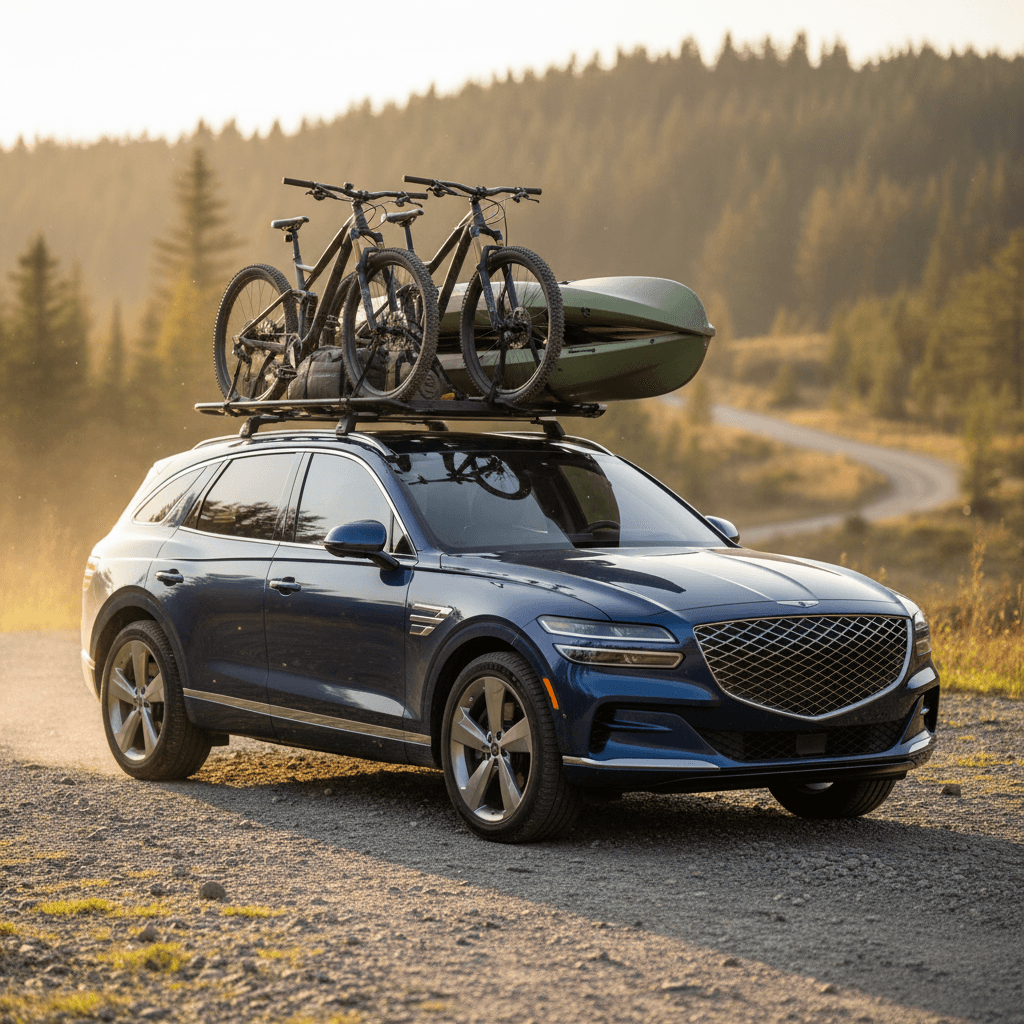
If you’re planning to haul bikes, skis, a cargo box, or even a rooftop tent on your Genesis Electrified GV70, you need to know the real roof rack weight limits, not just what an accessory ad claims. Overloading the roof can affect stability, range, and even warranty coverage, so it pays to get this right.
Key takeaway
Electrified GV70 roof rack weight limit: the short answer
Headline numbers for Electrified GV70 roof loading
Genesis doesn’t publish a separate, higher roof rating just because the GV70 is electrified. In practice, the Electrified GV70 uses the same basic body shell and roof rails as the ICE GV70, and overseas spec sheets list an 80 kg roof rail load limit for GV70 models. That number is the best working assumption for the U.S. Electrified GV70 until you’ve checked your own owner’s manual or label.
Vehicle limit always wins
- Treat 80 kg / 176 lb as the working dynamic roof load limit for the Electrified GV70 unless your manual says otherwise.
- This total includes: crossbars + feet, any basket/box + all gear on top.
- Static (parked) load, like people in a rooftop tent, can be higher, but must still respect the roof structure and center of gravity.
Dynamic vs. static roof load on the Electrified GV70
When you dig into roof rack specs, you’ll see two different ideas: dynamic load and static load. Understanding the difference is crucial if you’re considering heavy items like a rooftop tent on your Electrified GV70.
Dynamic roof load
This is the in‑motion limit, what the roof can handle while you’re driving, braking, turning, and hitting bumps. The Electrified GV70’s effective dynamic limit is about 80 kg (176 lb) on the rails.
- Includes rack, box, and cargo.
- Used for any highway or off‑pavement driving.
- This is the number you should obsess over.
Static roof load
This is the parked limit, what the roof can carry while the vehicle isn’t moving. It’s what rooftop tent brands quote when they say 600–800 lb.
- Roof structure can handle more when forces are vertical only.
- Genesis does not publish an official static number for the Electrified GV70.
- For safety, many owners stay well under 2–3× the dynamic rating.
Why rooftop tents are a gray area
OEM vs. aftermarket crossbars on the Electrified GV70
Genesis offers factory roof rail crossbars for the GV70 and Electrified GV70, and there’s a fast‑growing ecosystem of third‑party bars from brands like Erkul and OMAC that specifically list compatibility with the 2023–2026 Electrified GV70. Some advertise capacities around 220 lb, which is higher than the vehicle’s likely 80 kg rail limit.
How OEM and aftermarket bars compare on the Electrified GV70
Remember: the lowest rating in the system is the one that matters.
Genesis OEM crossbars
- Designed and tested for the GV70/Electrified GV70 body.
- Rated to match the vehicle’s roof load limits.
- Best choice for warranty peace of mind.
Aftermarket crossbars
- Often advertise ~220 lb capacity.
- Good for boxes, bike trays, and kayak cradles.
- Still constrained by the car’s ~80 kg roof rail rating.
What actually limits you
- Vehicle rail limit (≈80 kg) usually comes first.
- Then crossbar limit, then accessory limit.
- Your real max is the lowest number in that chain.
Weigh your setup on a bathroom scale
Real‑world setups: bikes, cargo boxes, and rooftop tents
Numbers are helpful, but what most Electrified GV70 owners really want to know is: Can I carry my normal adventure kit without drama? Let’s walk through common setups and how they interact with that ~80 kg roof limit.
Common Electrified GV70 roof setups vs. weight limits
Approximate weights to help you sanity‑check your plans. Always use your actual product specs where possible.
| Setup | Typical hardware weight | Typical gear weight | Estimated total | Safe for ~80 kg dynamic? |
|---|---|---|---|---|
| Two bikes on the roof | Crossbars ~12–18 lb | Two bikes + trays ~60–80 lb | ~75–95 lb | Yes, if you choose lighter trays and bikes. |
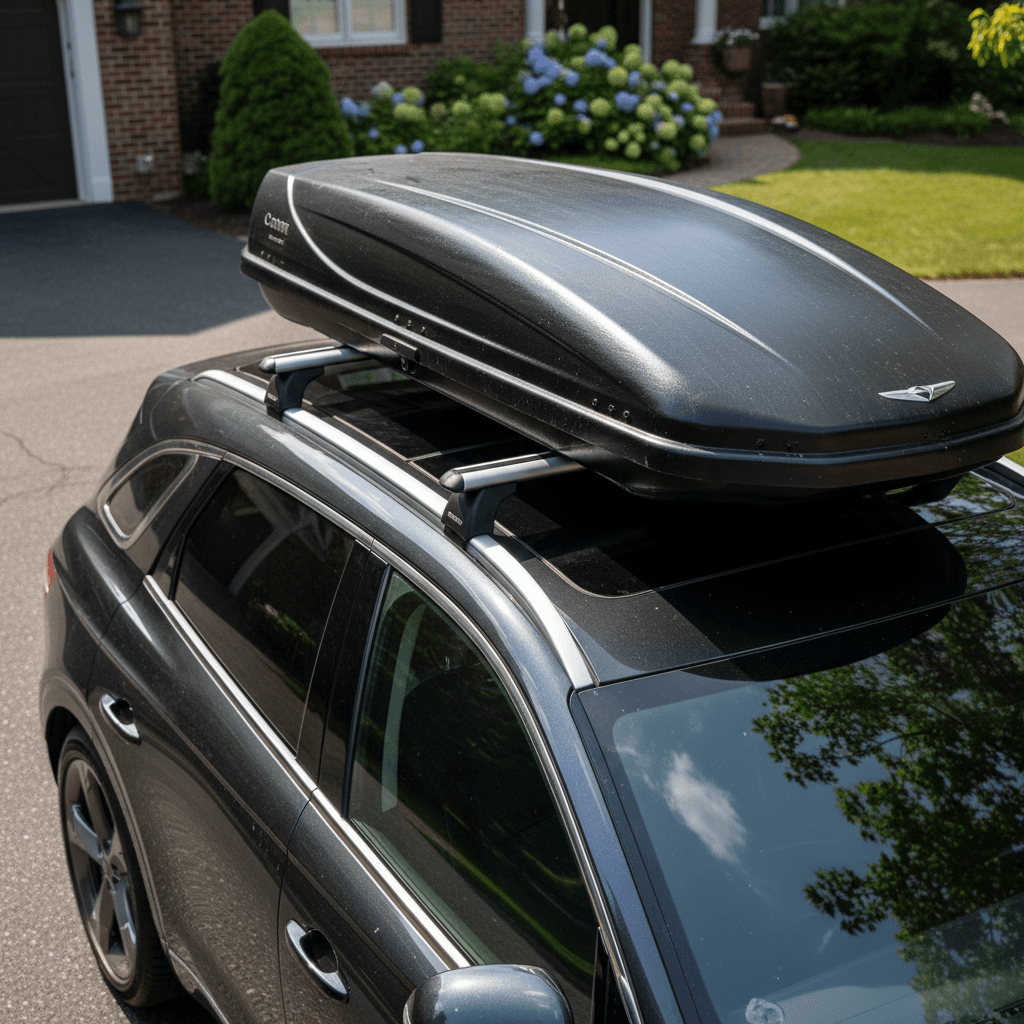
| Medium cargo box (400–450 L) | Crossbars ~12–18 lb | Box ~30–40 lb, gear ~40–60 lb | ~80–120 lb | Usually safe if you pack soft, light items. |
| Four bikes on the roof | Crossbars ~15–20 lb | Four bikes + trays ~120–160 lb | ~135–180 lb | Borderline to over; easy to exceed vehicle limit. |
| Hard‑shell rooftop tent | Crossbars ~15–20 lb | Tent ~120–160 lb, bedding ~20–30 lb | ~155–210 lb | Over the likely 176 lb dynamic rating in many cases. |
These examples assume an 80 kg (176 lb) vehicle roof rail limit. If your documentation shows a different number, use that instead.
Watch the hidden weight in accessories
Simple checklist for a safe Electrified GV70 roof load
1. Start from 80 kg (176 lb)
Unless your manual shows a different value, assume an 80 kg dynamic roof rail limit for the Electrified GV70 and work backward from there.
2. Subtract your crossbars first
Weigh or look up your crossbars. If they’re 18 lb, that leaves around 158 lb for boxes, trays, and cargo.
3. Add boxes, trays, and mounts
Include every metal part that bolts to the bars, bike trays, ski racks, baskets, tent brackets. This is where many owners underestimate weight.
4. Add real gear weight, not guesses
Use a scale for bikes, duffels, and camping gear. Published weights are often optimistic and may not include pedal upgrades or accessories.
5. Leave a healthy safety margin
Try to stay at least 10–20% under the rating. That gives you buffer for measurement error and dynamic forces from potholes and sharp turns.
6. Re‑check after upgrades
If you later swap in a heavier tent, larger box, or extra bikes, re‑run the math. Don’t assume your old numbers still apply.
How roof rack weight and drag affect range and handling
The Electrified GV70 is already a relatively heavy compact SUV thanks to its battery pack. Add weight high up on the roof and you’re not just flirting with load limits, you’re also changing how the vehicle drives and how far it can go on a charge.
What a loaded roof does to your Electrified GV70
Weight and aero drag both matter for real‑world road trips.
Impact on range
- Extra drag from boxes and bikes is the big culprit at highway speeds.
- It’s common to see a 5–15% drop in range with a roof box or bikes on many EVs.
- Heavier loads also hit efficiency on hills and during acceleration.
Impact on handling
- Higher center of gravity means more body roll in corners.
- Emergency maneuvers can feel less stable, especially fully loaded.
- Crosswinds have more leverage on tall loads like tents and skis.
Practical range planning rule
If you’re buying or selling a used Electrified GV70 through a digital retailer like Recharged, it’s worth asking how the car was typically used. A vehicle that spent most of its life with a giant tent or box on the roof at highway speeds isn’t automatically a deal‑breaker, but it may have seen slightly higher energy usage and more stress on suspension and tires.
How to confirm your Electrified GV70’s exact roof load limits
Because documentation can vary slightly across markets and model years, the most authoritative answer for your specific Electrified GV70 is always the paperwork that came with your VIN. Here’s how to verify it.
Where to look up your Electrified GV70’s roof ratings
1. Owner’s manual: load & towing section
Flip to the load or specifications section and look for “roof load,” “roof rail load,” or similar terms. European and Australian manuals often list “Roof rail load limit: 80 kg.”
2. Door‑jamb label & cargo info
Open the driver’s door and look for the weight and tire‑pressure labels. Some vehicles include reminders about maximum roof load near the GVWR and axle ratings.
3. Genesis accessory documentation
If you have dealer‑installed Genesis crossbars, check the installation or accessory booklet. It may repeat the factory roof limit and any additional constraints.
4. Crossbar instructions
Aftermarket kits usually list a bar rating (for example, 220 lb). Treat this as a ceiling under the vehicle rating, not permission to exceed the car’s own limit.
5. Ask a Genesis service advisor
If you still can’t find a clear answer, ask a Genesis service department to pull the latest specs for your VIN. Get the number in writing if you plan anything close to the limit.
Buying used? Get the paper trail
Roof rack tips if you’re shopping for a used Electrified GV70
The Electrified GV70 is a compelling used EV because it combines luxury, fast DC charging, and meaningful towing and roof‑rack capability. But if bikes and cargo boxes are part of your life, you should bake roof‑load thinking into your shopping process.
What to inspect on the roof
- Rails and mounting points: Look for pulled‑up trim, bent rails, or cracked paint around the feet where crossbars attach.
- Panoramic sunroof: Cycle it open and closed; listen for grinding or rattling that could signal past overloads or rough roads.
- Paint wear and dents: Check for dents near the edge of the roof where people may have over‑tightened boxes or overloaded tents.
How Recharged can help
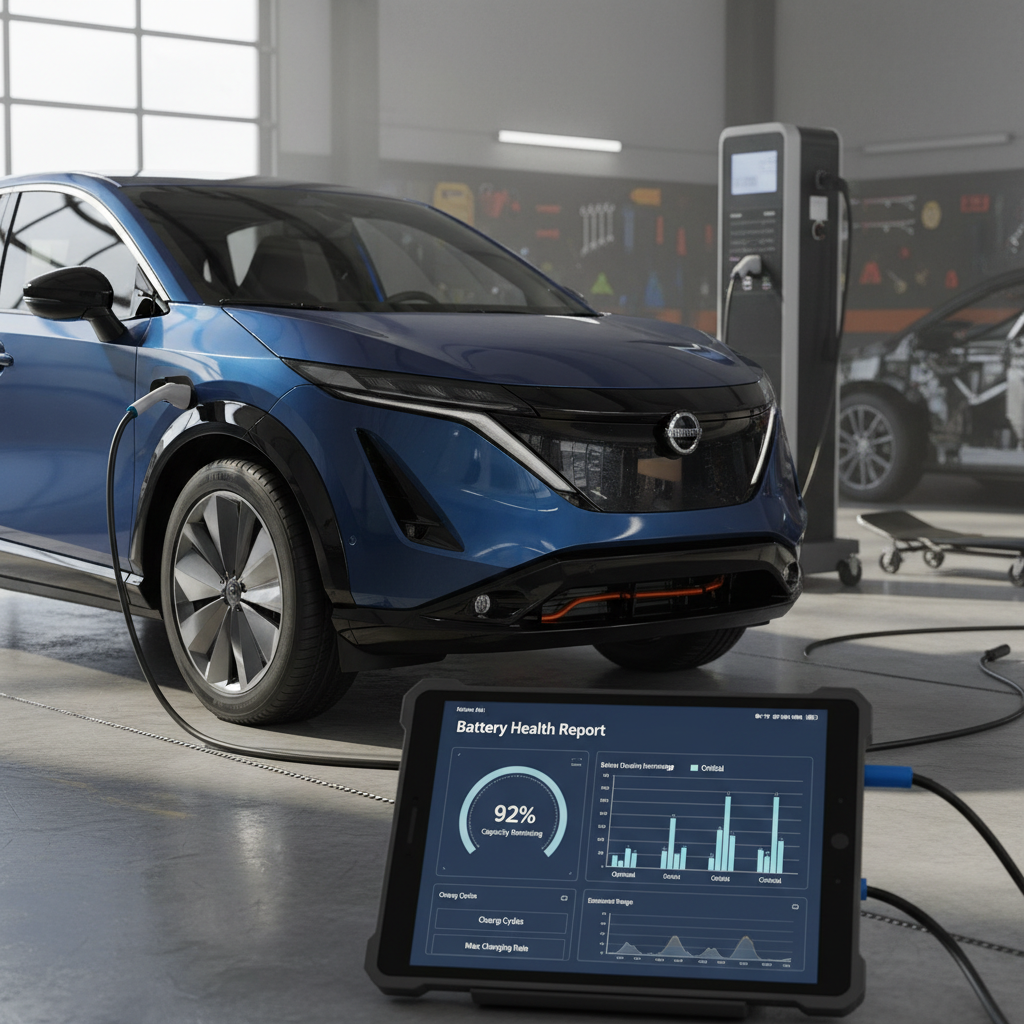
- Every used EV on Recharged includes a Recharged Score battery health report, so you know how previous trips, and loads, have impacted the pack.
- EV‑specialist advisors can help you compare the Electrified GV70 with other EVs if roof load or cargo flexibility is a top priority.
- With nationwide delivery and digital paperwork, you can shop for the right configuration (with or without factory crossbars) from your couch.
Pro configuration tip
Genesis Electrified GV70 roof rack FAQs
Frequently asked questions about Electrified GV70 roof loads
The bottom line for the Genesis Electrified GV70 roof rack weight limit is straightforward: treat 80 kg (176 lb) on the roof rails as your hard dynamic ceiling unless your own documentation explicitly says otherwise, and then work patiently backward from there. If you do the math, choose quality crossbars, and keep heavier or bulkier gear on a hitch instead of the roof, the Electrified GV70 is more than capable of handling bikes, boxes, and adventure duty without compromising safety or range. And if you’re shopping used, a transparent, battery‑health‑first retailer like Recharged can help you find the right GV70 spec, and the right cargo strategy, for how you actually live and drive.