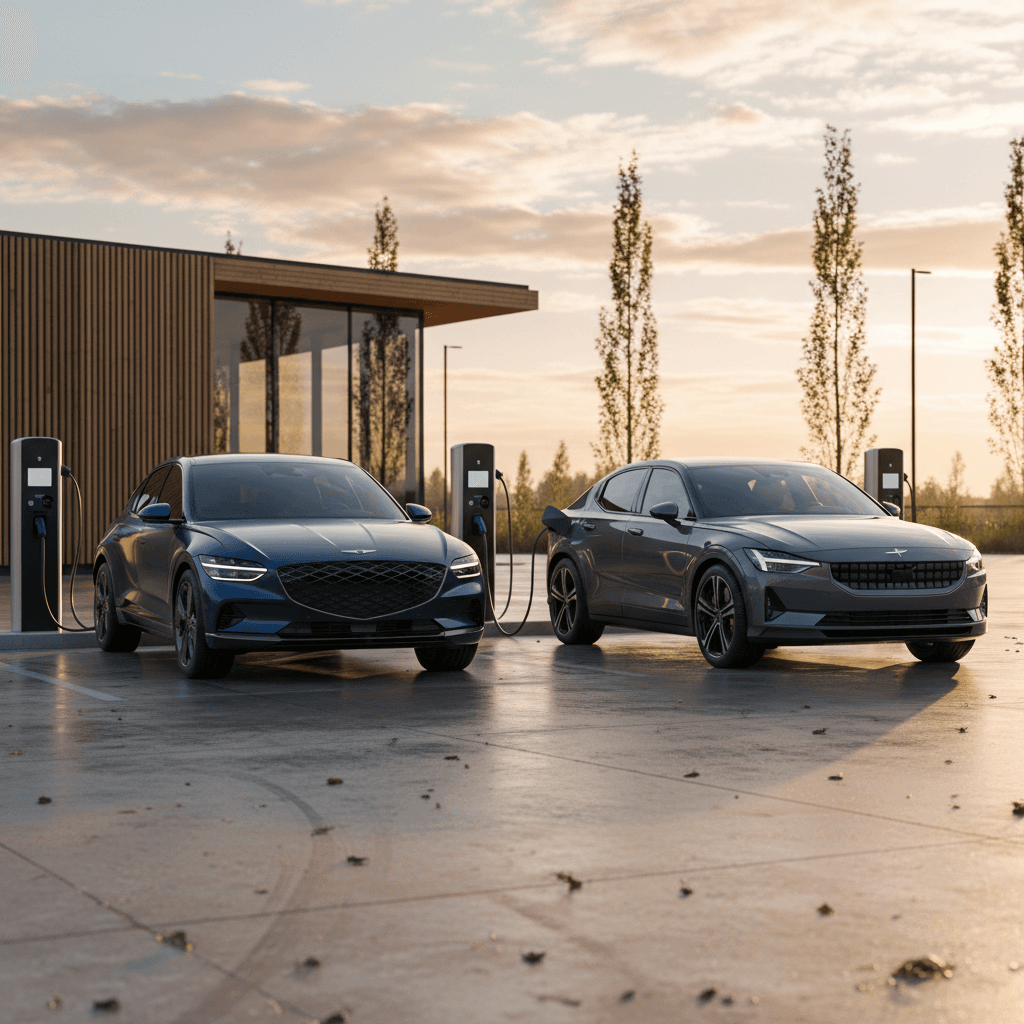
You don’t cross‑shop the Genesis GV60 and Polestar 2 by accident. These are the connoisseur’s compact EVs: quirky, fast, beautifully made, and invisible to anyone whose idea of electric luxury begins and ends with a Tesla badge. If you’re wondering “Genesis GV60 vs Polestar 2, which is better?” the truth is that each shines for a different kind of driver, especially in today’s used‑EV market.
Big picture
Overview: Genesis GV60 vs Polestar 2
On paper, the Genesis GV60 and Polestar 2 occupy the same neighborhood: compact premium EVs with roughly 250–320 miles of rated range, dual‑ or single‑motor options, and price tags that, when new, lived in the $50,000–$70,000 universe. In reality, they answer different questions:
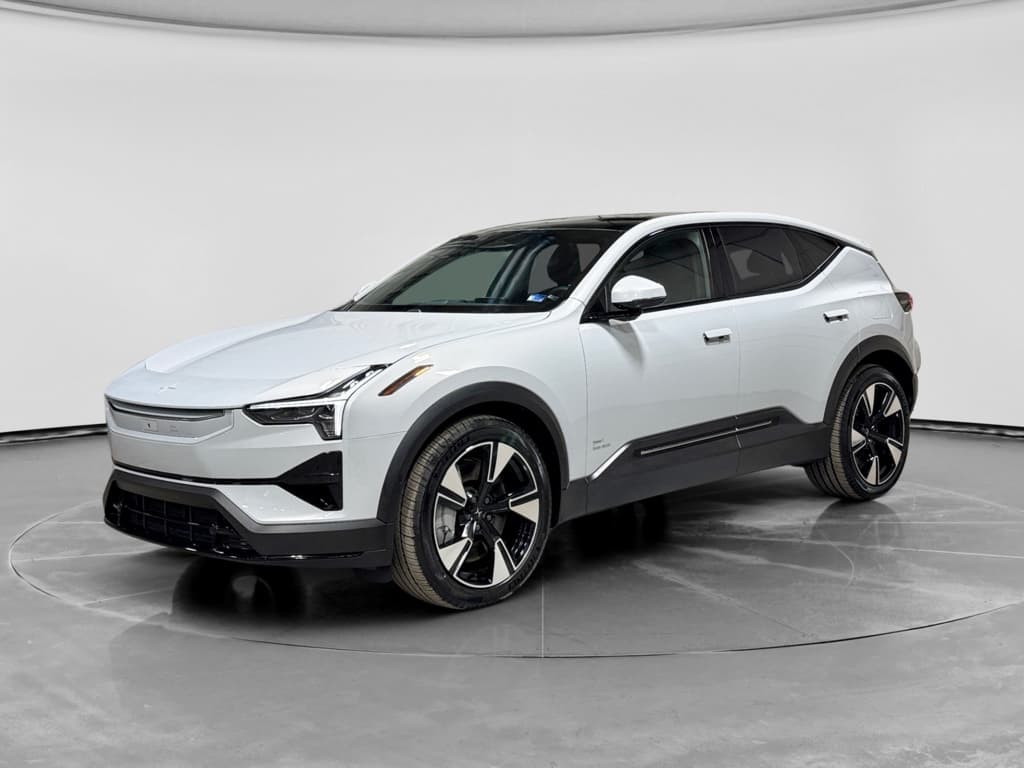
- Genesis GV60: Compact luxury crossover/SUV, built on Hyundai–Kia’s 800‑volt E‑GMP platform. Big focus on rapid DC charging, lounge‑like interior, and wild launch‑control shove in Performance trims.
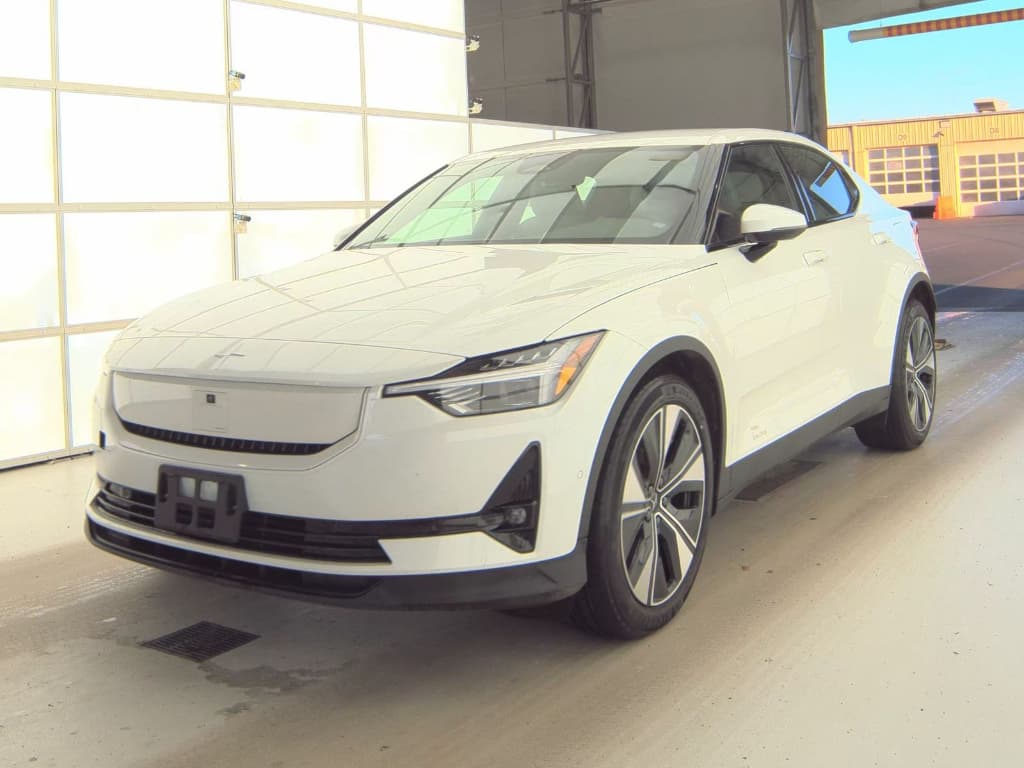
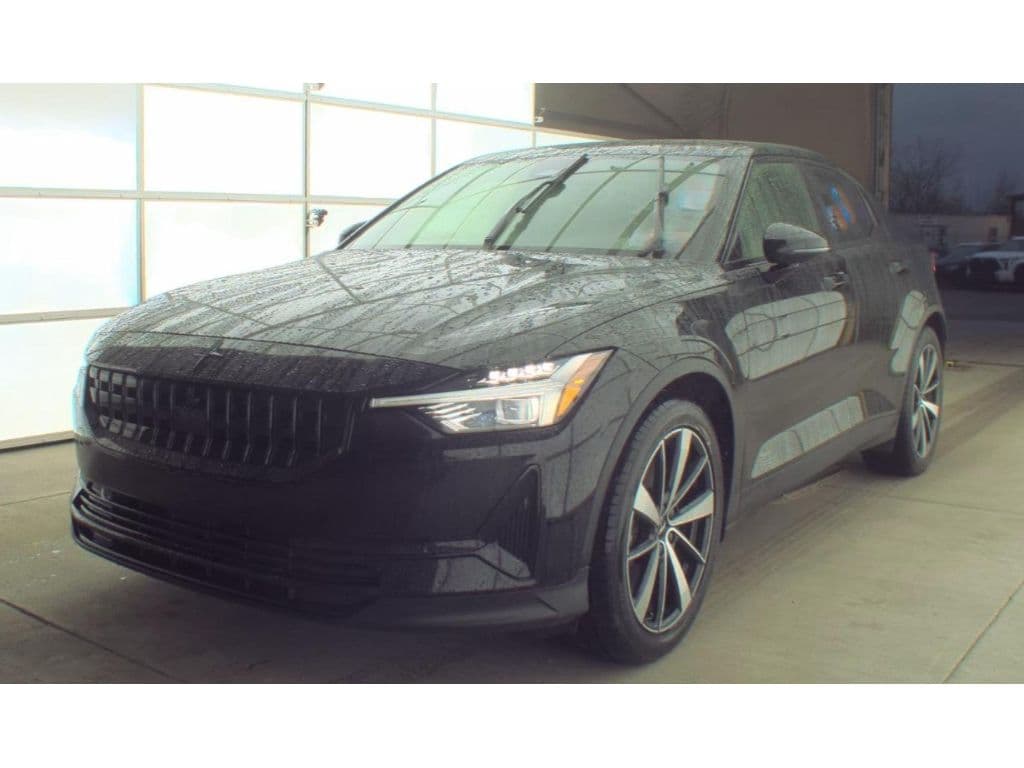
- Polestar 2: Compact liftback sedan with a hatch, related to Volvo under the skin. More traditional car‑like driving position, excellent steering feel, and a sober Scandinavian cabin that will make design nerds quietly emotional.
TL;DR verdict
Quick specs: GV60 vs Polestar 2
Core specs at a glance (recent U.S. models)
Key numbers for typical late‑model GV60 and Polestar 2 trims you’ll see on the used market.
| Spec | Genesis GV60 (AWD models) | Polestar 2 (2024–2025) |
|---|---|---|
| Vehicle type | Compact luxury crossover SUV | Compact liftback sedan / hatchback |
| Battery capacity (usable est.) | ~74–77 kWh | 70 kWh (Std Range), ~79–82 kWh (Long Range) |
| EPA range (typical) | ~235–294 mi, depending on trim | ~270–320 mi (single motor), ~240–270 mi (dual‑motor) |
| Peak DC fast‑charge | Up to ~235 kW on 800‑V hardware | Up to ~205 kW (newer long‑range models) |
| 0–60 mph | ~4.0 s (Performance AWD), ~5+ s other trims | ~4.2–4.5 s dual‑motor, ~6.0–7.0 s single‑motor |
| Drivetrain | Dual‑motor AWD (most U.S. cars) | Single‑motor RWD or dual‑motor AWD |
| Form factor | Taller seating, more headroom | Lower, more sedan‑like seating |
| Real‑world efficiency | Good, but not stellar | Generally better, especially single‑motor LR |
Exact specs vary by model year and market; always confirm the specific car you’re shopping.
Where each EV quietly wins
Driving feel and performance
Both of these cars will embarrass old‑guard performance sedans in a stoplight sprint, but they go about it differently.
Genesis GV60: Playful bruiser
- GV60 Performance AWD models pile on power with an overboost function that delivers eye‑widening launch‑control thrust. It feels closer to a mini super‑SUV than a sensible compact crossover.
- Steering is light and easy rather than laser‑precise; the chassis is tuned more for comfort and effortless speed than for carving back roads.
- Standard AWD in most U.S. trims gives confident traction in bad weather, but you do feel the weight when you really hustle it.
Polestar 2: Electric sport sedan energy
- The single‑motor rear‑drive Polestar 2 is the sweet spot: plenty quick, with linear power delivery and a rear‑drive balance that feels natural and secure.
- Dual‑motor versions add serious thrust, especially with the Performance pack, but the car’s personality is still more quietly competent than shouty.
- Steering weight and feedback are a highlight: Polestar is clearly chasing the BMW 3‑series crowd, not the soft‑roading SUV buyer.
Performance buying tip
Range, battery and efficiency
Range is where the Polestar 2 quietly steps ahead, particularly in its newer long‑range single‑motor configurations. Genesis leans on speed and charging muscle rather than absolute efficiency.
Range and battery: where each shines
Realistic expectations for typical U.S. commuters and road‑trippers.
Genesis GV60
- Runs a ~77 kWh pack on Hyundai–Kia’s E‑GMP platform.
- EPA ranges vary by trim; many land around the mid‑200‑mile mark in mixed driving.
- Real‑world owners often report high‑200s on highway‑friendly trims in good weather, less in winter or at high speeds.
- Efficiency is decent but not class‑leading; you’re trading a bit of range for power and comfort.
Polestar 2
- Newer cars offer 70 kWh standard‑range and ~79–82 kWh long‑range packs.
- Later single‑motor long‑range models can see EPA ratings around 300–320 miles when driven sensibly.
- Dual‑motor versions trade some of that for power, but still land in competitive territory.
- In practice, the Polestar 2 tends to go farther on a kWh than the GV60, especially in rear‑drive trim.
Cold‑weather reality check
Charging speed and road‑trip ability
Fast charging is where the Genesis GV60 punches far above its sales numbers. Polestar 2 has quietly become very competent here as well, but the Genesis’s 800‑volt hardware still offers a small but meaningful advantage on high‑output stations.
Charging comparison
How quickly each car can realistically add miles when you’re away from home.
| Charging scenario | Genesis GV60 | Polestar 2 (newer long‑range) |
|---|---|---|
| Peak DC fast‑charge rating | Up to ~235 kW on 350 kW chargers | Up to ~205 kW on 250 kW+ chargers |
| Typical 10–80% DC session | ~18–20 minutes in ideal conditions | ~30–35 minutes 10–80% on a strong DC charger |
| Level 2 home charging | Up to 11 kW; 0–100% overnight on a 48‑amp circuit | Also up to 11 kW; similar overnight refill times |
| Road‑trip experience | Shorter, sharper DC stops; great if you hop charger to charger | Slightly longer stops but strong efficiency means fewer of them |
Actual times depend on temperature, state of charge, and the specific fast charger you use.
Road‑trip strategy
Interior comfort, space and practicality
Sit in these two back‑to‑back and you’ll know quickly which philosophy you prefer. One is a small luxury lounge that happens to be tall; the other is a Scandinavian apartment on wheels.
Genesis GV60: Cozy lounge on stilts
- Taller seating position and SUV stance give you a commanding view and easy ingress/egress, great if you’re coming from a crossover.
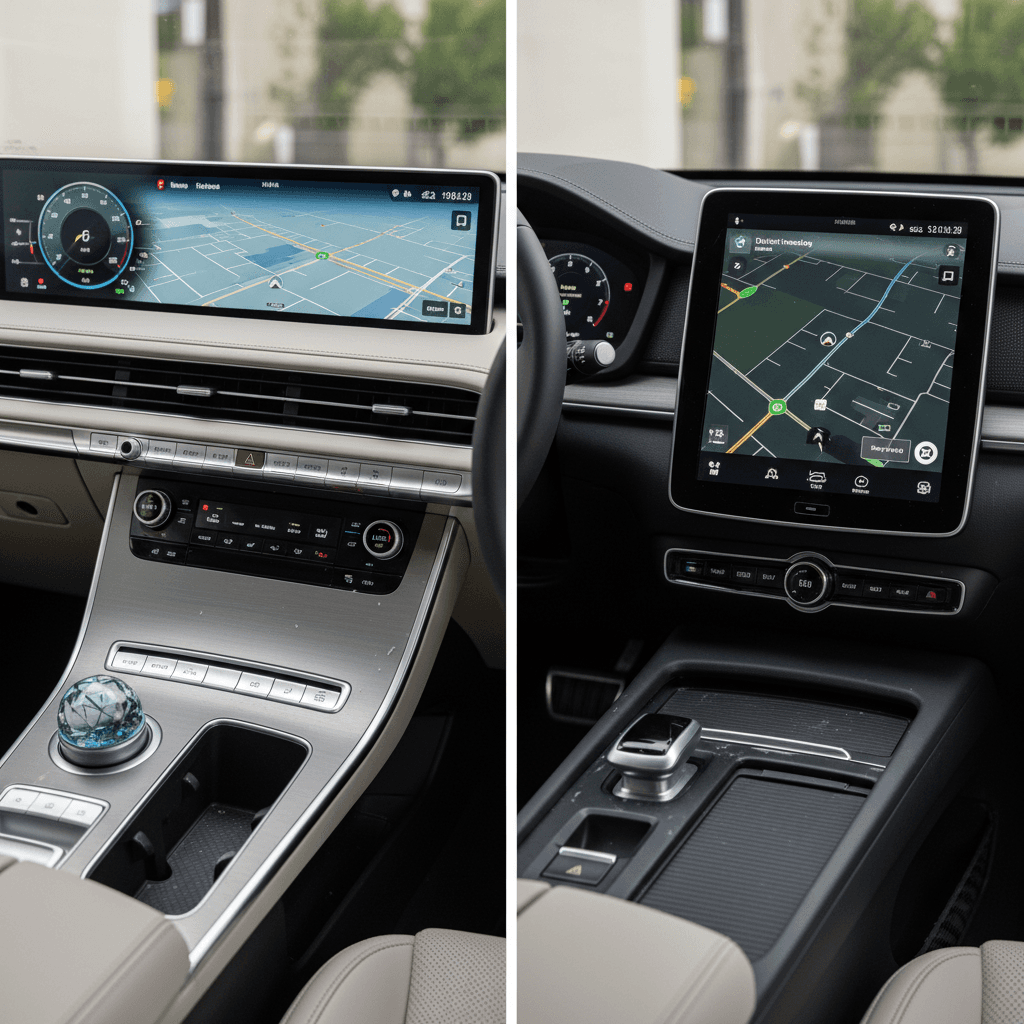
- Interior materials punch above the price class: soft‑touch surfaces, playful color choices, and the party‑trick crystal sphere shifter that rotates when you power up.
- Rear headroom and overall airiness are better than the spec sheet suggests; it feels like a compact SUV, not a hatchback sedan.
- Cargo space is solid for a small crossover, though not cavernous, think "two kids and a Costco run," not "cross‑country move."
Polestar 2: Scandinavian living room, low‑slung
- Lower driving position and a higher beltline feel distinctly sport‑sedan. If you like sitting "in" the car rather than "on" it, you’ll appreciate it.
- Cabin design is ultra‑clean: thin air vents, sharp fonts, and restrained use of chrome. It could double as an Ikea concept room.
- Rear seat room is fine for adults on shorter trips but not as generous as the GV60; taller passengers may feel the lower roof.
- The hatchback design is a huge plus: the opening is wide, the load floor is flat, and folding seats create a practical cargo hold for bikes or bulky boxes.
Family‑friendly edge
Tech, design and user experience
This matchup is as much about interface philosophy as it is about kilowatts. One car wants to impress you with toys; the other wants to disappear into the background.
Infotainment and features
Two very different takes on what a modern EV cockpit should be.
Polestar 2: Android on wheels
- Runs Google’s Android Automotive OS with native Google Maps, Assistant, and Play Store support.
- Voice commands and navigation feel natural if you already live in the Google ecosystem.
- Interface is clean and fairly quick, with over‑the‑air updates improving things over time.
Genesis GV60: Feature‑rich luxury tech
- Wide twin screens and Hyundai‑group’s familiar UI, with more color and flourish.
- Available face recognition and fingerprint start, plus a head‑up display and robust driver‑assist suite.
- Some menus can feel busy, but the hardware is fast and the graphics are sharp.
Design character
- GV60: expressive, almost concept‑car inside and out. You either love the orbs and curves, or you do not.
- Polestar 2: minimalist and architectural. It looks like it could have been carved from a block of basalt and aluminum.
Phone‑and‑apps reality
Ownership costs, reliability and resale
Neither of these is a bargain‑bin EV, but both benefit hugely from early EV depreciation on the used market. Where they diverge is in repair ecosystem and long‑term confidence.
Genesis GV60: Luxury bargain, Hyundai support
- Genesis is still building its identity in the U.S., which means aggressive pricing and features for the money, especially on used inventory.
- Under the skin, the GV60 is family with Hyundai Ioniq 5 and Kia EV6, so parts and know‑how are less exotic than the badge suggests.
- On the flip side, some owners have reported hiccups with dealer service quality and modules like the ICCU (charging electronics). Warranty coverage on younger used cars does a lot of heavy lifting here.
Polestar 2: Volvo‑adjacent, niche network
- Polestar 2 prices have come down nicely used, but the brand remains smaller and more niche in North America.
- Service is typically handled through Volvo dealer networks or dedicated Polestar spaces. In metro areas this is fine; in rural America, it can be an inconvenience.
- Reliability so far has been generally solid but not perfect; software updates have fixed as many annoyances as they’ve introduced, which is par for the EV course in 2026.
Used‑EV caution
Which is better for you? (By driver type)
Best‑fit matches: GV60 vs Polestar 2
Daily commuter with kids and errands
You want easy ingress/egress, good visibility, and space for car seats and strollers.
The GV60’s taller ride height and crossover packaging make school runs and Costco hauls painless.
Charging overnight at Level 2, the slightly lower efficiency vs. Polestar 2 won’t matter much.
Design‑obsessed urban professional
You care about how the car looks in your building’s garage as much as how it drives.
Polestar 2’s minimalist cabin, sharp exterior, and Android‑based interface feel like a Nordic design object.
The hatch and compact footprint make tight‑city parking less stressful.
Performance junkie and weekend‑road‑trip fan
Straight‑line speed plus short, sharp DC fast‑charge stops is your love language.
A GV60 Performance AWD on a healthy 350 kW network is hilariously quick point‑to‑point.
If you’d rather trade a little drama for calmer efficiency, a dual‑motor Polestar 2 is still plenty rapid.
Range‑maximizer and apartment dweller
You don’t have home charging, or you share a plug and want to stretch every kilowatt‑hour.
A long‑range, single‑motor Polestar 2 simply goes farther on the same battery than a comparable GV60.
Fewer trips to public chargers and a sedan‑like footprint make the Polestar 2 the rational pick here.
How they compare as used EV buys
In the used market, the question isn’t just “Genesis GV60 vs Polestar 2, which is better?” It’s “which specific car, with which options, at which price, and with what history?” That’s where details like battery health, prior fast‑charging habits and warranty time remaining really matter.
Used GV60 vs Polestar 2: what to check
1. Battery health and fast‑charge history
Ask for objective health data, ideally from a diagnostic like the <strong>Recharged Score battery report</strong>. A car that lived on DC fast charge all its life will age differently than one that mostly sipped Level 2 at home.
2. Software level and recall status
Both cars have received important software updates and occasional recalls. Confirm the car is fully up to date; this can affect range estimates, charging behavior, and driver‑assist performance.
3. Service network reality
Look at where you live. If the nearest Polestar‑capable Volvo dealer is 200 miles away, the GV60, with Hyundai/Genesis coverage, may be the less stressful ownership proposition, and vice‑versa.
4. Warranty coverage remaining
High‑voltage components often carry 8‑year/100,000‑mile‑type warranties, but bumper‑to‑bumper coverage will vary by year and mileage. A slightly more expensive car with more warranty left can be the better value.
5. Charging fit for your lifestyle
If you have reliable access to ultra‑fast chargers on your usual routes, the GV60’s 800‑V quick‑charge edge is more relevant. If you mostly trickle charge at home and do long highway slogs, Polestar 2 efficiency edges ahead.
Where Recharged helps
Ready to find your next EV?
Browse VehiclesFAQ: Genesis GV60 vs Polestar 2
Frequently asked questions
Bottom line: picking the right one
If your heart says "small SUV," you love gadgets, and you want the quickest, most theatrical thing this side of a super‑sedan, the Genesis GV60 is your car. Its combination of rapid DC charging, plush interior, and riot‑grade acceleration in Performance trims makes it one of the best under‑the‑radar EVs on the market, particularly as a used buy.
If you’re drawn to subtle design, longer range, and a more traditional sport‑sedan driving feel, the Polestar 2 is the connoisseur’s choice. In long‑range single‑motor form it’s efficient, composed, and quietly beautiful in a way that will age well.
The smartest move is to shop specific cars, not just badges. That means comparing real‑world battery health, pricing, and history. On Recharged, every used EV, including GV60s and Polestar 2s, comes with a Recharged Score Report, expert EV guidance, and the ability to finance, trade‑in, and get nationwide delivery without leaving your couch. Once you know exactly what you’re getting, the only remaining question is which flavor of excellent you prefer.