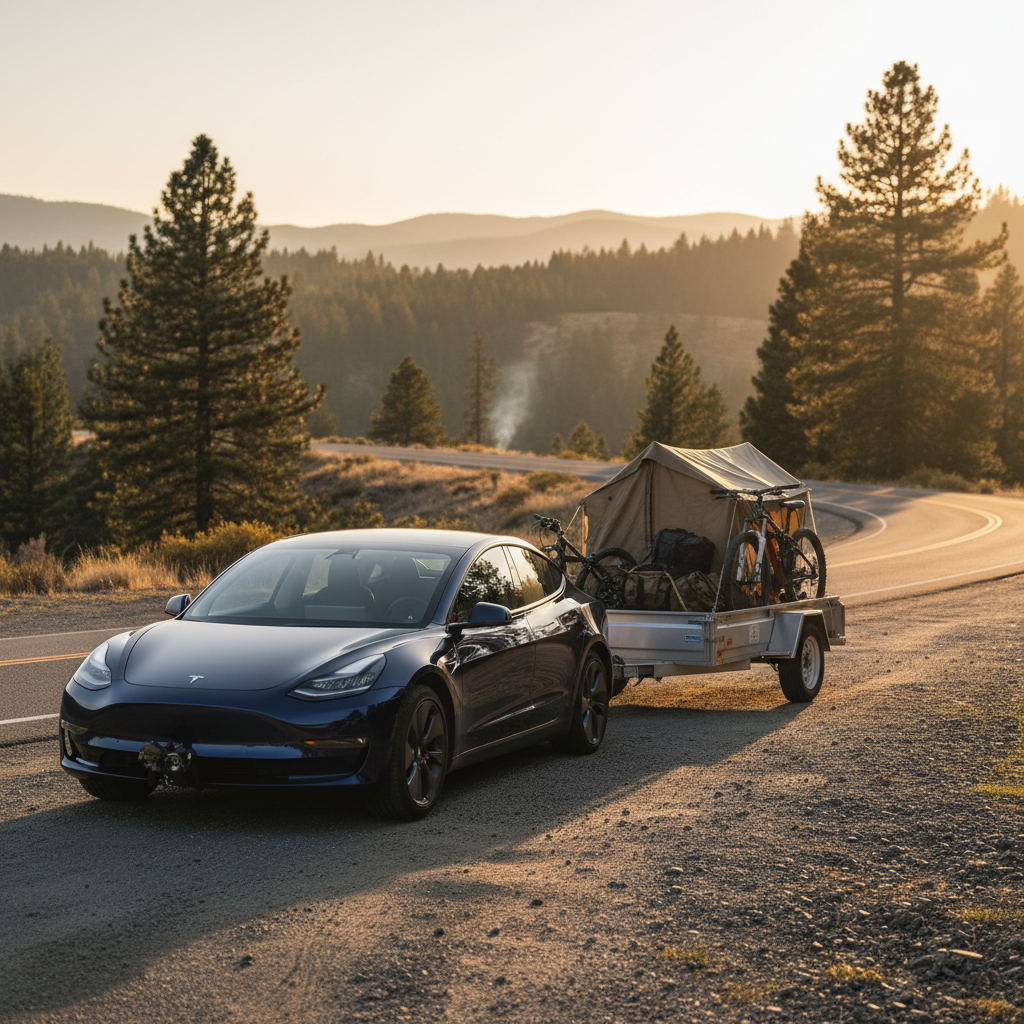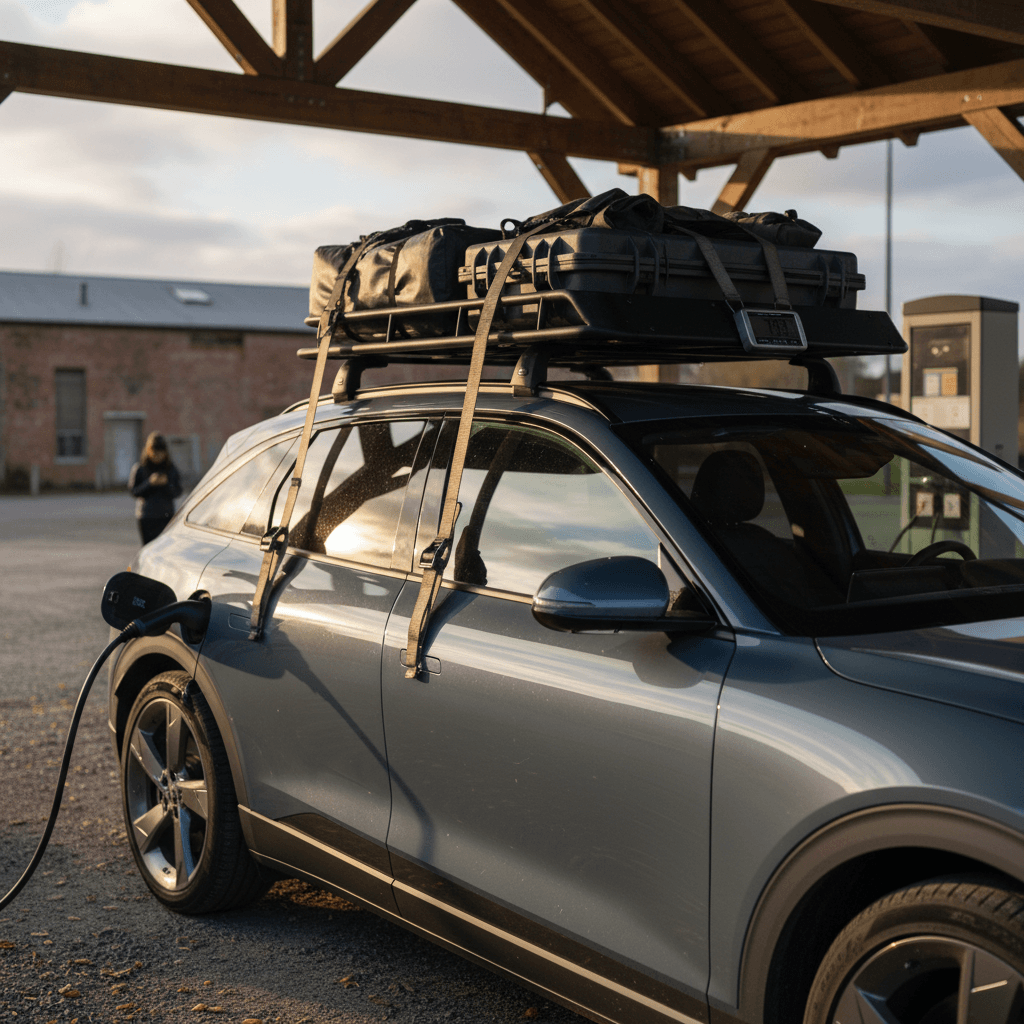
If you’re planning to haul bikes, skis, a cargo box, or even a roof‑top tent on your Genesis GV60, you need to know the roof rack weight limit before you start bolting on accessories. Overloading the roof isn’t just a warranty risk, it can affect handling, braking, and even your EV’s range. This guide breaks down the Genesis GV60 roof load rating, how much you can really carry, and how to stay safely within the limits.
Short answer
Genesis GV60 roof rack weight limit overview
Genesis doesn’t shout about roof load in marketing materials, but the engineering numbers are out there. Independent spec databases that compile OEM data put the GV60’s maximum roof cargo at around 80 kg (176 lbs) on recent AWD and Performance trims. That figure is in line with other compact premium crossovers and with the related Hyundai Ioniq 5 and Kia EV6, which share the E‑GMP platform.
- Roof load rating is for the vehicle roof structure, not a specific brand of crossbar.
- The limit usually assumes evenly distributed weight across both bars.
- The weight of the crossbars and mounts counts against the total.
- The number is a dynamic limit (while driving), not a static “parked” limit.
Check your exact vehicle
What is the official Genesis GV60 roof load rating?
Genesis owner’s manuals for North America don’t always spell out an easy one‑line “roof rack weight limit” the way they do for towing, but the engineering specs do. Aggregated spec sites that mirror OEM data list “Max roof cargo: 80 kg (176 lbs)” for multiple GV60 trims. That’s the number you should treat as your working ceiling unless your manual says otherwise.
Genesis GV60 roof load vs other specs
How the roof rack weight limit compares to payload and towing capability.
| Specification | Approximate Value | What it means |
|---|---|---|
| Max roof cargo | 80 kg / 176 lbs | Combined weight of crossbars + accessories + gear on the roof |
| Payload (people + cargo inside) | ~590 kg / 1,300 lbs | Total weight you can add to the car, including roof load and tongue weight |
| Braked tow rating (when equipped) | Up to 1,600–2,000 kg / 3,500–4,400 lbs* | Light‑duty towing only, trim‑ and market‑dependent |
| Max tow ball / tongue weight | ~100 kg / 220 lbs | Downforce allowed on the hitch receiver |
Approximate figures for recent Genesis GV60 model years; always verify against your VIN‑specific documentation.
Roof limit is not optional
Dynamic vs static roof weight: why it matters
Most owners bump into the GV60 roof rack numbers when they start looking at roof‑top tents or heavy cargo boxes. That’s when the terms dynamic and static weight come up, and get confused.
Two kinds of roof weight on your GV60
Same hardware, very different forces.
Dynamic roof load
This is what Genesis cares about in the spec sheet. It’s the maximum weight the roof structure and rack system are rated to handle while the vehicle is moving, braking, cornering, hitting potholes.
For the GV60 this is about 80 kg / 176 lbs total, including the rack itself.
Static roof load
This is the weight the roof can support when the car is parked. Manufacturers rarely publish this, but it’s usually several times higher than the dynamic rating because there are no acceleration forces.
That’s why many roof‑top tent brands say their products are safe on vehicles with 70–100 kg dynamic ratings.
Why Genesis only publishes one number
How to calculate your actual GV60 roof load
To stay under the Genesis GV60 roof rack weight limit, you have to add up everything that ends up sitting on the roof, not just the cargo. That includes the crossbars, towers or feet, clamps, carrier, and the gear itself.
Step‑by‑step: calculate your GV60 roof load
1. Confirm your roof load rating
Start with the number from your owner’s manual or spec sheet. For many GV60s this is about <strong>80 kg / 176 lbs</strong>. If your documentation gives a different figure, use that instead.
2. Weigh or look up your crossbars
Aftermarket or OEM crossbars usually weigh <strong>10–20 lbs</strong> for the pair. Check the product spec sheet or weigh them on a household scale. Write that down as part of your roof load.
3. Add mounts, towers, and hardware
Feet, clamps, and mounting kits can add another <strong>5–10 lbs</strong>. If you’re using a platform system, the structure may be even heavier. Again, the manufacturer’s spec sheet is your friend.
4. Add the carrier or box weight
Cargo boxes typically weigh <strong>25–45 lbs</strong>, bike racks ~<strong>10–15 lbs per tray</strong>, and roof‑top tents often start around <strong>100 lbs</strong>. All of this counts against the GV60’s roof limit.
5. Finally, add the actual cargo
Bikes, skis, luggage, firewood, this is usually the variable part. Once you know how much “hardware” weight you’ve used up, you’ll know how much real cargo margin you have left under the roof limit.
6. Check against payload and common sense
Your roof load also counts against the GV60’s overall <strong>payload rating</strong>. If you have four adults, luggage, a hitch rack, and a roof box, it’s easy to creep up on the vehicle’s total capacity even if the roof number looks okay in isolation.
Use a bathroom scale
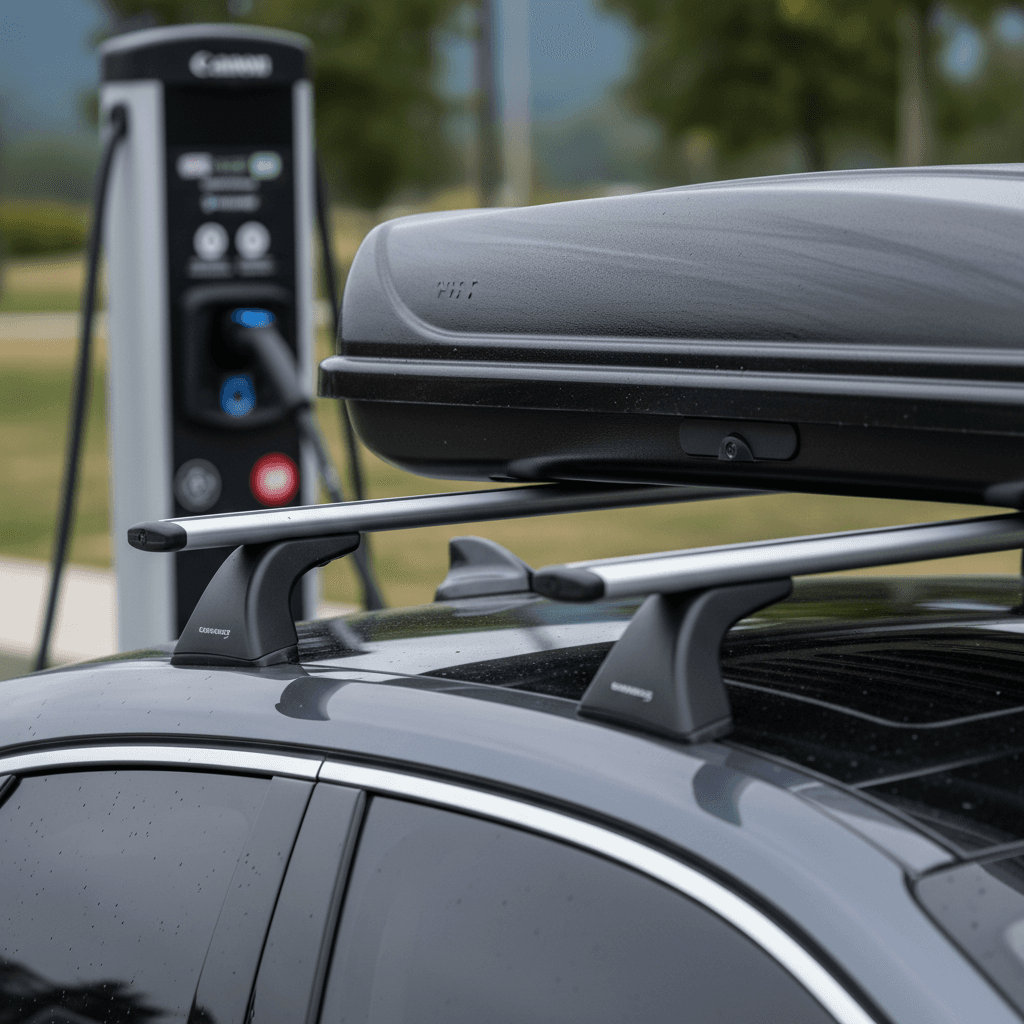
Real‑world examples: bikes, cargo boxes, and roof tents
So what does an 80 kg / 176 lb roof limit actually get you on a Genesis GV60? In practice, it’s enough for the typical adventure gear most owners want, but it does rule out some of the heaviest roof‑top setups.
Bikes on the roof
- Crossbars + feet: ~15–20 lbs
- Two upright bike trays: ~25–30 lbs total
- Two modern mountain bikes: ~60–70 lbs total
Approximate roof load: 100–120 lbs. That’s comfortably under the GV60’s likely 176 lb limit, even with a third lightweight bike.
Cargo box for road trips
- Crossbars + feet: ~15–20 lbs
- Medium cargo box: ~35 lbs
- Luggage and gear: ~60–80 lbs
Approximate roof load: 110–135 lbs. Still a safe margin, as long as you don’t overload the box with dense items like tools or water jugs.
Can you run a roof‑top tent on a GV60?
Technically possible, but read the fine print first.
Tent weight vs rating
Many soft‑shell tents start around 100–130 lbs dry. Add crossbars and mounting hardware and you’re already near, or past, the GV60’s 80 kg / 176 lb dynamic rating before people climb in.
Static vs dynamic reality
Static roof capacity is higher, so sleeping two people in a tent isn’t the concern. The real risk is driving with a load that exceeds the rated dynamic roof limit, especially in crosswinds or emergency maneuvers.
Warranty and liability
Genesis doesn’t market the GV60 as an overlanding rig. If a heavy tent and rack combination damages the roof or contributes to a crash, you’re on shaky ground for warranty and insurance claims.
Be conservative with tents
How roof weight affects safety, efficiency, and range
The GV60’s low center of gravity and long wheelbase give it great stability, but a heavily loaded roof can chip away at those strengths. At the same time, anything you bolt to the roof, especially a box or tent, hurts aerodynamics and range.
What an overloaded roof really does
If you care about range
Practical loading tips for GV60 owners
Sticking to the Genesis GV60 roof rack weight limit isn’t complicated, but it does require a bit of discipline. A few simple habits will keep you on the right side of physics, and your warranty.
- Distribute weight evenly across both crossbars and as close to the centerline of the car as possible.
- Keep the heaviest items inside the cabin or cargo area, not on the roof.
- Respect accessory limits, if your box is rated for 150 lbs, stay under that even if the car could theoretically take more.
- Re‑torque your rack hardware after the first trip and periodically afterward, especially if you drive on rough roads.
- Slow down in crosswinds or when passing trucks; side loads stress the rack and make the car feel tippy.
- Remove the rack or box when you’re not using it for a while; it reduces drag and protects the hardware.
Make the most of your GV60
Roof load vs towing on the Genesis GV60
The GV60’s platform is designed to tow light trailers as well as carry modest roof loads. Depending on trim and market, you’ll see braked tow ratings in the 3,500–4,400 lb range and tongue weight limits around 220 lbs. But those numbers assume you aren’t also maxing out the roof and filling every seat with adults.
Think in terms of total payload
The relevant limit is the GV60’s payload, roughly 1,300 lbs for many configurations. That has to cover:
- People in the cabin
- Cargo in the trunk and frunk
- Roof load (rack + gear)
- Tongue weight on the hitch
If you’re towing near the GV60’s rated maximum and running a loaded roof box, it’s easy to run out of payload even if each individual number looks fine.
Why Recharged cares about this
When Recharged evaluates a used GV60, we’re not just looking at cosmetic condition and battery health. We’re also paying attention to signs of overload, worn suspension components, damaged hitch receivers, or roof hardware impressions.
That’s part of why every vehicle we sell comes with a Recharged Score Report and expert guidance on what the car can realistically tow or carry.
Double‑check before you tow and load the roof
Genesis GV60 roof rack weight limit FAQ
Frequently asked questions about the GV60 roof rack limit
Should you buy a used Genesis GV60 if you need roof capacity?
If your idea of “using the roof” is carrying a couple of bikes, skis, or a medium cargo box, the Genesis GV60 roof rack weight limit of around 80 kg / 176 lbs is more than adequate, as long as you account for the rack and accessories themselves. Where you need to be cautious is with heavy roof‑top tents or trying to combine a maxed‑out roof with serious towing and a full cabin.
For many EV shoppers, the smarter play is to treat the GV60 as what it fundamentally is: a refined, efficient compact crossover that’s happiest with modest roof loads and light‑duty towing. If you’re considering a used GV60 and want to understand exactly what it can handle, a Recharged advisor can walk you through the Recharged Score battery health report, payload and towing details, and the best way to carry your gear, whether that’s a slim roof box, a hitch rack, or a lightweight trailer.