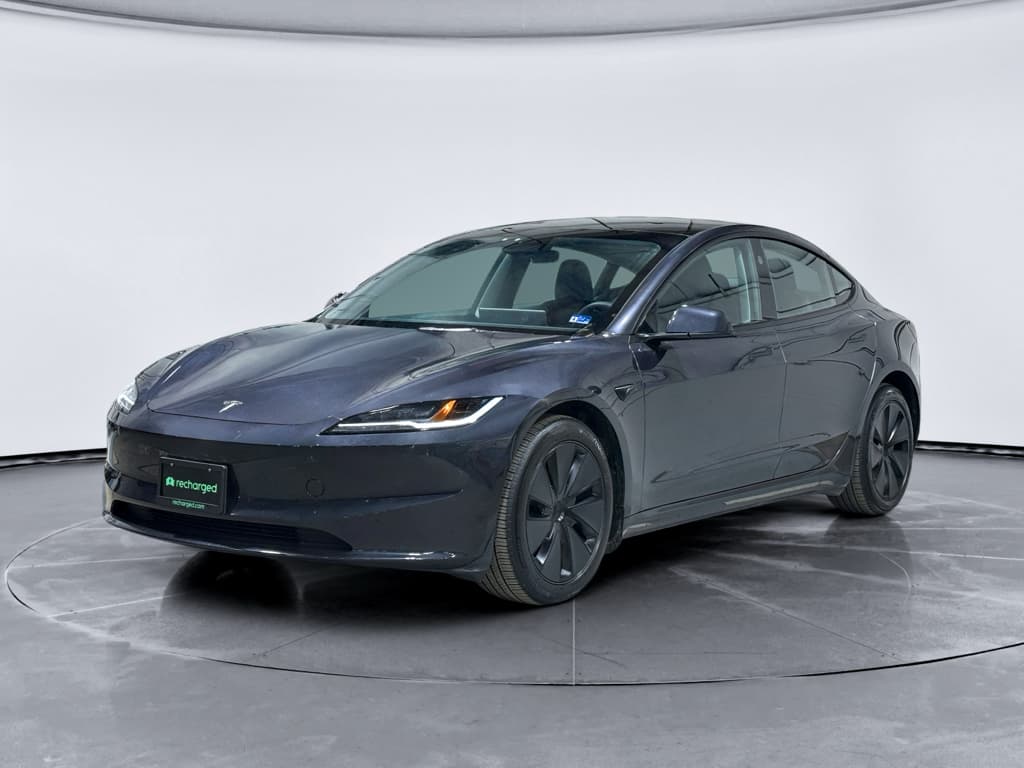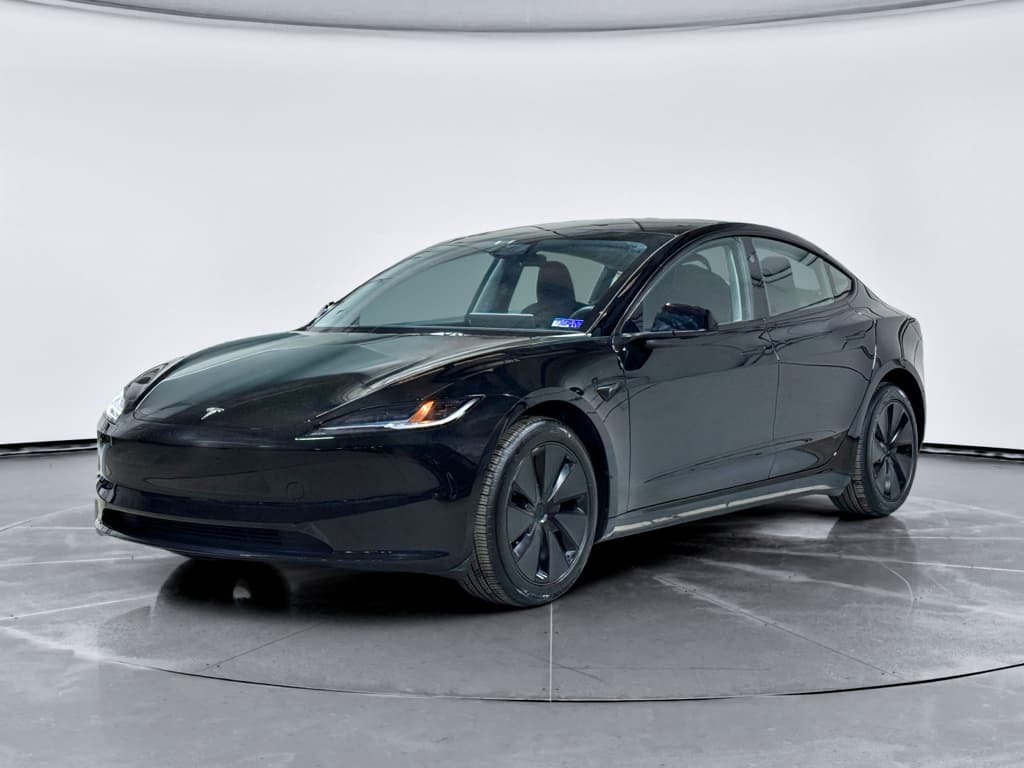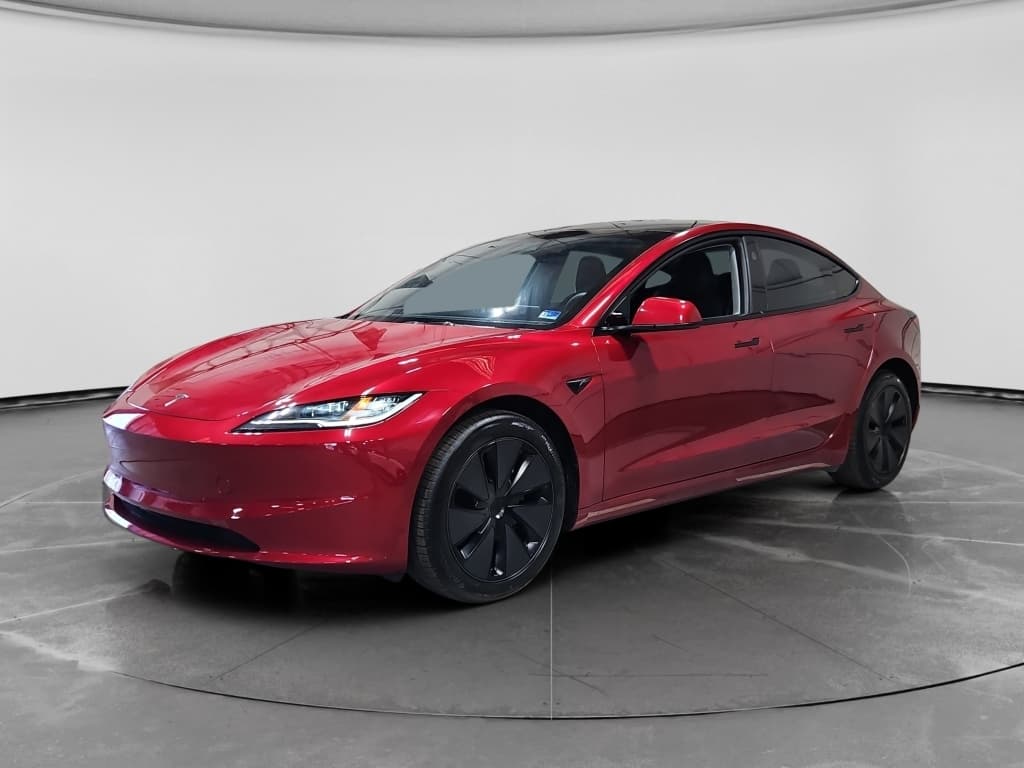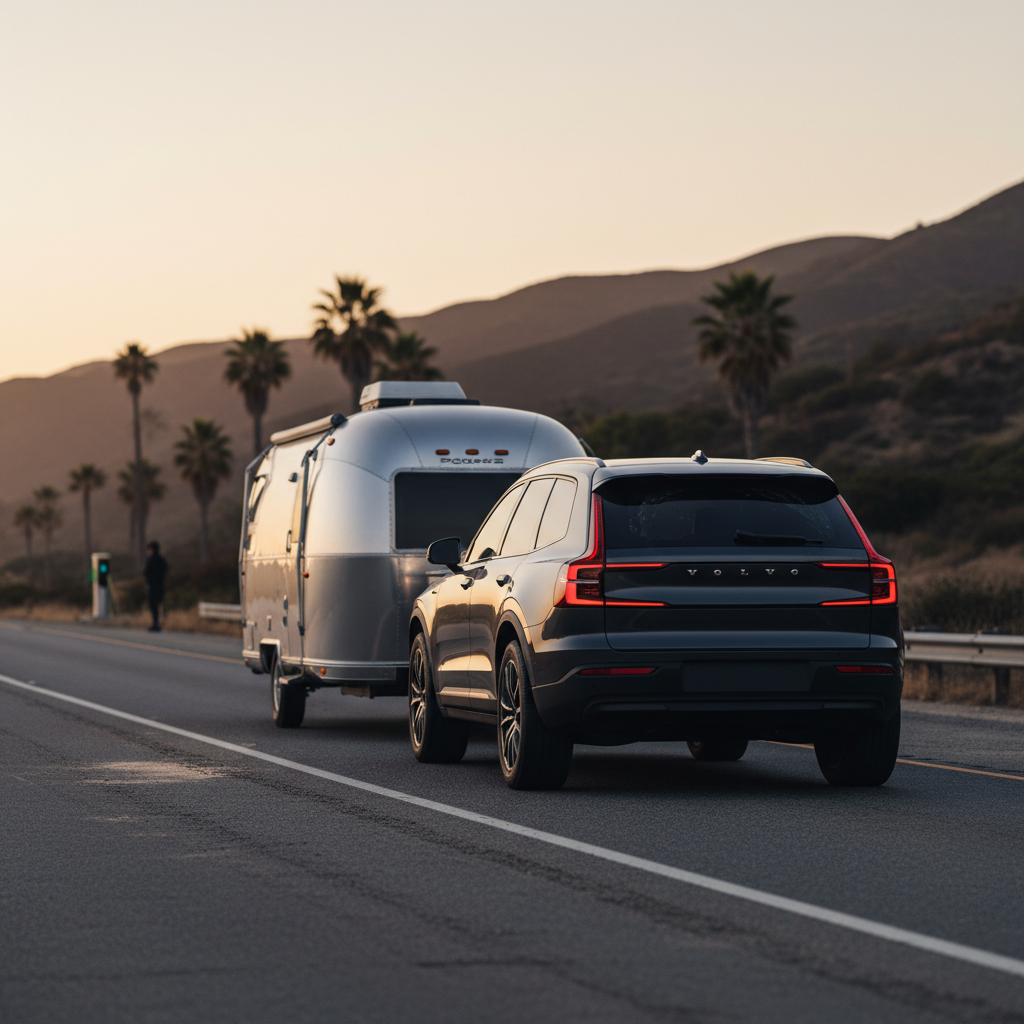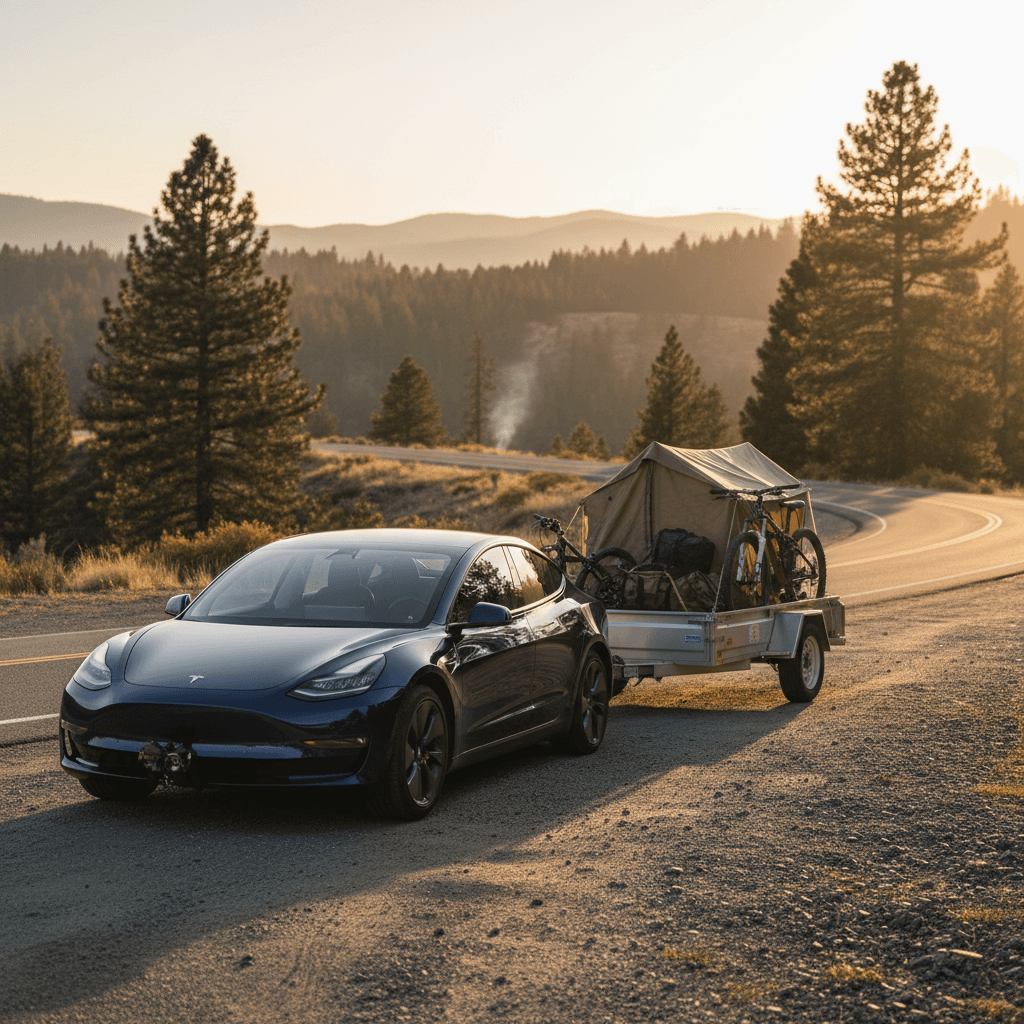
If you’re wondering whether a Tesla Model 3 can tow a trailer, you’re not alone. Plenty of owners look at that flat rear bumper and think about small campers, utility trailers, or bike racks. The answer is: yes, many Model 3s can tow a trailer when properly equipped, but the details depend heavily on model year, region, and whether your car has an official tow rating.
Quick answer
Can a Tesla Model 3 tow a trailer?
From an engineering standpoint, the Tesla Model 3 has plenty of torque and a strong structure, so actually moving a small trailer down the road is no problem. The bigger question is whether your specific car is legally and safely rated to do it.
- In many European and other international markets, most Model 3 variants have long been sold with an official tow rating around 1,000 kg (2,200 lb) with a braked trailer.
- In North America, early Model 3s were sold with no tow rating. Towing in those cars is effectively “at your own risk,” even if you install an aftermarket hitch.
- Starting with the refreshed “Highland” Model 3 (2024+), Tesla began rolling out a factory tow package in more markets, including North America, rated up to about 2,200 lb when properly equipped.
So yes, a Tesla Model 3 can tow a small trailer, if it has the right hitch hardware, wiring, and software, and if your owner’s documents and hitch label show an approved trailer weight. If they don’t, you should think of towing as off-label use, with potential warranty and insurance implications.
Check your documents first
Official Tesla towing ratings for Model 3
Tesla Model 3 towing at a glance
Exact numbers vary slightly by market and model year, but for a factory-rated Model 3 with the Tesla tow package you’ll typically see:
Typical Tesla Model 3 towing specs (factory-rated cars)
Approximate figures for Model 3 variants that Tesla officially rates for towing. Always defer to your own car’s plates, manual, and hitch label.
| Model 3 variant | Market | Factory tow rating (braked trailer) | Tongue weight (approx.) | Notes |
|---|---|---|---|---|
| RWD / Long Range (2019–2023) | Europe & some other regions | 1,000 kg (2,200 lb) | ~100 kg (220 lb) | Tow bar must be factory-fitted or Tesla-approved. |
| Performance (2019–2023) | Many regions | Often not rated | N/A | Check your plate, Performance variants are frequently excluded. |
| Model 3 “Highland” 2024+ RWD/AWD | Europe & other regions | 1,000 kg (2,200 lb) | ~100 kg (220 lb) | Official tow package and Tow Mode available. |
| Model 3 “Highland” 2024+ RWD/AWD | North America | Up to 2,200 lb | ~200 lb | Factory tow package available on non‑Performance trims in select markets. |
Your specific car’s labels and manual always override generic numbers.
Always go by the lowest limit
Tow package availability by year and region
Where the Model 3 tow package is common, and where it isn’t
Your ZIP code matters almost as much as your VIN.
Europe & many global markets
Since early in the Model 3’s life, Tesla has offered a factory tow bar in many European countries and some other regions.
- Official tow rating on the VIN/statutory plate
- Tow Mode available in the software
- Tesla‑supplied hitch, wiring, and documentation
North America (United States & Canada)
The story is more complicated in the US and Canada:
- Pre‑2024 cars: generally no factory tow rating, even if owners added aftermarket hitches.
- 2024+ “Highland” cars: Tesla began offering a Model 3 Tow Package in more markets, with up to ~2,200 lb rating on non‑Performance trims.
- Exact availability can vary by state/province and over time.
If you’re in the US looking at a 2017–2023 used Model 3, assume it is not factory-approved for towing unless you see clear documentation to the contrary. The refreshed 2024+ cars are more likely to have an official tow option, but you still have to confirm it for that specific VIN.
What kind of trailer can a Model 3 tow?
Think of the Model 3 as a compact crossover in disguise when it comes to towing. It’s happy with small, light, and reasonably aerodynamic loads. It’s unhappy with tall, heavy bricks.
Trailer types that make sense behind a Model 3
Examples only, always confirm actual weights and your car’s ratings.
| Trailer type | Typical loaded weight | Good match for Model 3? | Why |
|---|---|---|---|
| Single-axle utility trailer with yard waste, bikes, or a lawnmower | 800–1,500 lb | Yes, for rated cars | Low frontal area and within typical 2,200 lb tow rating. |
| Small teardrop or mini camper | 1,200–2,000 lb | Often, if carefully loaded | Check total and tongue weight closely; range hit will be noticeable. |
| Two‑bike or four‑bike hitch rack | 100–250 lb | Yes (check hitch tongue rating) | Technically a carrier, not a trailer, but uses the same hitch receiver. |
| 5x8 or 6x12 box trailer from a rental company | 1,800–3,000+ lb | Borderline to no | Heavy and very boxy; many rentals exceed the Model 3’s ideal tow envelope, especially when loaded. |
| Boat on trailer (17–20 ft) | 2,000–3,500+ lb | Usually no | Too heavy for the typical Model 3 tow rating and tough on range. |
| Car hauler with another vehicle | 3,500+ lb | Absolutely not | Far beyond the Model 3’s capabilities and ratings. |
When in doubt, weigh your trailer (fully loaded) at a public scale.
Aim low on weight, low on drag
How towing impacts range and charging stops
The biggest shock for first-time EV towers isn’t that the car can’t move the load, it’s how quickly the battery gauge drops. Any vehicle burns more energy when towing, but EV drivers are used to excellent efficiency, so the contrast feels more dramatic.
Energy use: what to expect
- With a very light, low trailer (think yard trailer under ~1,000 lb), you might see energy use increase by 10–30% at moderate highway speeds.
- With a heavier or boxy trailer, it’s common to see 30–50% higher consumption, or even more, especially at 70+ mph.
- Cold weather, headwinds, and hills all stack on top of that.
Planning charging stops
- Cut your comfortable highway range estimate in half as a starting point when trip‑planning with a trailer.
- Use slower speed limits to your advantage, dropping from 75 mph to 60–65 mph can make a huge difference in range.
- On long trips, build in more frequent, shorter Supercharger stops rather than running the battery way down between charges.
Don’t assume the trip planner understands your trailer
Safety limits and what not to do
Towing safely with a Model 3 is less about raw power and more about stability and braking. The car can accelerate just fine with a small trailer; stopping and emergency maneuvers are where things get hairy.
Things you should not do with a Model 3 and a trailer
Exceed any published weight rating
Never exceed the lower of your car’s tow rating, hitch rating, trailer rating, tongue-weight limit, or tire load capacity. If your documentation says 2,200 lb max and 220 lb tongue weight, treat those as hard ceilings.
Tow without trailer brakes when you need them
Most regions require <strong>brakes on the trailer</strong> above a certain weight. Even when they’re not strictly required, they’re a very good idea for anything approaching the car’s max rating.
Ignore tongue weight and loading
Too much weight on the hitch can overload the rear suspension and affect steering. Too little can make the trailer sway. A common target is about <strong>10% of trailer weight</strong> on the tongue, within your tongue-weight limit.
Tow with worn or low‑pressure tires
Your Model 3’s tires are already working hard. Add trailer weight and you’re increasing heat and stress. Make sure tire condition and pressures are perfect before you tow.
Use an unofficial "tow mode" hack
On some non‑rated cars, owners have tried to dig into hidden settings or DIY wiring to mimic factory Tow Mode. That can create warranty, safety, and insurance headaches. If your car wasn’t built with Tow Mode, accept its limits.
One more time: some Model 3s are officially zero
Aftermarket hitches vs. Tesla’s tow package
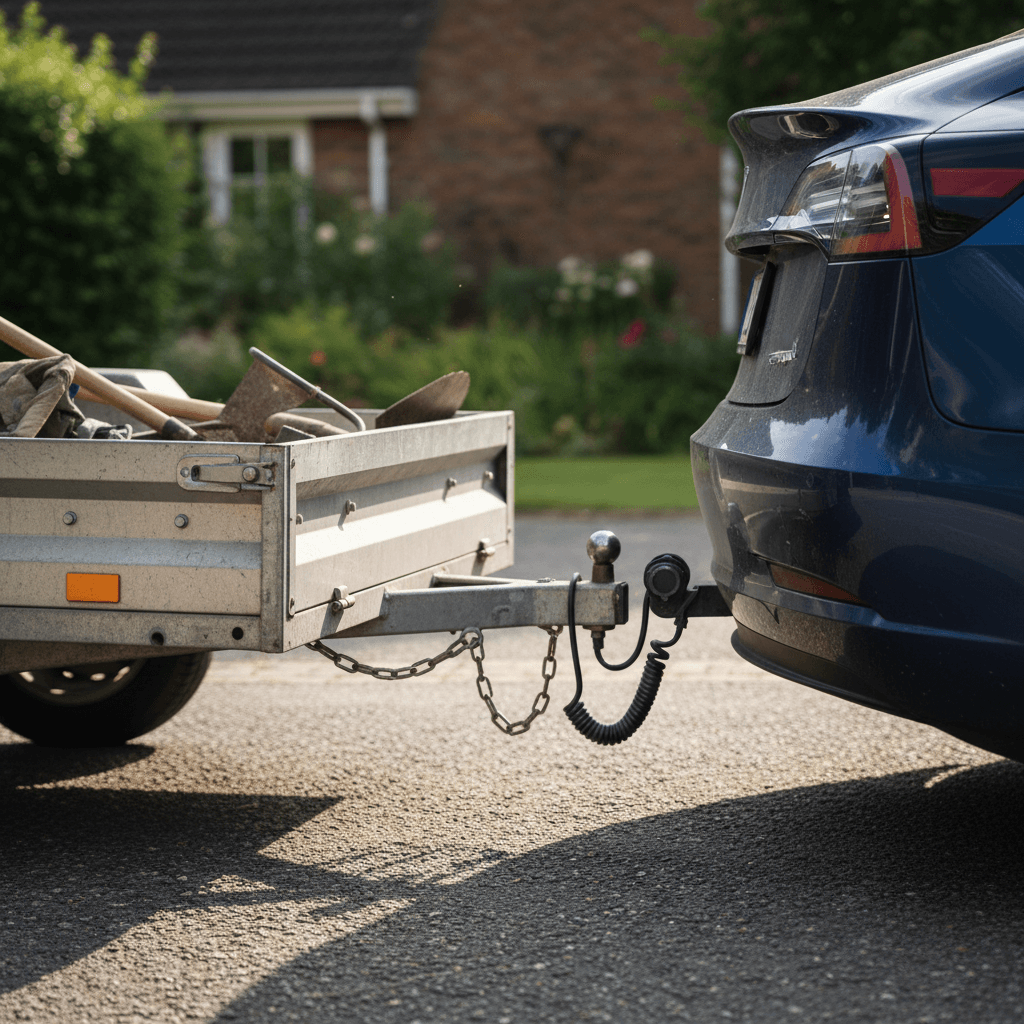
Long before Tesla sold factory hitches for the Model 3 in North America, aftermarket companies stepped in with stealth hitches and wiring kits. Those products made it physically possible to tow or carry a bike rack, but they didn’t magically grant an official tow rating.
Factory Tesla tow package
- High‑strength tow bar integrated into the crash structure.
- 2" receiver (on many markets) with a specific weight rating.
- Trailer wiring harness and, on approved cars, a Tow Mode in the software.
- Clear documentation in the owner’s manual and on the vehicle plate.
Best for: Owners who want to stay within Tesla’s official guidelines and preserve maximum warranty and resale confidence.
Aftermarket hitch setup
- Hidden or "stealth" receiver that bolts to factory mounting points.
- Third‑party wiring kits that tap into rear lights or use separate modules.
- No change to your car’s official tow rating or Tesla documentation.
Best for: Primarily carrying bikes or cargo carriers; very light, occasional towing where the owner understands they’re assuming more responsibility.
Where Recharged fits in
Ready to find your next EV?
Browse VehiclesPractical tips for towing with a Model 3
Step-by-step: your first tow with a Model 3
1. Confirm your car is rated and equipped
Verify that your Model 3 has the factory tow package (or a professionally installed hitch) and check your documentation for a non‑zero tow rating. If it’s a 2024+ car, look for Tow Mode in the menus.
2. Weigh the trailer fully loaded
The only number that matters is the <strong>actual</strong> weight with all your gear inside. Many public truck stops and some waste transfer stations can weigh a trailer for a small fee.
3. Set tire pressures and check hardware
Inflate your Model 3’s tires to the recommended pressures for heavy load, and torque‑check the hitch fasteners and ball mount according to the manufacturer’s specs.
4. Practice at low speeds first
Find a quiet parking lot or low‑speed road to get used to how the trailer affects acceleration, braking, and turning. Practice gentle lane changes and emergency stops at moderate speeds.
5. Dial back your speed on the highway
Every 5 mph you add over about 60 mph costs you range. With a trailer, sticking to the right lane and running 60–65 mph is often the difference between a relaxing day and white‑knuckle range anxiety.
6. Build generous charging buffers
On towing days, arrive at Superchargers with extra battery (20–30% instead of 5–10%) and don’t cut it too close between stops. If the wind shifts or the weather turns, you’ll be glad you had margin.
Used Model 3 buyers: what to check if you plan to tow
If you’re shopping for a used Tesla Model 3 with dreams of towing a small camper, you’ll want to be a little more methodical than just eyeballing a hitch receiver under the bumper.
Towing checks for used Model 3 shoppers
Five things to verify before you count on towing.
1. Official tow rating
Ask the seller for photos of the VIN plate/statutory plate and any tow‑package documentation from Tesla. No rating on the plate? Assume the car is not officially approved for towing in that market.
2. Hitch brand and installation
Look for a well‑known hitch brand and professional installation. Homemade or poorly installed hitches are a red flag, especially if you see underbody damage, rust, or drilled-through panels.
3. Signs of overuse
Uneven rear tire wear, sagging suspension, noises over bumps, or a heavily scratched hitch receiver can all suggest the car has been worked hard hauling loads.
4. Battery health and fast‑charge history
Towing often goes hand in hand with frequent DC fast charging. A Recharged Score Report can show you how the battery’s holding up and whether charging behavior looks aggressive.
5. Insurance and warranty stance
If you know you’ll be towing regularly, call your insurer and, if applicable, ask Tesla about how towing affects coverage for that specific VIN and region.
6. Is a Model Y a better fit?
If you’re bumping up against the Model 3’s limits, consider a used Model Y instead. It offers a higher tow rating (up to about 3,500 lb when properly equipped) and more cargo room.
Let Recharged do the legwork
FAQ: Tesla Model 3 towing questions
Frequently asked questions about Model 3 towing
Bottom line: Should you tow a trailer with a Model 3?
A properly equipped, factory‑rated Tesla Model 3 can tow a small trailer surprisingly well, as long as you respect its limits, plan for extra charging stops, and keep weights and speeds reasonable. Where owners get into trouble is assuming that "can move it" and "is rated for it" mean the same thing. They don’t.
If you already own a Model 3, start with your own paperwork: owner’s manual, VIN plate, and hitch label. If those pieces all agree that your car is cleared for a modest trailer, enjoy it, just tow light, tow smart, and build in more range margin than you think you need.
And if you’re still shopping, consider how often you’ll really tow. For the occasional Home Depot run or teardrop camper trip, a used Model 3 with an official tow package can be a great choice, especially if you have battery health and vehicle history documented in a Recharged Score Report. If your towing dreams run bigger than that, a higher‑rated EV like the Model Y might be the better match for the job.