If you’re considering a Genesis GV60, you’ve probably noticed the glossy EPA range numbers and wondered what the real‑world highway range looks like at 70–75 mph, in everyday American driving. This guide breaks down what GV60 owners actually see on the interstate, how each trim behaves, and what to expect from a used GV60 over time.
Quick takeaway
Genesis GV60 range at a glance
Genesis GV60 range, in the real world
Every Genesis GV60 sold in the U.S. from 2023–2025 uses a 77.4 kWh battery, with EPA‑rated ranges from the mid‑230s up to the high‑290s depending on trim and wheels. For 2025–2026, Genesis begins rolling out an updated 84 kWh pack and aero tweaks, nudging range upward again. But no matter which version you’re eyeing, new or used, the pattern on the highway is the same: you’ll see less range at 70–75 mph than the EPA sticker suggests, especially in cold weather.
EPA vs real‑world highway range in the GV60
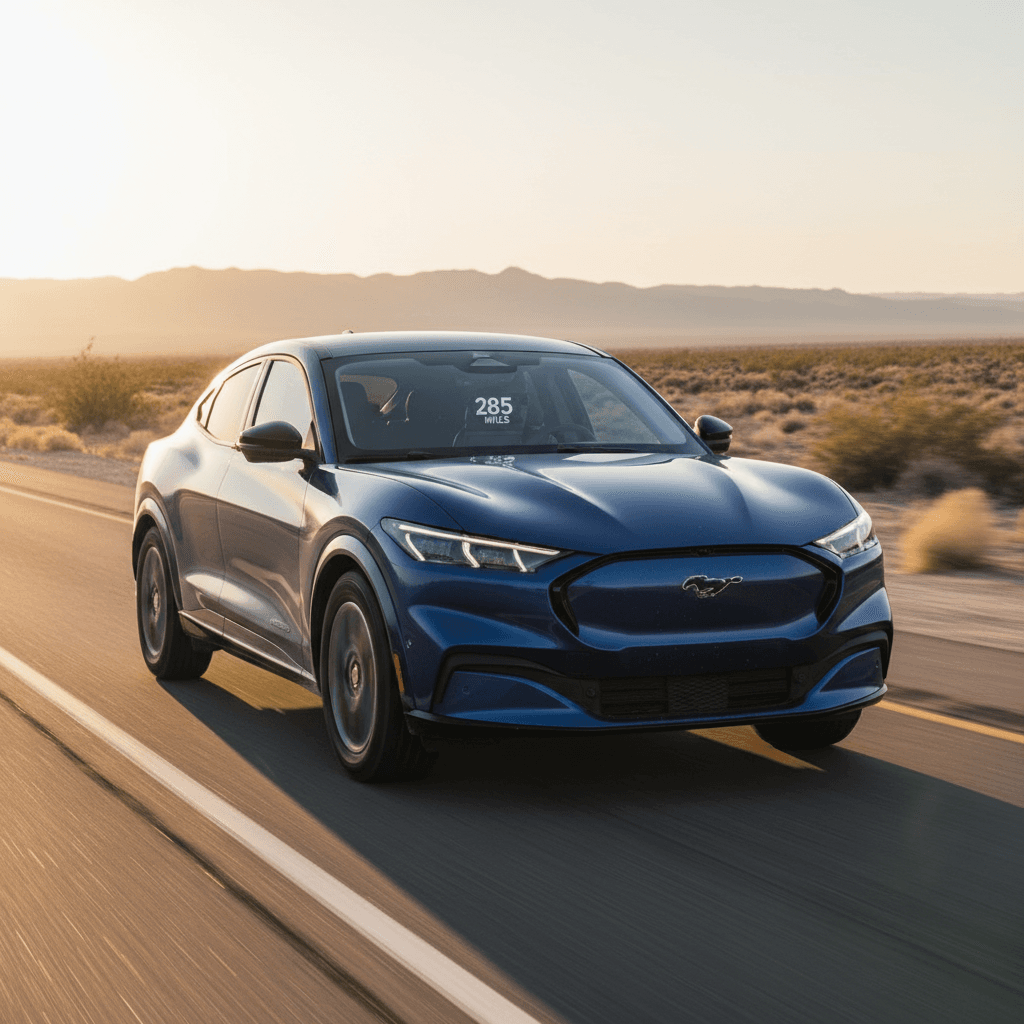
The EPA’s combined range test mixes city and highway driving at moderate speeds. It doesn’t mirror a real‑world, U.S. interstate slog at a set 70–75 mph with cruise control on, climate running, and the cargo area full of weekend gear. That’s why EPA range is best treated as an optimistic ceiling, not a guarantee.
What the EPA number means
- It’s a lab‑derived estimate that blends city and highway cycles.
- Includes some lower‑speed driving, stops, and starts, where EVs shine.
- Assumes moderate temperatures and conservative accessory use.
- Great for comparing EVs to each other, less great as a trip planner.
What you see on the highway
- Steady 70–75 mph increases aero drag dramatically.
- HVAC load, headwinds, and elevation changes all eat into range.
- Real‑world highway range often lands at 70–85% of EPA.
- Heavier trims on larger wheels, like the GV60 Performance, are hit hardest.
Don’t benchmark from the best case
Real‑world highway range by GV60 trim
Let’s break down what you can realistically expect at U.S. interstate speeds for the core U.S. GV60 configurations. These are approximate real‑world ranges at 70–75 mph in mild weather (around 70°F), on mostly flat ground, starting from 100% charge. Your actual results will vary with temperature, elevation, wind, and driving style, but the relationships between trims hold up in the wild.
Genesis GV60 highway range: realistic expectations
Approximate 70–75 mph highway ranges in good conditions, based on EPA ratings, independent testing, and typical EV highway behavior.
| Model / Battery | EPA rated range (approx.) | Typical 70–75 mph range (mild weather) | Typical 70–75 mph range (cold winter) |
|---|---|---|---|
| 2023–2025 Standard RWD, 77.4 kWh, 19" | ~294 mi | ~220–240 mi | ~170–190 mi |
| 2023–2025 Advanced AWD, 77.4 kWh, 19" | ~248–264 mi (wheel‑dependent) | ~190–215 mi | ~150–180 mi |
| 2023–2025 Advanced AWD, 77.4 kWh, 20" | ~248 mi | ~180–200 mi | ~140–170 mi |
| 2023–2025 Performance AWD, 77.4 kWh, 21" | 235 mi (EPA) | ~180–200 mi (Car and Driver saw ~200 mi at 75 mph) | ~140–165 mi |
| 2025–2026 RWD, 84 kWh (facelift) | ~300+ mi expected (official U.S. numbers still evolving) | ~230–255 mi | ~180–200 mi |
| 2025–2026 AWD, 84 kWh (facelift) | High‑200s EPA expected | ~210–235 mi | ~165–195 mi |
Use these numbers as planning tools, not promises. Always leave a buffer of at least 10–15% state of charge when targeting a charger.
How these estimates were built
The key pattern is simple: rear‑wheel‑drive on smaller wheels is your range champ, and Performance AWD on big wheels is the thirstiest at speed. If you’re a road‑trip‑first driver, the Standard RWD or an AWD GV60 on 19‑inch wheels is the sweet spot.
How speed, weather, and load hit GV60 range
The Genesis GV60 sits on the same 800‑volt platform as the Hyundai Ioniq 5 and Kia EV6, which means it’s efficient for a luxury SUV, but the laws of physics still apply. Three big factors will swing your highway range more than the spec sheet suggests.
What really changes your GV60’s highway range
Think of EPA range as the starting point. These are the big range thieves.
1. Speed
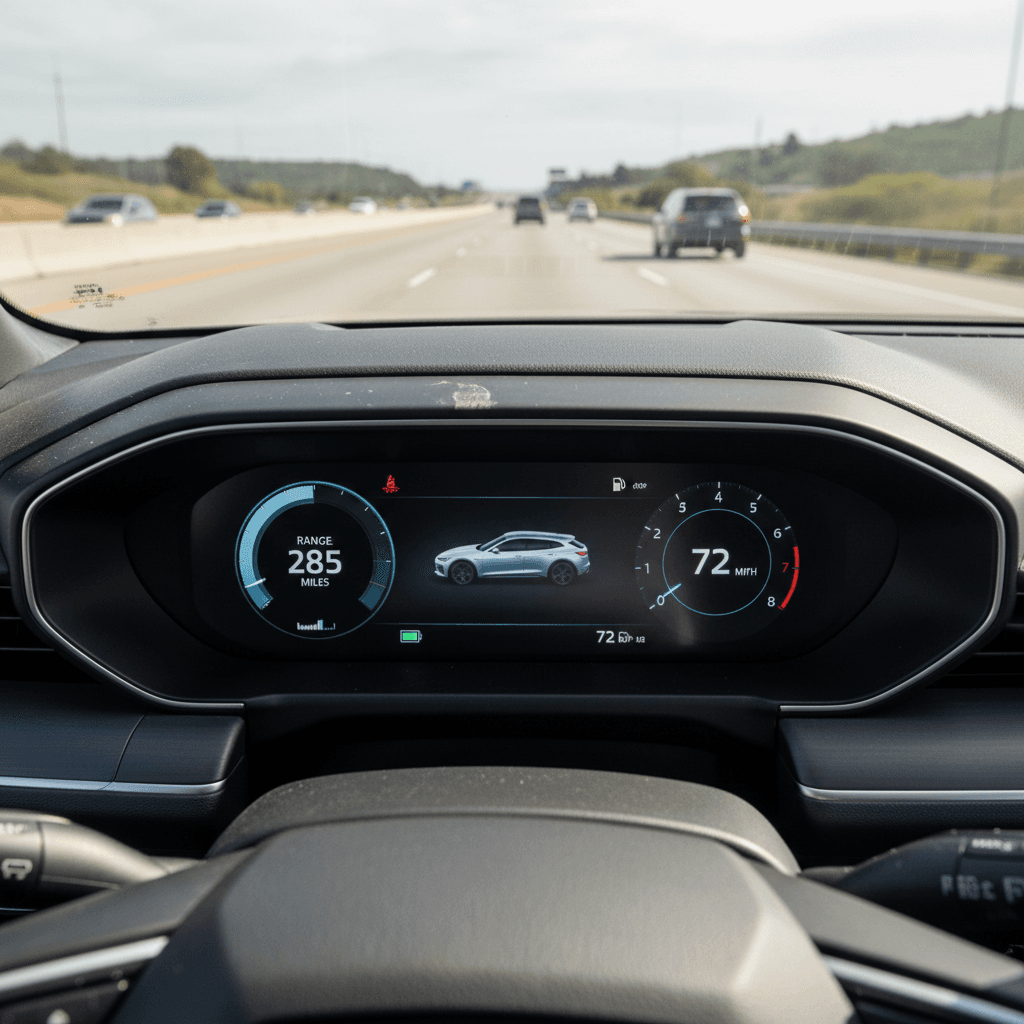
Above about 60 mph, aerodynamic drag ramps up quickly. Jumping from 65 to 75 mph can easily cost you 10–15% of your range.
In a GV60, that’s the difference between making the next charger comfortably and watching the percentage tick down a little too fast.
2. Temperature
EV batteries are happiest in the 60–80°F range. Below freezing, the pack’s internal resistance rises and the heater works overtime.
On long winter stints at 70–75 mph, expect 20–30% less range than on a mild spring day, more if it’s bitterly cold and windy.
3. Weight & wind
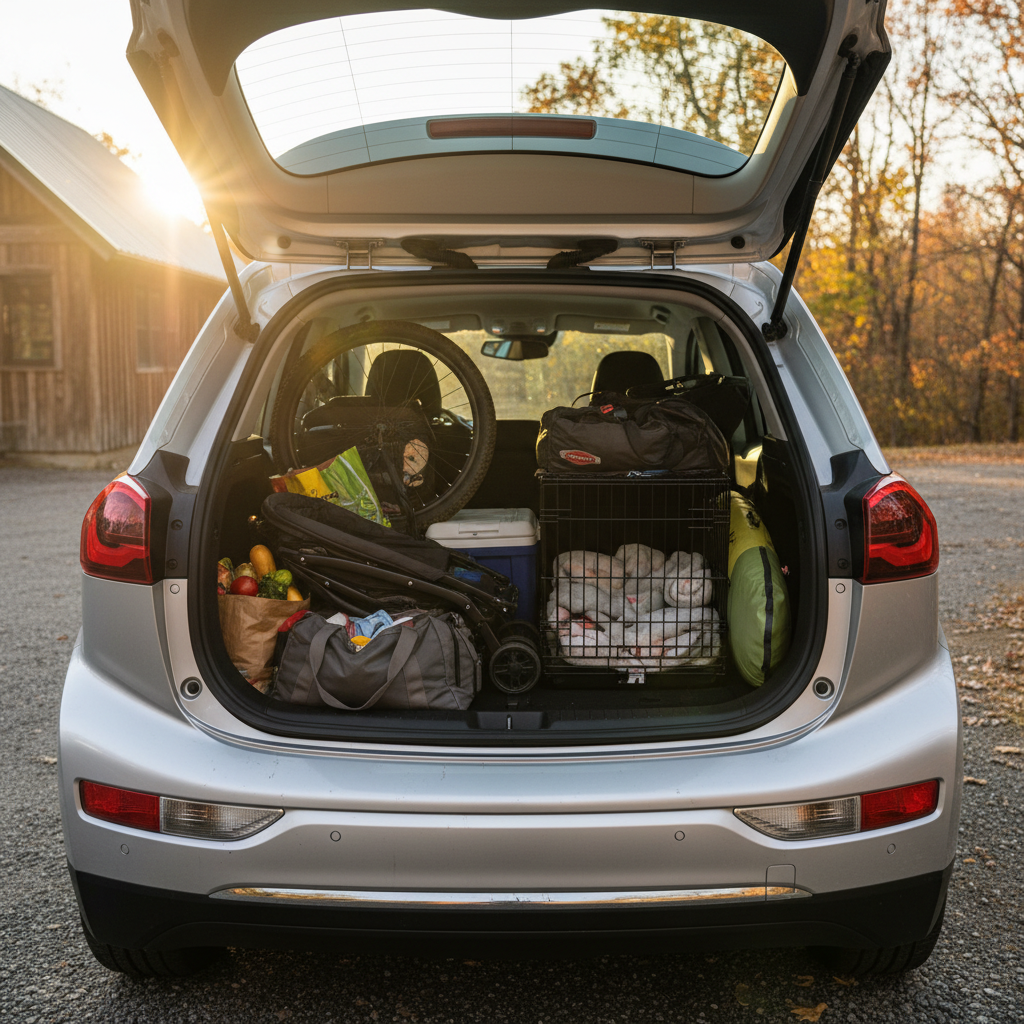
Roof boxes, bike racks, and a full cabin of people all add drag and weight. An overloaded GV60 on a ski trip will use noticeably more energy than a solo commuter.
Headwinds and big elevation gains can each eat another 5–15% of your usable range.
The roof box problem
Planning a highway road trip in a Genesis GV60
If you’re coming from gas, the GV60’s highway planning curve looks intimidating at first. The good news: its ultra‑fast 800‑volt charging makes road trips easier than the raw range might imply. The trick is to charge often and shallowly instead of waiting for deep charges.
Smart highway strategy in a GV60
1. Aim for 10–80% charge swings
The GV60 charges fastest between about 10% and 60–70%. On a strong 350 kW charger, 10–80% can take roughly 18 minutes in ideal conditions. Stopping more often for short, efficient sessions usually beats one long, slow top‑off to 100%.
2. Plan legs at ~60–70% of EPA
Take your model’s EPA range, multiply by about 0.7, and use that as a rough maximum leg length in good weather. In winter or with a full load, trim that to 0.6.
3. Use multiple charging networks
The GV60 includes access to major networks like Electrify America and, in newer model years, NACS access to Tesla Superchargers. Using at least two apps or cards dramatically reduces the odds of being stuck at a broken station.
4. Watch elevation profiles
Climbing into the mountains will spike consumption; descending helps, but not enough to fully cancel the climb. Long uphill stints can cost 10–20% extra energy versus flat interstate cruising.
5. Keep a 10–15% buffer
Don’t plan to arrive at chargers under 10% state of charge unless you really know the route and station reliability. That extra cushion makes traffic, detours, or a closed station a nuisance instead of a crisis.
6. Precondition the battery when possible
If your GV60’s software and route planner support battery preconditioning to a DC fast charger, use it. A warm battery can chop minutes off each stop and improve overall trip time.
Why the GV60 still road‑trips well
Used Genesis GV60: battery health and real‑world range
If you’re shopping for a used GV60, highway range isn’t just about trim and wheels anymore, it’s also about battery health. The good news: modern Hyundai‑Genesis packs have generally shown modest degradation in their first few years, often on the order of single‑digit percentages. But individual vehicles can vary, especially high‑mileage examples or cars fast‑charged hard in very hot climates.
How degradation affects highway range
- After a few years, many EVs see a 5–10% loss in usable capacity.
- On a GV60 with a 235–294 mile EPA rating, that’s roughly 10–25 miles off the top.
- High‑speed highway driving magnifies that loss because you’re already operating at the car’s least efficient speed band.
Shopping smart for a used GV60
- Look for a documented fast‑charging history and regular service.
- Ask the seller for recent max range estimates at similar conditions.
- Whenever possible, get a third‑party battery health report rather than guessing from the dash alone.
Where Recharged fits in
Remember that how the previous owner drove and charged the GV60 matters as much as the odometer. Lots of gentle Level 2 home charging and temperate‑climate miles are better signs than constant DC fast charging in desert heat.
8 ways to stretch GV60 range on the highway
You can’t change physics, but you can stack the deck in your favor. These small habits add up to extra miles and fewer white‑knuckle moments watching the remaining‑range estimate tick down.
- Set cruise to 68–70 mph instead of 75+ when you’re tight on range; the GV60 rewards patience with noticeably better efficiency.
- Use Eco or Comfort mode on long hauls; Sport and Boost feel great but burn energy quickly at highway speeds.
- Pre‑heat or pre‑cool the cabin while plugged in so the battery and cabin start in a happy temperature window.
- Travel light and keep the roof clean, avoid boxes, racks, and open windows at speed whenever possible.
- Use the built‑in nav or an EV‑savvy app to route past several charger options, not just one.
- Keep your tires properly inflated; under‑inflation increases rolling resistance and cuts into range.
- Avoid yo‑yo driving; hold a steady pace and anticipate slowdowns instead of repeated heavy acceleration.
- In winter, use heated seats and steering wheel instead of cranking the cabin temp to summer levels. They use much less energy.
Cold‑soaked battery = slow charging
Is the Genesis GV60 a good road‑trip EV?
On paper, the GV60 can look short‑legged next to the biggest‑battery crossovers. In practice, its refinement, comfort, and charging speed make it a genuinely pleasant highway companion, especially if you favor the more efficient trims.
Where the GV60 shines on the highway
- Ultra‑fast DC charging in the right conditions: 10–80% in roughly 18 minutes on a strong 350 kW unit.
- A quiet, well‑insulated cabin that makes long days behind the wheel feel shorter.
- Strong driver‑assist tech and a planted, confident ride at speed.
- RWD and 19‑inch wheel configurations that deliver respectable highway range for a luxury EV SUV.
Where you’ll want to plan carefully
- The Performance AWD on 21‑inch wheels burns through range fastest at 70–75 mph.
- Cold‑weather trips with a loaded cabin can shave 30% or more off your best‑case range.
- Charging network reliability still varies by region; always have a backup station in mind.
If you go in expecting roughly 180–240 miles of real‑world highway range from most GV60 trims in good weather, and use the car’s fast charging and planning tools to your advantage, you’ll find it’s more than capable of crossing states, not just suburbs. And if you’re shopping used, pairing the GV60’s strengths with a verified battery health report, like the Recharged Score, turns guesswork into confidence long after the EPA sticker has faded.